
Insulating Glove Protectors
8 insulating glove protectors from every brand we carry, in one list with live prices; grouped by brand.
Pick a cut level, coating, glove type, brand or size; the list below narrows as you choose. Prices are live.
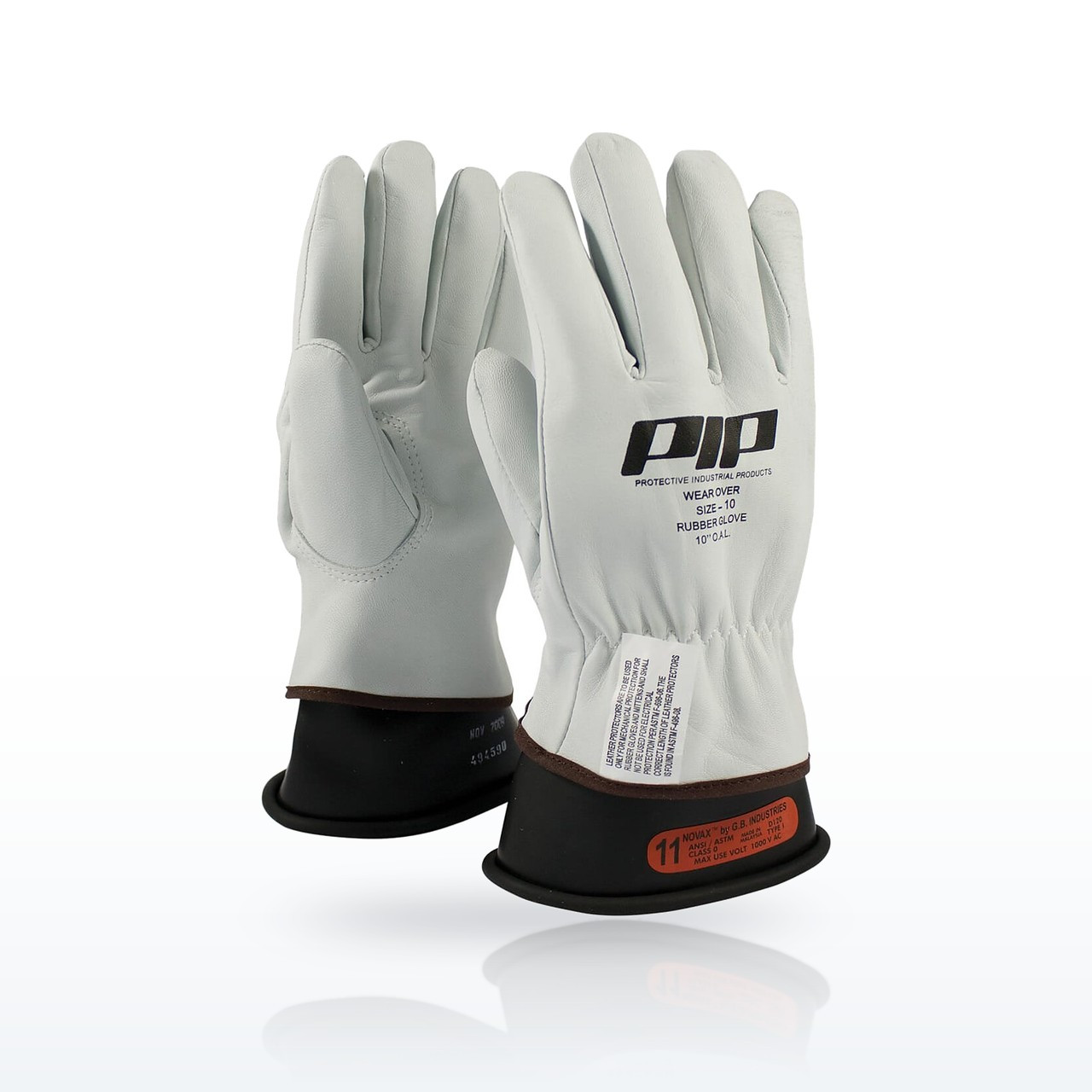
8 gloves
Ratings, coatings, gauges and sizes are as published by each manufacturer. Tap a group to open it.
PIP5 gloves
- PIP 148-1000 Insulating Glove Protectors, Top Grain Goatskin Leather Protector — PIP · Pair
- PIP 148-2000 Insulating Glove Protectors, Top Grain Goatskin Leather Protector — PIP · Pair
- PIP 148-4000 Insulating Glove Protectors, Top Grain Goatskin Leather Protector — PIP · Pair
- PIP 148-6000 Insulating Glove Protectors, Top Grain Goatskin Leather Protector — PIP · Pair
- PIP 148-7000 Insulating Glove Protectors, Top Grain Goatskin Leather Protector — PIP · Pair
Salisbury by Honeywell3 gloves
- Salisbury by Honeywell ILP10 Salisbury ILP Cowhide Leather Protectors — Salisbury by Honeywell · Pair
- Salisbury by Honeywell ILPG10A/7 Insulating Glove Protectors, Salisbury ILPG — Salisbury by Honeywell · Pair
- Salisbury by Honeywell Salisbury ILPG Goatskin Leather Protectors for Insulating — Salisbury by Honeywell · Pair
Do not see the glove you need? Browse all gloves or call (925) 215-7337.
Insulating glove protectors are leather over-gloves worn over rubber insulating gloves, sized to the class of glove by the manufacturer.
Ratings on this page are shown as published by the manufacturer or the named standard and describe performance in that standard's test. They are not a recommendation for any task. The employer's hazard assessment decides what protective equipment a job needs. Verify details against the manufacturer's current documentation before you buy.
Standards-body and manufacturer charts
These charts are published by the standards body and by the manufacturers, copied as printed and shown with attribution; nothing in them is Bayshore's recommendation. Level 5 puncture is printed as ≥ 100 N in both documents below.
ISEA, "Key to Hand Protection Classifications" (ANSI/ISEA 105-2024)
Cut resistance
| Level | ISEA hazard label | Grams-force | Protects against | Applications by cut level |
|---|---|---|---|---|
| A1 | Light cut hazards | 200 gf | Protect against scrapes | Material handling, small parts assembly (sharp edges), packaging, warehouse, general purpose, forestry, construction, pulp and paper, automotive assembly |
| A2 | Light/Medium cut hazards | 500 gf | ||
| A3 | Light/Medium cut hazards | 1000 gf | ||
| A4 | Medium cut hazards | 1500 gf | Protect against cuts for which stitches would be required | Appliance manufacturing, bottle and light glass handling, canning, drywall work, electrical, carpet installation, HVAC, pulp and paper, automotive assembly, metal fabrication and handling, packaging, warehouse, aerospace industry, food/prep processing |
| A5 | Medium/Heavy cut hazards | 2200 gf | ||
| A6 | High cut hazards | 3000 gf | Metal stamping, metal recycling, pulp and paper (changing slitter blades), automotive assembly, metal fabrication, sharp metal stampings, glass manufacturing, window manufacturing, recycling plant/sorting, HVAC, food prep/processing, meat processing, aerospace industry | |
| A7 | High cut hazards | 4000 gf | Protection against brutal or extreme injuries | |
| A8 | High cut hazards | 5000 gf | ||
| A9 | High cut hazards | 6000 gf |
gf = grams-force, as the key prints it.
Abrasion resistance
| Abrasion level | Load | Revolutions | ISEA label |
|---|---|---|---|
| 0 | 500 gram | < 100 | N/A |
| 1 | 500 gram | ≥ 100 | Light |
| 2 | 500 gram | ≥ 500 | Light - Medium |
| 3 | 500 gram | ≥ 1000 | Medium |
| 4 | 1000 gram | ≥ 3000 | Medium - Heavy |
| 5 | 1000 gram | ≥ 10000 | Heavy |
| 6 | 1000 gram | ≥ 20000 | Extra Heavy |
Puncture resistance
| Puncture level | Newtons (non-hypodermic needle) | Example applications |
|---|---|---|
| 0 | < 10 | Paper/Cardboard Cuts, Light Material Handling, Parts Assembly |
| 1 | ≥ 10 | Light Construction, Material Handling, Parts Assembly, Packaging |
| 2 | ≥ 20 | Light Construction, Material Handling, Parts Assembly, Packaging |
| 3 | ≥ 60 | Construction, Light Metal Stamping, Light Glass Handling, Manufacturing |
| 4 | ≥ 100 | Construction, Metal Stamping, Glass Handling, Recycling, Injection Molding |
| 5 | ≥ 100 | Oil & Gas, Mining, Heavy Construction, Demolition, Manufacturing, Fabrication |
Source: International Safety Equipment Association, Key to Hand Protection Classifications, November 2024 (document).
MCR Safety, "Cut Guide" (ANSI/ISEA 105:2016)
| Level | Grams to cut | MCR Safety's hazard label |
|---|---|---|
| A1 | 200 to 499 | Not Recommended for Cut |
| A2 | 500 to 999 | Light Cut Hazards |
| A3 | 1,000 to 1,499 | Light to Medium Cut Hazards |
| A4 | 1,500 to 2,199 | Medium Cut Hazards |
| A5 | 2,200 to 2,999 | Medium to Heavy Cut Hazards |
| A6 | 3,000 to 3,999 | Heavy Cut Hazards |
| A7 | 4,000 to 4,999 | High Cut Hazards |
| A8 | 5,000 to 5,999 | Very High Cut Hazards |
| A9 | 6,000+ | Extreme Cut Hazards |
Source: MCR Safety, Cut Guide (document).
PIP, "ANSI/ISEA 105-2024 for Cut, Abrasion and Puncture Resistance"
Cut hazard bands
| PIP hazard band | Example applications |
|---|---|
| Light/Medium cut hazards | Material handling, small parts assembly, packaging, warehousing, etc. |
| Medium/Heavy cut hazards | Appliance manufacturing, automotive assembly, canning, aerospace, HVAC, general construction |
| Heavy/High cut hazards | Metal stamping, pulp and paper, glass manufacturing, protein processing, sharp material recycling |
Puncture resistance
| Puncture level | Newtons (non-hypodermic needle) | Example applications |
|---|---|---|
| 0 | < 10 | Paper/Cardboard Cuts, Light Material Handling, Parts Assembly |
| 1 | ≥ 10 | Light Construction, Material Handling, Parts Assembly, Packaging |
| 2 | ≥ 20 | Light Construction, Material Handling, Parts Assembly, Packaging |
| 3 | ≥ 60 | Construction, Light Metal Stamping, Light Glass Handling, Manufacturing |
| 4 | ≥ 100 | Construction, Metal Stamping, Glass Handling, Recycling, Injection Molding |
| 5 | ≥ 100 | Oil & Gas, Mining, Heavy Construction, Demolition, Manufacturing, Fabrication |
Source: PIP (document).