







Bayshore Safety & Industrial Supplies serves every industrial and commercial trade, from boilermakers and shipbuilders to electricians, painters, pipefitters and heavy-equipment crews. Each section below lists the PPE, tools and consumables that trade actually uses on the job, the standards they have to meet, and the categories to shop. Call (925) 215-7337 and we will build a job-site list, or open a contractor account.
- Construction — Every general contractor's list: hard hats or safety helmets (ANSI Z89.1), Z87.1+ safety glasses, Class 2 or 3 hi-vis, gloves by task, fall protection at 6 feet (OSHA 1926.502), hearing protection, first aid kits and eyewash, cones and signs for work zones, plus fasteners, tapes, marking and hand tools.
- Roofing — Roofers need fall protection built for the job (roof anchors, rope-grab vertical lifelines, harnesses and kits sized for residential and commercial decks), knee pads, cut-resistant and leather gloves for metal and membrane, cooling and hydration products for hot decks, sun protection, safety glasses and hearing protection for nailers and saws, plus torches, sealants, tapes and fasteners..
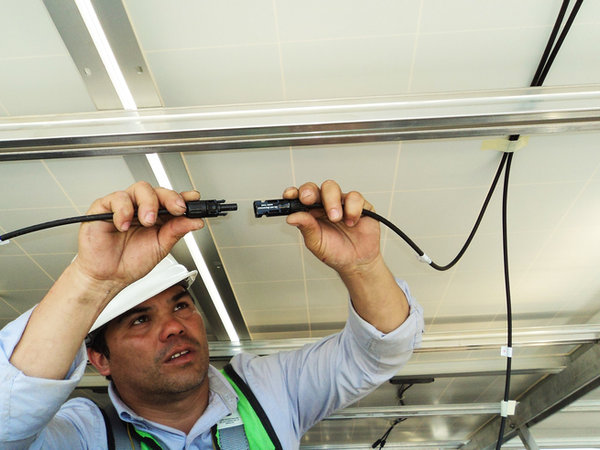
- Solar Installers — Solar crews work on pitched and flat roofs at 6 feet and above all day; fall protection is the number one OSHA citation nationally.
- Scaffolding — Scaffold erectors and dismantlers work at height all day: ANSI Z359 harnesses with dorsal and side D-rings, twin-leg lanyards for 100% tie-off while climbing, self-retracting lifelines, anchor straps and tool lanyards (ANSI/ISEA 121) so nothing drops on the crew below.
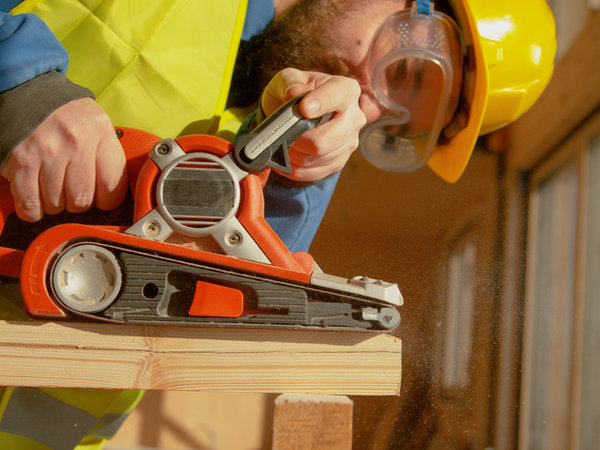
- Carpentry — Framing, finish and concrete-form carpenters need cut-resistant and leather gloves, impact-rated safety glasses, hearing protection for saws and nailers, knee pads, hand tools and tool storage, and fall protection when working at height.
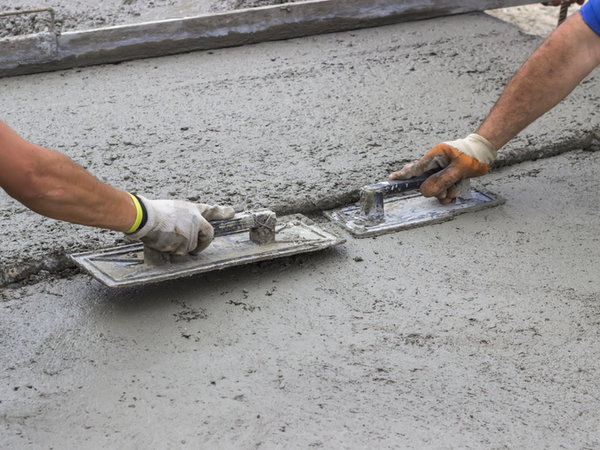
- Concrete Masons & Finishers — Wet concrete is caustic: chemical-resistant gloves (nitrile or PVC, gauntlet length), rubber boots, knee pads, splash goggles and skin protection matter more than anything else on a pour.
- Iron & Steel — Ironworkers and structural steel crews live on fall protection (ANSI Z359 harnesses, leading-edge SRLs, horizontal lifelines and beam anchors), impact and cut-resistant gloves, hard hats or Type II helmets, welding and torch supplies, rigging hardware, and hearing protection.
- Electricians — Electrical work is governed by NFPA 70E and OSHA 1910.137 and 1910.269: arc-rated clothing and face protection by PPE category (4, 8, 25 and 40 cal/cm²), ASTM D120 rubber insulating gloves with leather protectors (tested every six months), insulated hand tools, voltage testers, Class E hard hats, and non-conductive eyewear.
- Utilities, Oil & Gas — Line crews, refinery and plant workers need arc-rated FR clothing by NFPA 70E category, ASTM D120 rubber insulating gloves with leather protectors, Class E hard hats and arc-rated face protection, multi-gas monitors with H2S and LEL sensors, confined-space entry and rescue gear, hi-vis for roadside work, and the lockout, grounding and hand tools the job calls for.
- Sheet Metal & HVAC — Cut-resistant gloves (A4 and up for sheet edges), safety glasses, hearing protection, HVAC tools and regulators, tapes and sealants, drills and fasteners, flashlights for attics and mechanical rooms, and respirators for duct cleaning and insulation..
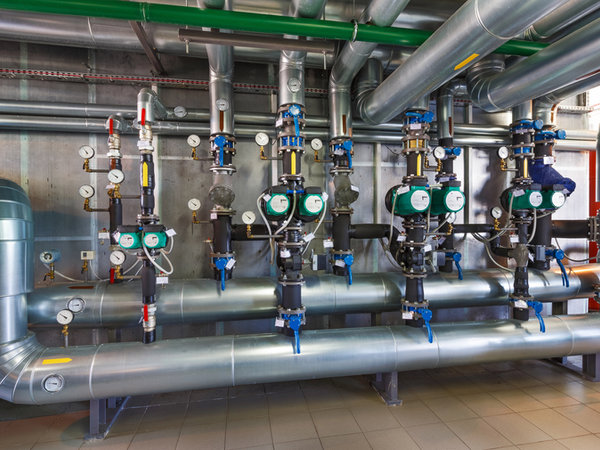
- Mechanical Contractors — HVAC, plumbing and piping contractors carry pipe threading and cutting equipment, soldering and brazing supplies, hoists and rigging for equipment sets, measuring and leveling tools, and the PPE that mechanical rooms and rooftops call for: hard hats, safety glasses, cut-resistant gloves, hearing protection, confined-space gas detection and fall protection on roofs and racks..
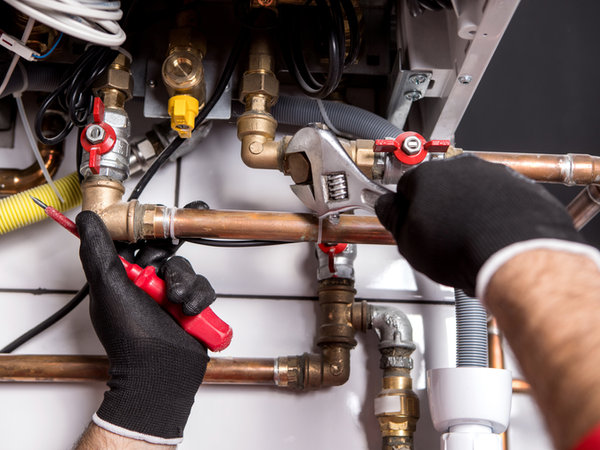
- Pipefitters, Plumbers & Steamfitters — Threading and pipe tools, drain cleaning and inspection equipment, soldering and brazing supplies, torches, sealants and thread compounds, plus gloves for hot work, safety glasses, respirators for solvents and cutting, and confined-space gas detection in vaults and mechanical rooms..
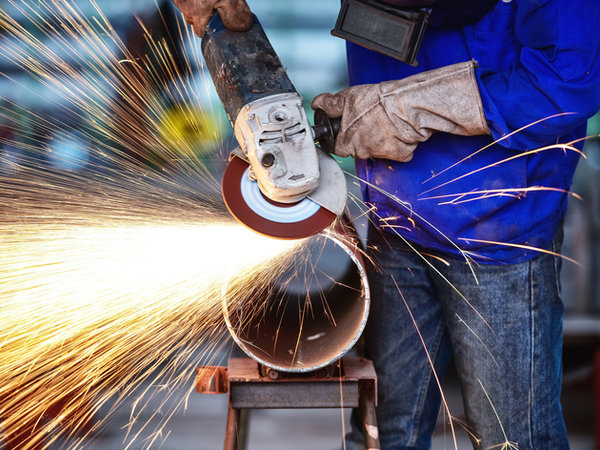
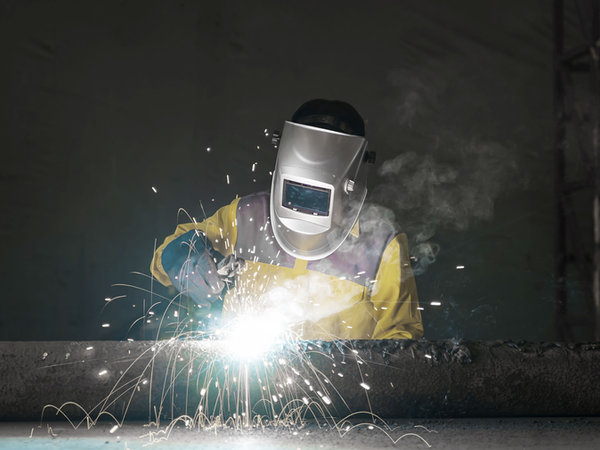
- Welders — Auto-darkening helmets and replacement lenses, welding gloves by process (MIG, TIG, stick), leather jackets, sleeves and bibs, FR clothing, respirators and fume control, filler metals and consumables, regulators, hoses, torches and tips, grinding and cutting wheels, plus shade-rated safety glasses under the hood.
- Boilermakers — Boilermakers work in confined, hot and elevated spaces on boilers, pressure vessels and tanks.
- Millwrights — Precision measuring and leveling tools (indicators, levels, calipers, feeler gauges), hand tools and sockets, lifting and rigging gear, lubricants, plus general PPE: impact gloves, safety glasses, hearing protection and hard hats.
- Riggers & Signalers — Slings, shackles, chain and wire rope, hoists and winches, tag lines and hand tools, with Class 2 or 3 hi-vis so operators can see signalers, impact-rated gloves, hard hats, and hearing protection.
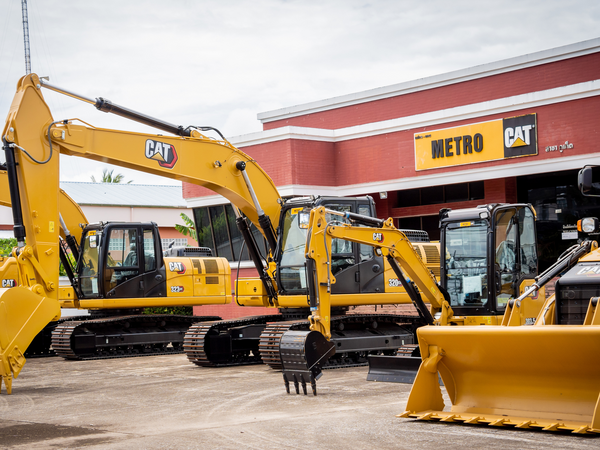
- Heavy Equipment — Operators and ground crews need hi-vis that is visible to equipment (Class 2 minimum, Class 3 near traffic), hearing protection rated for engine noise, dust and sun protection, hydration and cooling products for open-cab work, gloves for pins and hydraulic lines, plus lubricants, penetrants, grease and the hand tools for field repairs..
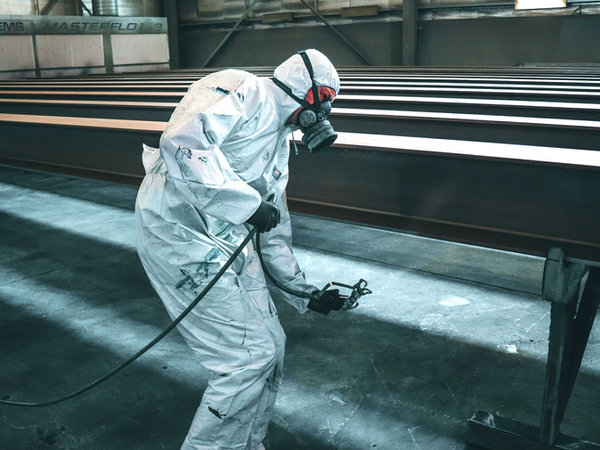
- Industrial Painters & Blasters — Coatings and abrasive blasting drive respiratory decisions: organic-vapor cartridge respirators with P100 pre-filters for solvent coatings, supplied air for isocyanates and blasting, disposable and chemical coveralls, chemical-resistant gloves, blast hoods and lenses, splash goggles, plus abrasives, tapes and masking, and cleanup chemicals.
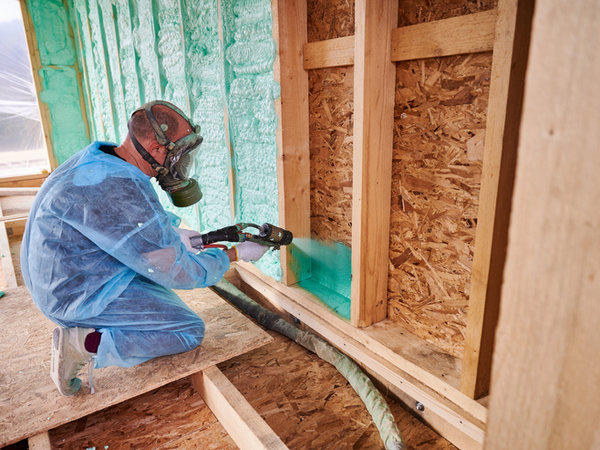
- Insulators — Mechanical and industrial insulators handle fiberglass, mineral wool and calcium silicate: disposable coveralls, N95 or P100 respirators, cut-resistant and nitrile-coated gloves, safety goggles for overhead work, tapes and sealants, knives and shears, and fall protection on pipe racks and scaffolds..
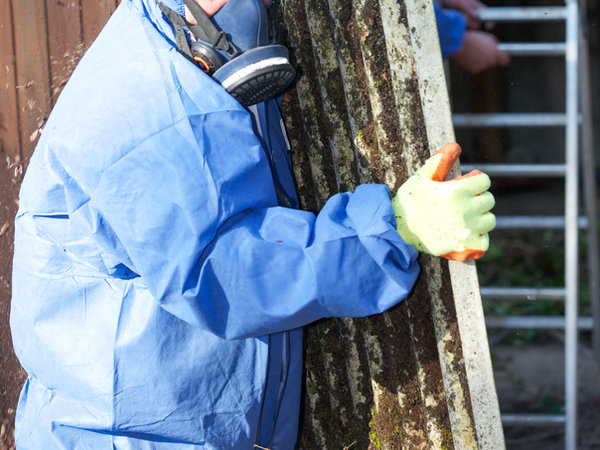
- Environmental & Abatement — Asbestos, lead, mold and hazmat crews are governed by OSHA 1910.134 and 1926.1101: full- and half-face cartridge respirators with P100 filters, powered air and supplied-air systems for the hot zone, disposable and chemical-resistant coveralls, shoe and boot covers, nitrile and chemical gloves, splash goggles, decontamination and cleanup supplies, spill control, gas detection and hazard signage.
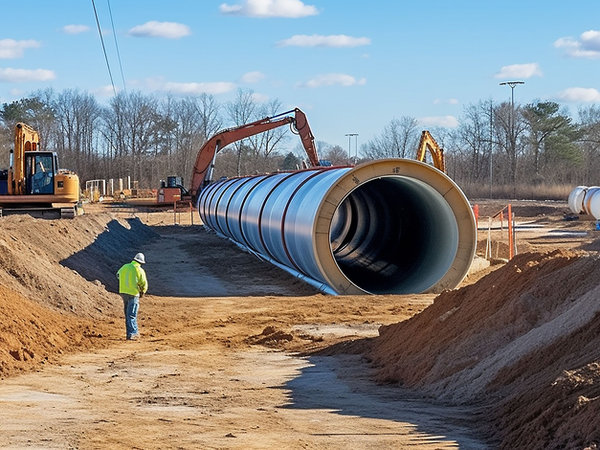
- Pipeline — Pipeline construction and maintenance crews work around hydrocarbons, trenches and traffic: multi-gas monitors and bump-test supplies, NFPA 2112 FR coveralls, shirts and jackets, Class 3 hi-vis, confined-space entry gear for vaults and excavations, hard hats, impact gloves, hearing protection and traffic-control cones and signs for the right-of-way.
- Refinery Turnarounds — Turnaround crews are outfitted in size runs, by the hundred, against the plant's PPE matrix: FR shirts and coveralls (NFPA 2112; arc ratings under NFPA 70E where the matrix calls for them), hard hats in the plant's color code, safety glasses and gloves by the case, hearing protection by the thousand, hi-vis, cooling gear and electrolytes for summer work, and first aid cabinets for the trailers.
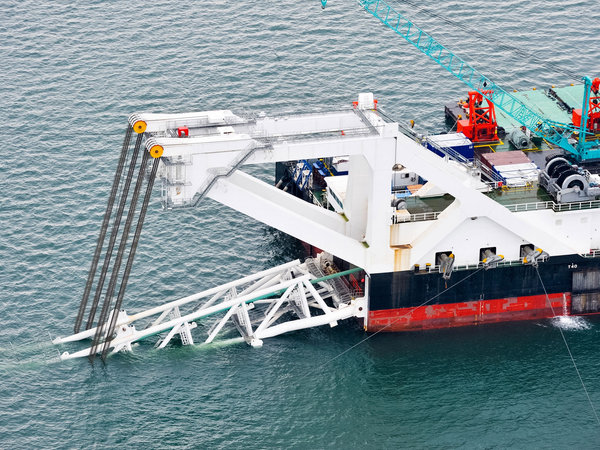
- Marine & Underwater — Shipyards, docks and marine construction need gas detection for tanks and voids, FR and hi-vis apparel, chemical and cut-resistant gloves, rainwear and cold-weather gear, corrosion-resistant hand tools, marine-grade tapes and sealants, and fall protection over water and on hulls.
- Ship Builders — Welding, abrasives and confined-space work at scale: welding helmets, jackets and gloves, grinding wheels and wire brushes, 4-gas monitors and ventilation, hearing protection for chipping and grinding, fall protection in dry docks, and FR clothing.
- Landscaping & Tree Care — Landscaping and tree crews work outdoors in the heat, around chainsaws and blowers, and often at the road edge.
- Municipal & Public Works — Streets, water, sewer and parks crews work in traffic and below grade: cones, barricades, flags and signs for work zones, Class 3 hi-vis (Type R) for roadway exposure, confined-space tripods, retrieval and gas monitors for manholes and lift stations, rain gear, cooling and hydration for summer work, hearing protection for equipment, gloves by task and first aid for the truck.
- Water & Wastewater Districts — Water and wastewater crews enter vaults, lift stations and manholes every week.
- Facilities & MRO — Facility and maintenance teams keep buildings, plants and fleets running: janitorial and cleaning supplies, light bulbs, work lights and extension cords, lubricants, penetrants and paints, tapes and adhesives, fasteners, hand and power tools, safety storage cabinets, spill kits, first aid cabinets and eyewash, plus the everyday PPE (gloves, glasses, earplugs, hi-vis) that keeps a crew compliant..
- Hospitals (Plant Operations) — Hospital plant operations run boilers, switchgear, roofs, tunnels and shops, outside the clinical side.
- Warehousing & Distribution — Distribution centers run forklifts, racking, box cutters and battery charging rooms.
- Food Plants — Food and beverage plants buy to the plant's sanitation and audit rules as much as to OSHA: metal-detectable earplugs and gloves for the production floor, nitrile gloves by the case, cut-resistant gloves (ANSI/ISEA 105) for slicers and knives, eyewash where ammonia and sanitizers are handled (1910.151(c), ANSI/ISEA Z358.1), chemical gloves and goggles for the chemical room, lockout devices for the lines (1910.147), spill absorbents and first aid cabinets..
- Schools & Districts — District facilities staff buy for custodians, grounds crews, shops and pools, under a board that reads the news.
- Labs & Universities — Laboratory safety officers buy by chemical: gloves by material with the manufacturer's permeation data (nitrile, butyl, neoprene, laminate), lab coats, D3 splash goggles and face shields marked under ANSI/ISEA Z87.1, eyewash and shower testing supplies under ANSI/ISEA Z358.1, spill kits for acids and solvents, and respirators where the chemical hygiene plan (OSHA 1910.1450) requires them.
- Safety Consultants & Trainers — Consultants and trainers buy fit test kits and solutions (OSHA 1910.134 Appendix A protocols), training and demonstration PPE, first aid kits and eyewash for client sites, and specify the rest for their clients.
Not listed? Call (925) 215-7337 or email the list to cs@bayshoresafety.com; we build job-site lists for every trade.