BW Technologies / Honeywell Analytics
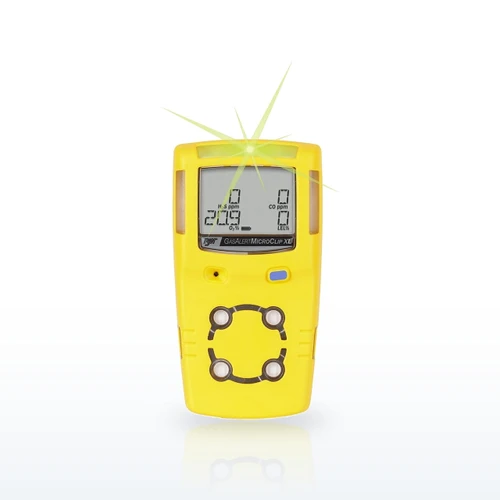
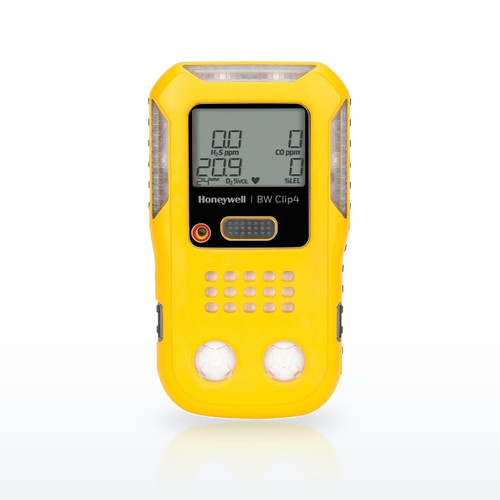
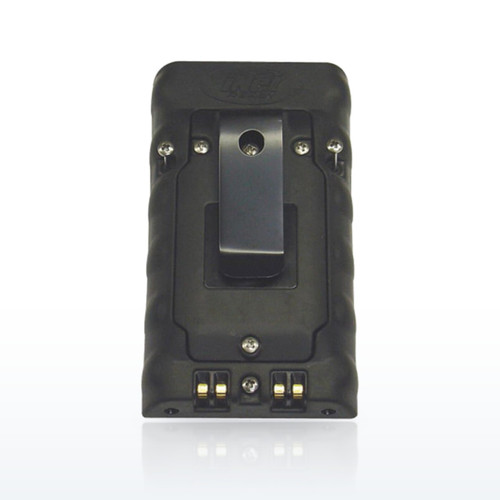
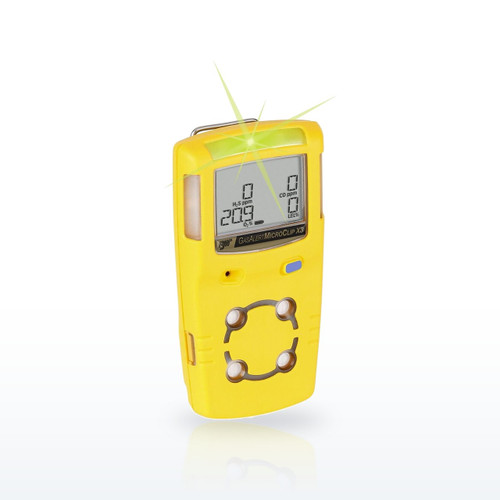
BW Technologies BWC2-X Clip Oxygen Monitor, 19.5/23.5% Alarms, 2-year
Item # BWC2-X
$112.37

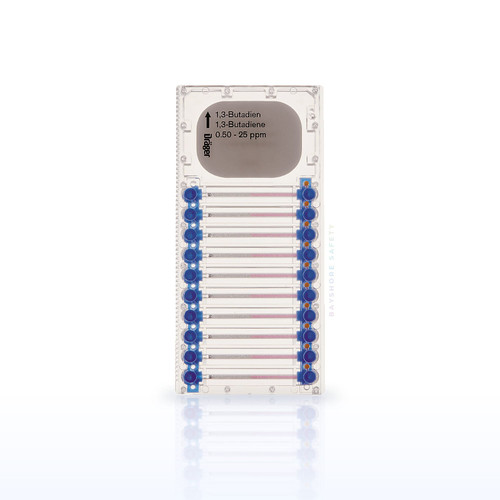
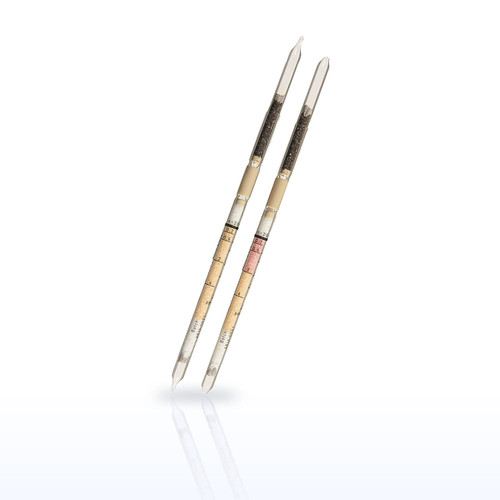
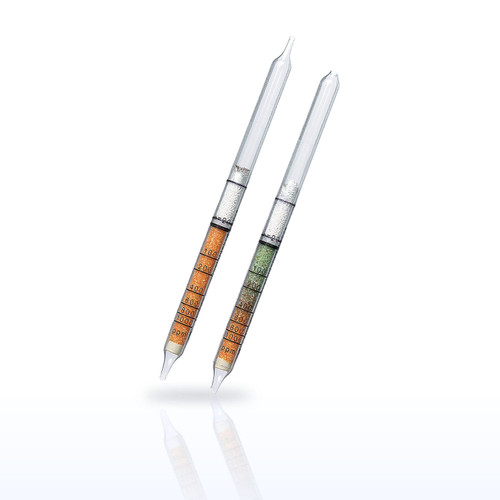
Spot-checking one gas? Draeger detector tubes: 183 tubes for 98 gases, each gas page with the measuring ranges next to the OSHA PEL and NIOSH REL and IDLH, read on the accuro pump. Guide: Draeger tubes and confined space entry.
Portable single-gas and multi-gas monitors, fixed detectors, calibration gas and kits, docking stations, sensors, pumps and detector tubes from RKI Instruments, Honeywell BW, MSA and Draeger. RKI monitors are built, calibrated and repaired by Bayshore; call Mon–Fri 7:30–4 Pacific if you are not sure which sensor or range you need.
1559 products from RKI Instruments, BW Technologies / Honeywell Analytics, MSA, Draeger, Industrial Scientific and 4 more brands. Gases Detected: LEL (538), O2 (181), H2S (70), CO (61), VOC (PID) (24), Combustible Gas (LEL) (18) and 117 more. Number of Gases: 4 (200), 3 (195), 2 (189), 1 (153), 5 (108), 6 (85). Sample Method: Diffusion (469), Pump (sample draw) (461). Battery: Li-Ion (452), Alkaline (178), Alkaline & Li-Ion (157), Rechargeable Li-Ion (20), Sealed (non-replaceable) (1). Sold individually (371), by the box (114), by the pack (43).
Brands in this category: RKI Instruments (862) · BW Technologies / Honeywell Analytics (262) · MSA (206) · Draeger (190) · Industrial Scientific (29) · Gastec (6) · Honeywell Analytics (2) · Air Systems International (1) · Environmental Express (1)
Portable Gas Monitors (941) · Detector Tubes & Pumps (190) · Gas Monitor Accessories (150) · Calibration Kits & Calibration Gas (88) · Sensors (88) · Gas Monitor Replacement Parts (53) · Batteries & Chargers (48) · Breathing Air Testing (14) · Fixed Gas Detectors (1)
A gas monitor lists the gases it detects, the sensor type and the measuring range for each (for example 0 to 100% LEL for combustibles, 0 to 25% volume for oxygen, 0 to 100 ppm for H2S), its alarm set points, battery run time, and intrinsic safety approvals (UL or CSA Class I Division 1 marks). Calibration gas and bump-test schedules follow the manufacturer's manual.
OSHA 1910.1000 Air Contaminants: what it requires and the equipment it names: 29 CFR 1910.1000 requires an employer to limit each employee's exposure to the substances in Table Z-1 (most gases, vapors and dusts), Z-2 (a short list of older substances with ceiling and peak values) and Z-3 (mineral dusts) to the 8-hour time-weighted average, the ceiling (C) value that is never to be exceeded, or the acceptable maximum peak listed, computed as the paragraph (d) formulas set out. OSHA 1910.146 Permit-Required Confined Spaces: what it requires and the equipment it names: 29 CFR 1910.146 requires an employer whose workplace contains permit-required confined spaces to post danger signs, decide whether employees will enter, and if so run a written permit space program: test the atmosphere with a calibrated direct-reading instrument for oxygen, then flammable gases and vapors, then toxic air contaminants, keep the space within acceptable entry conditions, post an attendant, provide retrieval systems for non-entry rescue, and arrange rescue services that can respond in time. OSHA 1926 Subpart AA Confined Spaces in Construction (1926.1203): what it requires and the equipment it names: 29 CFR 1926.1203 requires each construction employer to have a competent person identify all confined spaces its employees may work in and each one that is a permit space, through consideration, evaluation and testing as necessary; to inform exposed employees and the controlling contractor of each permit space; and, if employees will enter, to follow a written permit space program under 1926.1204 or the alternate procedures of 1926.1203(e) where continuous forced air ventilation alone controls the only hazard, with the atmosphere tested before entry with a calibrated direct-reading instrument for oxygen, then flammables, then toxics, and monitored periodically. Every rule page lists the equipment the rule names with the products we carry for it; the safety rules index has them all.
Intrinsically safe gas detectors: what Class I Div 1 and Div 2 mean · Bump test vs calibration: what each does and how often · Single-gas vs multi-gas detectors: which does the job need? · How much does a gas detector cost? Single-gas, 4-gas, pumped, PID, sensors, calibration gas and docks, with the prices on this site · What is calibration gas, and how to choose the right cylinder · Combustible gas: what is LEL and UEL by gas (methane, propane, hydrogen)
What does 3% LEL mean on a gas detector? Either a small amount of combustible gas or a zero that has drifted. RKI’s GX-Force suppresses LEL readings below 2 percent to zero, so 3 percent is above the suppression band; the manual’s answer is a fresh air adjustment (AIR CAL) in clean air with 20.9 percent oxygen, and a bump test if the reading comes back. More in the guide: What does 20 percent LEL mean, why does a detector read 3 percent LEL in clean air, and where do the 10, 25 and 50 percent alarms come from?
What are the four types of gas detectors? By sensor: catalytic bead for combustible gas (percent LEL), electrochemical for oxygen and the toxic gases (ppm), infrared for methane, hydrocarbons and CO2 without oxygen, and photoionization (PID) for volatile organic compounds. RKI Instruments’ FAQ sets catalytic against infrared and describes hydrogen interference on the electrochemical CO sensor. More in the guide: What are the four types of gas detector sensors, how does each one work, and how do you read a 4-gas meter?
What is the difference between a gas monitor and a gas detector? None in practice. Detector names the sensor’s job and monitor the instrument’s (continuous reading, alarm, log); the product page’s gases, sampling method, alarm set points and approvals are what differ between instruments. More in the guide: What is a gas monitor? Gas detector vs gas monitor vs gas meter, what triggers a gas detector, portable against fixed, and what each kind is used for
What does 2% LEL mean? Two percent of the lower explosive limit, 0.1 percent methane: a trace of gas or a zero that has drifted. RKI’s GX-Force suppresses LEL readings below 2 percent to zero, so a steady reading just above it is checked with a fresh-air adjustment in clean air and a bump test if it returns. More in the guide: How to read a gas monitor alarm: low, high, TWA and STEL
Which sensor is used to detect LPG gas? A catalytic bead combustible sensor, calibrated to methane or isobutane, reads propane and butane as percent LEL; an infrared hydrocarbon sensor reads them too and works without oxygen. The LEL sensor guide on this site covers both. More in the guide: What are the four types of gas detector sensors, how does each one work, and how do you read a 4-gas meter?
What are the 10 most flammable gases? By the width of the flammable range and the lowest LEL in the sources on this page: acetylene (2.5 to 100 percent), hydrogen (4.0 to 75.6), hydrogen cyanide (5.6 to 40), methanol (6.0 to 36), hydrogen sulfide (4.0 to 44), methane (5.0 to 15), carbon monoxide (12.5 to 74), propane (2.1 to 9.5), pentane (1.5 to 7.8), hexane (1.1 to 7.5). RKI Instruments’ FAQ notes the most explosive energy is near the midpoint of each range. More in the guide: Which gases are toxic or flammable at work? IDLH, PEL, REL and LEL for 17 gases met in confined spaces, sewers, plants, fires and oil and gas, and the sensor that reads each
Ratings and specifications on this page are shown as published by the manufacturer or the named standard and describe performance in that standard's test. They are not a recommendation for any task. The employer's hazard assessment decides what protective equipment a job needs. Verify details against the manufacturer's current documentation before you buy.
RKI Instruments GX-3R Pro Gas Monitors, RKI Instruments GX-3R Gas Monitors, RKI Instruments GX-6100 Sample-Draw Gas Monitors, RKI Instruments GX-Force Sample-Draw Gas Monitors, RKI Instruments 04 Series Single-Gas Monitors, RKI Instruments GX-3R Pro sensors and parts, RKI Instruments GX-3R sensors and parts, RKI Instruments GX-Force sensors and parts, RKI Instruments 04 Series sensors and parts, RKI Instruments GX-6000 parts, RKI Instruments GX-2009 parts, RKI Instruments GX-2012 parts, RKI Instruments Calibration gas and kits.
Honeywell BW Clip Single-Gas Monitors, Honeywell BW Clip4 4-Gas Monitors, Honeywell BW MicroClip XL and X3 Gas Monitors, Honeywell BW Max XT II Pumped Gas Monitors, Honeywell BW Ultra 5-Gas Monitors, Honeywell BW Solo Single-Gas Monitors, Honeywell BW Flex Gas Monitors, Honeywell BW RigRat Area Gas Monitors, Honeywell BW IntelliDoX Docking Stations, Honeywell BW Calibration Gas and Regulators, Honeywell BW Replacement Sensors, Honeywell BW Accessories and Replacement Parts.
MSA ALTAIR and ALTAIR Pro Single-Gas Detectors, MSA ALTAIR 2X Single-Gas and Two-Tox Detectors, MSA ALTAIR 4XR and 4X Multigas Detectors, MSA ALTAIR 5X Multigas Detectors, MSA ALTAIR io 4 and io 6 Connected Gas Detectors, MSA GALAXY GX2 Automated Test System, MSA XCell Sensors and Calibration Gas, MSA ALTAIR Accessories and Replacement Parts, MSA Gas Detection Parts for Sirius, FiveStar and Other Instruments.
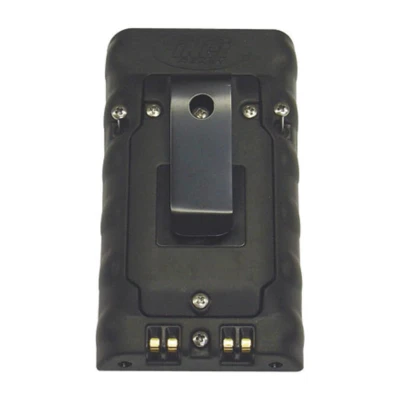 Batteries & Chargers
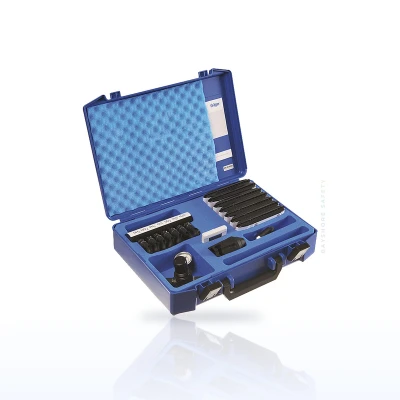 Breathing Air Testing
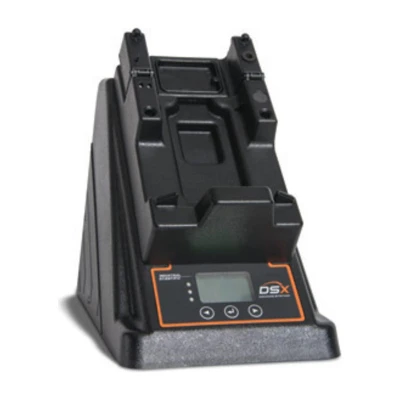 Calibration Gas & Kits
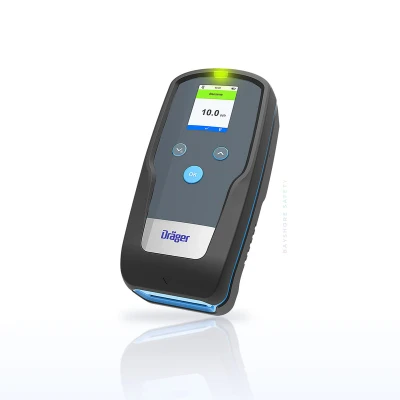 Detector Tubes & Pumps
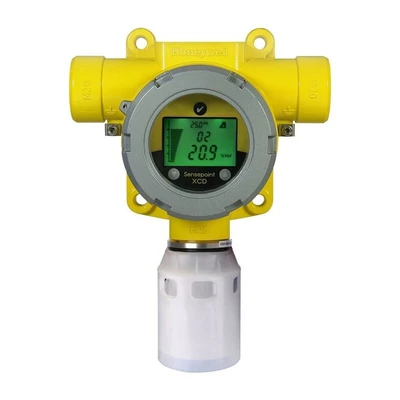 Fixed Gas Detectors
 Gas Detector Sensors
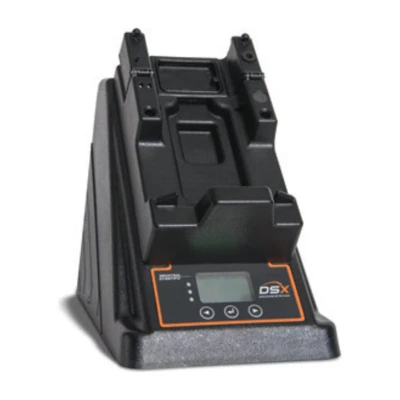 Gas Monitor Accessories
 Gas Monitor Replacement Parts
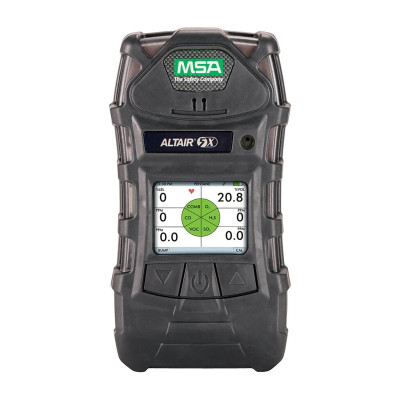 Portable Gas Monitors