Home › Guides › Heat, cold and ergonomics › Cold stress
Guide · Cold stress · OSHA Cold Stress Guide and NIOSH

Cold stress: what OSHA and NIOSH recommend for cold-weather work

Cold stress is what happens when the body loses heat faster than it can make it. Skin temperature drops first, then the core, and the result is frostbite in the fingers, toes, ears and face, trench foot in wet boots, and hypothermia when the core falls far enough to slow the brain and heart. Wind and wetness drive it as much as the thermometer: hypothermia can set in above 40°F in a worker soaked by rain or sweat, and trench foot can occur at 60°F if the feet stay wet. There is no OSHA cold standard; employers are responsible for cold hazards under the general duty clause, and OSHA and NIOSH say the same things about what that means: train the crew to recognize it, schedule the heavy work for the warm part of the day, give warm breaks and warm drinks, use a buddy system, and dress in three loose layers with a hat, insulated gloves and waterproof insulated boots.
Bayshore Safety. Industrial safety and PPE supplier since 2017. · Current as of October 2026 · OSHA Cold Stress Guide (Emergency Preparedness and Response guides); NIOSH, Cold Stress: Cold and Work (reviewed July 2026); OSH Act section 5(a)(1); 29 CFR 1910.132(h)(4); EN 511:2006 as published by glove manufacturers
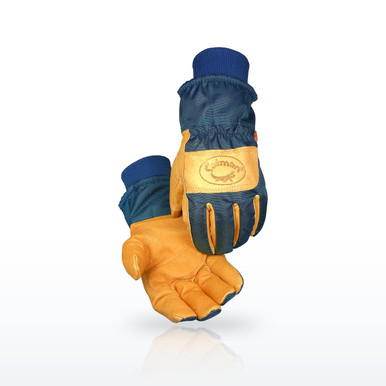
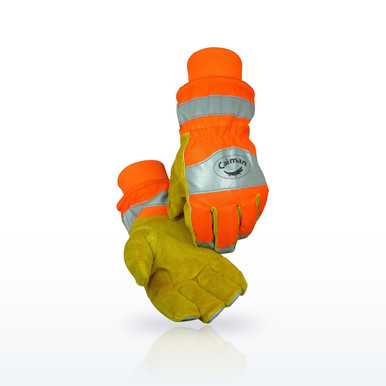
Caiman 1353 Cold Weather Gloves, Premium Split Cowhide Leather Palm GloveCaiman 1353 insulated split cowhide glovesEN 511 221: rated for cold air, cold surfaces and water

Why is cold stress about more than temperature? The body loses heat four ways: to moving air, to anything it touches, to water, and by evaporation. Wind strips the warm layer of air off the skin, which is what wind chill measures. A cold steel handrail or a frozen pallet pulls heat out through the hands far faster than cold air does. Water conducts heat away from the body many times faster than air, so a wet glove, a sweated-through shirt or a leaking boot undoes the insulation around it. That is why OSHA’s guide puts wetness, improper dress and exhaustion at the head of its risk factors, and why the protective clothing advice is built around layers that wick, insulate when wet, and block wind and rain.

What are the cold stress injuries, and what are the signs?

The OSHA Cold Stress Guide lists three. Any one of them on a jobsite means the worker comes in now.

Hypothermia, earlyThe worker is alert but shivering and stomping the feet to generate heat. This is the stage to catch: warm, dry, out of the wind, warm sweet drink.
Hypothermia, moderate to severeAs body temperature keeps falling, shivering stops. The worker loses coordination, fumbles with things in the hands, becomes confused and disoriented. Pulse and breathing slow, and loss of consciousness can occur. Call 911.
FrostbiteReddened skin develops gray or white patches. Numbness in the affected part. Tissue feels firm or hard. Blisters in severe cases. Fingers, toes, nose, ears and cheeks go first.
Trench foot (immersion foot)From prolonged exposure to wet and cold: redness, swelling, numbness and blisters on the feet. It does not need freezing weather; OSHA says it can occur at temperatures as high as 60°F if the feet are constantly wet.
Who is at riskAnyone wet, under-dressed or exhausted; workers with hypertension, hypothyroidism or diabetes; workers in poor physical condition. NIOSH adds workers in poorly insulated or unheated indoor areas and anyone without shelter.
OSHA Cold Stress Guide: types of cold stress, symptoms and risk factors; NIOSH, Cold Stress: Cold and Work, who is at risk.

What do you do for hypothermia and frostbite?

  1. Hypothermia: call 911 in an emergency; otherwise get medical help as soon as possible. Move the person to a warm, dry area. Remove wet clothes and replace them with dry ones. Cover the body, including the head and neck, but not the face.
  2. If medical help is more than 30 minutes away: give warm, sweetened drinks if the worker is alert, no alcohol. Place warm bottles or hot packs in the armpits, the sides of the chest and the groin. Never try to give a drink to an unconscious person.
  3. Frostbite: get medical help. Loosely cover and protect the area from contact. Do not rub the affected area to warm it; that causes more damage. Do not apply snow or water. Do not break blisters. Do not try to rewarm the frostbitten area before getting medical help; it is safer for medical professionals to rewarm it, and a part that is rewarmed and then refreezes is worse off.
  4. Trench foot: get medical help. Remove wet socks and boots, dry the feet, keep the worker off them.
OSHA Cold Stress Guide: first aid for hypothermia (medical help available; more than 30 minutes away), frostbite and immersion/trench foot.

What are employers expected to do?

  • Train workers to recognize cold stress in themselves and each other, to prevent it, and to give first aid. NIOSH lists the training topics: worker risk, prevention, symptoms, monitoring yourself and coworkers, treatment, and PPE.
  • Engineering controls: radiant heaters at outdoor work stations, and shielding the work area from the wind to cut wind chill.
  • Scheduling: heavy work in the warmer part of the day, and cold jobs in the warmer months where there is a choice; relief workers or extra workers on long cold jobs; limited time outside on extremely cold days.
  • Warm breaks: frequent short breaks in a warm, dry area, and warm, sweetened, non-alcoholic drinks.
  • A buddy system so workers watch each other, and supervisors who monitor workers at risk.
  • Acclimatize new and returning workers gradually, the same as for heat.
  • Protective clothing, which NIOSH says the employer should cover in training and OSHA describes layer by layer in the next section.
OSHA Cold Stress Guide: training, engineering controls, safe work practices (warm fluids, scheduling, breaks, buddy system, acclimatization); NIOSH, Cold Stress: Cold and Work, recommendations for employers (scheduling, relief workers, warm liquids, warm areas, limiting time outside, monitoring, training topics). OSHA states there is no specific cold-environment standard and that employers have a duty under section 5(a)(1) of the OSH Act.

What does OSHA say to wear?

At least three loose layers; tight clothing restricts circulation and compresses insulation. The inner layer is wool, silk or synthetic to wick moisture away from the skin, not cotton, which holds sweat. The middle layer is wool or synthetic for insulation that keeps working when wet. The outer layer blocks wind and rain and still lets some moisture out. A hat or hood, because a hat reduces the heat lost from the head. Insulated gloves, water-resistant where the work is wet. Insulated, waterproof boots. NIOSH adds the things to carry: extra socks, gloves, a hat and a jacket, blankets, and a thermometer and chemical hot packs in the first aid kit, and warns against touching cold metal with bare skin.

OSHA Cold Stress Guide, protective clothing (three loose layers; inner wicking layer; middle insulating layer; outer wind and rain layer; hat or hood; insulated gloves; insulated waterproof boots); NIOSH, Cold Stress: Cold and Work, recommendations for workers.

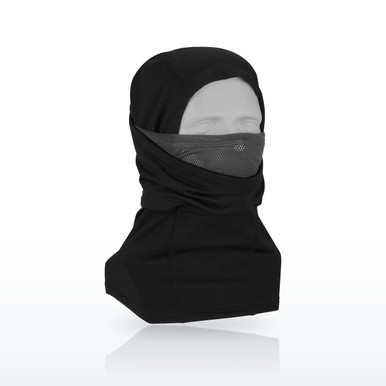
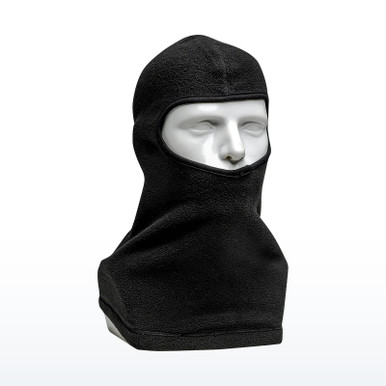
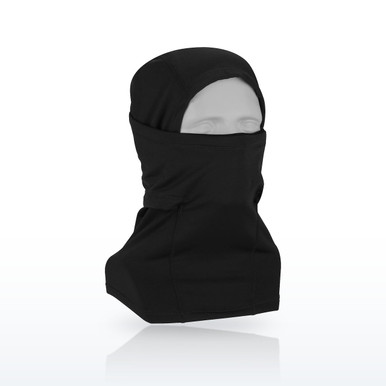
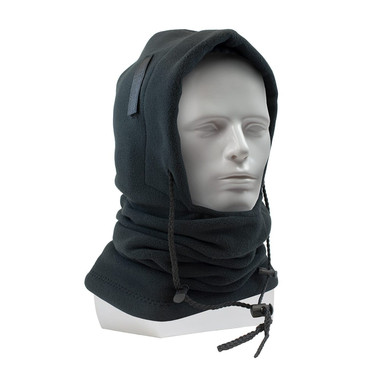
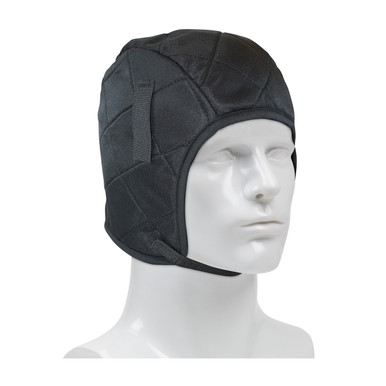
For gloves, the only published cold rating is EN 511, three digits for cold air, cold surfaces and water. A glove for handling frozen product or cold steel needs the second digit; a glove for standing in wind needs the first; wet work needs a 1 in the third place or the other two do not last past the first soaking. The band below shows the manufacturer’s EN 511 code where one is published. A hard hat winter liner replaces the hat OSHA calls for under a hard hat, which cannot take a hat under its suspension.

EN 511:2006 as published by the glove manufacturers in the band.

Who pays for winter gear?

OSHA’s PPE payment rule requires the employer to pay for required PPE, with named exceptions, and one of the exceptions is ordinary clothing, skin creams, or other items used solely for protection from weather, such as winter coats, jackets, gloves, parkas, rubber boots, hats, raincoats, ordinary sunglasses and sunscreen. So an employer may require a crew to dress for the cold without buying the coats. The line moves when the item is PPE for a hazard other than weather: insulated gloves with a cut rating for handling sheet metal in winter, FR-rated winter liners for an arc flash program, or chemical-resistant insulated gloves are PPE selected under the hazard assessment and are paid for by the employer. Many employers supply winter gear anyway, because a crew that owns good gloves keeps working.

29 CFR 1910.132(h)(1) and (h)(4); 1910.132(d)(1) hazard assessment for PPE that protects against a non-weather hazard.

Insulated gloves, hard hat liners and warmers

38 items · prices live

EN 511 cold ratings, lining and coating are as published by each manufacturer. Where a glove has no published EN 511 code, the manufacturer’s coating is shown instead. Hard hat liners and warmers are described as the maker labels them. Free shipping on orders over $199.
ItemRatingPart numberPrice
Caiman 1353 Cold Weather Gloves, Premium Split Cowhide Leather Palm Glove
Caiman 1353 Premium Split Cowhide Leather Palm GloveManufacturer rating or type: EN 511 221 · Sold per pack
RatingEN 511 221Part1353
$124.00
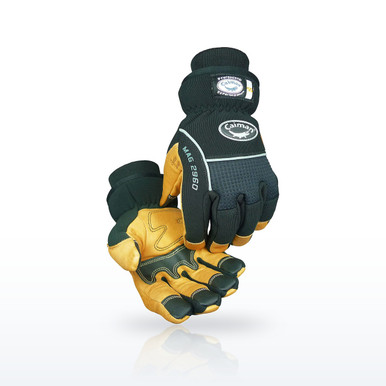
Caiman MAG 2960 Cold Weather Gloves, Multi-Activity Glove
Caiman MAG 2960 Multi-Activity GloveManufacturer rating or type: EN 511 231 · Sold per pack
RatingEN 511 231Part2960
$223.00
Caiman 2991 Cold Weather Gloves, Uncoated, Synthetic Leather Patch Palm Glove
Caiman 2991 Uncoated, Synthetic Leather Patch Palm GloveManufacturer rating or type: EN 511 231 · Sold per pack
RatingEN 511 231Part2991
$176.00
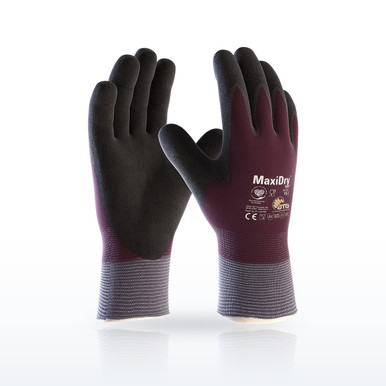
PIP MaxiDry Zero 56-451 Cold Weather Gloves, ANSI A2, Nitrile Coated
PIP MaxiDry Zero 56-451 ANSI A2, Nitrile CoatedManufacturer rating or type: EN 511 021 · Sold per pack
RatingEN 511 021Part56-451
$72.49
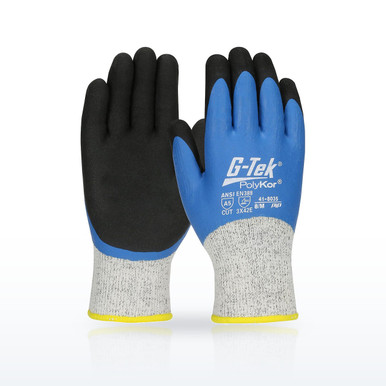
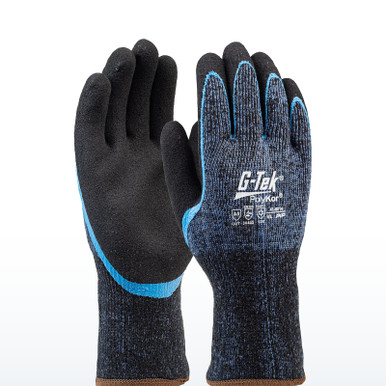
G-Tek PolyKor 41-8035 Cold Weather Gloves, ANSI A4, Latex Coated
G-Tek PolyKor 41-8035 ANSI A4, Latex CoatedManufacturer rating or type: EN 511 121 · Sold per dozen
RatingEN 511 121Part41-8035
$174.00
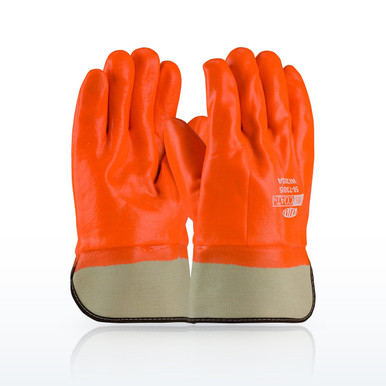
PIP ProCoat 58-7305 Cold Weather Gloves, PVC Coated, Premium PVC Dipped Glove
PIP ProCoat 58-7305 PVC Coated, Premium PVC Dipped GloveManufacturer rating or type: EN 511 221 · Sold per dozen
RatingEN 511 221Part58-7305
$90.49
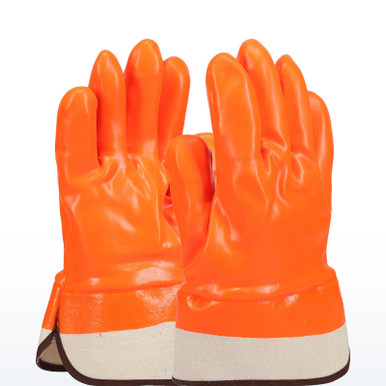
PIP 1017OR Cold Weather Gloves, PVC Coated, PVC Dipped Glove
PIP 1017OR PVC Coated, PVC Dipped GloveManufacturer rating or type: EN 511 221 · Sold per dozen
RatingEN 511 221Part1017OR
$74.49
PIP ARBR-001-TS Cold Weather Gloves, Uncoated, Arctic TS Insulated Uniform Glove
PIP ARBR-001-TS Uncoated, Arctic TS Insulated Uniform GloveManufacturer rating or type: EN 511 221 · Sold per pack
RatingEN 511 221PartARBR-001-TS
$288.00
Caiman 1354 Cold Weather Gloves, Pigskin Leather Palm Glove
Caiman 1354 Pigskin Leather Palm GloveManufacturer rating or type: EN 511 23X · Sold per pack
RatingEN 511 23XPart1354
$134.00
Caiman 1398 Cold Weather Gloves, Premium Goat Grain Leather Glove
Caiman 1398 Premium Goat Grain Leather GloveManufacturer rating or type: EN 511 33X · Sold per pack
RatingEN 511 33XPart1398
$275.00
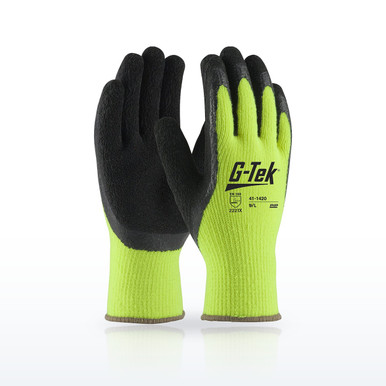
G-Tek 41-1420 Cold Weather Gloves, Latex Coated, Latex Coated Foam Grip on Palm
G-Tek 41-1420 Latex Coated, Latex Coated Foam Grip on PalmManufacturer rating or type: EN 511 22X · Sold per dozen
RatingEN 511 22XPart41-1420
$54.49
G-Tek PolyKor 41-8014 Cold Weather Gloves, ANSI A4, Latex Coated
G-Tek PolyKor 41-8014 ANSI A4, Latex CoatedManufacturer rating or type: EN 511 12X · Sold per dozen
RatingEN 511 12XPart41-8014
$101.00

ItemRatingPart numberPrice
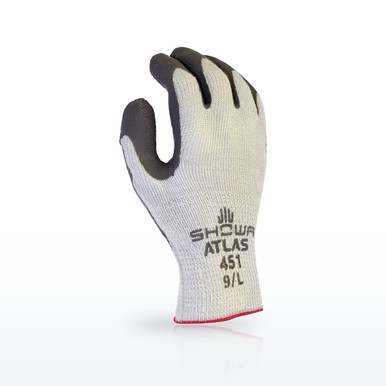
SHOWA 451S-07 Cold Weather Gloves, Natural Rubber Coated, Size 7 (S)
SHOWA 451S-07 Natural Rubber Coated, Size 7 (S)Manufacturer rating or type: Natural Rubber · Sold per pair
RatingNatural RubberPart451S-07
$3.19
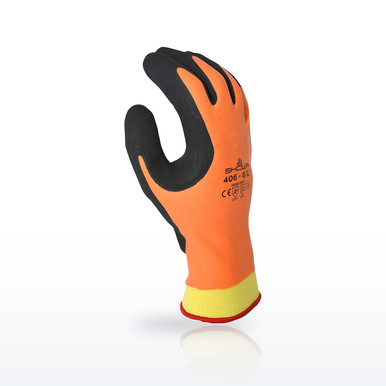
SHOWA Cold Weather Gloves, Natural Rubber Coated
SHOWA Natural Rubber CoatedManufacturer rating or type: Natural Rubber · Sold per pair
RatingNatural RubberPart406
$9.43
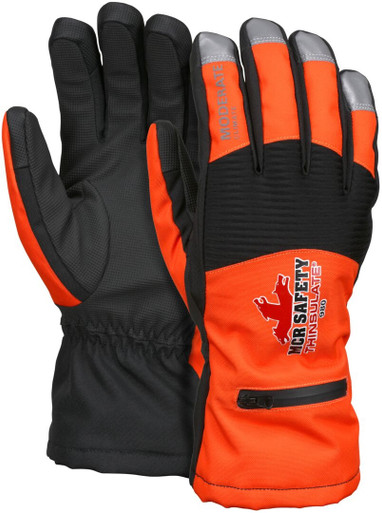
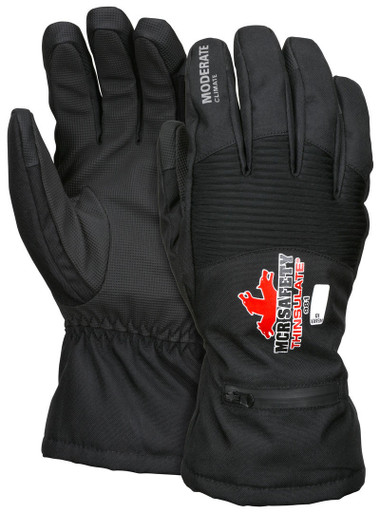
MCR Safety 980 Insulated Mechanics Gloves, 100-Gram Thinsulate Lining
MCR Safety 980 Insulated Mechanics Gloves, 100-Gram Thinsulate LiningManufacturer rating or type: Polyurethane · Sold per pair
RatingPolyurethanePart980
$34.99
MCR Safety 981 Insulated Mechanics Gloves, 100-Gram Thinsulate Lining
MCR Safety 981 Insulated Mechanics Gloves, 100-Gram Thinsulate LiningManufacturer rating or type: Polyurethane · Sold per pair
RatingPolyurethanePart981
$29.49
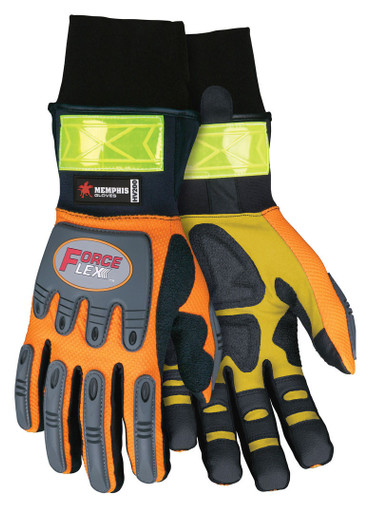
MCR Safety ForceFlex Mechanics HV200 Work Gloves, Thinsulate Lined for Warmth
RatingPVCPartHV200X
$37.99
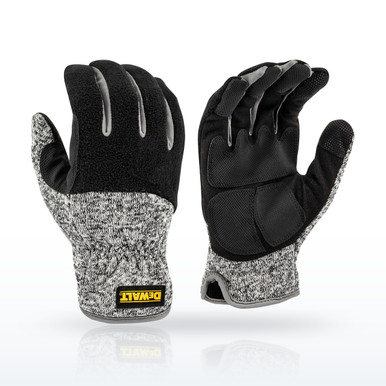
DEWALT DPG751 Fleece Slip-On Cold Weather Glove, PVC Coated
DEWALT DPG751 Fleece Slip-On Cold Weather Glove, PVC CoatedManufacturer rating or type: PVC · Sold per pack
RatingPVCPartDPG751
$77.49
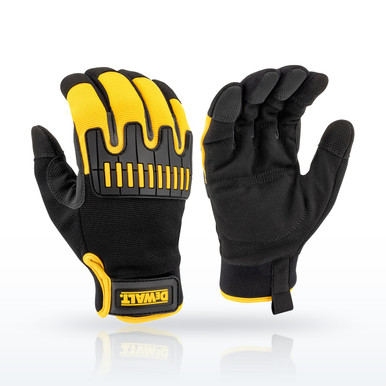
DEWALT DPG758 Impact Cold Weather Glove, PVC Coated
DEWALT DPG758 Impact Cold Weather Glove, PVC CoatedManufacturer rating or type: PVC · Sold per pack
RatingPVCPartDPG758
$111.00
Ansell 206421 Cold Weather Gloves, Natural Latex Rubber Coated
Ansell 206421 Natural Latex Rubber CoatedManufacturer rating or type: Latex · Sold per dozen
RatingLatexPart206421
$10.58
Northflex Cold Grip NF11HD Cold Weather Gloves, PVC Coated
Northflex Cold Grip NF11HD PVC CoatedManufacturer rating or type: PVC · Sold per dozen
RatingPVCPartNF11HD
$90.99
PIP 41-1425 Cold Weather Gloves, Latex Coated
PIP 41-1425 Latex CoatedManufacturer rating or type: Latex · Sold per dozen
RatingLatexPart41-1425
$46.99

ItemRatingPart numberPrice
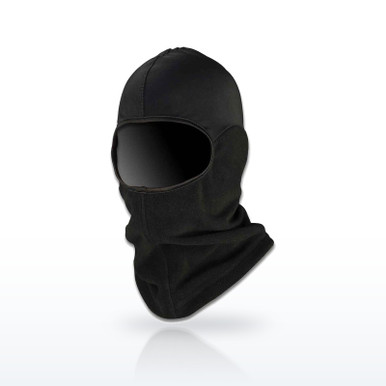
Ergodyne 16823 Hard Hat Winter Liners, N-Ferno Hinged Windproof Fleece Balaclava
Ergodyne 16823 N-Ferno Hinged Windproof Fleece BalaclavaManufacturer rating or type: Hinged fleece balaclava
RatingHinged fleece balaclavaPart16823
$15.30
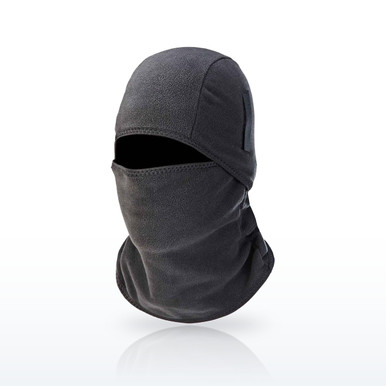
Ergodyne 16822 Hard Hat Winter Liners, N-Ferno Fleece Balaclava, Spandex Top
Ergodyne 16822 N-Ferno Fleece Balaclava, Spandex TopManufacturer rating or type: Fleece balaclava
RatingFleece balaclavaPart16822
$7.02
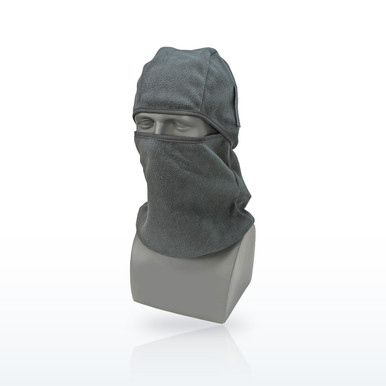
Ergodyne 16826 Hard Hat Winter Liners, N-Ferno 2-Piece Fleece Balaclava
Ergodyne 16826 N-Ferno 2-Piece Fleece BalaclavaManufacturer rating or type: 2-piece fleece balaclava
Rating2-piece fleece balaclavaPart16826
$10.32
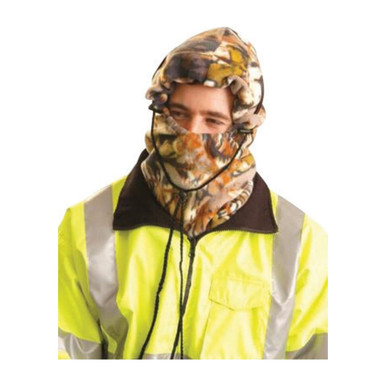
OccuNomix Hard Hat Winter Liners, Hot Rods 3-in-1 Fleece Balaclava
OccuNomix Hot Rods 3-in-1 Fleece BalaclavaManufacturer rating or type: 3-in-1 fleece balaclava
Rating3-in-1 fleece balaclavaPart1070
$13.91
Radians RWL26 Hard Hat Winter Liners, Nordic Blaze 3-in-1 Fleece Balaclava
Radians RWL26 Nordic Blaze 3-in-1 Fleece BalaclavaManufacturer rating or type: 3-in-1 fleece balaclava
Rating3-in-1 fleece balaclavaPartRWL26
$12.49
PIP 364-1195 Hard Hat Winter Liners, Thermal EXO Dual Layer Balaclava
PIP 364-1195 Thermal EXO Dual Layer BalaclavaManufacturer rating or type: Dual-layer balaclava
RatingDual-layer balaclavaPart364-1195
$20.49
PIP 364-1175 Hard Hat Winter Liners, Value Brushed Fleece Balaclava
PIP 364-1175 Value Brushed Fleece BalaclavaManufacturer rating or type: Fleece balaclava
RatingFleece balaclavaPart364-1175
$9.59
PIP 364-1180 Hard Hat Winter Liners, Wind Resistant Winter Balaclava
PIP 364-1180 Wind Resistant Winter BalaclavaManufacturer rating or type: Wind-resistant balaclava
RatingWind-resistant balaclavaPart364-1180
$12.99
PIP 364-1170 3-In-1 Polyester Fleece Winter Liner
PIP 364-1170 3-In-1 Polyester Fleece Winter LinerManufacturer rating or type: 3-in-1 fleece liner
Rating3-in-1 fleece linerPart364-1170
$11.49
PIP 363-1RL3QB Hard Hat Winter Liners, 3-Layer Polyester / Foam / Fleece Winter
PIP 363-1RL3QB 3-Layer Polyester / Foam / Fleece WinterManufacturer rating or type: 3-layer liner
Rating3-layer linerPart363-1RL3QB
$8.99

ItemRatingPart numberPrice
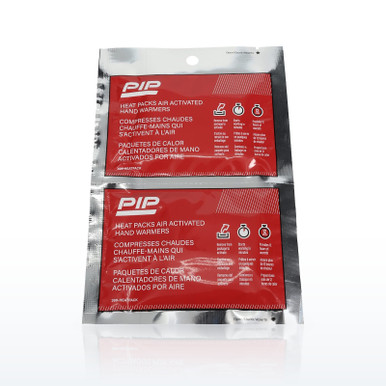
PIP 399-HEATPACK Hand Warmers & Heated Gear, Heat Packs, Air Activated Hand Warmers
PIP 399-HEATPACK Heat Packs, Air Activated Hand WarmersManufacturer rating or type: Air-activated heat packs
RatingAir-activated heat packsPart399-HEATPACK
$32.99
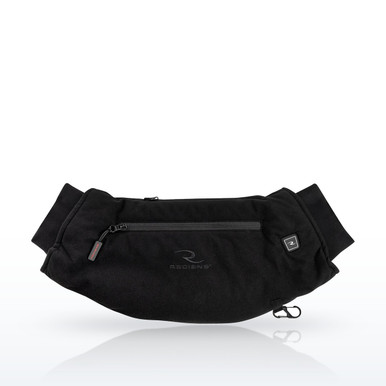
Radians RHG-A900 Hand Warmers & Heated Gear, Heated Hand Warmer Kit, Battery
Radians RHG-A900 Heated Hand Warmer Kit, BatteryManufacturer rating or type: Battery hand warmer kit
RatingBattery hand warmer kitPartRHG-A900
$103.00
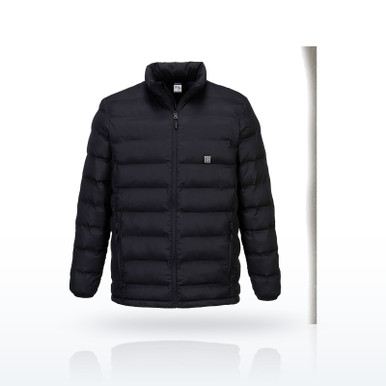
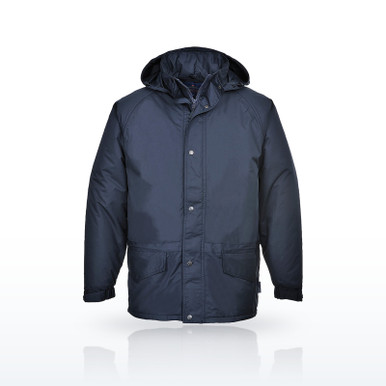
Portwest S557 Hand Warmers & Heated Gear, Ultrasonic Heated Tunnel Jacket
Portwest S557 Ultrasonic Heated Tunnel JacketManufacturer rating or type: Heated jacket
RatingHeated jacketPartS557BKR
$108.00
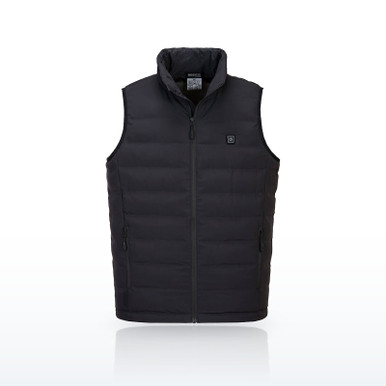
Portwest S558 Hand Warmers & Heated Gear, Ultrasonic Heated Tunnel Bodywarmer
Portwest S558 Ultrasonic Heated Tunnel BodywarmerManufacturer rating or type: Heated bodywarmer
RatingHeated bodywarmerPartS558BKR
$94.49
Portwest US530 Hand Warmers & Heated Gear, Hi-Vis Reversible Bodywarmer Vest
Portwest US530 Hi-Vis Reversible Bodywarmer VestManufacturer rating or type: Hi-vis bodywarmer
RatingHi-vis bodywarmerPartUS530NAR
$59.49
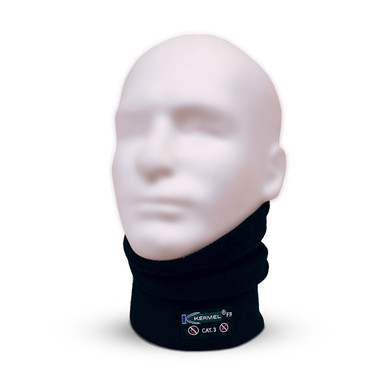
Portwest IKBJ56 Hand Warmers & Heated Gear, Kermel Neckwarmer
Portwest IKBJ56 Kermel NeckwarmerManufacturer rating or type: Neck warmer
RatingNeck warmerPartIKBJ56BKR
$15.49

All 140 cold-weather gloves we carry, rated and unrated, are on the work glove selector. Winter jackets and bodywarmers are in the hi-vis and cold weather wear categories.

Questions people ask

What is cold stress?

The body losing heat faster than it can produce it, so skin and then core temperature fall. The injuries are frostbite, trench foot and hypothermia.

Does OSHA have a cold weather standard?

No. OSHA says there is no specific cold-environment standard; employers must protect workers from cold stress as a recognized hazard under section 5(a)(1) of the OSH Act, and OSHA publishes its Cold Stress Guide on how.

At what temperature does cold stress start?

There is no fixed number. OSHA notes that in regions not used to winter, near-freezing temperatures count as extreme cold, that hypothermia can occur above 40°F in a worker wet from rain or sweat, and that trench foot can occur at 60°F with constantly wet feet.

What is wind chill?

The temperature the body feels when air temperature and wind speed are combined. Wind strips heat from exposed skin faster, so the same thermometer reading is more dangerous on a windy day.

What are the first signs of hypothermia?

Shivering and stomping the feet while still alert. When shivering stops and the worker becomes clumsy, confused or disoriented, it is severe; call 911.

Should you rub frostbite?

No. OSHA says rubbing causes more damage, and not to apply snow or water, break blisters, or rewarm the area before medical help; cover it loosely and get the worker to care.

How should workers dress for the cold?

OSHA: at least three loose layers, a wicking inner layer, an insulating middle layer that works wet, a wind- and rain-blocking outer layer, a hat or hood, insulated gloves and insulated waterproof boots.

Does the employer have to pay for winter gloves and coats?

Not for ordinary weather clothing; 1910.132(h)(4) exempts winter coats, gloves, boots and hats worn only for weather. Gloves selected for a non-weather hazard, such as cut-rated insulated gloves, are PPE the employer pays for.

What do the EN 511 numbers on a winter glove mean?

Convective cold 0 to 4, contact cold 0 to 4, water penetration 0 or 1, in that order; X means not tested. The full scale is in our cold-weather gloves guide.

Standards and ratings on this page are as published in the documents named and by the manufacturers named. The employer’s hazard assessment and written program decide what applies at a given workplace. Verify a rating on the product and its spec sheet before use.

Outfitting a crew for winter?Call (925) 215-7337 or email us the work and the weather and we will quote rated gloves, liners and warmers by the dozen. Orders over $199 ship free.
Work glove selector
Corporate AccountsContract pricing and inventory management available.
Live Service & SupportReal people who know the products, Monday to Friday 7:30am to 4pm Pacific. 925-215-7337
We DeliverWe ship nationwide. Parcel and LTL freight to job sites and businesses across the U.S.