
Glove liners: what they do and when to use them
A glove liner is a thin knit glove worn under another glove. It does one of four jobs. Under a leather or rubber glove in the cold it adds insulation. Under a rubber insulating glove or a chemical glove it absorbs sweat and keeps the rubber off the skin, so the outer glove goes on and off easily and lasts longer. For a worker allergic to latex or to a coating it puts a barrier between the glove and the hand; OSHA’s bloodborne pathogens standard names glove liners as one of the alternatives an employer must provide. And a cut-resistant knit worn under a leather or coated glove adds a cut level the outer glove does not have. The outer glove is sized to fit over the liner.
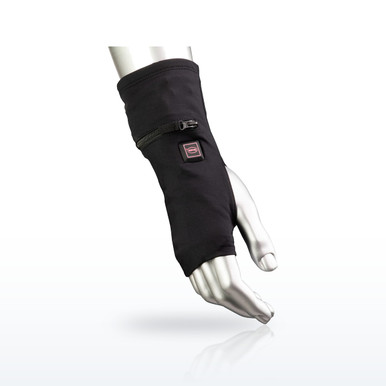
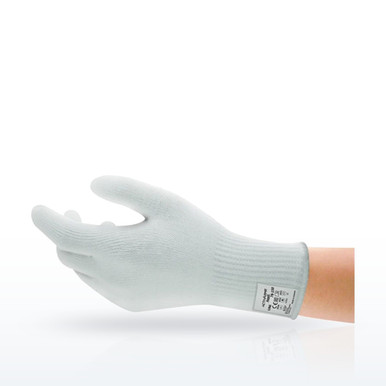 Ansell ActivArmr 222005 Thermolite glove linersSeamless knit, one size, EN 511 rated for contact cold
Why wear two gloves instead of one thicker one? Because the two layers do different things and wear out at different rates. A leather glove that is warm enough for January is too hot and too stiff in April; a thin liner under a standard leather glove gives the same warmth and comes out when the weather turns. A rubber insulating glove costs more than a hundred dollars and is retested every 6 months; a cotton liner inside it costs a few dollars, soaks up the sweat that would otherwise sit against the rubber, and is thrown away. The liner is the cheap, replaceable half of the pair.
What does a glove liner do?
Four jobs. Most liners are sold for one of them, and the manufacturer says which.
When does OSHA require a liner?
OSHA never requires a liner by name except in the allergy case above. What it requires is hand protection matched to the hazard: the employer selects gloves based on the performance characteristics of the glove relative to the task, the conditions present, the duration of use and the hazards identified. Where the hazard assessment turns up cold, wet, a chemical and a cut hazard on the same task, a liner under an outer glove is often how the employer meets all of them at once, and the assessment should say so.
29 CFR 1910.138(a) and (b); 1910.132(d) hazard assessment.Under a rubber insulating glove a liner is permitted and common, but it is not part of the electrical protection. The insulating glove and its leather protector are the equipment OSHA tests and inspects; the liner is for comfort and is changed as it gets damp.
29 CFR 1910.137(c)(2)(vii) (protector gloves over insulating gloves); manufacturer data for the Salisbury 89 series cotton liners, sold for use under rubber insulating gloves.How do you size gloves over a liner?
- Measure the hand as usual (around the palm, knuckles excluded, thumb excluded) and size the liner to that number. Most thermal and cotton liners come in one or two sizes and stretch.
- Size the outer glove one size up from the bare-hand size when the liner is a thermal knit; a thin cotton or 15-gauge cut liner usually does not change the outer size.
- Check the fingertips. If the outer glove bunches the liner at the tips, grip and dexterity drop and the outer glove wears through there first.
- For rubber insulating gloves, use the liner the glove manufacturer sells or names; the rubber glove size does not change.
How do you care for liners?
Liners are the layer that gets dirty, so they are washed often and the outer glove rarely. Cotton and polyester liners go through a normal warm wash and air dry or low tumble. Aramid and HPPE cut liners are washed in warm water, not hot, with no chlorine bleach for aramid, and dried at low heat; each manufacturer publishes its own temperature limit. A liner that has thinned at the fingertips or lost its stretch is replaced; at a few dollars a pair it is not worth a second shift.
Manufacturer laundering instructions (Ansell, MCR Safety); see our guide on washing cut-resistant gloves.Glove liners
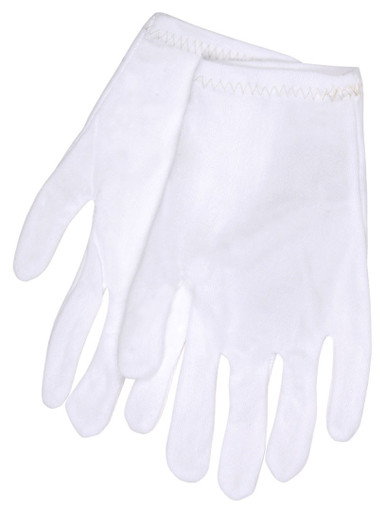
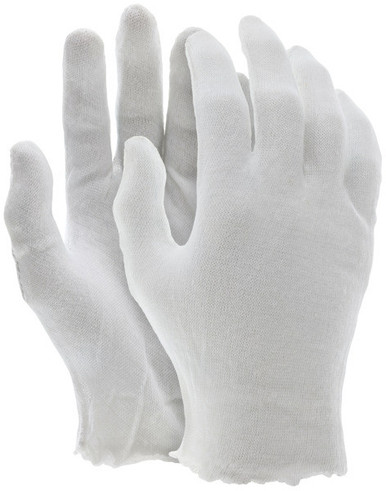
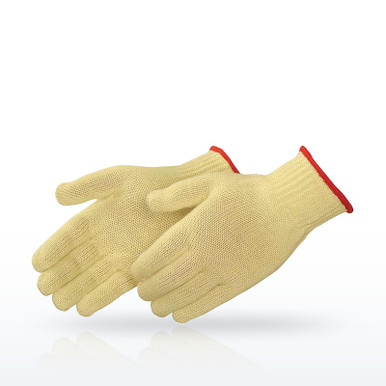
19 items · prices liveMaterial, rating and intended use are as published by each manufacturer. Items in the first two groups are sold as liners by their maker; the cut-resistant knits in the third group are sold as gloves and are worn alone or under an outer glove, with the manufacturer’s ANSI cut level shown. Free shipping on orders over $199.
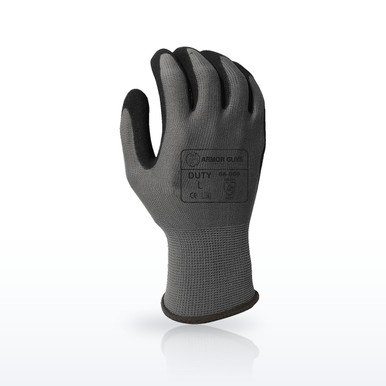
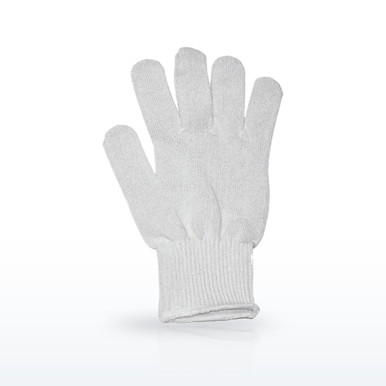
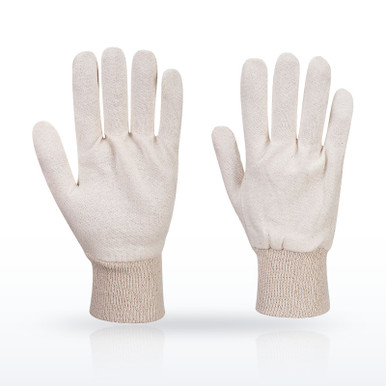

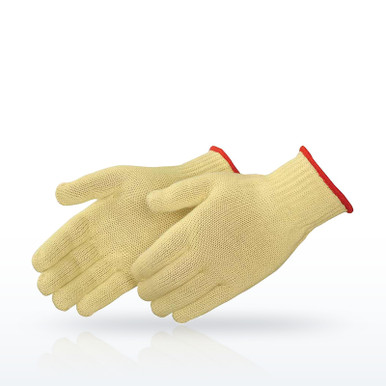
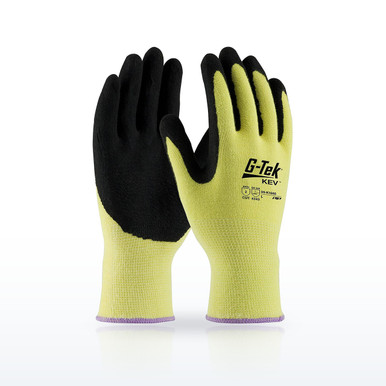
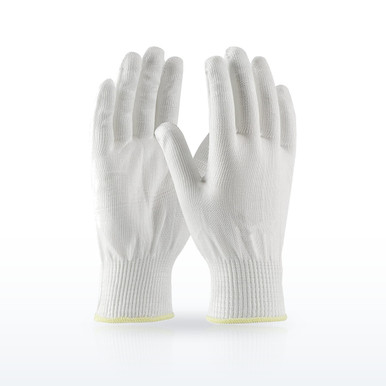
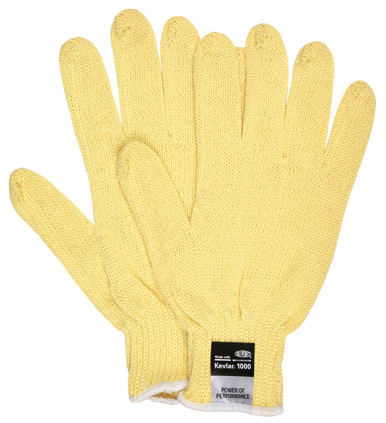
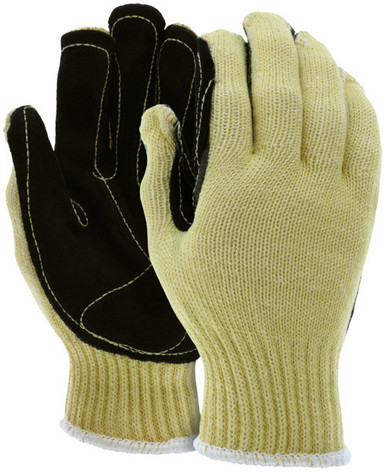
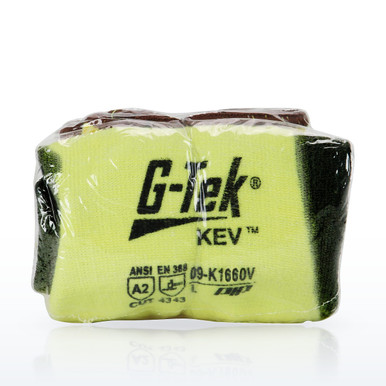
Every knit glove we carry, by gauge, yarn and cut level, is on the work glove selector.
Questions people ask
What is a glove liner?
A thin knit glove worn under another glove, for warmth, sweat absorption, an allergy barrier, or added cut protection.
Do glove liners keep your hands warm?
Yes, by adding an insulating layer and by keeping sweat off the skin. Thermal liners are often rated under EN 511 for contact cold; the rating is on the product page.
Does OSHA require glove liners?
Only as one of the alternatives an employer must provide to an employee allergic to the standard glove under the bloodborne pathogens standard (1910.1030(d)(3)(iii)). Otherwise the employer’s hazard assessment decides what goes on the hand.
Can you wear a liner under electrical gloves?
Yes. Cotton liners are sold for exactly that; they are not part of the electrical protection and are changed when damp. The rubber glove and its leather protector are what 1910.137 tests and inspects.
Do you size up when wearing a liner?
One size up on the outer glove for a thermal liner; usually no change for a thin cotton or 15-gauge liner. Check that the fingertips do not bunch.
Can a cut-resistant glove be used as a liner?
Yes. An uncoated HPPE or aramid knit under a leather or chemical glove adds the knit’s ANSI cut level to the pair. The cut level is the liner’s own rating.
How often do you replace liners?
When they thin at the fingertips, lose their stretch or no longer come clean. Cotton liners under rubber gloves are usually changed every shift.
Standards and ratings on this page are as published in the documents named and by the manufacturers named. The employer’s hazard assessment and written program decide what applies at a given workplace. Verify a rating on the product and its spec sheet before use.