
What do ANSI cut levels A1 to A9 mean? The ANSI/ISEA 105 scale
The ANSI cut level is the amount of force, in grams, that a straight blade needs to cut through a glove’s material in a lab test. A1 means 200 grams; A9 means 6,000 grams or more. The nine levels (A1 to A9) came in with the 2016 edition of ANSI/ISEA 105 and replaced the old 1 to 5 scale, which is why a glove marked “cut level 5” from before 2016 and an “A5” today are not the same thing. The level is printed on the glove.
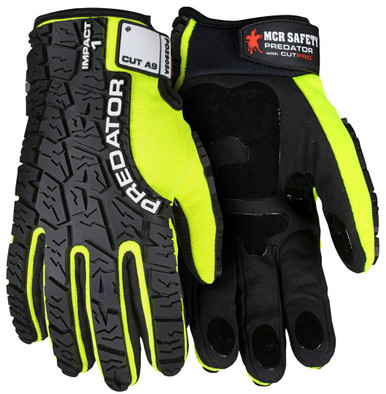
 MCR Safety CutPro 92724, ANSI A4Polyurethane-coated A4 cut-resistant glove, sold per pair
Why does the cut level matter? Hand lacerations are among the most common lost-time injuries in construction, manufacturing and warehousing, and most of them happen on a job where the worker was wearing a glove, just not one rated for the blade, the sheet metal or the glass in hand. The ANSI level is the one number that lets a safety officer match the glove to the hazard assessment instead of guessing from how thick it looks.
What do the levels mean?
The level is the cutting load the material withstood in the ASTM F2992 TDM-100 test. Higher is more cut-resistant.
ANSI/ISEA 105-2016 cut levels
| Level | Cutting load (grams) | Rough equivalent |
|---|---|---|
| A1 | 200 to 499 | Old level 1 |
| A2 | 500 to 999 | Old level 2 |
| A3 | 1,000 to 1,499 | Old level 3 |
| A4 | 1,500 to 2,199 | Old level 4 / EN 388 ISO level D |
| A5 | 2,200 to 2,999 | Old level 4 (upper half) / EN 388 ISO level E |
| A6 | 3,000 to 3,999 | Old level 5 / EN 388 ISO level F |
| A7 | 4,000 to 4,999 | Old level 5 |
| A8 | 5,000 to 5,999 | Old level 5 |
| A9 | 6,000 and above | Old level 5 |
The cutting load is the force on a straight blade, moving 20 mm across the material, at which it cuts through, measured on the TDM-100 machine per ASTM F2992-15. The old 1-to-5 scale used a different machine (the CPP tester) and different load bands, so the “rough equivalent” column is a guide only; a glove rated under the old scale should be read from its current ANSI/ISEA 105-2016 rating. EN 388 uses a different test (ISO 13997) and letters A to F; the EN 388 guide covers the conversion.
ANSI/ISEA 105-2016 Table 1; ASTM F2992-15; ANSI/ISEA 105-2011 (superseded) for the old levels.
How is the cut level tested?
A sample of the glove material is clamped on a machine called a TDM-100. A straight razor blade, new for every cut, is drawn across the sample under a set weight for 20 millimeters, and the machine records whether it cut through. The test is repeated at different weights until the lab finds the load at which the blade cuts through at exactly 20 mm. That load, in grams, is the cut level. The highest-rated layer is tested, not the whole glove, and a coating is not counted.
ASTM F2992-15, Standard Test Method for Measuring Cut Resistance of Materials Used in Protective Clothing with Tomodynamometer (TDM-100) Test Equipment; ANSI/ISEA 105-2016 section 5.1.What changed in 2016?
Before 2016, ANSI/ISEA 105 used five levels, allowed two different test machines, and lumped everything above 3,500 grams into level 5, so a glove that stopped 3,500 grams and one that stopped 6,000 carried the same mark. The 2016 edition kept only the TDM-100 test, split the range into nine levels, and added the letter A so a new rating could not be mistaken for an old one. The old bands were 1 (200 to 499 g), 2 (500 to 999), 3 (1,000 to 1,499), 4 (1,500 to 3,499) and 5 (3,500 and up). Any glove still marked with a bare number was rated before 2016.
ANSI/ISEA 105-2016, foreword and Table 1; ANSI/ISEA 105-2011.Does OSHA require a cut level?
OSHA does not name a level. 1910.138 requires hand protection where employees are exposed to cuts, lacerations and punctures, and 1910.132(d) requires the employer to assess the hazards and select PPE that protects against them. The ANSI level is the tool for making that selection defensible: the hazard assessment names the level, and the glove’s marking shows it was met. OSHA has cited employers under 1910.138 for cut injuries in gloves not suited to the hazard.
29 CFR 1910.138(a) and (b); 29 CFR 1910.132(d)(1).What does the level not tell you?
- Puncture resistance: a separate ANSI test and level (1 to 5), and a separate needle-stick test.
- Abrasion resistance: a separate level (0 to 6) on the same label.
- Impact protection on the back of the hand: ANSI/ISEA 138, levels 1 to 3.
- Protection from a moving or serrated blade, a saw, or a crush: the test is a straight blade under static load.
- Fit: a glove that slides on the hand puts the protection in the wrong place; the sizing guide covers that.
How do you read the glove label?
The ANSI cut level is printed on the back of the hand or the cuff as a shield icon with “ANSI CUT” and the level, A1 to A9. Many gloves also carry the EN 388 pictogram with its four numbers and letters; the two are different tests and the letter in the EN result is not the ANSI level. The product pages here show the manufacturer’s published ANSI level in the specs.
ANSI/ISEA 105-2016 section 7 (marking); EN 388:2016+A1:2018 clause 7.Cut-resistant gloves by ANSI level
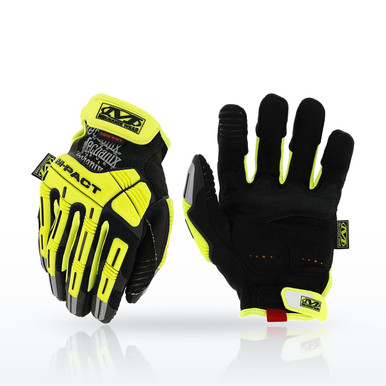
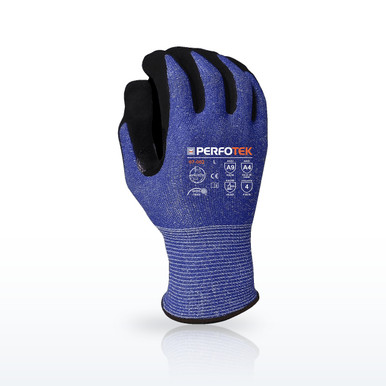
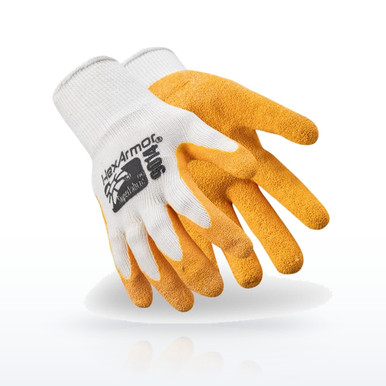
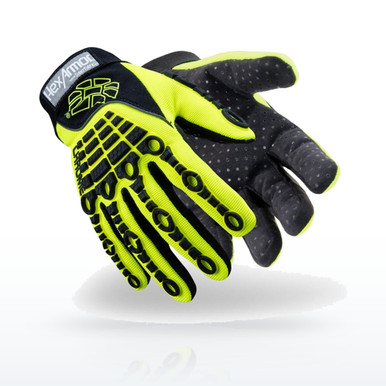
30 items · prices liveEach glove is listed at the ANSI/ISEA 105 cut level its manufacturer publishes; the level shown is the manufacturer’s rating. Free shipping on orders over $199.
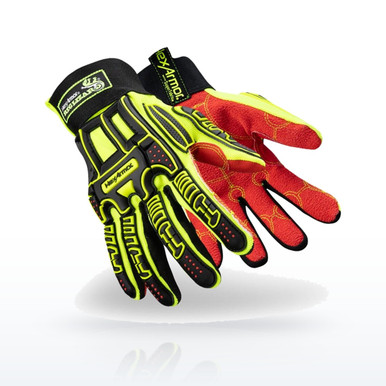
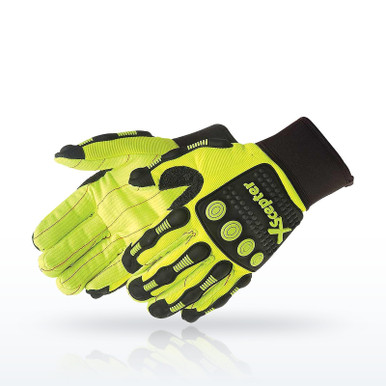
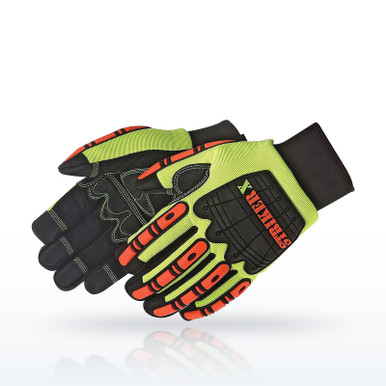
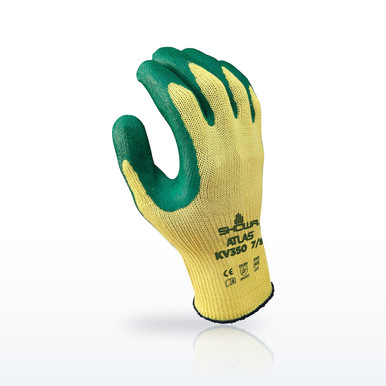
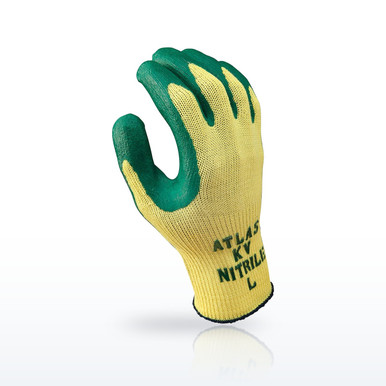
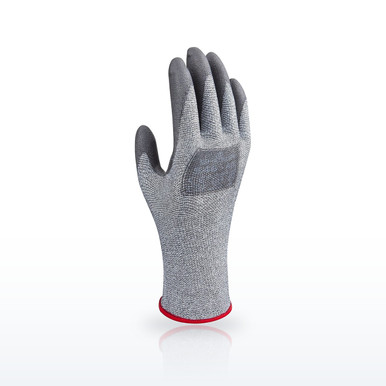
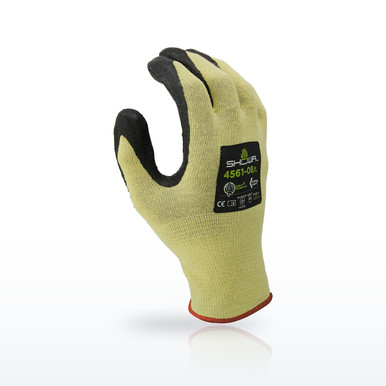
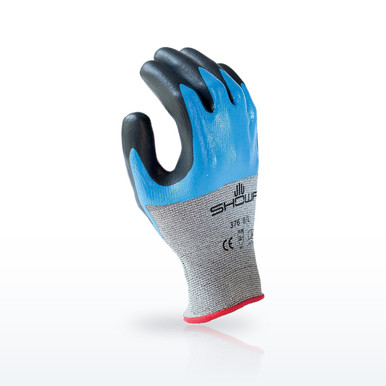
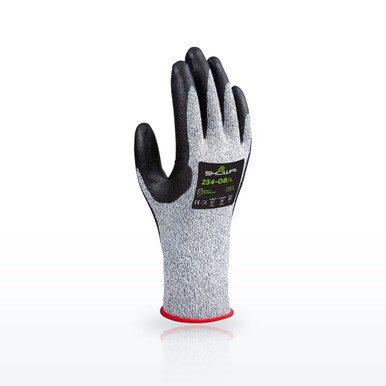
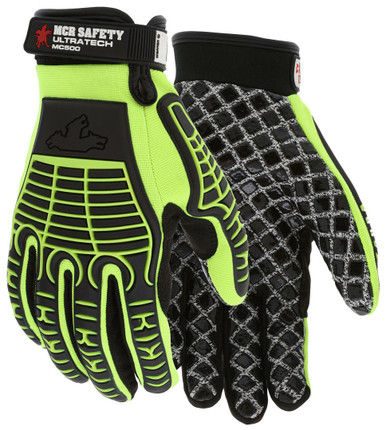
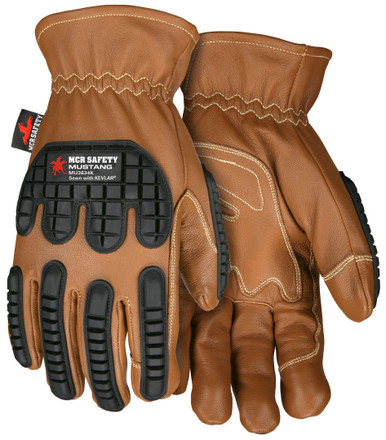
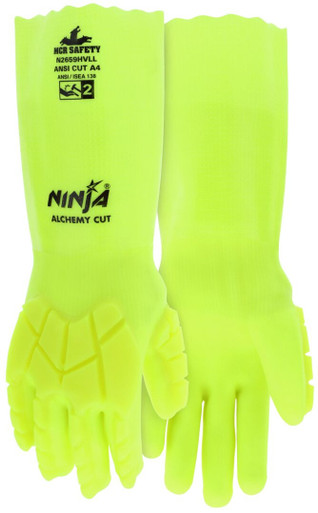
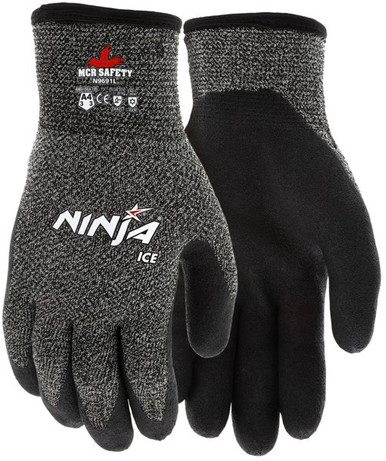
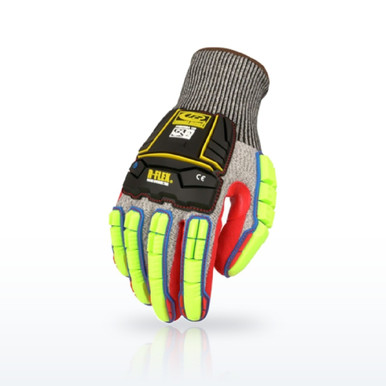
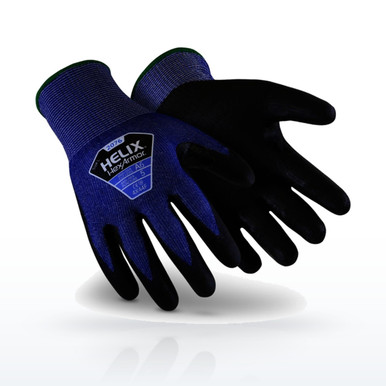
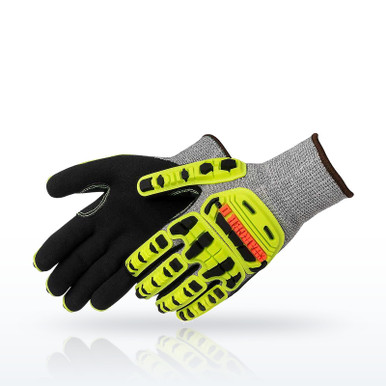
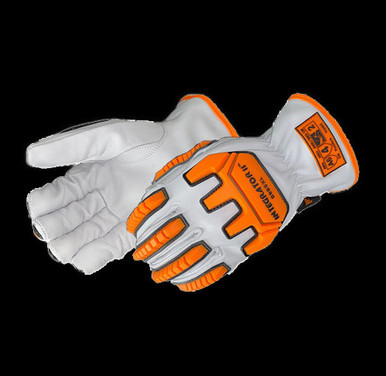
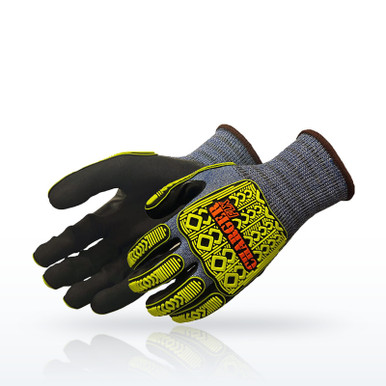
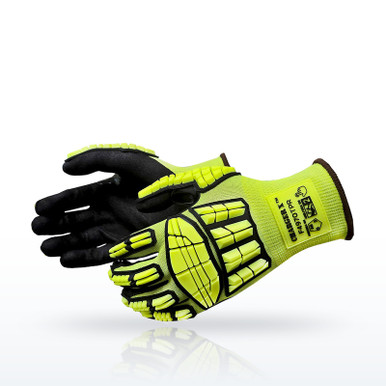
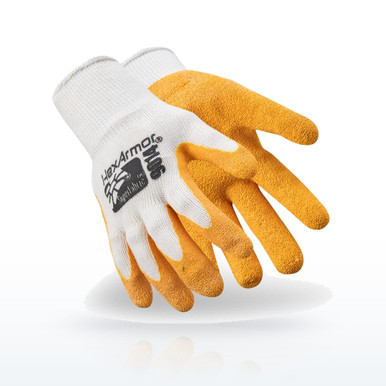
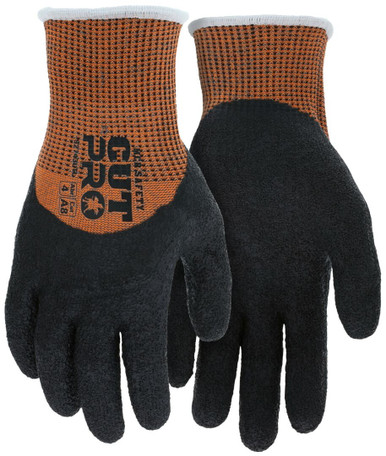
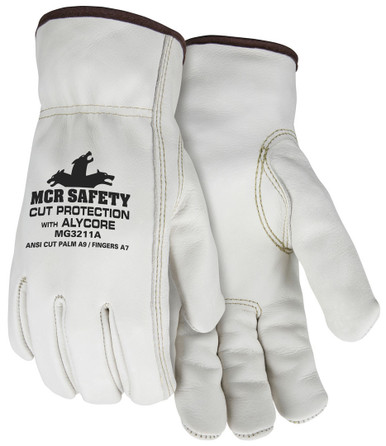
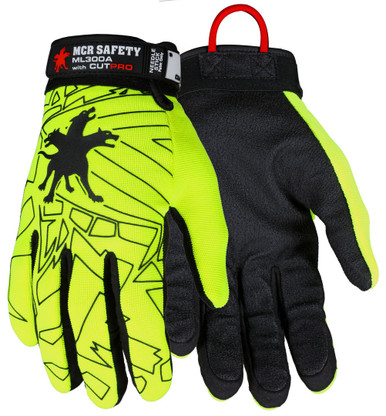
All 900-plus cut-resistant gloves we carry are on the work glove selector, filtered by level, coating and brand.
Questions people ask
What is the highest ANSI cut level?
A9, which means the material withstood 6,000 grams or more of cutting load in the TDM-100 test.
Is ANSI A4 good for cut protection?
A4 (1,500 to 2,199 grams) is the level most commonly specified for sheet metal, glass, HVAC and general construction. Whether it is enough for a given task is the employer’s hazard assessment, not the glove’s.
What is the difference between A4 and A5?
Cutting load: A4 is 1,500 to 2,199 grams, A5 is 2,200 to 2,999. A5 gloves are usually a heavier gauge or a steel or glass-fiber core.
Is cut level 5 the same as A5?
No. Level 5 is the pre-2016 scale (3,500 grams and up on a different machine); A5 is 2,200 to 2,999 grams on the TDM-100. An old level 5 is roughly A6 or higher.
How is cut resistance tested?
A straight blade is drawn 20 mm across the material under a known weight on a TDM-100 machine until it cuts through; the weight at cut-through is the level. (ASTM F2992-15.)
Does OSHA require a certain cut level?
No. OSHA requires hand protection suited to the hazard (1910.138) and a hazard assessment (1910.132(d)); the ANSI level is how the assessment is written and met.
Are cut-resistant gloves puncture-resistant?
Not necessarily. Puncture is a separate test and level on the ANSI label.
Standards and ratings on this page are as published in the documents named and by the manufacturers named. The employer’s hazard assessment and written program decide what applies at a given workplace. Verify a rating on the product and its spec sheet before use.