
How to wash FR and arc-rated clothing
FR and arc-rated clothing can be washed at home or by an industrial laundry, and washing done the way the manufacturer says does not wear off the protection. The fiber is flame resistant for the life of the garment, and ASTM F1506 fabrics are flame tested after 25 wash cycles. What damages FR clothing is what you add: chlorine bleach, fabric softener, starch and some stain removers leave residues that can burn or coat the fiber. So: wash separately from non-FR clothing, warm or hot water as the label allows, a regular liquid detergent, no bleach or peroxide bleach, no softener or dryer sheets, tumble dry on low or medium and take it out while slightly damp. Grease, oil and solvents must be washed out before the garment is worn again; if they will not come out, the garment is retired.
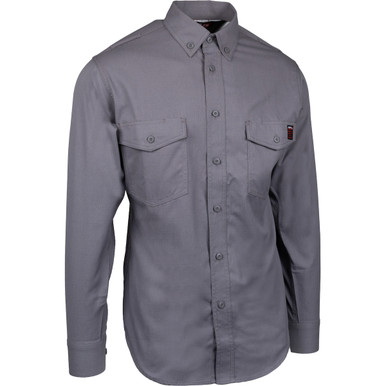 PIP 385-FRRS Arc Flash Clothing, AR/FR Dual-Certified Ripstop Long Sleeve WorkArc-rated, NFPA 2112 certified work shirt; the care label is on the product page
Why does washing matter if the fiber is FR? Flame resistance lives in the fiber, either built in (aramid, modacrylic) or bonded to it in a treatment that is meant to last the life of the garment. Washing does not remove it. What washing can do is leave something flammable on the surface. Chlorine bleach attacks treated cotton. Fabric softener and dryer sheets deposit a waxy, flammable film. Starch is a carbohydrate and burns. Soap residue from hard water does the same. Any of these can let a flame travel across a garment that would otherwise self-extinguish, which is why every manufacturer’s care label says the same few things.
What do the standards require about care?
The rule is short: follow the manufacturer. The pieces that say so.
How do you wash FR clothing at home?
- Read the care label first. It governs. The steps below are the common ground across the manufacturers whose garments are listed on this page; where a label differs, the label wins.
- Wash FR separately from non-FR clothing so lint from polyester and fleece does not transfer, and close zippers and hook-and-loop before washing to protect the fabric.
- Water temperature as the label allows. Most treated-cotton and cotton-blend garments are washed warm or hot; most aramid and modacrylic garments are washed warm. Hard water leaves mineral and soap residue, so use the full detergent dose and a second rinse if the water is hard.
- A regular liquid detergent. No chlorine bleach, no products containing bleach or hydrogen peroxide, no fabric softener, no dryer sheets, no starch, no stain removers that contain bleach or oil-based solvents.
- Pre-treat oil and grease with a liquid detergent rubbed into the spot, then wash. Heavily soiled garments may need a hotter wash or a second cycle; a garment that still smells of fuel or solvent after washing is not worn.
- Tumble dry low to medium and remove while slightly damp to limit shrinkage; do not over-dry. Line drying is fine. Ironing, where the label allows it, is on low.
- Inspect before wearing. Look for holes, thin spots, frayed seams, broken closures and any residue or discoloration. Damaged garments are repaired with FR materials or retired.
Can FR clothing be dry cleaned or sent to an industrial laundry?
Industrial laundering is the usual route for utilities and plants, and ASTM F1449 is written for it: controlled water temperature, detergent pH, rinse cycles and no softener or bleach. A laundry that handles FR clothing will say so and will follow the garment label. Dry cleaning is allowed by some manufacturers for heavily soiled garments, usually with a note that the garment must be aired until no solvent remains; others prohibit it. Check the label before sending any garment out.
ASTM F1449, Standard Guide for Industrial Laundering of Flame, Thermal, and Arc Resistant Clothing; manufacturer care instructions (dry cleaning is garment-specific).Arc flash suits and hoods are washed less often and more carefully. The hood’s face shield, hard hat and any fan are removed before the hood fabric is laundered; the shield is wiped with a soft cloth and a mild, non-alcohol cleaner. A suit that has been through an arc exposure is retired, whatever it looks like.
Manufacturer user guides for arc flash suits and hoods, as published; NFPA 70E-2024, 130.7(C)(13), cited at section level.When is an FR garment retired?
- Holes, tears or burn marks through the fabric, or thin, threadbare areas, especially at the knees, elbows and cuffs.
- Contamination with oil, grease, fuel or solvent that washing does not remove.
- Any repair or alteration done with non-FR thread, patches or trim, or a non-FR logo or reflective tape added to the garment.
- Exposure to an arc flash or flash fire, even without visible damage.
- Fit that no longer covers: sleeves rolled or torn, a shirt that cannot be tucked, a coverall too tight to close.
- A garment that has been bleached or softened repeatedly and no longer self-extinguishes in the manufacturer’s own guidance; when in doubt, replace it.
FR and arc-rated garments
32 items · prices liveEach item shows the arc rating its manufacturer publishes. Care instructions are on the product page and the garment label; the summary above does not replace them. Contractor Direct orders ship free.
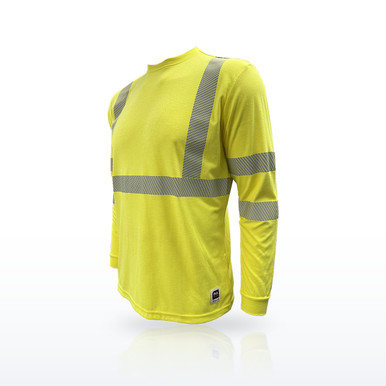
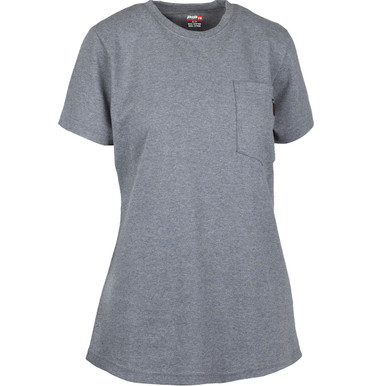
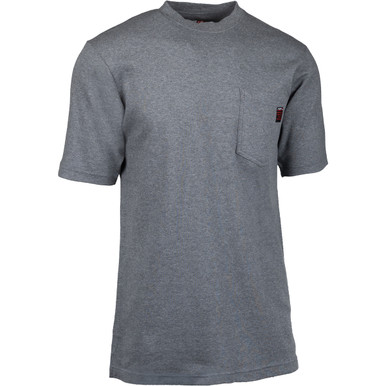
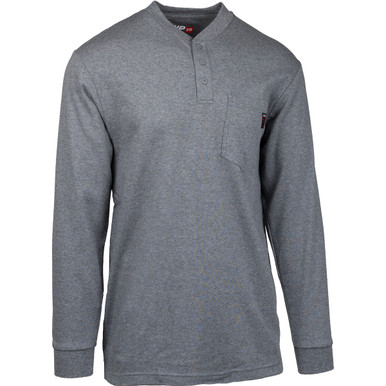
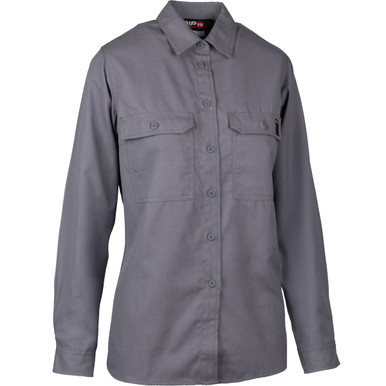
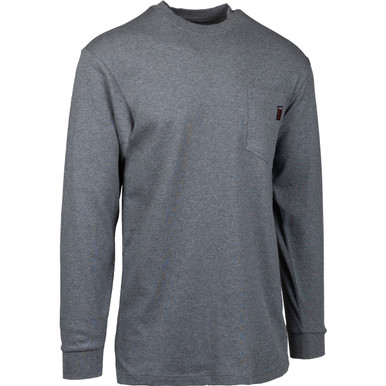
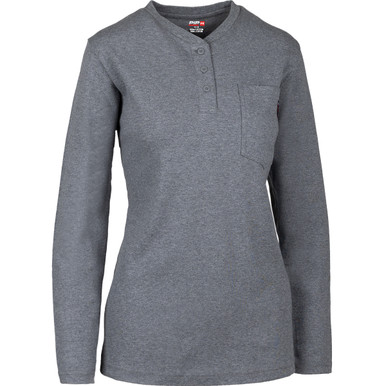
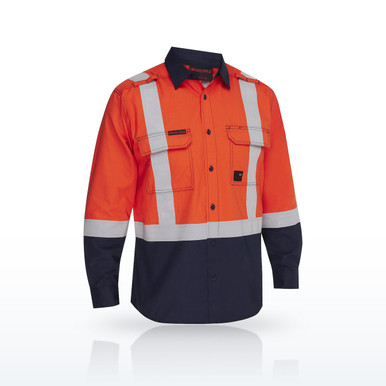
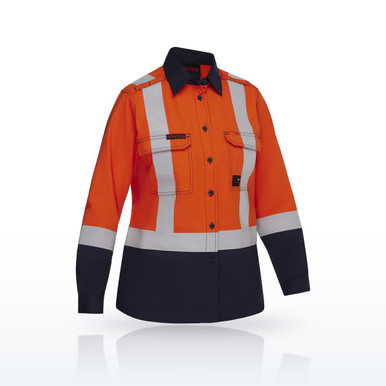
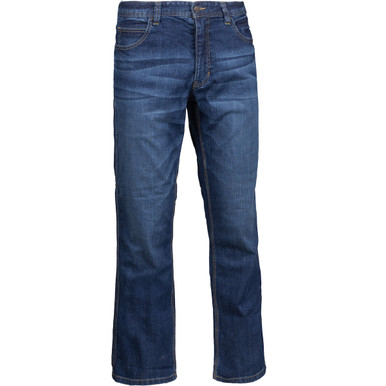
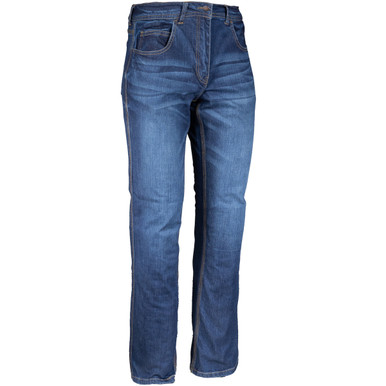
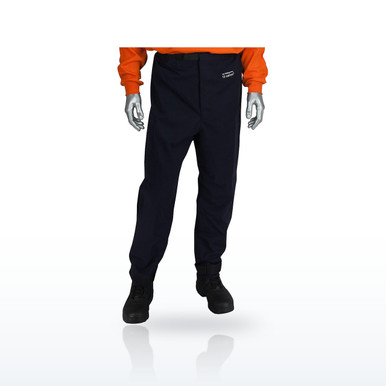
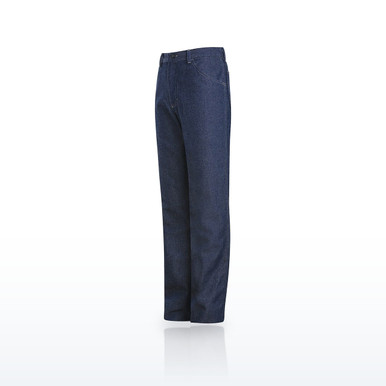
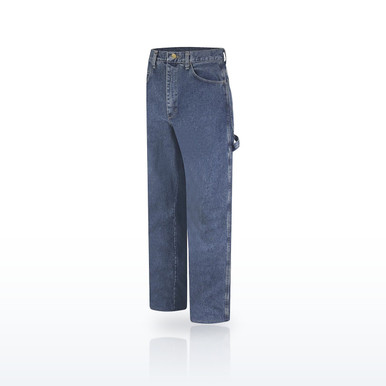
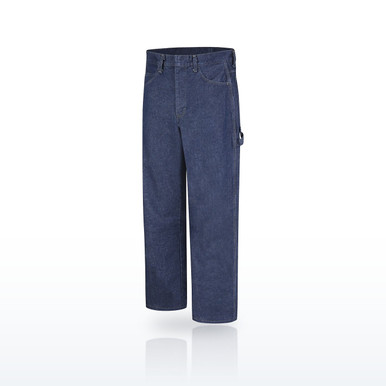
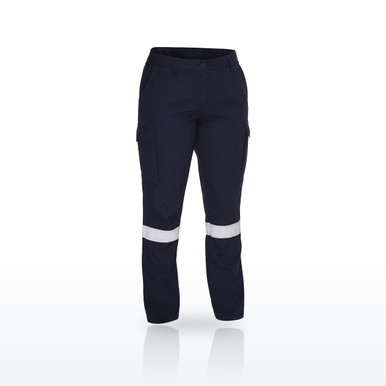
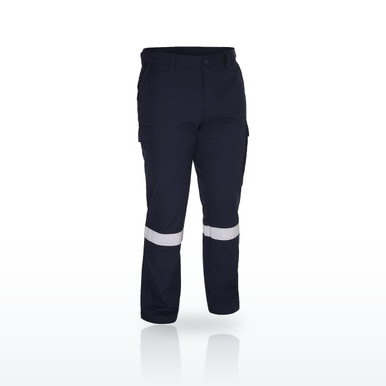
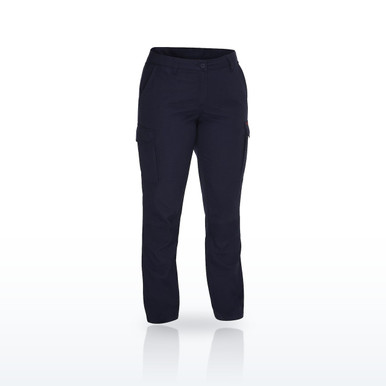
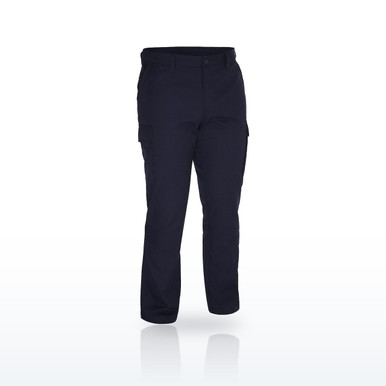
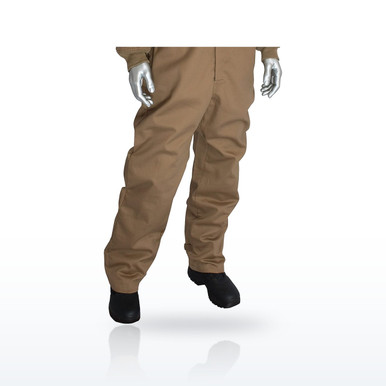
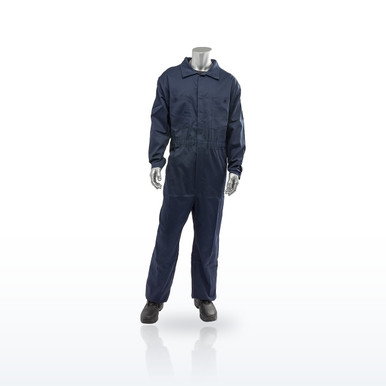
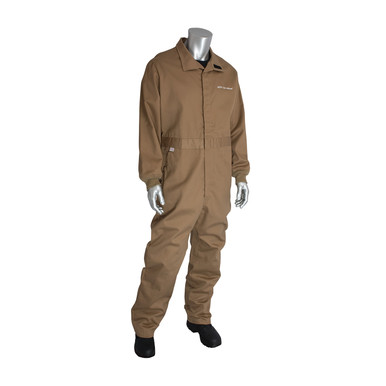
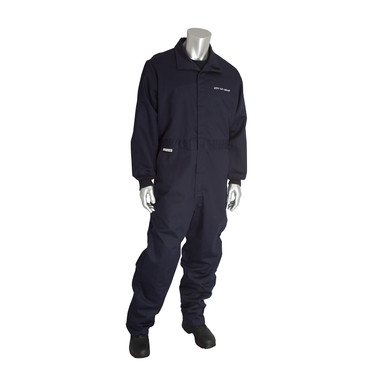
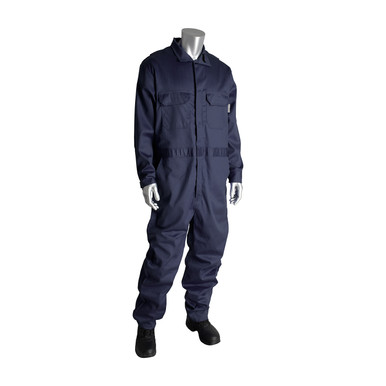
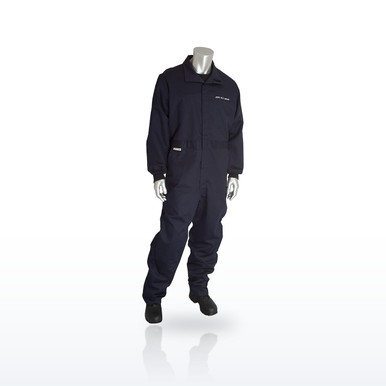
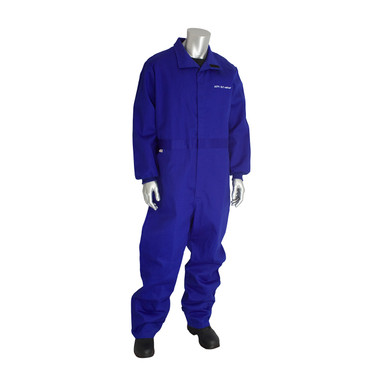
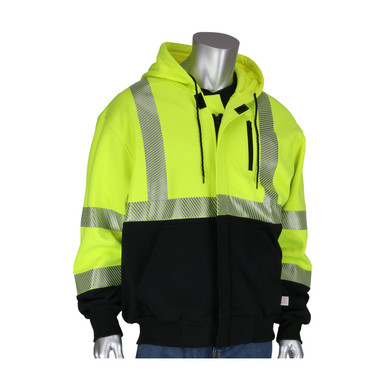
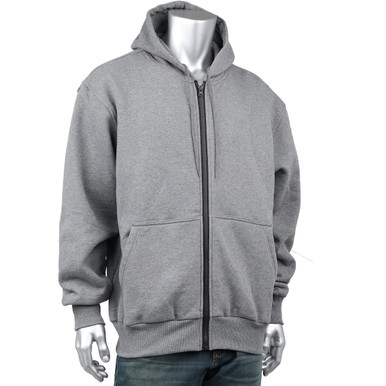
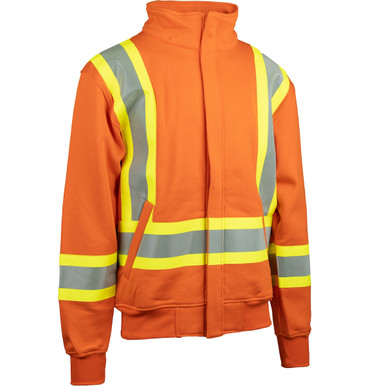
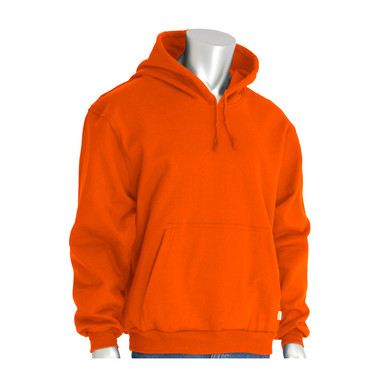
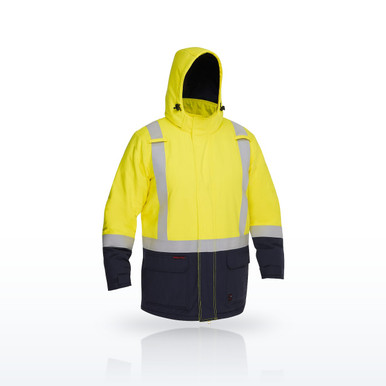
Arc flash suits, hoods and face shields are in the arc flash finder.
Questions people ask
Can you wash FR clothing in a regular washing machine?
Yes. Wash it separately from non-FR clothing, with a regular liquid detergent, at the temperature on the care label, and tumble dry on low to medium.
Does washing FR clothing remove the flame resistance?
No, not when it is washed as the manufacturer instructs. ASTM F1506 fabrics are flame tested after 25 washes. Bleach, fabric softener and starch residues are what reduce performance.
Can you use bleach on FR clothing?
No. Chlorine bleach and products containing bleach or hydrogen peroxide are prohibited by every manufacturer care label on this page; chlorine bleach damages FR-treated cotton.
Can you use fabric softener on FR clothing?
No. Softener and dryer sheets leave a flammable film on the fiber. The same goes for starch.
What temperature do you wash FR clothing at?
Whatever the care label says: warm or hot for most treated-cotton garments, warm for most aramid and modacrylic garments. Hot water helps remove oil and grease.
Can FR clothing be dry cleaned?
Some manufacturers allow it for heavily soiled garments, with the garment aired afterward; others prohibit it. Follow the garment label.
How long does FR clothing last?
Until it is damaged, contaminated beyond cleaning, altered with non-FR materials, or exposed to an arc or flash fire. There is no fixed number of washes or years in NFPA 70E or ASTM F1506; inspection decides.
Who has to pay for laundering FR clothing?
For electric utilities, OSHA says the employer is not required to launder or pay for laundering, but must train employees in proper laundering and inspect the clothing. Other employers follow their own PPE program under 1910.132.
Standards and ratings on this page are as published in the documents named and by the manufacturers named. The employer’s hazard assessment and written program decide what applies at a given workplace. Verify a rating on the product and its spec sheet before use.