
What does flame resistant mean, and how is FR clothing different from arc-rated clothing?
Flame resistant means the fabric will not keep burning once the flame is taken away: it self-extinguishes, does not melt onto the skin, and gives the wearer a few seconds to get out of a fire that would have set ordinary cotton or polyester alight. “FR” is the general term. “Arc-rated” is FR clothing that has also been tested against an electric arc and given a number, its arc rating in cal/cm². Every arc-rated garment is flame resistant; a garment labeled only FR, or only to the flash-fire standard, has not been rated for arc flash and cannot be used as if it had.
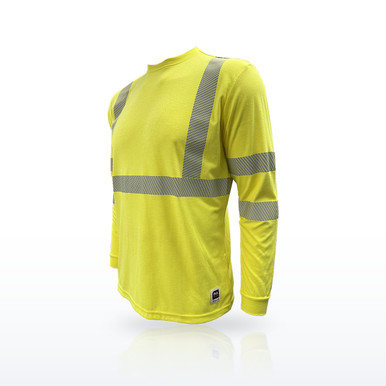 Reflective Apparel 205FRGS Arc Flash Clothing, ANSI Type R Class, 16 cal/cm2Arc-rated FR work shirt, Category 2
Why does FR clothing exist? In a flash fire or an arc flash the fire itself lasts a second or two. What kills and maims is clothing that catches and keeps burning against the skin, or synthetics that melt into it. Most serious burn injuries in those events are to the parts of the body covered by non-FR clothing that ignited. FR fabric takes that away: the flash still burns exposed skin, but the clothing stops being fuel.
FR vs arc-rated: what is the difference?
Two tests, two labels, one kind of fabric.
How does FR fabric work?
Two ways. Inherently flame-resistant fibers, such as aramids (Nomex, Kevlar), modacrylic blends and some others, are made of polymers that do not support combustion; the protection is in the fiber and cannot wash out. Treated fabrics, most often cotton or cotton-nylon blends, are impregnated with a flame-retardant chemical that bonds to the fiber and makes it self-extinguish; a properly treated fabric keeps its protection for the garment’s life, which is why the standards require it to survive 25 or 100 industrial launderings before the test. Neither kind is fireproof: the fabric will char and break open at high enough energy, which is what the arc rating measures.
ASTM F1506-22 section 7 (flame resistance after 25 launderings); NFPA 2112-2023 (after 100 launderings); manufacturer fabric data (Westex, DuPont, Glen Raven).What are the standards, one by one?
- NFPA 2112: flash fire. Sets the fabric tests (flame resistance, heat resistance, thermal shrinkage) and a full-garment manikin burn test with a 3-second exposure; a passing garment predicts no more than 50 percent body burn. Garments are third-party certified and labeled “NFPA 2112.” NFPA 2113 is the companion standard on selecting, using and maintaining them.
- ASTM F1506: arc flash fabric and garment standard. Requires flame resistance after laundering, basic strength tests, and an arc rating per ASTM F1959 printed on the label. This is what NFPA 70E requires on arc-rated clothing.
- ASTM F1959: the arc test that produces the rating. Fabric panels are exposed to arcs and the energy at which heat transfer reaches the burn threshold (ATPV) or the fabric breaks open (EBT) is reported; the lower of the two is the rating.
- NFPA 70E: tells the employer how much arc rating is needed (incident energy analysis or PPE category) and what to wear with it. It does not test garments.
- OSHA 1910.269 and 1910.132: require the employer to assess the hazard and provide clothing that will not ignite and, for electric power work, arc-rated clothing with a rating at or above the estimated incident energy.
Who does OSHA require to wear FR or arc-rated clothing?
Electric power generation, transmission and distribution workers, under 1910.269 and 1926 Subpart V: clothing that will not ignite and continue to burn, and arc-rated clothing matched to the incident energy, with a few exceptions for very low exposures. Anyone working on or near energized electrical equipment in general industry: 1910.335 requires protective equipment for the hazard, and NFPA 70E is how that is met. Oil and gas, refining and chemical workers exposed to flash fire: OSHA has enforced FR clothing under the general duty clause and in a 2010 enforcement memo for oil and gas well drilling, servicing and production. In each case it is the employer’s hazard assessment that triggers it and the employer who pays.
29 CFR 1910.269(l)(8)(ii) through (v); 29 CFR 1926.960(g); 29 CFR 1910.335(a)(1); OSHA Enforcement Policy for Flame-Resistant Clothing in Oil and Gas Drilling, Well Servicing, and Production-Related Operations (March 19, 2010); 29 CFR 1910.132(h).Reading an FR or arc-rated label
| On the label | What it tells you |
|---|---|
| NFPA 2112 (with a certification mark) | Certified for flash fire; not an arc rating |
| ASTM F1506 | Arc-rated clothing standard; look for the number next to it |
| ATPV 8.7 cal/cm² | Arc rating by heat transfer: the energy at which a second-degree burn is 50 percent likely through the fabric |
| EBT 12 cal/cm² | Arc rating by breakopen: the energy at which the fabric tears open; reported instead of ATPV when it comes first |
| PPE CAT 2 (or HRC 2 on older labels) | The NFPA 70E category the rating meets: CAT 1 needs 4, CAT 2 needs 8, CAT 3 needs 25, CAT 4 needs 40 cal/cm² |
| FR only, no standard named | Self-extinguishing by the maker’s own test; not certified to either standard and not usable for arc flash |
| Care instructions | How to wash without stripping treated fabric; whether home laundering is allowed |
HRC (hazard risk category) is the pre-2015 name for PPE category; the numbers mean the same. A rating on a single garment applies to that garment; when layers are worn, the system rating is higher than the sum of the layers but must be tested as a system to be claimed. Rainwear, hi-vis vests and winter liners worn over arc-rated clothing must themselves be arc-rated or they become fuel.
ASTM F1506-22 section 10 (labeling); NFPA 70E-2024 Table 130.7(C)(15)(c) and 130.7(C)(9) (layering); NFPA 2112-2023 chapter 5 (labeling).
How do you wash FR clothing?
- Follow the garment label; most FR and arc-rated workwear can be home laundered.
- No chlorine bleach, no fabric softener, no starch: they coat or damage the fibers and can mask the FR treatment with flammable residue.
- Wash separately from greasy or oily clothes; oil and grease soaked into the fabric will burn even if the fabric itself will not. Heavily soiled garments go to an industrial laundry that handles FR.
- Warm water, normal cycle, tumble dry low or line dry; high heat shrinks some fabrics.
- Repair with FR thread and fabric only; a non-FR patch is a hole in the protection.
- Retire a garment that is threadbare, torn, contaminated with something that will not wash out, or that has been through an arc or fire.
FR and arc-rated garments by rating
20 items · prices liveEach garment is listed at the arc rating its manufacturer publishes; NFPA 2112 certification is noted on the product page where the manufacturer claims it. The rating required for your work comes from the employer’s assessment. Free shipping on orders over $199.
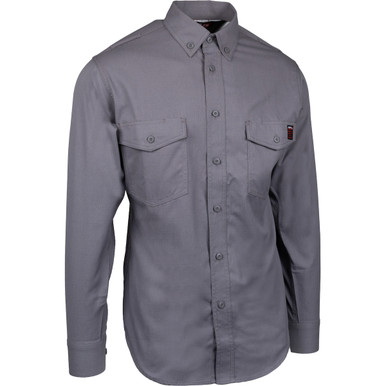
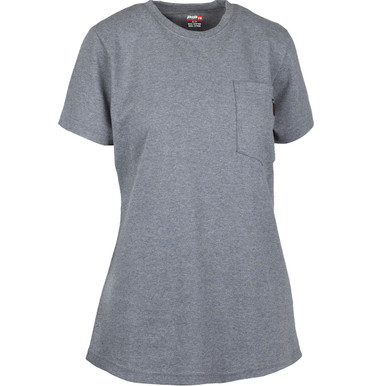
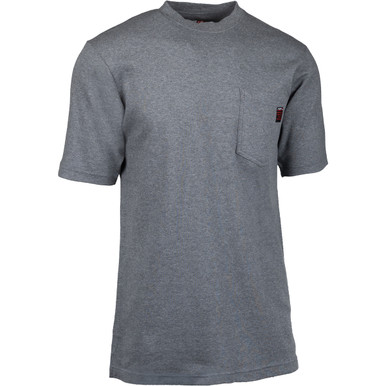
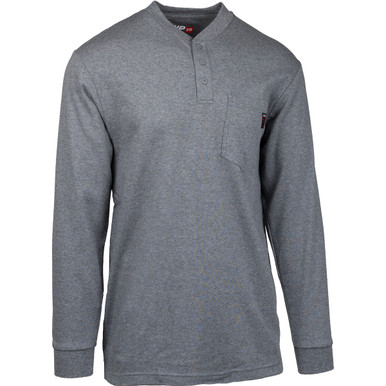
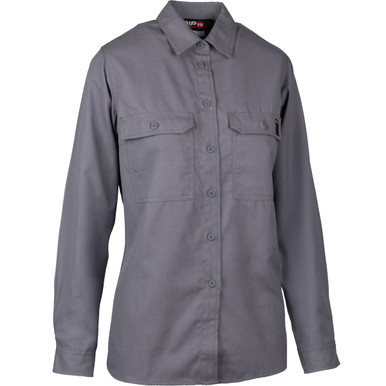
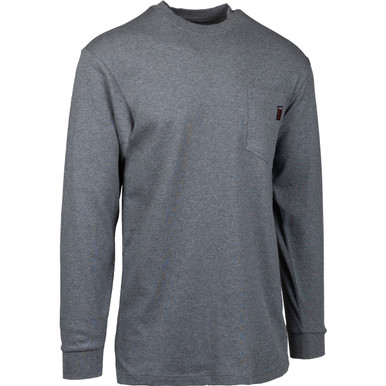
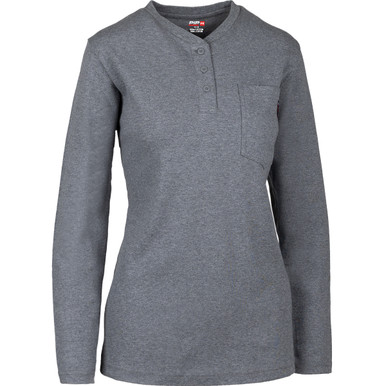
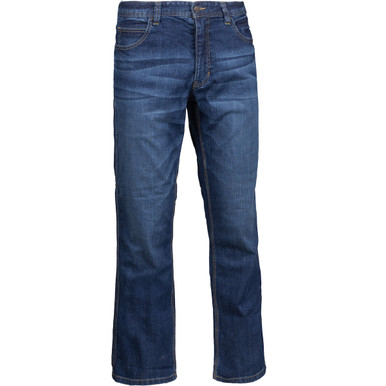
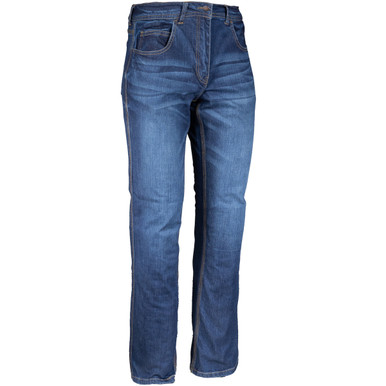
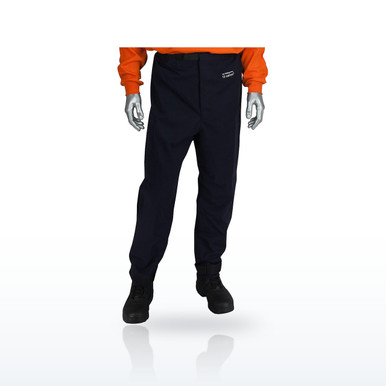
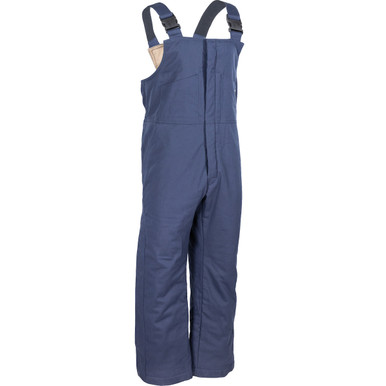
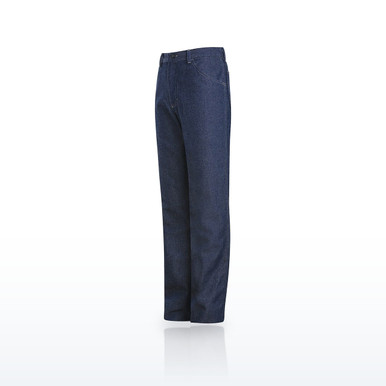
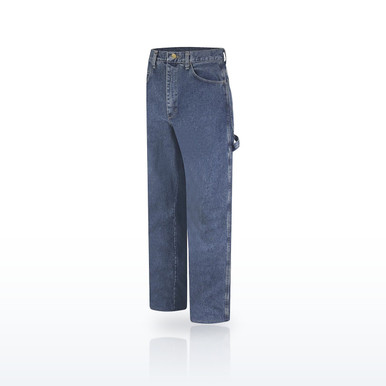
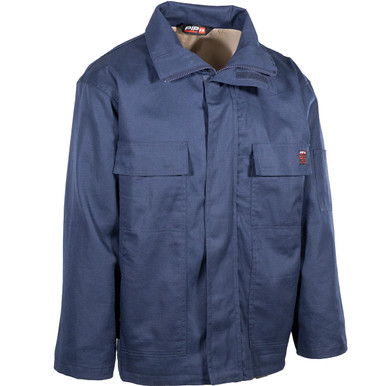
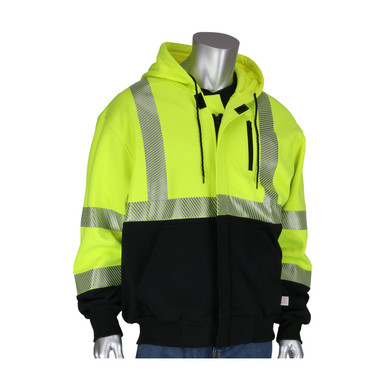
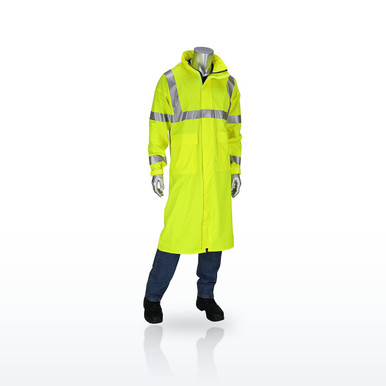
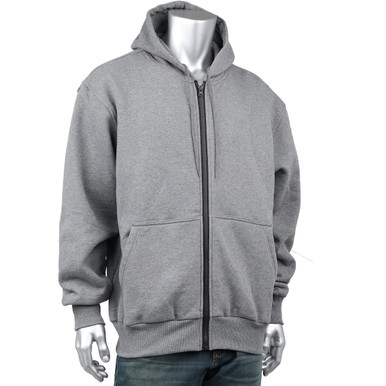
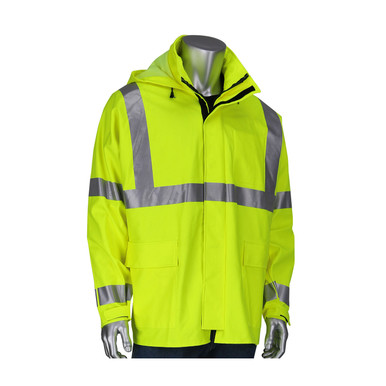
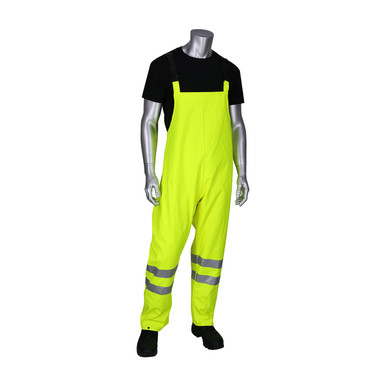
Every FR and arc-rated garment we carry, filtered by rating band and garment type, is on the arc flash finder.
Questions people ask
What does FR stand for on clothing?
Flame resistant: the fabric self-extinguishes when the flame is removed and does not melt. Some makers write “flame retardant” for treated fabrics; the standards use “flame resistant” for both.
Is flame resistant the same as fireproof?
No. FR fabric will char and break open at high enough energy. It stops the clothing from being fuel; it does not stop the heat of the flash itself.
What is the difference between FR and arc-rated?
Arc-rated clothing is FR clothing that has also been tested against an electric arc and given a rating in cal/cm². FR without an arc rating cannot be used for arc flash protection.
What is the difference between NFPA 2112 and NFPA 70E?
NFPA 2112 is a garment standard for flash fire. NFPA 70E is a work-practice standard for electrical safety that tells you how much arc rating you need. A garment is certified to 2112; it is selected under 70E.
Can you wash FR clothing at home?
Usually yes, per the label: warm water, no bleach, no softener, separate from oily clothes, low heat. Heavy oil contamination needs an industrial FR laundry.
Does FR clothing expire?
Not by date. It is retired when worn thin, torn, permanently contaminated, or after exposure to an arc or fire. Treated fabrics are certified to keep their protection through the garment’s normal life of washing.
Who is required to wear FR clothing?
Workers OSHA has identified as exposed to flash fire or arc flash: electric utility work under 1910.269, electrical work under 1910.335 and NFPA 70E, and oil and gas operations under OSHA’s 2010 enforcement policy. The employer’s hazard assessment decides and the employer pays.
Can you wear a regular T-shirt under FR?
Only non-melting natural fibers (cotton, wool, silk) or FR underlayers. Polyester, nylon, acrylic and blends with them can melt into the skin and are prohibited under FR by NFPA 70E.
Standards and ratings on this page are as published in the documents named and by the manufacturers named. The employer’s hazard assessment and written program decide what applies at a given workplace. Verify a rating on the product and its spec sheet before use.