
What is an arc rating (ATPV and EBT), and how is it measured?
An arc rating is the amount of arc flash heat a fabric can take before the person wearing it is likely to be burned through it. It is measured in calories per square centimeter (cal/cm²) under ASTM F1959 and printed on the garment label as ATPV or EBT. ATPV is the energy at which there is a 50 percent chance of a second-degree burn through the fabric. EBT is the energy at which there is a 50 percent chance the fabric breaks open. Whichever happens first at the lower energy is the rating. A garment rated 8.9 cal/cm² ATPV is worn where the incident energy on the equipment label is 8.9 or less. Arc ratings do not add: two 8 cal/cm² layers are not 16 unless the pair was tested together.
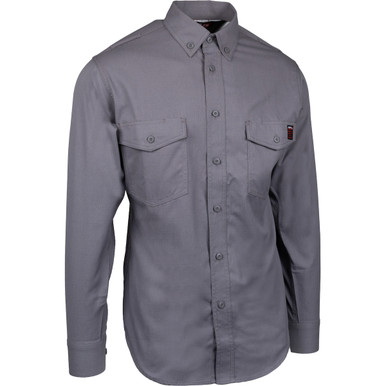 PIP 385-FRRS Arc Flash Clothing, AR/FR Dual-Certified Ripstop Long Sleeve WorkArc-rated work shirt; the manufacturer’s ATPV is on the label and the product page
Why is the rating a probability and not a limit? Fabric does not fail at one clean number. Across many test exposures, a given fabric lets enough heat through to burn skin on some shots and not others, and the amount of heat that gets through rises with the energy of the arc. ASTM F1959 fires a series of arcs at the fabric at different energies, records which exposures would have produced a second-degree burn behind the fabric and which broke the fabric open, and fits a curve to the results. The 50 percent point on that curve is the rating. It is a statistical threshold, which is why NFPA 70E requires the rating to be equal to or greater than the incident energy, never below it.
What do the terms on the label mean?
The vocabulary of ASTM F1959 and NFPA 70E Article 100.
How is an arc rating measured under ASTM F1959?
- Fabric panels are mounted on sensor boards facing an open electric arc between two electrodes, at a fixed distance, with copper calorimeters behind the fabric and bare calorimeters beside it to measure the incident energy.
- An 8,000-ampere arc is struck for a set duration. Changing the duration changes the energy delivered. Each exposure is one data point.
- The sensors behind the fabric record the heat that got through, and the test compares it to the Stoll curve, the skin burn prediction model, to decide whether that exposure would have produced a second-degree burn.
- The fabric is inspected for breakopen after each exposure: any hole, tear or opening of at least 1.6 cm² counts.
- Exposures are repeated at a range of energies on about 20 panels, and a logistic regression finds the energy at which burn (ATPV) or breakopen (EBT) has a 50 percent probability.
- The lower of the two is reported as the arc rating. If EBT is at or below ATPV, the label says Arc Rating (EBT). If ATPV is lower, it says Arc Rating (ATPV). Either way, the number is used the same way against the incident energy on the equipment label.
The test is run on the fabric, not the finished garment. ASTM F1506 is the garment specification that requires the fabric to be arc rated under F1959, to pass a vertical flame test after 25 wash cycles, and to carry the rating on the garment label.
How do you use the number?
Read the equipment label. It shows either the incident energy at a working distance (for example, 6.4 cal/cm² at 18 inches) or an arc flash PPE category. If it shows incident energy, every layer that counts toward protection must have an arc rating at or above that figure; NFPA 70E Table 130.5(G) lists the clothing and equipment for exposures up to 12 cal/cm² and above 12 cal/cm². If it shows a category, Table 130.7(C)(15)(c) sets the minimum rating: 4 for Category 1, 8 for Category 2, 25 for Category 3, 40 for Category 4.
NFPA 70E-2024, 130.5(G) and Table 130.5(G); Table 130.7(C)(15)(c).Layers do not add arithmetically. An 8 cal/cm² shirt over an 8 cal/cm² T-shirt is not 16; the air gap between layers usually gives more than the sum, but the only number that counts is a rating from a multilayer arc test of that specific combination. Manufacturers publish system ratings for their own garments worn together. A non-arc-rated layer, such as a cotton T-shirt, adds nothing to the rating even though NFPA 70E allows it underneath.
NFPA 70E-2024, 130.7(C)(9), layering and underlayers, cited at section level; ASTM F1959 multilayer testing.Hoods, face shields and gloves are rated the same way under their own methods: ASTM F2178 for face protective products, with the result also in cal/cm². The rating on a face shield or hood has to meet the same incident energy as the clothing.
NFPA 70E-2024, 130.7(C)(10), arc flash protective equipment, and Table 130.7(C)(14) standards for PPE; ASTM F2178.Why do two garments with the same fabric weight have different ratings?
- Fiber type. Aramid, modacrylic blends and treated cotton all insulate differently and break open at different energies.
- Weave and weight. A heavier fabric usually rates higher, but a tight knit can break open sooner than a woven of the same weight, which is why knits often carry EBT ratings.
- Moisture and finish. The test uses conditioned, laundered fabric; a garment soaked in oil or coated with starch or fabric softener can perform below its rating in use.
- The rating is for the fabric as tested. Repairs with non-FR thread, non-FR patches or added logos can change what the garment does in an arc.
Arc-rated garments by manufacturer rating
34 items · prices liveThe rating shown is the ATPV or EBT the manufacturer publishes for that garment, in cal/cm². Match it to the incident energy on the equipment label. Free shipping on orders over $199.
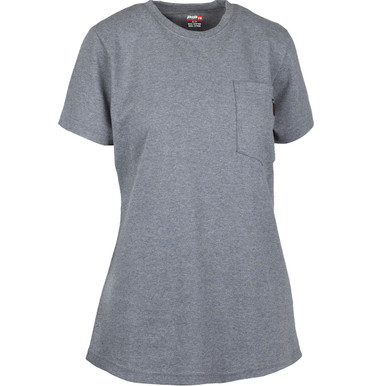
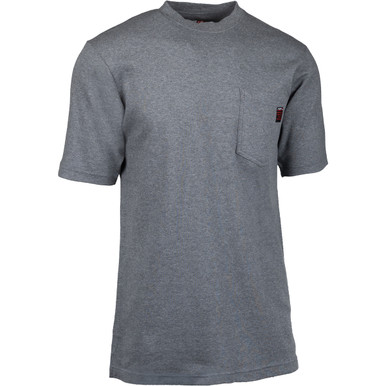
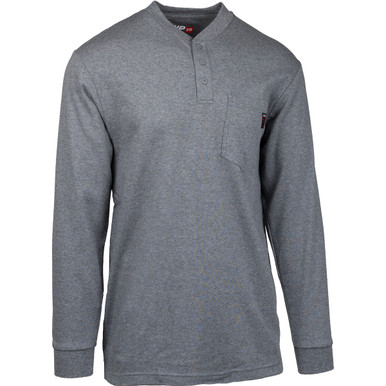
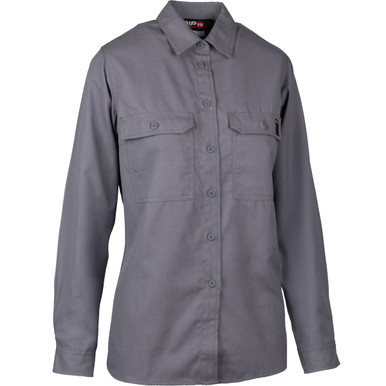
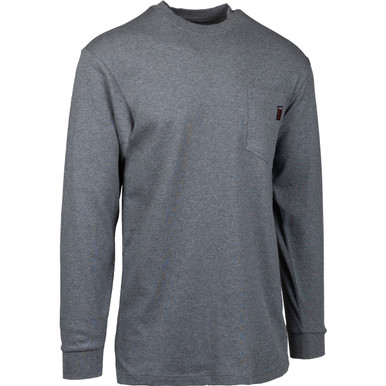
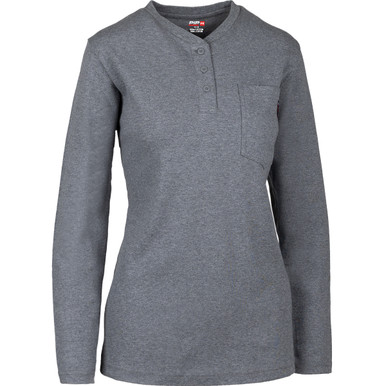
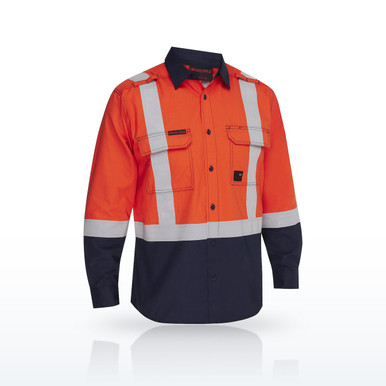
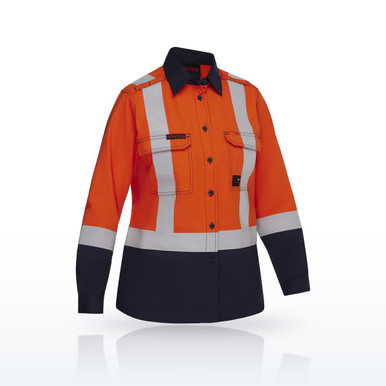
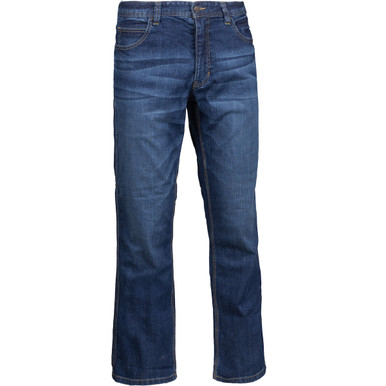
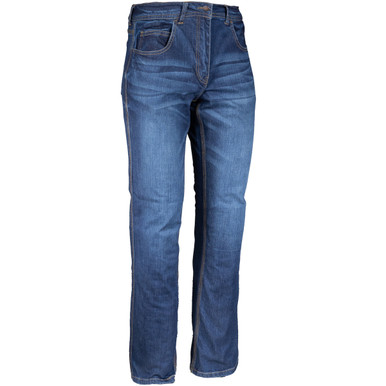
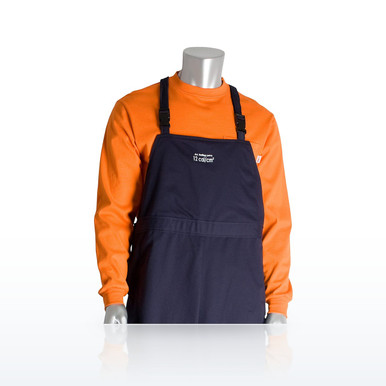
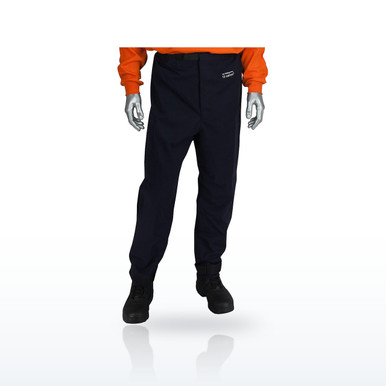
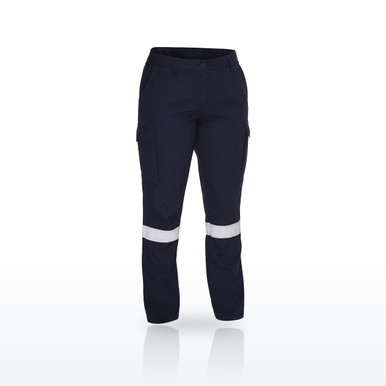
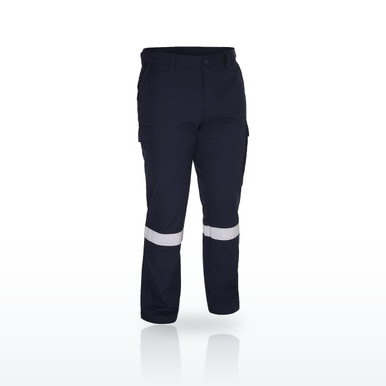
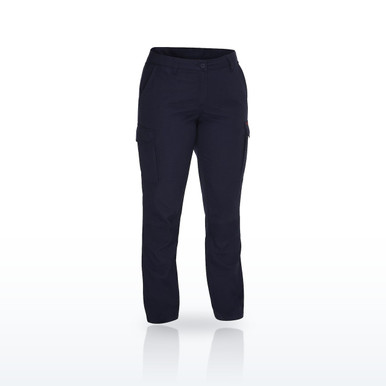
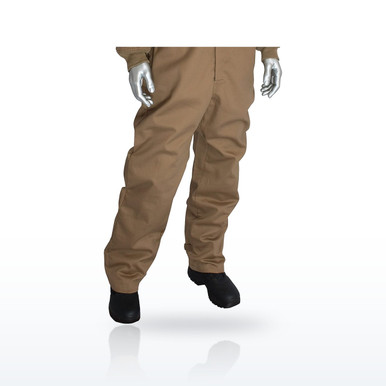
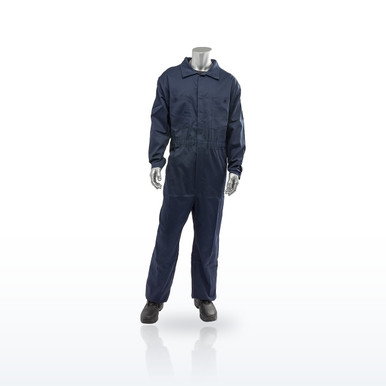
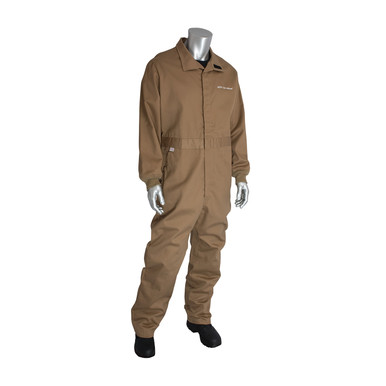
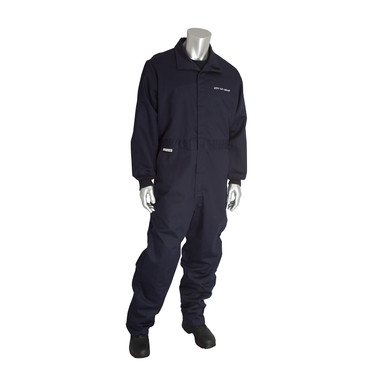
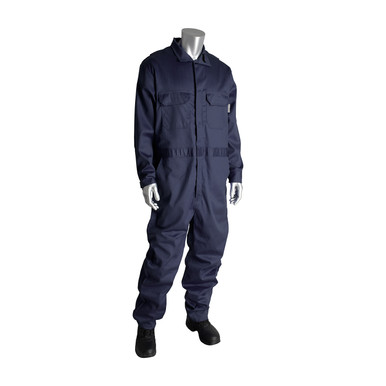
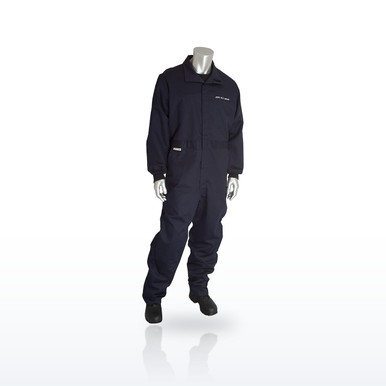
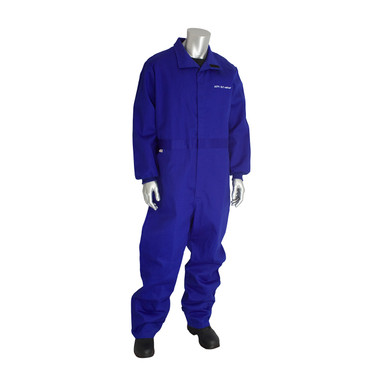
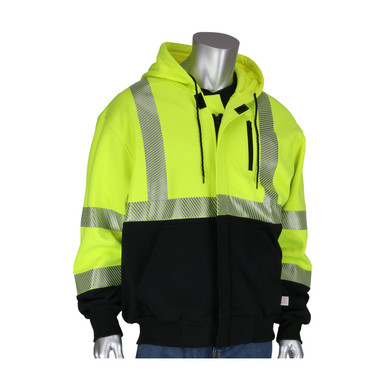
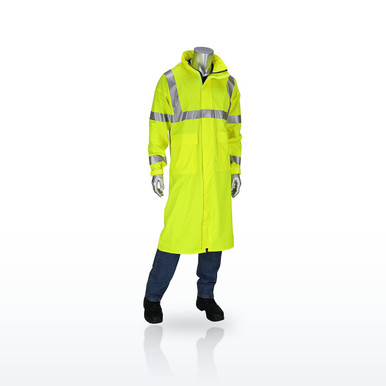
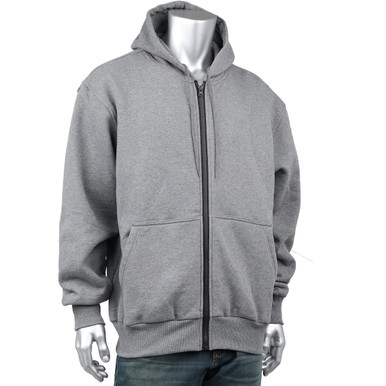
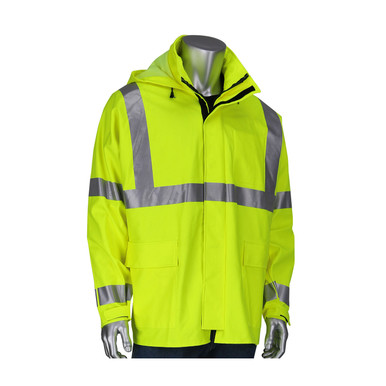
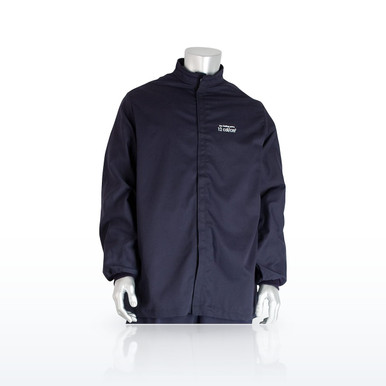
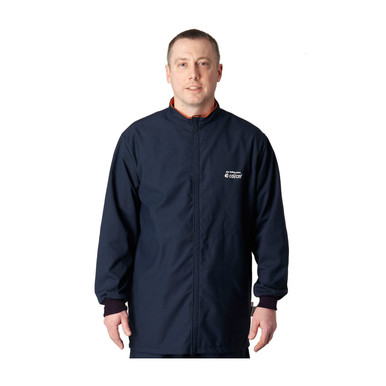
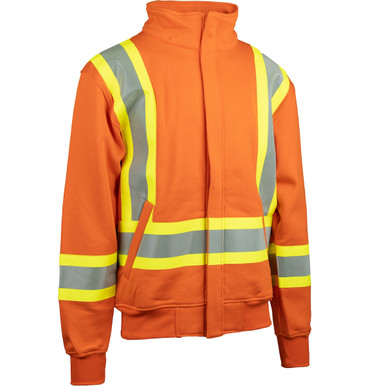
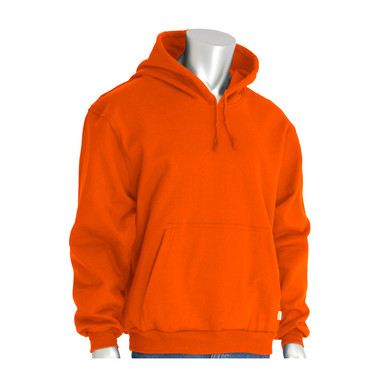
Items the manufacturer lists only by PPE category, without a cal/cm² figure, are in the arc flash finder.
Questions people ask
What does ATPV stand for?
Arc thermal performance value: the incident energy, in cal/cm², at which there is a 50 percent probability that enough heat passes through the fabric to cause a second-degree burn. (ASTM F1959.)
What is the difference between ATPV and EBT?
ATPV is about heat getting through intact fabric; EBT is about the fabric breaking open. A fabric gets whichever threshold it reaches first at the lower energy. Both are used the same way against the incident energy on the label.
Is an EBT rating worse than an ATPV rating?
No. An EBT rating means the fabric would tear open before it passed enough heat to burn, which is common for knits. A 10 cal/cm² EBT and a 10 cal/cm² ATPV both satisfy a 10 cal/cm² exposure under NFPA 70E.
What is cal/cm² on an arc-rated garment?
Calories per square centimeter, the unit of incident energy. The garment number is the heat the fabric can take; the equipment label number is the heat an arc would deliver at the working distance. The garment number must be equal or higher.
How many cal/cm² is a second-degree burn?
About 1.2 cal/cm² on bare skin. NFPA 70E uses that figure to define the arc flash boundary. (130.5(E).)
Can I add the ratings of two layers?
No. Only a multilayer test of that combination gives a system rating. Manufacturers publish system ratings for their own layering sets.
Does washing lower the arc rating?
Not when the garment is washed as the manufacturer instructs. ASTM F1506 fabrics are flame tested after 25 washes, and the FR property is built into the fiber or bonded to it. Bleach, fabric softener, starch and flammable contamination can reduce performance.
What is the minimum arc rating for Category 2?
8 cal/cm². Category 1 is 4, Category 3 is 25 and Category 4 is 40. (NFPA 70E Table 130.7(C)(15)(c).)
Standards and ratings on this page are as published in the documents named and by the manufacturers named. The employer’s hazard assessment and written program decide what applies at a given workplace. Verify a rating on the product and its spec sheet before use.