
Knee pads: when they are required and how to wear them
There is no OSHA standard that names knee pads. What OSHA requires is a hazard assessment of the job under 1910.132: if the work involves prolonged or repeated kneeling on a hard surface, that is a hazard to the extremities, and the employer must select protective equipment for it, have the employee use it, fit it, and pay for it. OSHA’s ergonomics guidance is direct about what the equipment is: knee pads or foam padding should be used by employees performing prolonged kneeling. Flooring, tile, roofing, concrete finishing, carpet laying, plumbing, HVAC, welding and mechanical trades are where that assessment usually lands. The choice is between a hard cap that slides and takes abuse, a soft cap that grips and will not mark a floor, gel for all-day kneeling, and a loose kneeling pad for a job that moves.
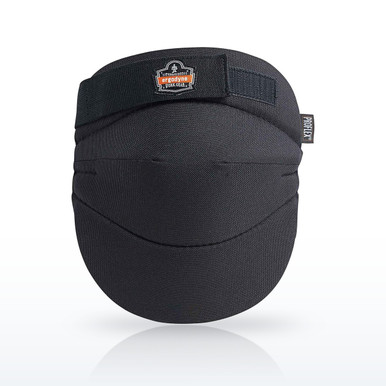
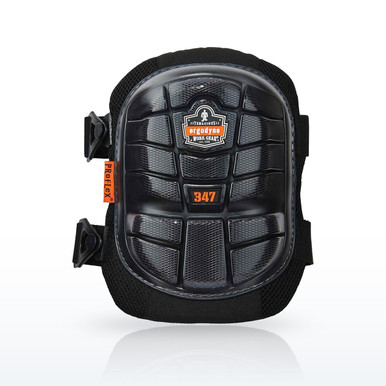
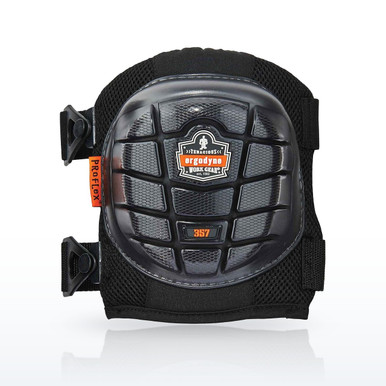 Ergodyne ProFlex 357 lightweight gel knee padsShort cap, gel core, hook and loop straps
Why does kneeling on concrete need protection? The kneecap has almost no padding of its own, and the bursa in front of it, a small fluid sac, is what takes the pressure when you kneel. Hours on a hard floor inflame it, which is the condition tradespeople know as housemaid’s knee or carpet layer’s knee. OSHA’s ergonomics eTool describes the mechanism in one line: prolonged or repeated work in the kneeling position causes reduced blood flow and contact pressure injuries to the part of the knee in contact with hard surfaces. A knee pad spreads the load over the whole pad instead of one bone, and keeps grit, nails and wet concrete off the skin.
When does OSHA require knee pads?
The rule is the hazard assessment. Knee pads are what it produces for a kneeling job.
Which kind of knee pad for which job?
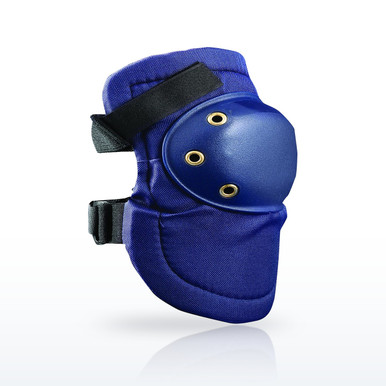
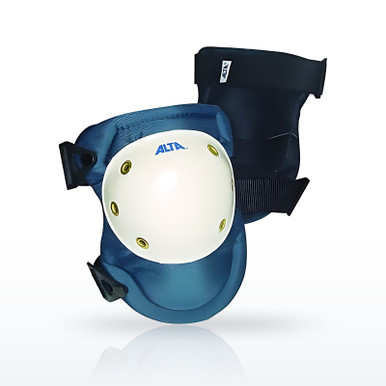
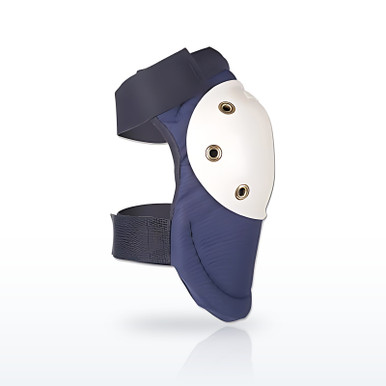
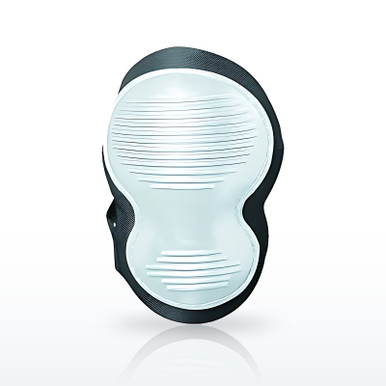
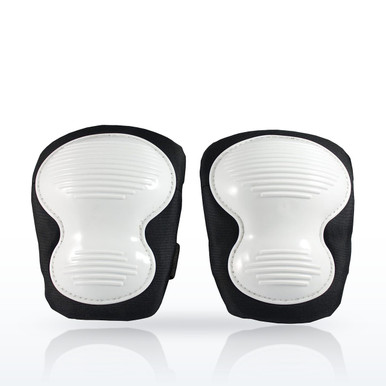
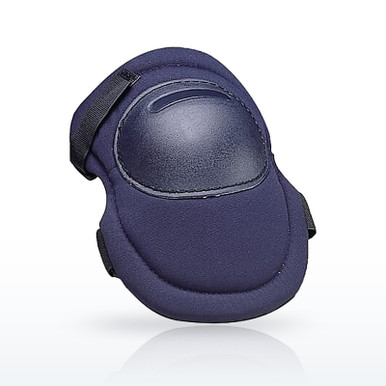
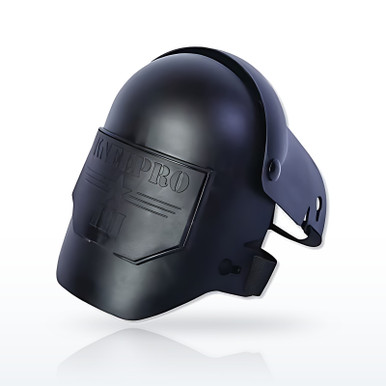
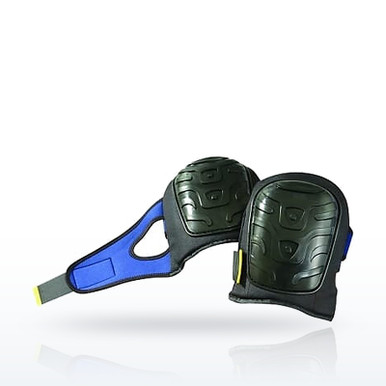
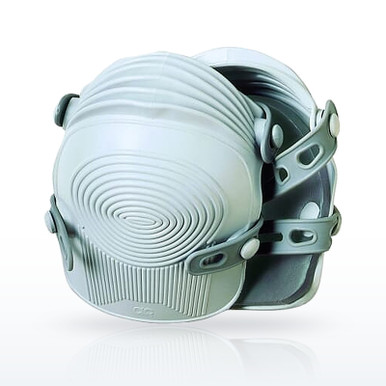
- Hard cap. A rigid plastic or polyethylene shell over foam. Slides on concrete and rough ground, shrugs off nails and aggregate, lasts longest. The choice for concrete, masonry, roofing and demolition. Hard caps scratch finished floors and skate on smooth tile.
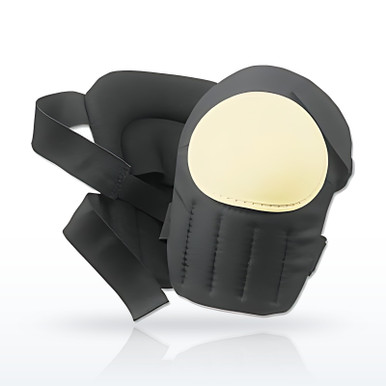
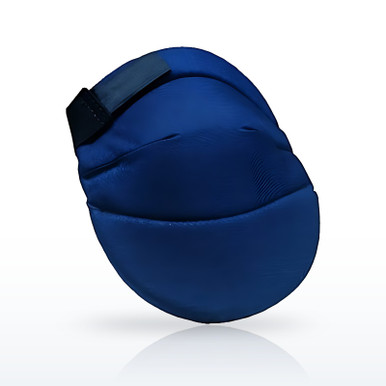
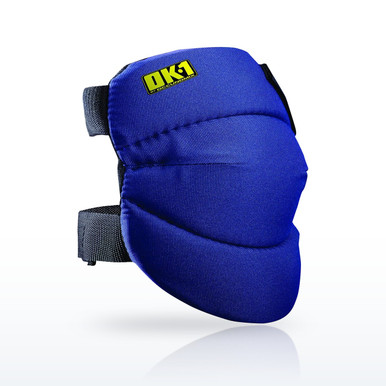
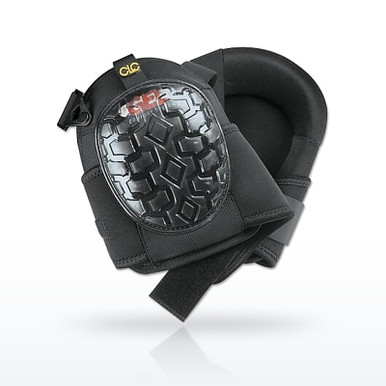
- Soft cap and non-marring. A rubber or fabric face over foam. Grips a smooth floor, leaves no marks on tile, hardwood or vinyl. The choice for flooring installers, tile setters and anyone on a finished surface. Wears faster on rough ground.
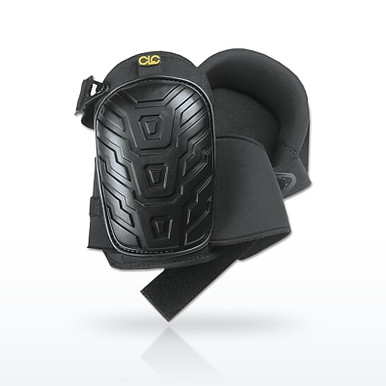
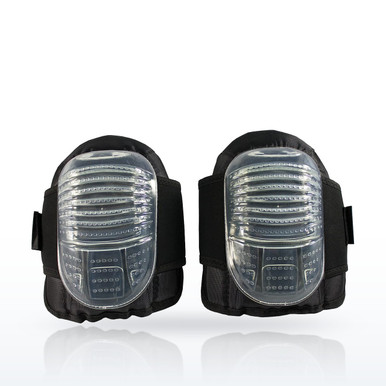
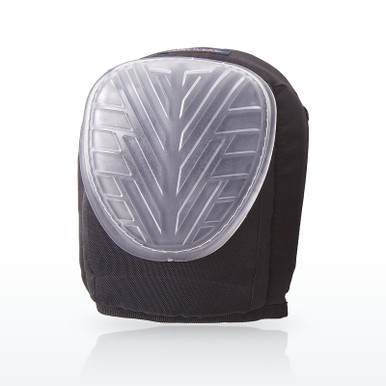
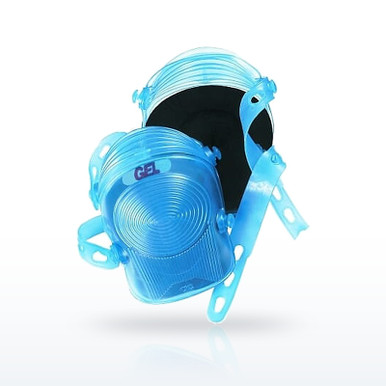
- Gel. A gel core, usually under a soft or flat cap, for all-day kneeling: the gel spreads pressure better than foam and does not pack down. Heavier and more expensive.
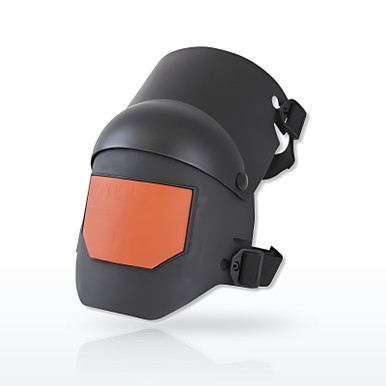
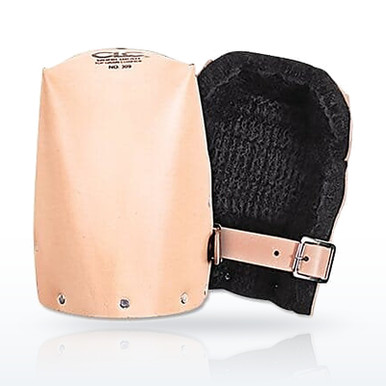
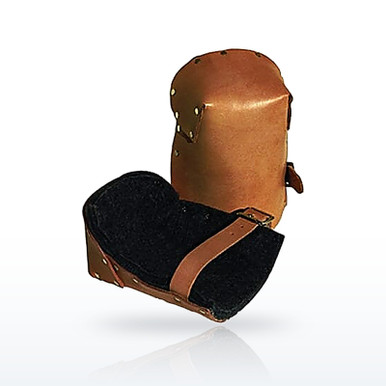
- Leather. Oil-tanned leather over felt or foam. Welders and pipefitters use them where sparks and hot slag would melt a plastic cap.
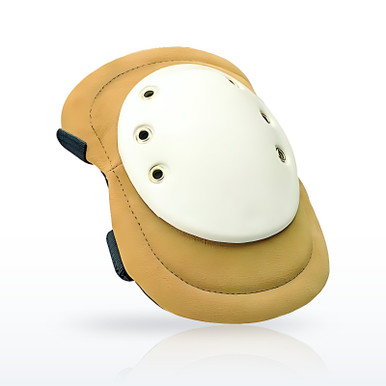
- Swivel cap. The cap pivots on the pad so the knee can roll without the pad dragging; for work that shifts from kneeling to one knee to crouching.
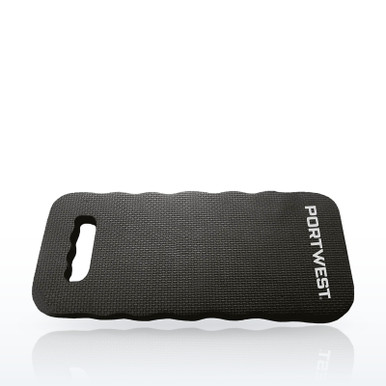
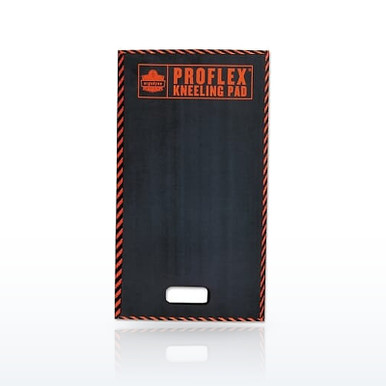
- Kneeling pad. A loose foam slab you carry and set down. No straps, nothing on the leg, the right answer for a job that is five minutes here and five minutes there, and for anyone who finds straps cut circulation.
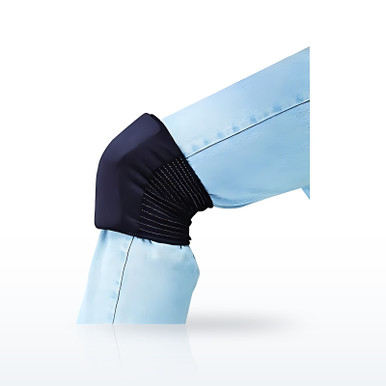
- Knee sleeve. A neoprene compression sleeve with a thin pad. Support and warmth more than protection; not a kneeling pad.
How do you wear knee pads?
- Size them. Most are one size with adjustable straps; some leather and gel models come in sizes. The pad should center on the kneecap when you kneel, not when you stand; put them on, kneel, and check.
- Strap above and below, not on, the joint. The upper strap sits on the lower thigh, the lower strap on the upper calf. A strap across the back of the knee cuts circulation and slides.
- Snug, not tight. Tight enough that the pad does not drop when you stand and walk, loose enough that you can slide two fingers under the strap. Tingling or a cold foot means too tight.
- Over pants. On bare skin the straps chafe and the pad slips on sweat. Work pants with knee-pad pockets take a flat insert pad instead of a strapped one.
- Take them off when you are up. Straps left tight through a day of standing and walking are where the circulation complaints come from. Many models have quick-release buckles for this reason.
- Replace them. When the foam is packed flat, the cap is cracked, or the straps have lost their stretch. The manufacturer’s useful-life guidance is part of the 1910.132(f) training.
What else does OSHA say about kneeling work?
The eTool treats the pad as the last step, not the first. It says to use stools instead of crouching, and for lifting in cramped areas, to lift from a kneeling position rather than a stoop. For carpet layers it names the tool, not the pad, as the cause of carpet layer’s knee, which comes from driving the knee kicker with the knee, and tells employers to use power stretchers instead. The ergonomics order holds here as everywhere: change the task where you can, then protect the knee for what is left.
OSHA Electrical Contractors eTool, Ergonomic Solutions: Lower Extremities, Crouching and Kneeling (stools, kneeling lifts, carpet layer’s knee and power stretchers).Knee pads by cap type
31 items · prices liveCap type, core material and strap style are as published by each manufacturer; see the product page. Pads are sold by the pair unless the page says otherwise. Free shipping on orders over $199.
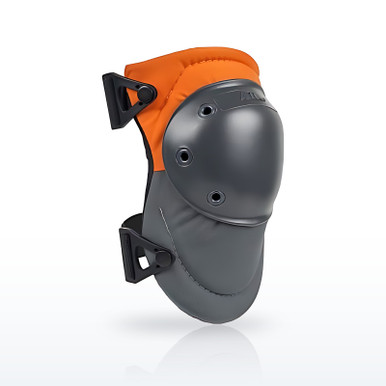
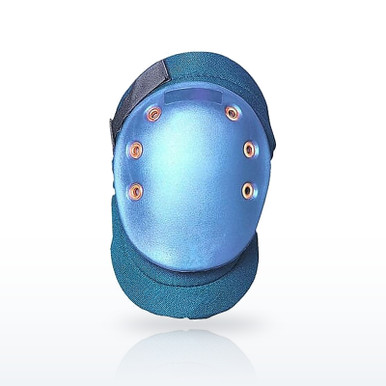
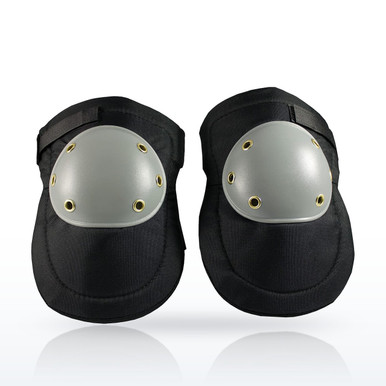

Anti-fatigue mats and back supports are in the ergonomics catalog.
Questions people ask
Does OSHA require knee pads?
Not by name. OSHA requires a hazard assessment under 1910.132(d); where it finds prolonged kneeling on a hard surface, the employer must select and provide protective equipment for it, and OSHA’s ergonomics guidance says that equipment is knee pads or foam padding.
Who pays for knee pads?
The employer, when the hazard assessment requires them. 1910.132(h)(1) requires PPE at no cost to the employee, and knee pads are not on the exception list.
What is the difference between hard cap and soft cap knee pads?
A hard cap is a rigid shell that slides on concrete and takes abuse; a soft or non-marring cap grips smooth floors and leaves no marks. Pick by the surface you kneel on.
Are gel knee pads better than foam?
Gel spreads pressure more evenly and does not pack down, which matters for all-day kneeling. Foam is lighter and cheaper for shorter jobs. Core material is as the manufacturer publishes it.
How tight should knee pads be?
Snug enough not to drop when you stand, loose enough to slide two fingers under the strap, with the straps above and below the joint and never behind it.
Can knee pads cut off circulation?
Yes, if the straps are tight or sit behind the knee, or are left tight through hours of standing. Loosen them when you are up, or use a kneeling pad with no straps.
What knee pads do flooring installers use?
Non-marring soft cap or gel pads that will not scratch tile or hardwood and will not skate on it. The band above shows the cap type the manufacturer publishes for each.
Do welders need special knee pads?
Leather-faced pads are what welders use, since sparks and slag melt plastic caps. One welding pad is shown in the band.
Standards and ratings on this page are as published in the documents named and by the manufacturers named. The employer’s hazard assessment and written program decide what applies at a given workplace. Verify a rating on the product and its spec sheet before use.