
Is welding dangerous? The hazards OSHA names, and the PPE that addresses each one
Yes, in specific ways, and OSHA’s welding standard names them: radiant energy from the arc that burns eyes and skin, fumes and gases that depend on the metal and coating, fire from sparks and slag that travel 35 feet, electric shock, and oxygen loss or toxic buildup in confined spaces. Each has a control in the standard: a filter lens of the right shade and a helmet, ventilation or a respirator, a fire watch and cleared combustibles, dry gloves and insulated equipment, and air monitoring and ventilation before entry. The PPE below is matched to those sections, not to a list of our own.
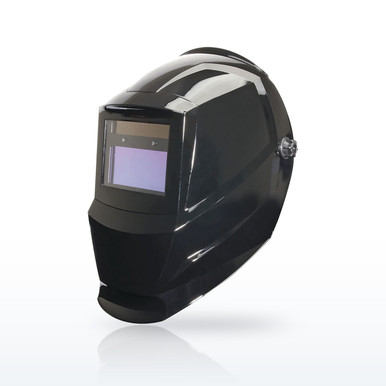
Why is the arc the first thing to protect against? A welding arc puts out ultraviolet and infrared at intensities no sunlight approaches. Unprotected eyes get arc eye (photokeratitis), a sunburn of the cornea that shows up hours later; skin exposed within a few feet burns through a shift. Neither needs contact with anything. That is why the eye-protection paragraph of 1910.252 is written as a shade table by process and electrode size, and why helpers and anyone within line of sight need protection too.
What are the welding hazards, and what does OSHA require for each?
The sections of 1910.252, in plain terms.
What lens shade for which process?
| Operation | Minimum shade |
|---|---|
| Shielded metal arc (stick), 1/16 to 5/32-inch electrodes | 10 |
| Shielded metal arc, 3/16 to 1/4-inch electrodes | 12 |
| Shielded metal arc, 5/16 and 3/8-inch electrodes | 14 |
| Gas-shielded arc (MIG, TIG), nonferrous | 11 |
| Gas-shielded arc (MIG, TIG), ferrous | 12 |
| Carbon arc welding | 14 |
| Torch brazing | 3 or 4 |
| Soldering | 2 |
| Light cutting, up to 1 inch | 3 or 4 |
| Medium cutting, 1 to 6 inches | 4 or 5 |
| Heavy cutting, 6 inches and over | 5 or 6 |
| Gas welding, light / medium / heavy | 4 or 5 / 5 or 6 / 6 or 8 |
These are the shades in the OSHA general industry welding standard. The construction table (1926.102 Table E-1) lists the same operations and shades. 1910.133(a)(5) gives a longer table by arc current for the same processes; where the two differ, the employer follows the one that applies to its work. Darker than the minimum is allowed to suit the welder.
29 CFR 1910.252(b)(2)(ii)(H); 29 CFR 1926.102(c)(1) Table E-1; 29 CFR 1910.133(a)(5).
What PPE does a welder wear, and what does each piece do?
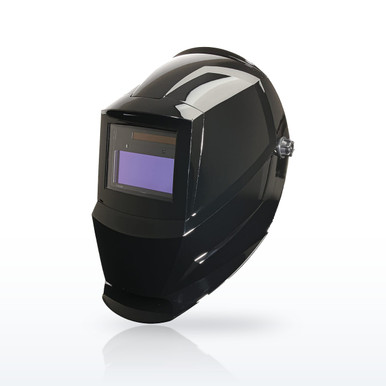
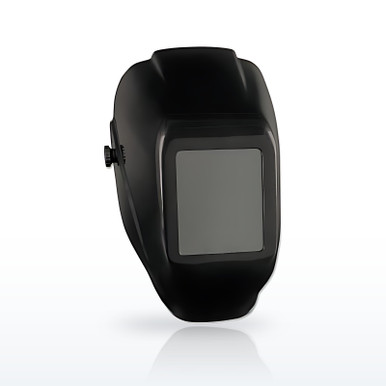
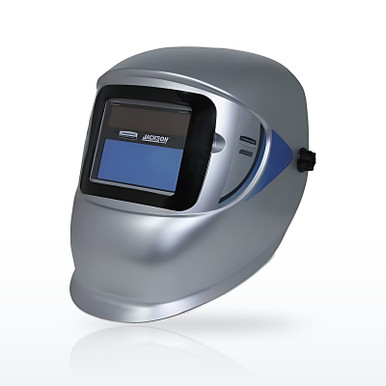
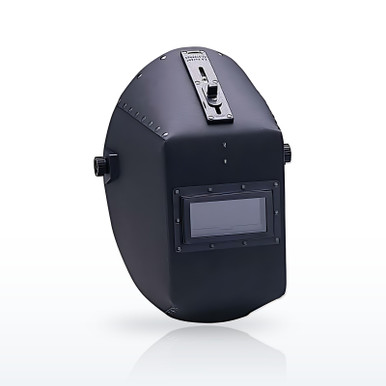
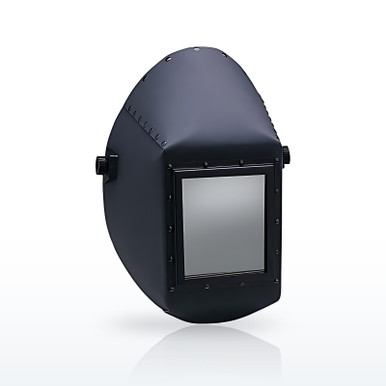
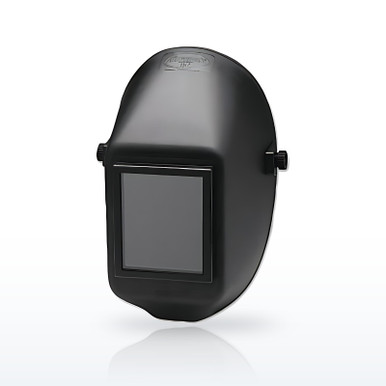
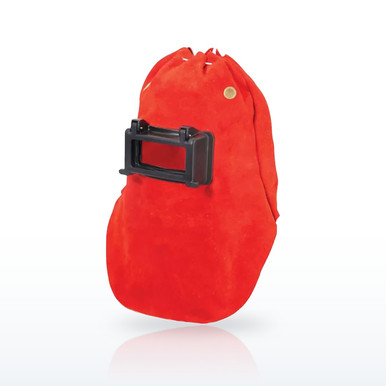
- Helmet with filter lens: the shade above, on an auto-darkening filter or a fixed passive plate. The helmet shell protects the face from spatter and the lens from radiation; it must meet ANSI Z87.1.
- Safety glasses under the helmet: for the flash of a neighbor’s arc and for grinding when the hood is up. 1910.252 requires goggles or glasses for anyone exposed to the arc, not only the welder.
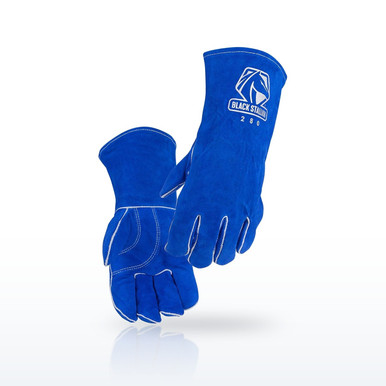
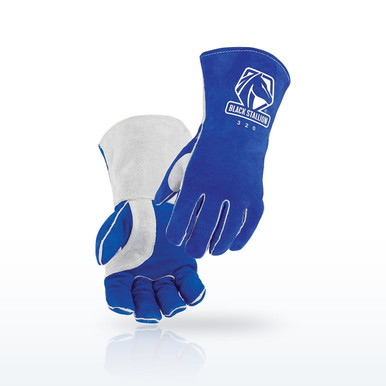
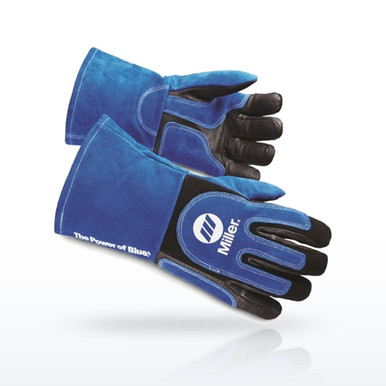
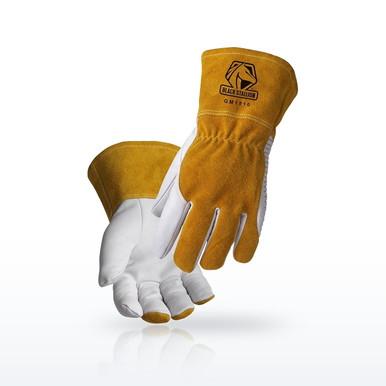
- Gloves: leather, dry, undamaged. The standard asks for protective clothing suited to the size, nature and location of the work and refers to 1910.132; the trade matches glove weight to process, heavy split cowhide for stick, mid-weight for MIG, thin goatskin for TIG.
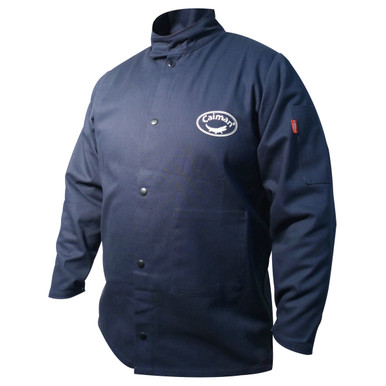
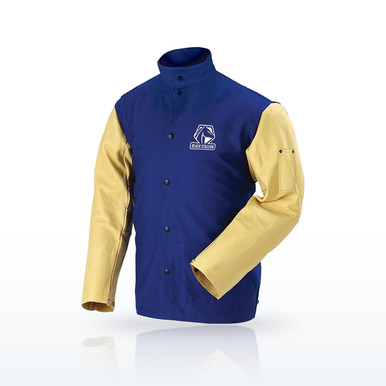
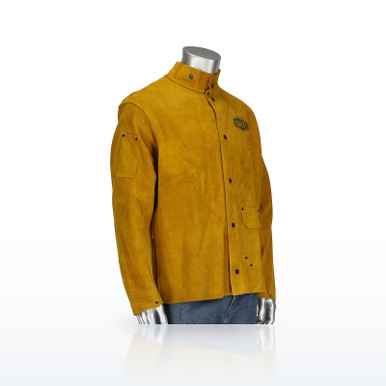
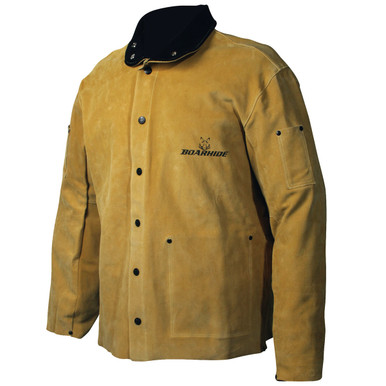
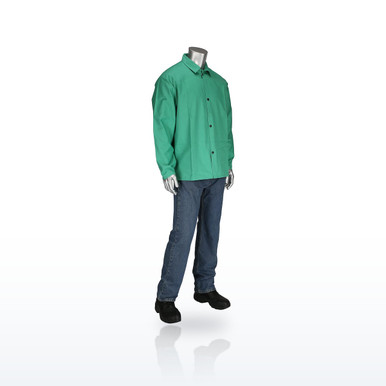
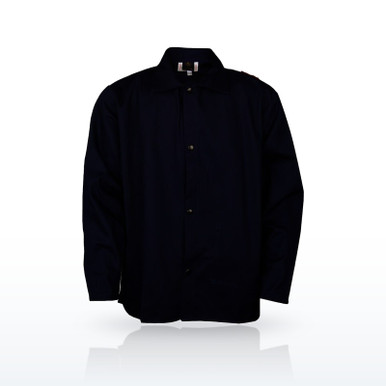
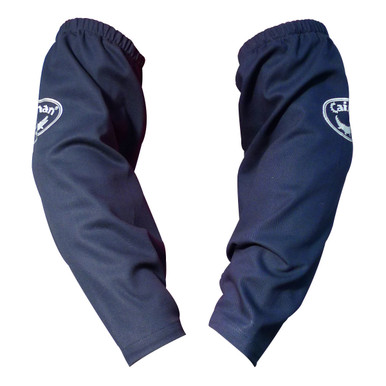
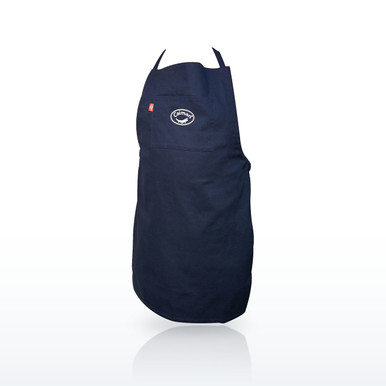
- Jacket, sleeves, apron: flame-resistant cotton or leather to stop sparks and spatter burning through and to cover skin from the arc. Pockets closed, cuffs not rolled.
- Respirator: where ventilation cannot keep fumes within limits, a particulate respirator rated for welding fume, or supplied air in a confined space. The respirator program rules of 1910.134 apply.
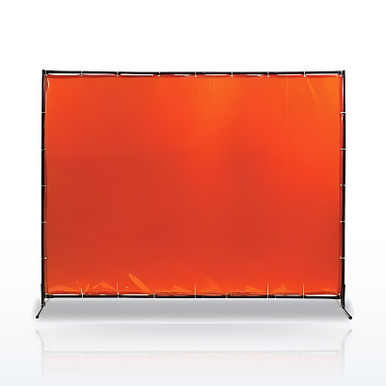
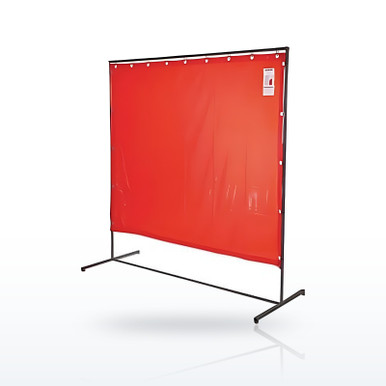
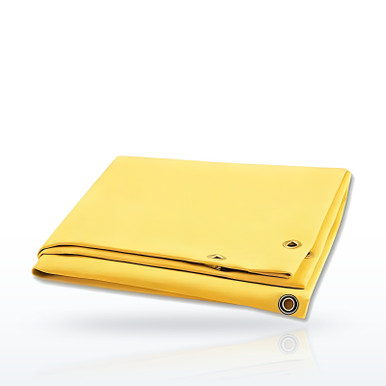
- Screens and curtains: so the people around the welder are not exposed; the standard calls for noncombustible or flameproof screens where the work permits.
What about the fumes?
Welding fume is metal oxide particles small enough to reach deep in the lung, plus gases (ozone from the arc, carbon monoxide from CO2 shielding gas, nitrogen oxides). What is in it depends on the base metal, the filler and any coating: galvanized steel gives zinc oxide and metal fume fever; stainless gives hexavalent chromium and nickel, with their own OSHA standard; painted or plated steel can give lead or cadmium. The standard’s answer is ventilation to keep the breathing zone under the allowable concentration for each, with named paragraphs for the metals where a respirator is required outright in confined spaces. Position matters too: head out of the plume, work upwind of it.
29 CFR 1910.252(c)(1)(iii) and (c)(5) through (c)(12); 29 CFR 1910.1026 (hexavalent chromium); OSHA Fact Sheet, Controlling Hazardous Fume and Gases during Welding.Welding helmets, gloves, clothing and screens
29 items · prices liveShade range, lens size and leather type are as stated by the manufacturer on each product page. Free shipping on orders over $199.
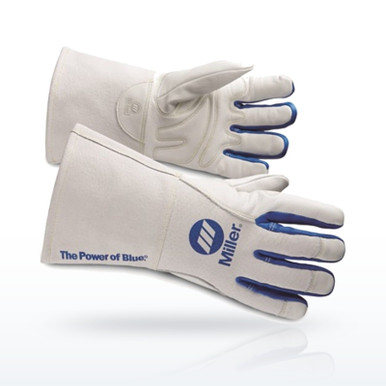
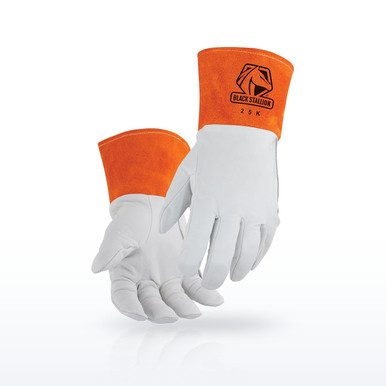
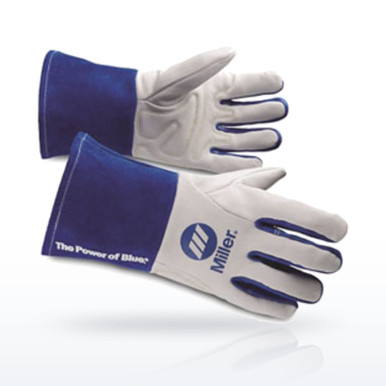
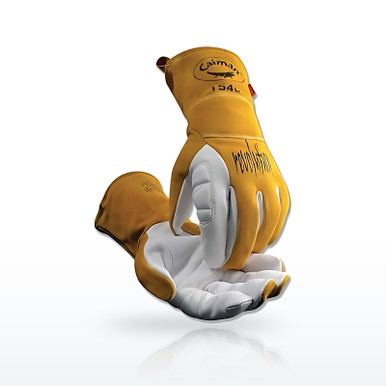
Welding lenses, cover plates and the full glove range are in the welding finder.
Questions people ask
Is welding bad for your health?
It can be: arc burns to eyes and skin, fume exposure, fire and shock are the hazards OSHA names. Each has a required control, and with them in place welding is done safely every day.
What is arc eye?
Photokeratitis: ultraviolet burn of the cornea from an unshielded arc. Painful hours later, usually heals in a day or two, and prevented by the shade table above.
What shade do I need for MIG?
Gas-shielded arc welding: shade 11 for nonferrous, 12 for ferrous, in the OSHA table. Auto-darkening helmets cover the range.
Can you weld galvanized steel?
With ventilation to keep zinc oxide fume within limits; the standard has a zinc paragraph. Metal fume fever is the short-term effect of getting it wrong.
How far do welding sparks travel?
The fire-watch rule in 1910.252 uses 35 feet as the distance within which combustibles must be moved or guarded.
Does a welder need a respirator?
When ventilation cannot keep the breathing zone within allowable limits, and always in a confined space where the standard calls for airline or SCBA. The employer’s air sampling decides.
What does ANSI Z49.1 cover?
The industry safety standard for welding and cutting: ventilation, PPE, fire, electrical and confined space practice. OSHA 1910.252 draws on it.
Do I need safety glasses under a welding helmet?
Yes, for grinding with the hood up and for nearby arcs; the standard requires eye protection for everyone exposed to the arc.
Standards and ratings on this page are as published in the documents named and by the manufacturers named. The employer’s hazard assessment and written program decide what applies at a given workplace. Verify a rating on the product and its spec sheet before use.