
What is lockout/tagout (LOTO)? OSHA 1910.147 explained
Lockout/tagout is the OSHA procedure that keeps a machine from starting up, or stored energy from releasing, while someone is working on it. The worker shuts the equipment down, isolates every energy source, puts a lock and tag on each isolating device with a key only they hold, releases any stored energy, and proves the machine is dead before touching it. OSHA 1910.147 requires a written program, procedures for each machine, training, and a yearly inspection of the procedures.
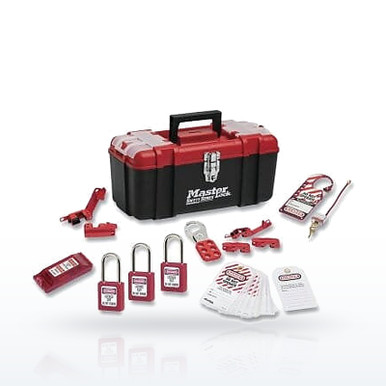 Master Lock 1457E410KA portable lockout kit14 pieces: padlocks, hasps, breaker and plug lockouts, tags
Why does lockout/tagout exist? Machines start up while someone is inside them, usually because a coworker flipped a switch, a timer ran, or pressure, springs or gravity were still loaded. OSHA counts about 120 deaths and 50,000 injuries a year from uncontrolled energy, and lockout/tagout has been one of its ten most-cited standards every year since it was written. The rule is simple: the only person who can remove a lock is the person who put it on, and nothing moves until it is proven dead.
When is lockout/tagout required?
Whenever servicing or maintenance would expose someone to the unexpected start-up of equipment or the release of stored energy.
What does the employer have to have?
- A written energy control program: procedures, training and periodic inspection.
- A written procedure for each machine or group of similar machines, stating the energy sources, how to shut down, isolate, lock and verify.
- Lockout devices and tags that are provided by the employer, durable, standardized by color or shape, substantial enough that removal takes excessive force or a tool, and that identify the worker who applied them.
- Training: authorized employees learn the energy sources and the procedure; affected employees learn what the locks mean and that they must not touch them; everyone else learns not to try to restart locked equipment. Retraining when jobs, machines or procedures change.
- A periodic inspection of each procedure at least annually, by an authorized employee other than the one using the procedure, with a certification that records the date, the machine, the inspector and the employees included.
Who is an authorized employee, and who is affected?
An authorized employee is the one who locks out the equipment to do the work. An affected employee is one who operates or uses that equipment, or works in the area where it is being serviced. The difference matters because only authorized employees apply and remove locks, and an affected employee becomes authorized the moment their job includes servicing.
1910.147(b): definitions of authorized employee and affected employee.What are the steps of a lockout?
- Prepare. The authorized employee identifies every energy source on the machine, its magnitude, the hazards, and how to control it, from the written procedure.
- Notify and shut down. Tell the affected employees, then stop the machine by its normal controls.
- Isolate. Open every energy-isolating device: the disconnect switch, breaker, valve, or blank. Push buttons and control circuits are not isolating devices.
- Lock and tag. Put a lockout device and tag on each isolating device, in the off or closed position, with a lock only you hold the key to. Tags state that the equipment may not be operated until the tag is removed.
- Release stored energy. Bleed pressure, block or lower raised parts, discharge capacitors, let moving parts stop, and keep them controlled if they could re-accumulate.
- Verify. Try the start controls and check with a meter or gauge that the machine is de-energized. Then return the controls to off. Now the work can begin.
- Restore. When the work is done: inspect that tools and people are clear, notify affected employees, remove each lock (only the person who applied it), and re-energize.
Lockout vs tagout: when is a tag alone allowed?
Only when the isolating device cannot accept a lock, or when the employer can show its tagout program gives protection equal to a lock, with added measures such as removing a valve handle, blocking a switch, or pulling a fuse. A tag is a warning; it does not stop anyone from operating the device. Where a device can be locked, it must be locked. Any new or overhauled machine must be built so it can be locked.
1910.147(c)(2)(ii) and (c)(2)(iii): tagout when a device is not capable of being locked out; (c)(3)(ii): tagout limitations; (c)(2)(iii): equipment installed or overhauled after January 2, 1990 must accept a lockout device.What is a group lockout?
When a crew works on the same equipment, each worker still puts a personal lock on, usually onto a hasp or a lock box that holds the keys to the locks on the isolating devices. One authorized employee is responsible for the group, and no lock comes off until every worker has removed their own. On shift change, the outgoing and incoming workers overlap so the equipment is never unlocked.
1910.147(f)(3): group lockout or tagout; (f)(4): shift or personnel changes.What has to be on a lockout tag?
A warning that the equipment may not be operated (“Do Not Start,” “Do Not Open,” “Do Not Energize” or similar), the identity of the employee who applied it, and an attachment that is non-reusable, self-locking and holds at least 50 pounds. Tags must survive the environment they are used in, including wet and corrosive areas.
1910.147(c)(5)(ii)(C) and (c)(5)(iii): tag durability, standardization, attachment means, and warning legend.How does 1910.147 relate to construction and to electrical work?
1910.147 is the general industry standard. Construction has its own lockout rules in 1926.417 and in the equipment-specific standards. Work on exposed electrical conductors and circuit parts is covered by 1910.333, which requires lockout and tagout before work on de-energized parts and refers back to the same procedures. NFPA 70E Article 120 gives the detailed electrical lockout procedure most employers adopt.
1910.147(a)(1)(ii)(A): construction excluded; 1926.417; 1910.333(b)(2); NFPA 70E Article 120.Lockout kits, padlocks, hasps and devices
24 items · prices liveDevices are as described by the manufacturer; the right device depends on the isolating point (breaker size, valve type, plug) on your equipment. Free shipping on orders over $199.
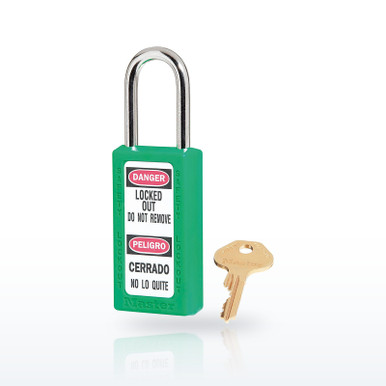
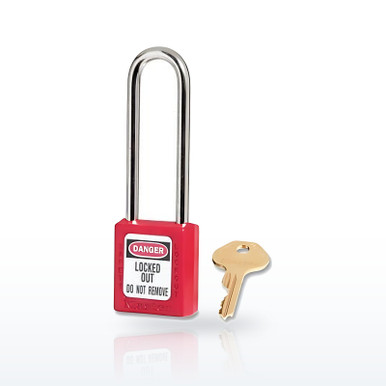
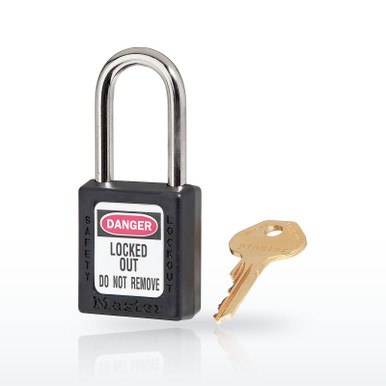
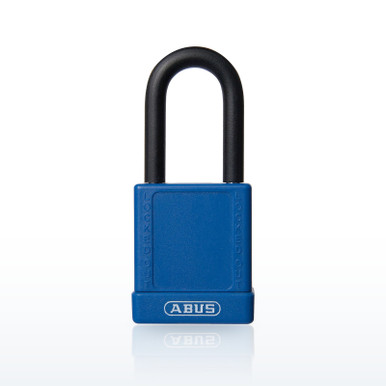

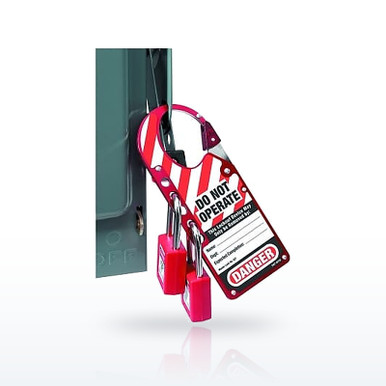
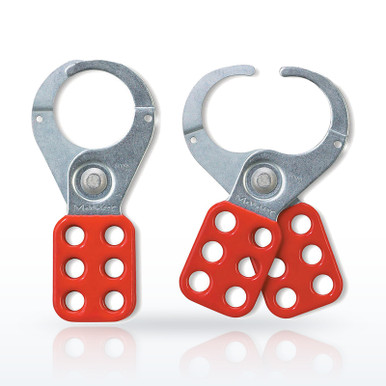
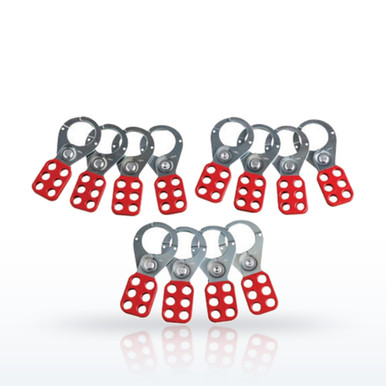
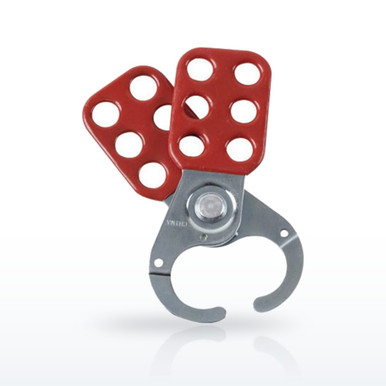
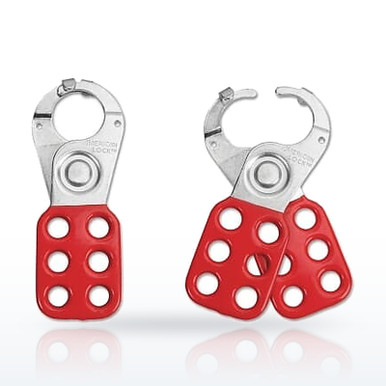

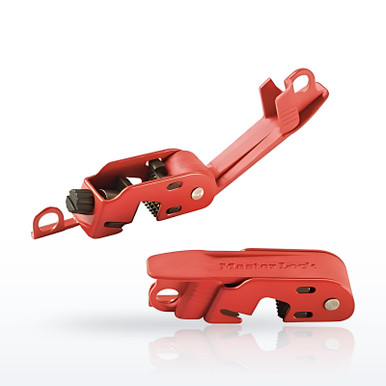
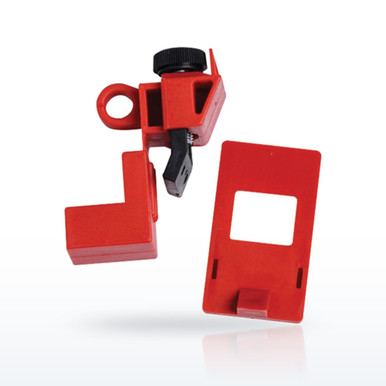
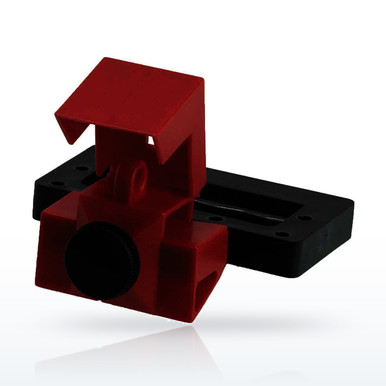
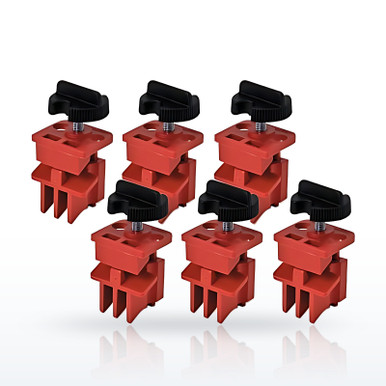

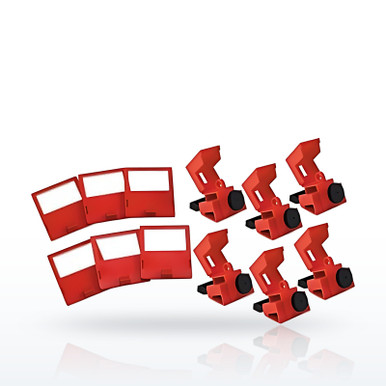
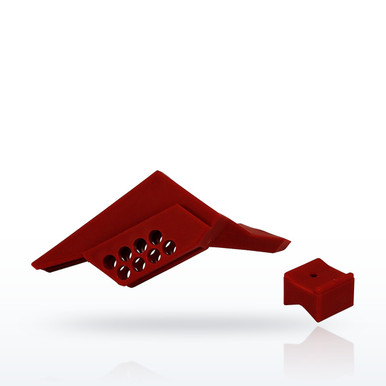

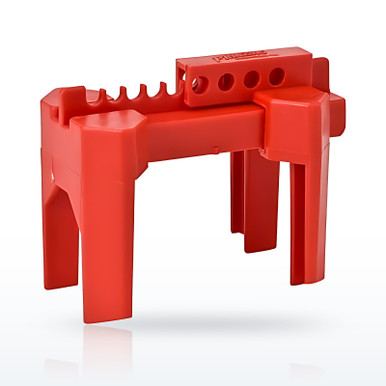
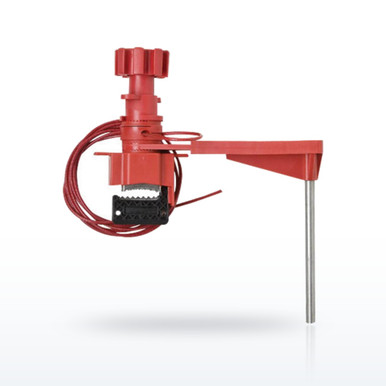
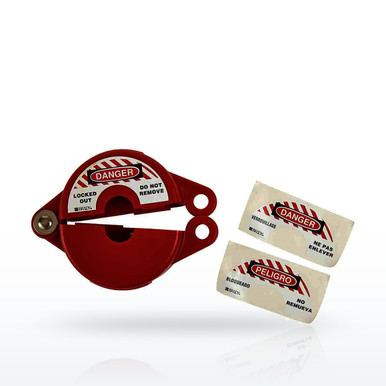
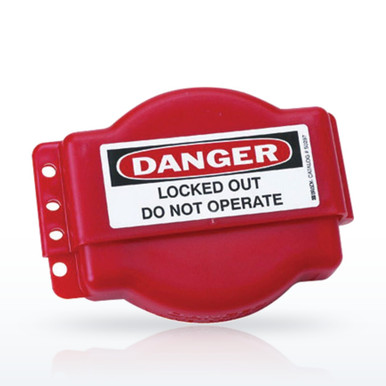
Padlocks are keyed different by default; keyed-alike sets and master-keyed systems are quoted on request.
Questions people ask
What does LOTO stand for?
Lockout/tagout: lockout is the lock on the energy-isolating device; tagout is the warning tag that goes with it, or stands alone where a lock cannot be used.
What is the purpose of lockout/tagout?
To keep equipment from starting, or stored energy from releasing, while someone is servicing it. (1910.147(a)(3)(i).)
Who can remove a lockout lock?
Only the employee who put it on. The employer may remove it under a documented procedure only when that employee is not available and has been notified. (1910.147(e)(3).)
What is the last step of lockout/tagout?
Verification before work begins: try the controls and test to prove the equipment is de-energized. When restoring, the last step is removing the locks and re-energizing after the area is clear and people are notified.
Which employees need lockout/tagout training?
Authorized employees (full procedure), affected employees (what the locks mean, do not touch), and other employees in the area (do not restart). Retrain when anything changes. (1910.147(c)(7).)
How often must lockout procedures be inspected?
At least once a year, by an authorized employee who is not using that procedure, with a written certification. (1910.147(c)(6).)
Can I use a regular padlock for lockout?
The standard requires devices that are standardized, durable, substantial and identify the user, and used for nothing else. Safety padlocks are built and colored for that; an ordinary padlock from the toolbox usually fails the standardized and single-use requirements. (1910.147(c)(5).)
Which government entity establishes lockout/tagout requirements?
OSHA, in 29 CFR 1910.147 for general industry; state plans enforce the same or stricter rules.
Standards and ratings on this page are as published in the documents named and by the manufacturers named. The employer’s hazard assessment and written program decide what applies at a given workplace. Verify a rating on the product and its spec sheet before use.