
What is an arc flash, and what causes one?
An arc flash is an electrical explosion: current jumps through the air between conductors, or from a conductor to ground, and the arc heats the air to tens of thousands of degrees in a few thousandths of a second. The heat, the light, the pressure wave and the molten metal it throws cause the injuries. It is caused by a fault, and the fault is almost always started by a person or a tool: a dropped wrench, a slipped probe, a loose connection, dust or corrosion bridging a gap, or a breaker racked in under load.
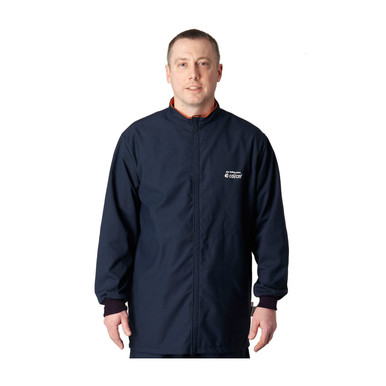
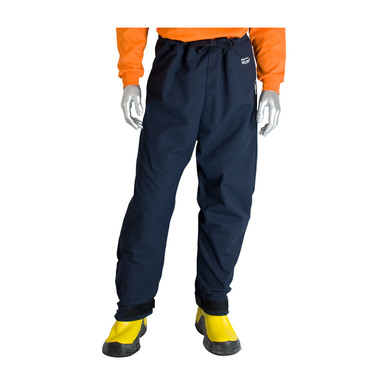
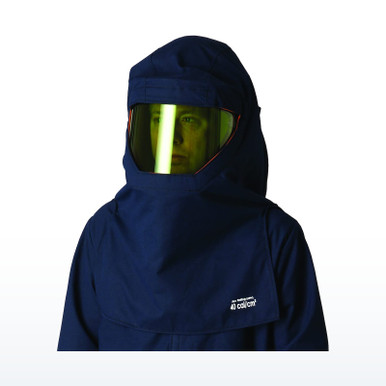
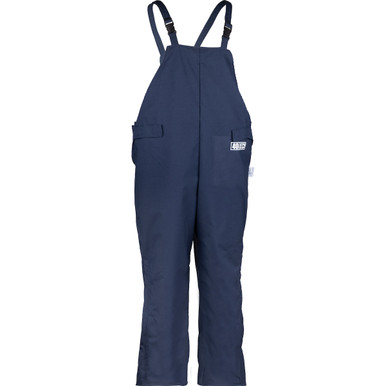
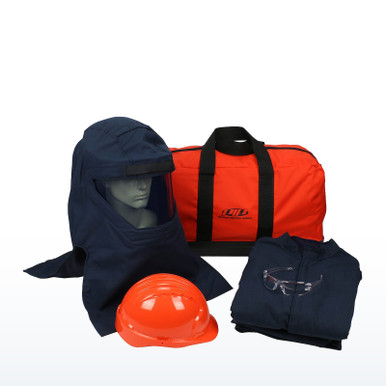 PIP 9150-540ULT 40 cal/cm² arc flash kitCoat, bib overall, hood with face shield, gloves and bag; meets PPE Category 4
Why is an arc flash different from a shock? A shock needs you to touch something. An arc flash reaches out: the arc can burn a worker standing several feet from a panel who never touched a conductor, through clothing that then catches fire and keeps burning after the arc is gone. OSHA data and NFPA 70E both treat it as its own hazard with its own boundary and its own PPE, separate from shock protection. Most of the injuries are burns, and most of the burns that kill are from clothing that ignited.
What are the facts about an arc flash?
The numbers safety people use, and where they come from.
What causes an arc flash?
- A tool or part dropped across live conductors, or a conductive object left inside equipment.
- A test probe or meter lead slipping, or a meter set to the wrong range.
- Opening a panel, racking a breaker, or pulling a fuse under load.
- Loose, corroded or overheated connections that arc on their own.
- Dust, moisture, insects or rodents bridging a gap inside equipment.
- Insulation failure from age, heat or damage.
- Working on equipment that was thought to be de-energized and was not.
Arc flash vs arc blast
The arc flash is the heat and light. The arc blast is the pressure wave from the same event: air and vaporized metal expanding in an instant, which can throw a worker across a room, rupture eardrums, collapse lungs and drive molten droplets and shrapnel into the body. Arc-rated clothing is rated for the thermal energy only; the blast is addressed by distance, by working de-energized, and by remote operation.
NFPA 70E-2024 Informative Annex K; OSHA, Electrical: arc flash and blast hazards.What does OSHA require?
OSHA’s general industry electrical rules require that live parts be de-energized before work unless de-energizing creates a greater hazard or is infeasible, and that employees working where electrical hazards exist be provided with and use protective equipment appropriate to the parts of the body to be protected and the work to be done. For utilities and other work under 1910.269, OSHA requires an incident-energy assessment and arc-rated clothing with a rating at or above the estimated energy. OSHA does not write the method; it cites NFPA 70E as the consensus standard for how to comply.
29 CFR 1910.333(a)(1) (de-energize before work); 1910.335(a)(1) (personal protective equipment); 1910.269(l)(8) (arc-rated clothing and incident energy); OSHA letters of interpretation referencing NFPA 70E.What does NFPA 70E require?
- An electrically safe work condition first: de-energize, lock out, test, and ground where needed. Energized work only with a written permit and justification.
- An arc flash risk assessment for equipment that will be worked on energized or where an arc could occur during interaction, updated at least every five years or when the system changes.
- Either an incident energy analysis (the engineering study) or the PPE category tables to select protection.
- Arc-rated PPE: clothing with an arc rating at or above the incident energy, plus arc-rated face protection, voltage-rated gloves with leather protectors, hearing protection and safety glasses as the category requires.
- Equipment labels showing the nominal voltage, the arc flash boundary, and either the incident energy and working distance or the PPE category.
- Qualified-person training, with retraining at least every three years.
NFPA 70E PPE categories and the arc rating each requires
| PPE category | Minimum arc rating | What that usually means |
|---|---|---|
| 1 | 4 cal/cm² | Arc-rated long-sleeve shirt and pants or coverall; arc-rated face shield or hood; hard hat, safety glasses, hearing protection, leather gloves (or rubber insulating gloves with protectors) |
| 2 | 8 cal/cm² | Same as 1 with 8 cal clothing; arc-rated face shield with balaclava, or hood |
| 3 | 25 cal/cm² | Arc-rated flash suit (coat and bib or coverall) over arc-rated base layers; arc-rated hood; arc-rated gloves |
| 4 | 40 cal/cm² | Arc-rated flash suit rated 40 cal; arc-rated hood; arc-rated gloves |
The categories come from NFPA 70E Table 130.7(C)(15)(c), and they apply only when the equipment and task are listed in Table 130.7(C)(15)(a) and the installation is within that table’s limits (fault current, clearing time, working distance). Outside those limits, or by the employer’s choice, an incident energy analysis sets the required rating directly in cal/cm², and the clothing is selected to meet or exceed it. A category 2 garment is not “better” than a category 1 garment; it is rated for a different exposure.
NFPA 70E-2024 Table 130.7(C)(15)(a) and (c); ASTM F1506 (arc-rated clothing); ASTM F1959 (arc rating test, ATPV and EBT).
What is an arc flash label?
A label on switchboards, panelboards, industrial control panels, meter socket enclosures and motor control centers that are likely to be examined, adjusted, serviced or maintained while energized. NFPA 70E requires it to show the nominal system voltage, the arc flash boundary, and at least one of: the available incident energy with its working distance, the minimum arc rating of clothing, the site-specific PPE level, or the PPE category. The National Electrical Code requires a simpler warning label on the same equipment. The owner of the equipment is responsible for the label and for keeping it current.
NFPA 70E-2024 130.5(H); NEC 110.16 (2023).Arc-rated clothing and kits by category
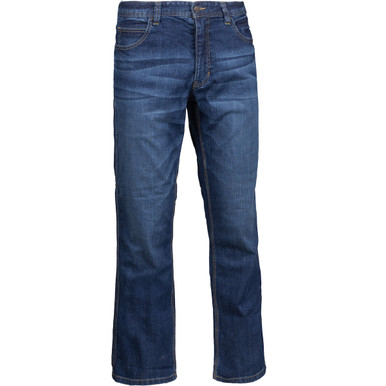
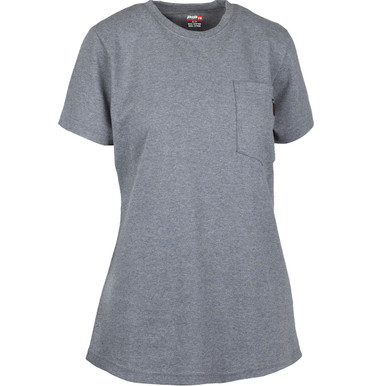
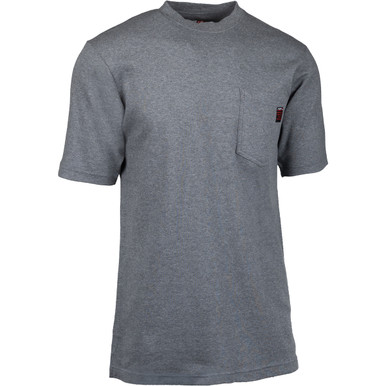
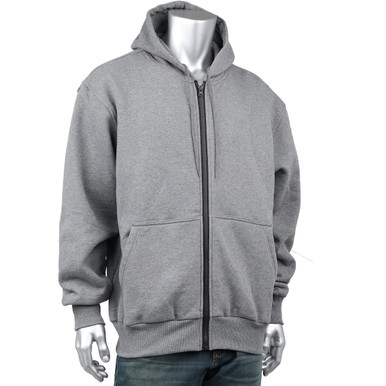
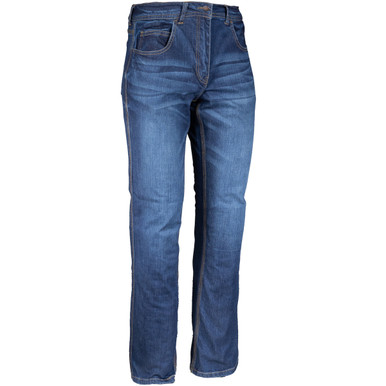
30 items · prices liveEach garment is listed at the arc rating (ATPV or EBT in cal/cm²) its manufacturer publishes, grouped by the NFPA 70E category that rating meets. Ratings are the manufacturer’s; the required rating comes from your incident energy analysis or category table, not from this page. Contractor Direct orders ship free.
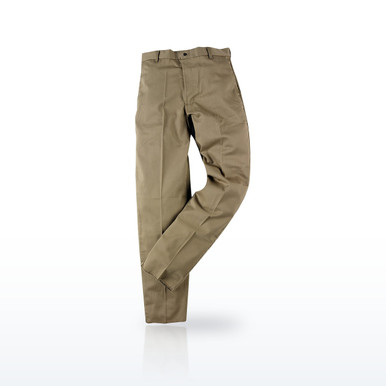
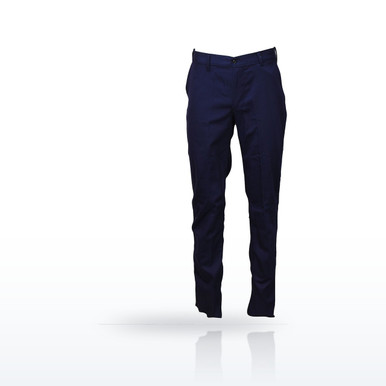
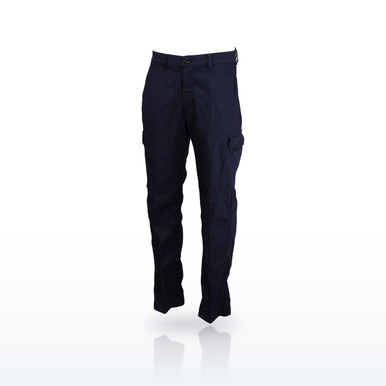
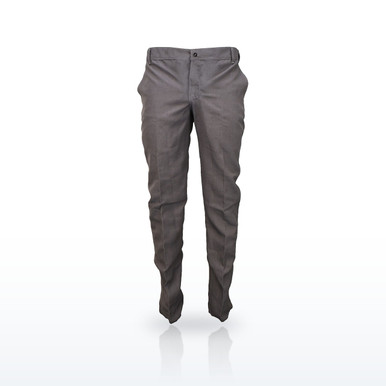
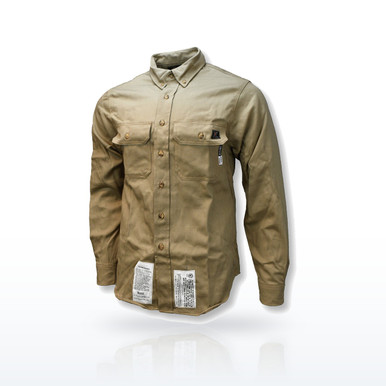
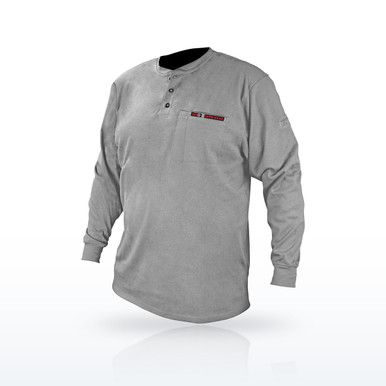
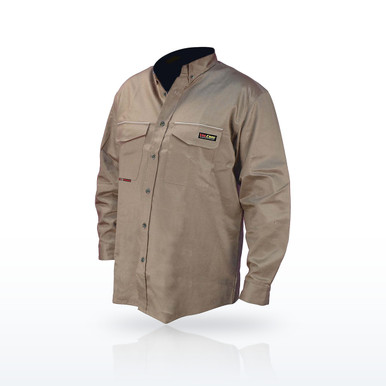
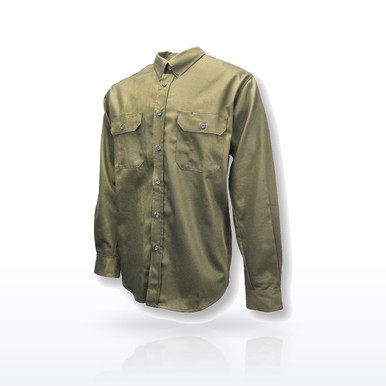
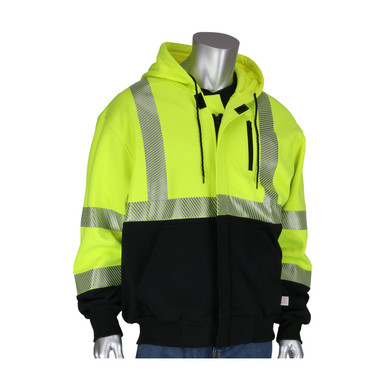
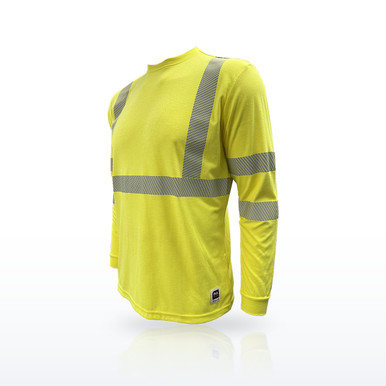
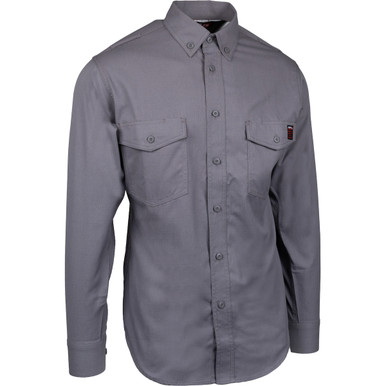
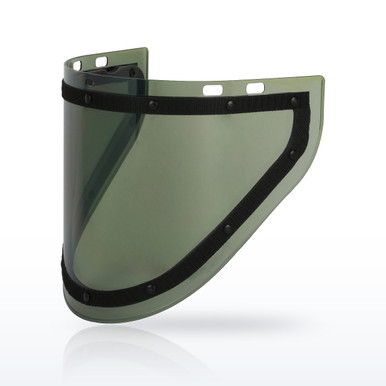
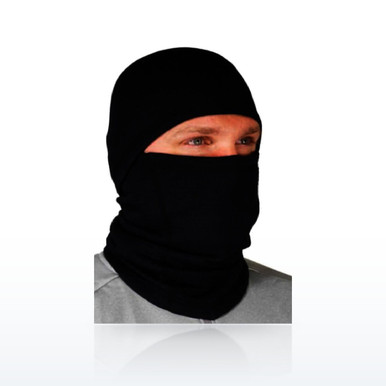
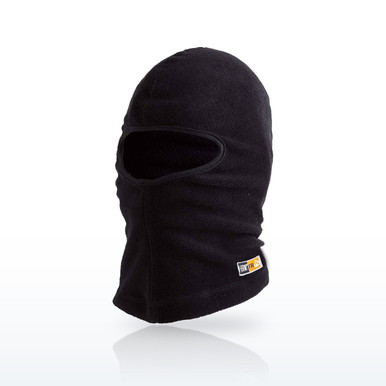
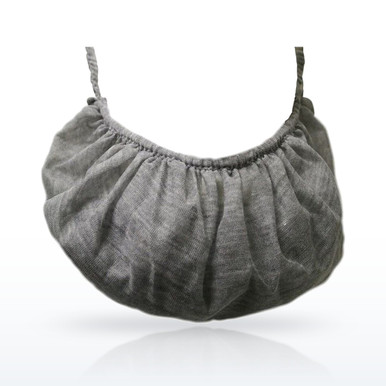
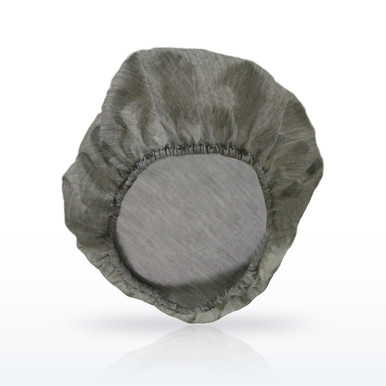
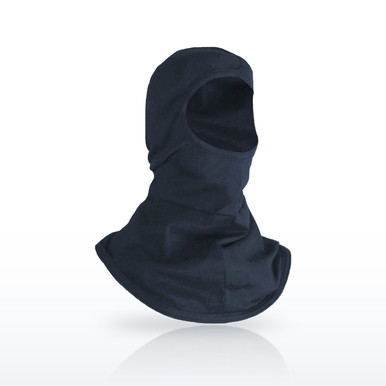
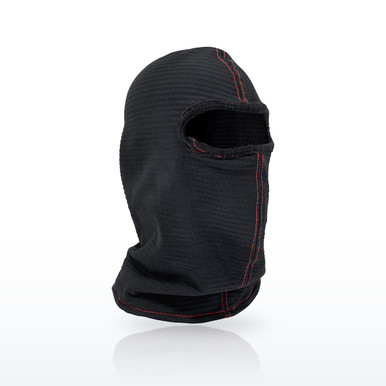
Voltage-rated gloves, arc-rated face shields and every FR garment we carry are on the arc flash finder, filtered by rating band.
Questions people ask
What is the simple definition of an arc flash?
An electrical explosion caused by current arcing through the air, releasing intense heat, light and pressure in milliseconds.
What is the most common cause of an arc flash?
Human interaction with energized equipment: dropped tools, slipped probes, opening or operating equipment under load, and working on gear assumed to be dead. Equipment failure from loose or corroded connections is the other main cause.
How hot is an arc flash?
Up to about 35,000°F at the arc, per OSHA, hot enough to vaporize metal.
What is the arc flash boundary?
The distance from the equipment at which the incident energy falls to 1.2 cal/cm², the onset of a second-degree burn. Inside it, arc-rated PPE is required. (NFPA 70E 130.5(E).)
What is cal/cm²?
Calories per square centimeter: the heat energy per unit area. Incident energy is stated in it, and arc-rated clothing is rated in it (ATPV or EBT). The clothing rating must be at or above the incident energy.
Arc flash vs arc blast: what is the difference?
The flash is the heat and light; the blast is the pressure wave and flying metal from the same event. Clothing is rated for the heat only.
Who is responsible for protecting workers from arc flash?
The employer, under OSHA 1910.332 through 1910.335 (and 1910.269 for utility work) and NFPA 70E 105.3: training, risk assessment, de-energizing where possible, labels, and PPE at no cost.
What is NFPA 70E, and is it the law?
NFPA 70E is the consensus standard for electrical safety in the workplace. OSHA does not adopt it by reference, but cites it as the recognized way to meet the OSHA electrical rules, and employers are held to it under the general duty clause.
Standards and ratings on this page are as published in the documents named and by the manufacturers named. The employer’s hazard assessment and written program decide what applies at a given workplace. Verify a rating on the product and its spec sheet before use.