
Impact-rated gloves: what ANSI/ISEA 138 levels 1, 2 and 3 mean
ANSI/ISEA 138 is the US standard for the padding on the back of a work glove. A 2.5 kilogram weight is dropped on the knuckles and on the fingers with 5 joules of energy, and a sensor under the glove measures how much force gets through. Level 1 lets an average of 9 kilonewtons or less through, level 2 6.5 or less, level 3 4 or less. Higher is more protection. The lower result of the knuckle and finger tests is the glove’s rating, so a glove with heavy knuckle padding and bare fingers is rated by the fingers. The level is printed inside the wrist next to the cut level. Before 2019 there was no US rating; a glove was “impact” because the maker said so.
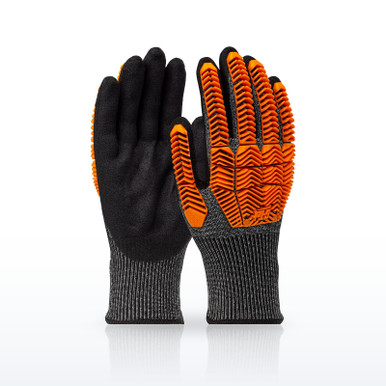
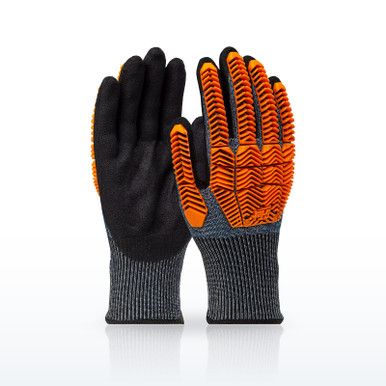 G-Tek PolyKor 16-MPT430 with D3O impact protectionANSI/ISEA 138 level 3, ANSI A4 cut
Why did impact gloves need a standard? Back-of-hand injuries, crushed fingers, broken metacarpals and pinches, are among the most common hand injuries in oil and gas, construction, mining and material handling. Thermoplastic rubber padding on the back of a glove came in to reduce them, and within a few years every brand sold an “impact glove” with no test behind the word. Some padding was decorative. ANSI/ISEA 138, published in 2019, put a drop test and three levels behind the claim so a buyer can compare two gloves by number and a safety officer can write a level into the hazard assessment.
How is the impact level tested?
The test is on the back of the glove only. The palm is cut away and the back is laid over a curved anvil shaped like a hand.
How does ANSI/ISEA 138 compare to the EN 388 P?
EN 388 added an impact test to its 2016 edition, taken from the motorcycle glove standard EN 13594. It uses the same 2.5 kilogram, 5 joule drop, but only on the knuckles, and it gives a pass or fail: P means the mean transmitted force was 7 kilonewtons or less with no single strike over 9. There is no level above a pass. ANSI/ISEA 138 tests the fingers as well and grades the result into three levels, which is why a glove can carry both an EN 388 P and an ANSI level, and why two P-rated gloves can be a level 1 and a level 3 under the US test.
EN 388:2016+A1:2018, clause 6 (impact test per EN 13594:2015) and clause 7 (marking); ANSI/ISEA 138-2019 levels 1 to 3.Reading the two together: an EN 388 P sits roughly between ANSI level 1 and level 2 on the knuckles, and says nothing about the fingers. For a US hazard assessment, write the ANSI level; the product pages here show both where the manufacturer publishes both.
ANSI/ISEA 138-2019 and EN 388:2016 transmitted-force thresholds as published; the comparison is arithmetic on the thresholds, not a formal equivalence.What does the impact level not tell you?
- Cut resistance. That is the ANSI/ISEA 105 level (A1 to A9), tested on the palm material with a blade. An impact glove can be A2 or A7; read both.
- Crush protection. The test is a 5 joule strike, the order of a dropped tool or a knock against steel, not a hand caught between a pipe and a wall. No glove is rated for that.
- Palm protection. The padding is on the back of the hand. A palm strike or a pinch at the fingertips is outside the test.
- Vibration. Anti-vibration gloves are a separate claim under a separate test (ANSI S2.73 / ISO 10819), and most impact gloves make no such claim.
- Fit. Padding that sits off the knuckles because the glove is too long gives the hand less than the level says. The size guide covers measuring.
Which level does a job need?
The standard does not assign levels to industries; it gives the employer a scale. The hazard assessment names the back-of-hand hazard (tools, pipe, chain, rigging, material edges) and the glove is chosen at a level that covers it, weighed against the loss of dexterity that heavier padding brings. In practice level 1 is specified for general construction and material handling, level 2 for heavier industrial work, and level 3 for drilling, rigging, demolition and mining, as the manufacturers who make all three describe them. OSHA does not cite the standard by number; it requires hand protection matched to the hazard and selected from its performance characteristics, and the level is that characteristic for impact.
29 CFR 1910.138(a) and (b); 1910.132(d)(1); manufacturer level descriptions (PIP, Magid). The use examples are typical industry assignments, not part of the standard.Impact gloves by ANSI/ISEA 138 level
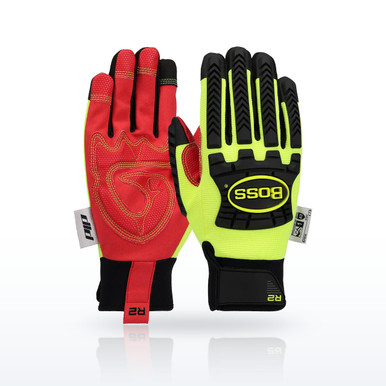
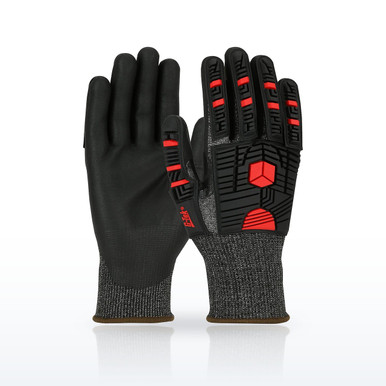
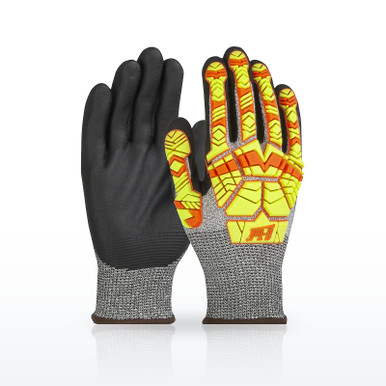
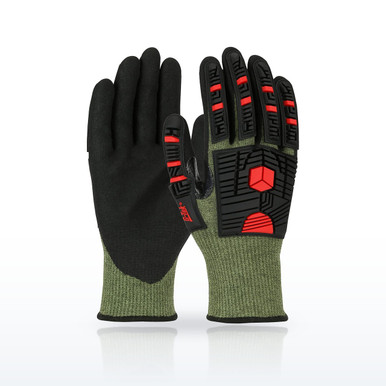
20 items · prices liveThe level shown is the manufacturer’s published ANSI/ISEA 138 rating for the glove. The ANSI cut level and the EN 388 code are on the product page. Free shipping on orders over $199.
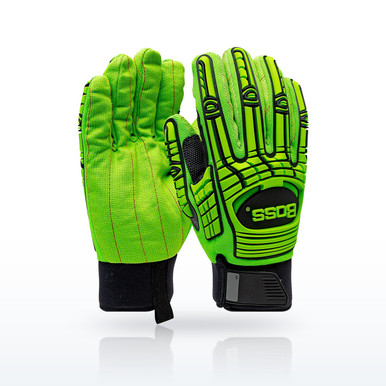
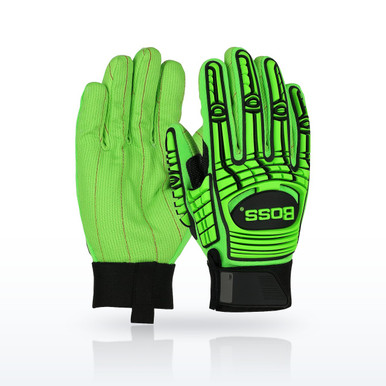
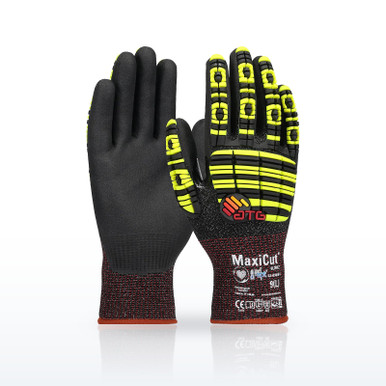
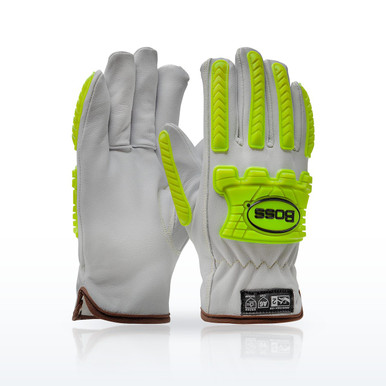
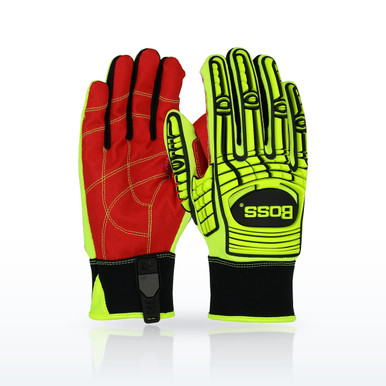
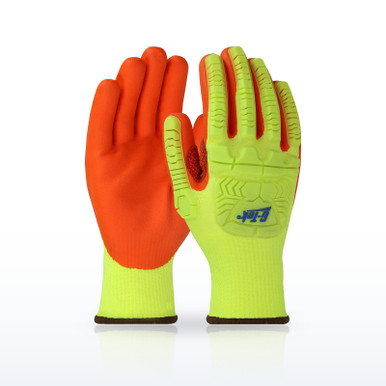
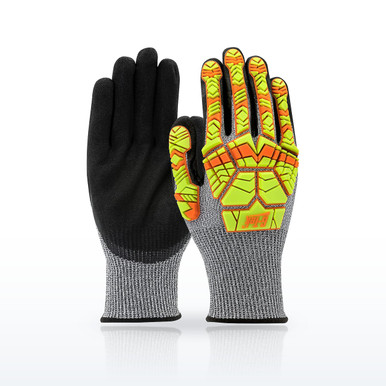
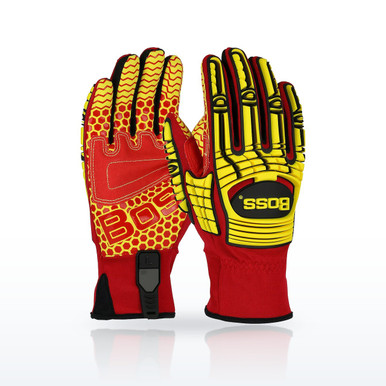
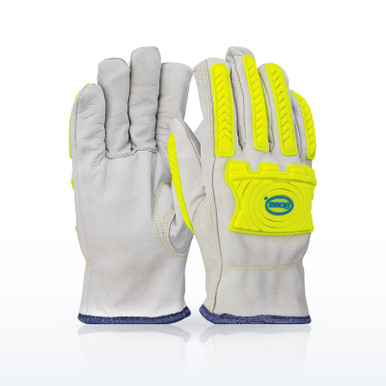
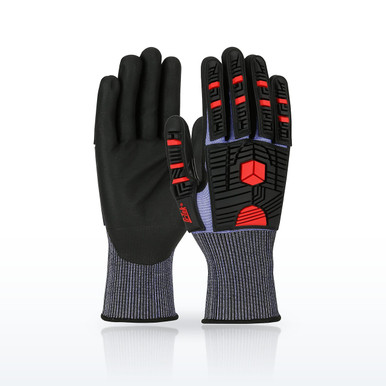
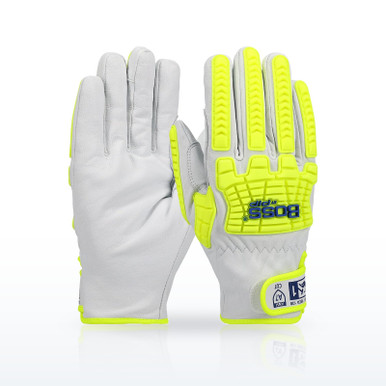
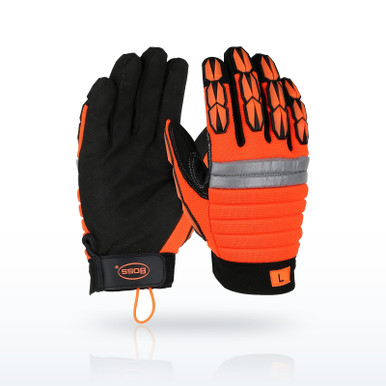
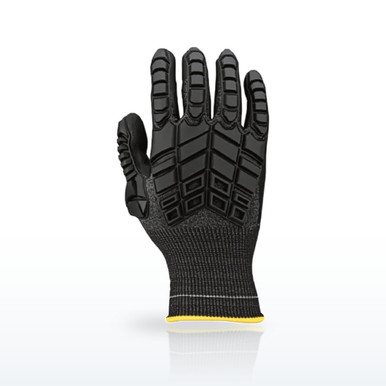
Impact gloves with no published ANSI/ISEA 138 level, and anti-vibration gloves, are on the work glove selector under their own type.
Questions people ask
What is ANSI/ISEA 138?
The 2019 US standard for back-of-hand impact protection on gloves: a 5 joule drop test on the knuckles and fingers, graded into levels 1, 2 and 3 by the force transmitted through the padding.
What is the difference between impact level 1, 2 and 3?
How much force gets through: 9 kilonewtons or less for level 1, 6.5 for level 2, 4 for level 3. Level 3 is the most protective.
Is ANSI impact level 3 the highest?
Yes. The standard has three levels and level 3 is the highest.
Does an impact glove protect against cuts?
Only to the cut level printed on it under ANSI/ISEA 105. The impact level is a separate test on the back of the hand.
What does the P on EN 388 mean for impact?
A pass on the European knuckle-only drop test: mean 7 kilonewtons or less. It is pass or fail, not a level.
Does OSHA require impact gloves?
Not by name. 1910.138 requires hand protection matched to the hazard; where the hazard assessment finds a back-of-hand impact hazard, an ANSI/ISEA 138 level is how the match is written and shown.
Where is the impact rating printed?
Inside the wrist, as a pictogram with the level number, next to the ANSI cut shield. A glove with padding but no mark has no rating.
Are impact gloves good for pinch points?
The test is a strike, not a crush. Padding reduces a knock; nothing in the rating addresses a hand caught between two objects.
Standards and ratings on this page are as published in the documents named and by the manufacturers named. The employer’s hazard assessment and written program decide what applies at a given workplace. Verify a rating on the product and its spec sheet before use.