
Anti-fog safety glasses: what the anti-fog marking means (it is X, not N)
Since the 2020 edition, ANSI/ISEA Z87.1 has an anti-fog requirement and a mark for it: X. A lens marked X stayed free of fog for at least 8 seconds in the standard’s fog test. Before 2020 there was no test, so “anti-fog” on a box meant whatever the manufacturer wanted it to mean; now it can be checked. There is no N mark for anti-fog in Z87.1; if you have seen N it is not from this standard. The X applies to the lens only, not to the whole goggle. Fogging matters because a fogged lens gets pushed up or taken off, and the eye injuries happen in those minutes.
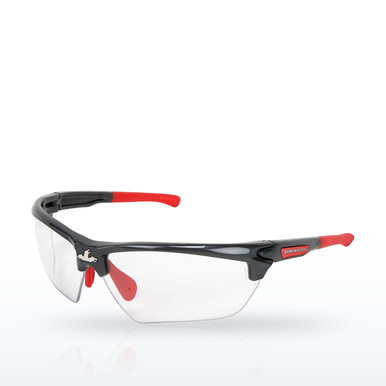
Why is fogging a safety problem? A worker whose lens fogs does one of three things: pushes the glasses up on the forehead, pulls them down the nose, or takes them off to wipe them. All three leave the eye open at exactly the moment the person is doing the work that required the glasses. OSHA’s own guidance on eye protection says fogged lenses impair vision and that fogging may require frequent cleaning. Anti-fog is not a comfort feature; it is the difference between glasses that stay on and glasses that come off.
What does the anti-fog mark mean in Z87.1-2020?
The requirement, the test, the mark and what it does not cover.
How do anti-fog lenses work, and why do they wear out?
Fog is water vapor condensing into droplets on a lens that is cooler than the air next to it: cold glasses walking into a warm shop, or warm breath behind a lens on a cold morning. An anti-fog treatment does one of two things. A hydrophilic coating absorbs the water and spreads it into a clear film instead of droplets. A surfactant treatment lowers the surface tension so droplets flatten and merge into a sheet you can see through. Either way the water is still there; it just is not scattering light.
Mechanism as described in manufacturer technical literature for the coated lenses listed below; Z87.1 tests the result (Section 9.20), not the method.Treatments wear. A surfactant coating washes off; wiping a lens with a dry rag or a paper towel scrubs it away faster, and solvents strip it. Permanent coatings bonded into the lens last longer but still scratch. The manufacturers’ care instructions are the same for all of them: rinse with water, use a lens cleaner or mild soap, blot with a soft cloth, and store out of the dust. A lens that has lost its coating fogs like any other, and a lens that is scratched enough to obscure vision is replaced under OSHA’s maintenance rule.
Manufacturer care instructions for the lenses listed below; 29 CFR 1910.132(a) (PPE maintained in a reliable condition); 1910 Subpart I Appendix B, Section 12 (cleaning; fogged and dirty lenses impair vision).When does anti-fog matter most?
- Cold storage, loading docks and winter outdoor work, where the lens is cold and the breath is warm.
- Hard physical work in a goggle, which traps heat and moisture; indirect-vent and unvented goggles fog fastest, and nearly all are sold with anti-fog lenses for that reason.
- Under a face shield or welding helmet, where air does not move across the lens.
- With a respirator or a dust mask, which pushes exhaled air up behind the glasses. A fit-tested respirator with a good nose seal reduces it; an anti-fog lens handles what is left.
- Humid plants: food processing, washdown, laundries, kitchens.
What to look for on the box
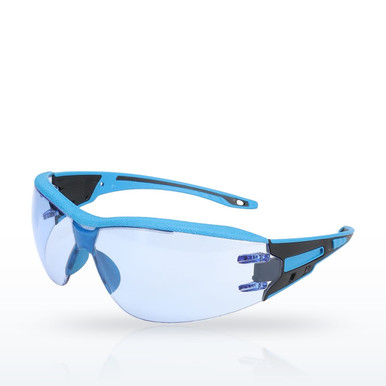
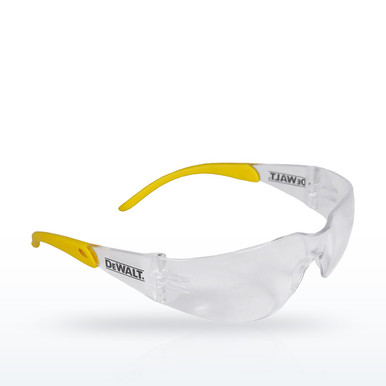
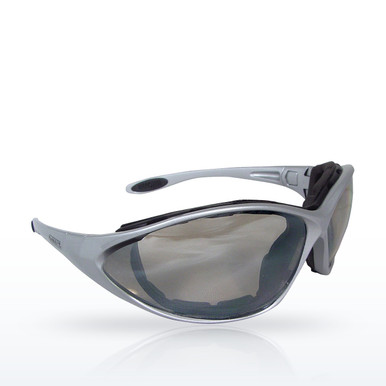
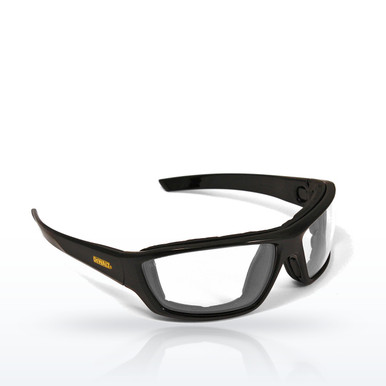
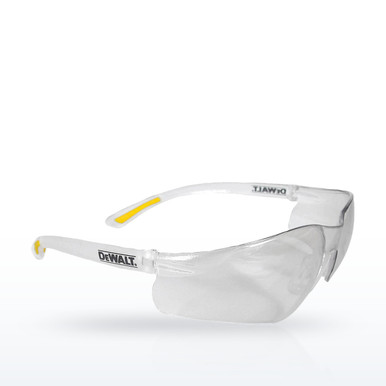
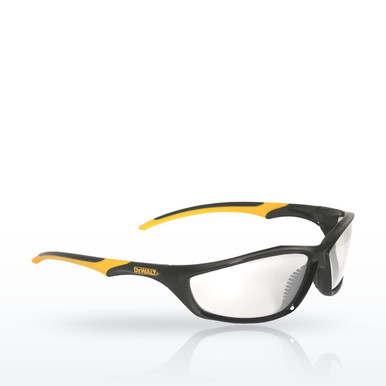
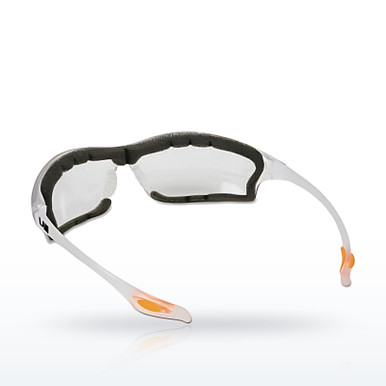
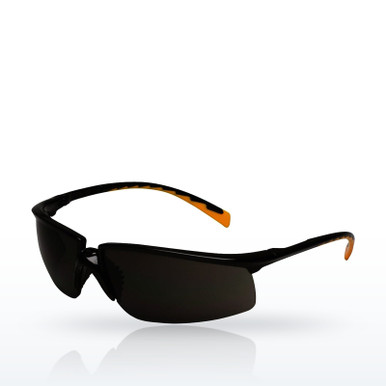
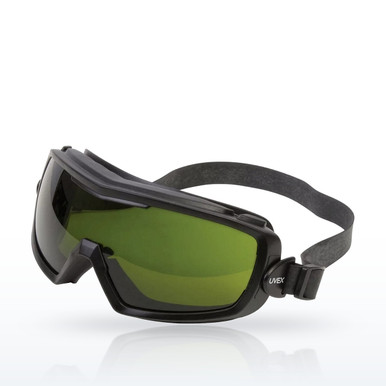
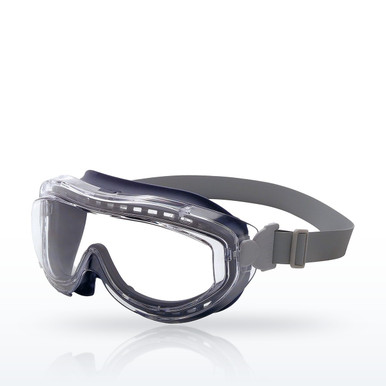
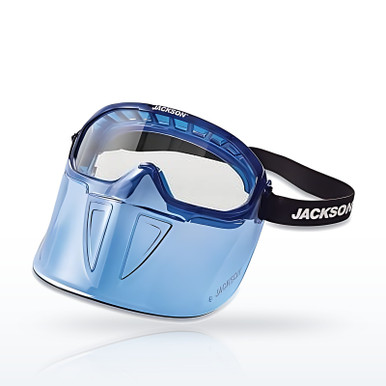
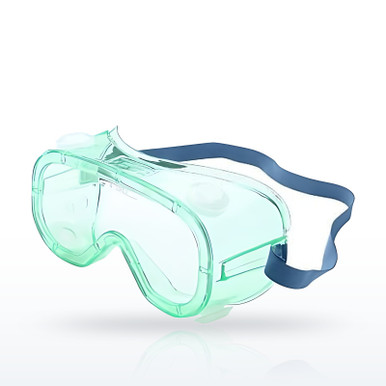
The manufacturer’s mark and Z87 or Z87+ first; without those the lens is not safety eyewear. Then X on the lens if the product is certified to the 2020 edition and the lens passed the fog test. Products certified to the 2015 edition will say anti-fog on the package and spec sheet without an X; that is the manufacturer’s claim, and the 2020 mark is the first time the claim has had a test behind it. The band below shows each item’s mark as the manufacturer publishes it and whether the manufacturer lists the lens as anti-fog.
ANSI/ISEA Z87.1-2020 Table 3 and Section 5.3.1 (marking); 29 CFR 1910.133(a)(4) and (b)(1).Anti-fog safety glasses and goggles
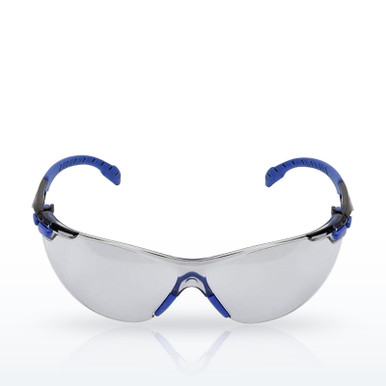
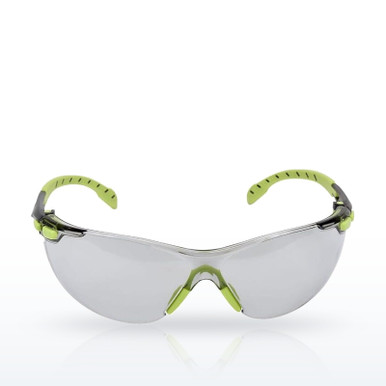
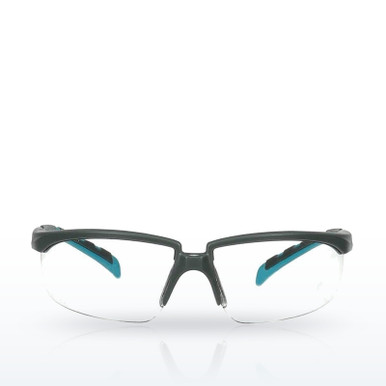
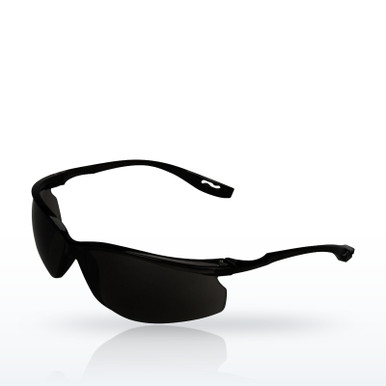
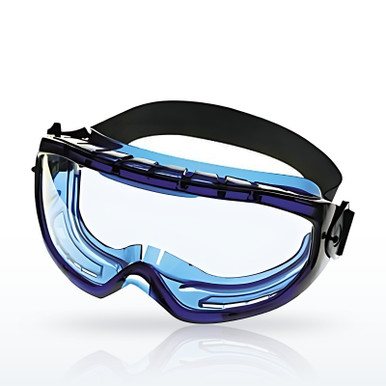
28 items · prices liveItems whose manufacturer lists an anti-fog lens coating. The coating shown is the manufacturer’s description; the ANSI mark (Z87.1 or Z87.1+) is on each item’s product page, and the X mark is on the lens where the manufacturer has certified to the 2020 anti-fog test. Contractor Direct orders ship free.
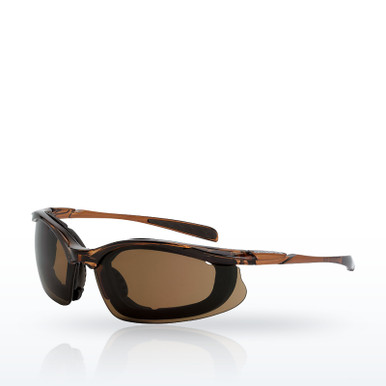
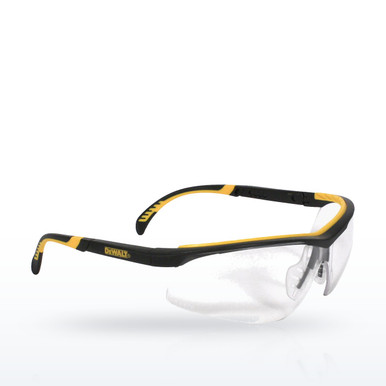
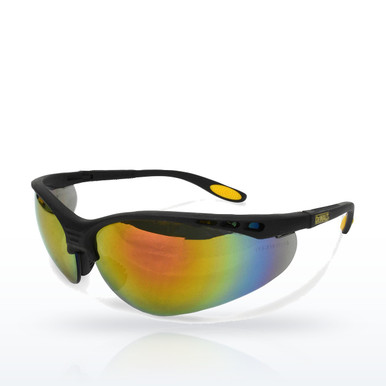
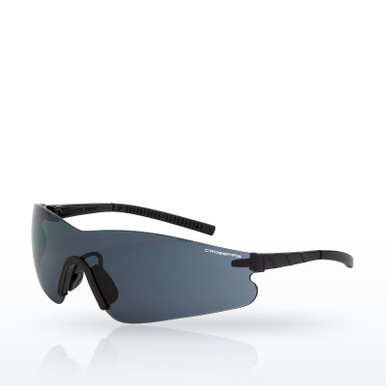
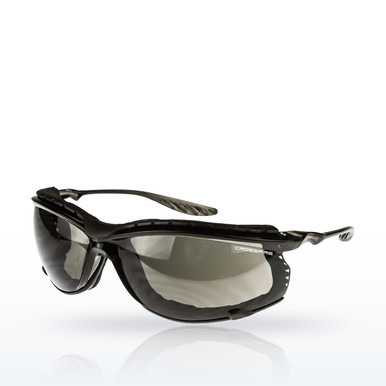
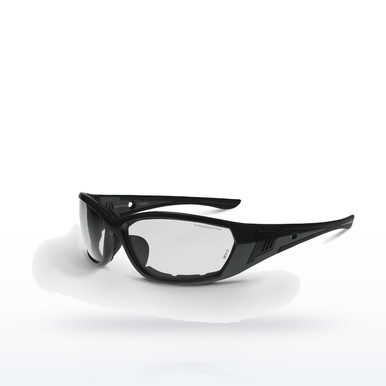
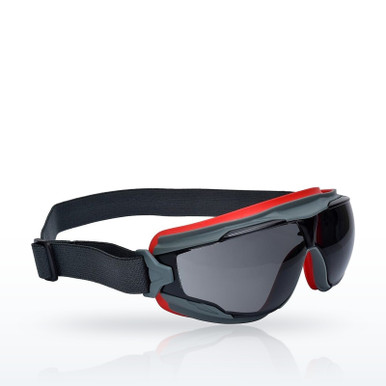
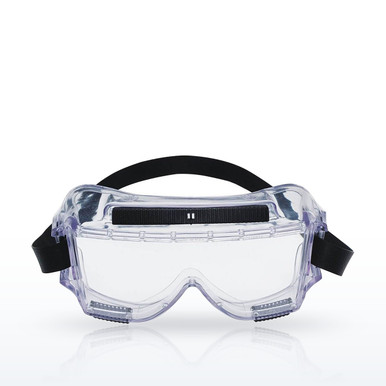
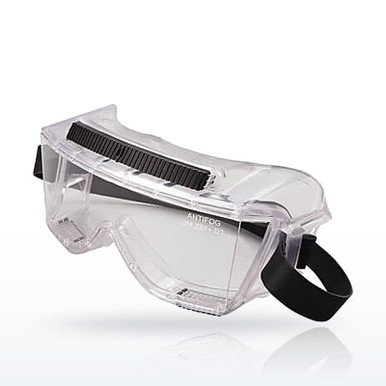
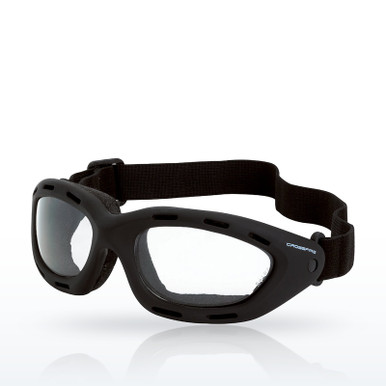
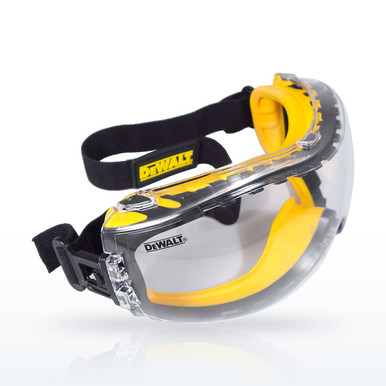
Lens cleaning stations and anti-fog wipes are on the accessories pages of the eye protection finder.
Questions people ask
What is the anti-fog marking on safety glasses?
X. ANSI/ISEA Z87.1-2020 Table 3 lists X as the anti-fog mark, applied to lenses that stay fog-free for at least 8 seconds in the Section 9.20 test.
What does N mean on safety glasses?
Nothing in Z87.1. The 2020 edition has no N mark; its anti-fog mark is X. An N on a frame is a model or size code from the manufacturer, not a rating.
Is anti-fog required by OSHA?
No. OSHA requires appropriate, Z87.1-compliant eye protection that is kept clean and reliable; it does not require an anti-fog lens. Its guidance does say fogged lenses impair vision and that fogging may require frequent cleaning. (1910.133; Appendix B Section 12 and Note 8.)
How long does an anti-fog coating last?
It depends on the coating and the care. Surfactant coatings wash and wipe off; bonded coatings last longer but scratch. Rinse, use lens cleaner or mild soap, blot dry, and replace the lens when it fogs or is scratched enough to obscure vision.
Why do my safety glasses fog with a mask?
Exhaled air escapes over the upper edge of the mask and hits the cooler lens. A better nose seal on the mask reduces it; an anti-fog lens keeps what gets through from forming droplets.
Do anti-fog goggles still fog?
They can. The X mark is a lens test; a sealed goggle traps heat and moisture and can fog faster than the lens can shed it under hard work. Indirect vents and the anti-fog lens together are what the manufacturers rely on.
Can I apply anti-fog spray to safety glasses?
Yes, on a lens that does not already carry a bonded coating; follow the lens maker’s instructions, because some sprays and wipes strip factory coatings. A spray does not add the X mark.
Standards and ratings on this page are as published in the documents named and by the manufacturers named. The employer’s hazard assessment and written program decide what applies at a given workplace. Verify a rating on the product and its spec sheet before use.