
Safety glasses vs safety goggles: when each one is required
Safety glasses protect against impact: flying particles from grinding, chipping, drilling, nailing. They have side shields but no seal, so anything that can go around a lens, liquid splash, fine dust, chemical vapor, gets in. Safety goggles seal to the face. OSHA’s rule names the hazards, flying particles, molten metal, liquid chemicals, acids and caustics, chemical gases or vapors, and light radiation, and the employer’s hazard assessment matches each to a protector. The ANSI mark tells you what the protector was tested for: Z87+ for high impact, D3 for splash, D4 for dust, D5 for fine dust. A face shield is worn over glasses or goggles, never instead of them.
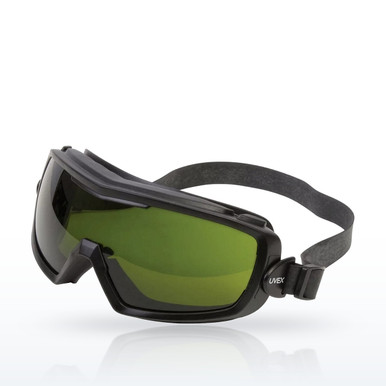
Why do splash and dust need a goggle? A splash does not travel in a straight line toward the eye; it comes from below, from the side, off a surface. Side shields on glasses stop a particle on a path; they do not stop a liquid running down the brow or a dust cloud. The goggle’s seal is the whole point, and the vent type decides what the seal keeps out: indirect vents let air in but not liquid, no vents keep out fine dust and vapor, direct vents keep out only impact.
Which one for which hazard?
The hazards in 1910.133(a)(1), matched to the protector.
What do the marks on the frame and lens mean?
- Z87: meets the basic impact test (a 1-inch steel ball dropped from 50 inches onto the lens).
- Z87+: meets the high-velocity impact test (a quarter-inch steel ball at 150 feet per second) and the high-mass test; the plus must be on both the lens and the frame.
- D3: droplet and splash. D4: dust. D5: fine dust. These are goggle marks; a protector without a seal cannot carry them.
- W plus a number: welding filter shade. U: ultraviolet scale number. R: infrared. L: visible light transmittance. V: variable tint. S: special purpose tint.
- H: fits smaller head sizes. Z87-2: a prescription frame or carrier.
- The manufacturer’s name or mark must be on it too; an unmarked lens is not a Z87.1 protector.
What is the difference between direct-vent, indirect-vent and unvented goggles?
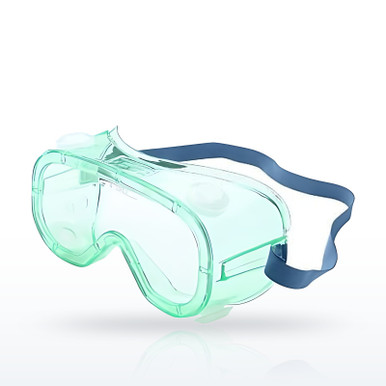
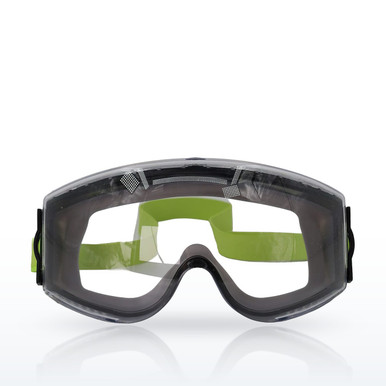
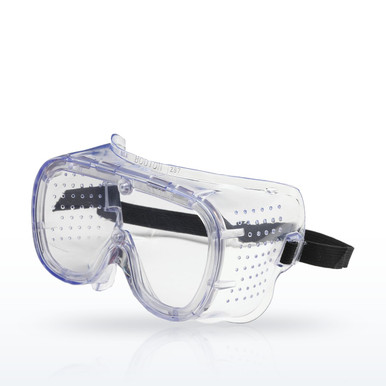
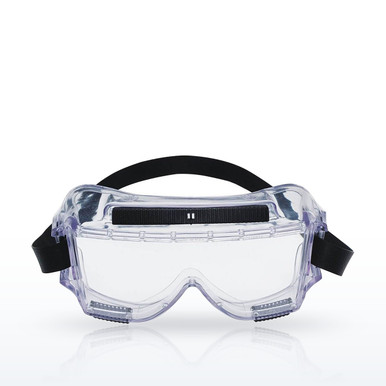
Direct vent: holes straight through the frame. Best airflow, least fogging, stops impact only; liquid and dust come straight through the holes. Indirect vent: baffled or capped vents, air gets in around a corner, liquid cannot; the D3 splash goggle is almost always indirect vent. Unvented: no openings; the only choice for fine dust and for gases and vapors, and the one that fogs fastest, which is why these lenses carry anti-fog coatings and some have a small fan. The vent is the single spec that decides whether a goggle is right for a liquid hazard.
ANSI/ISEA Z87.1-2020 D3, D4 and D5 test requirements; manufacturer product data (UVEX, 3M, Bouton, Jackson) on vent type by model.When do you add a face shield?
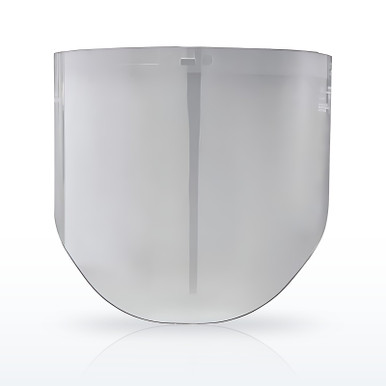
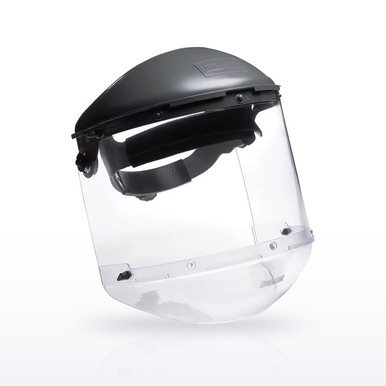
When the hazard reaches the face, not just the eyes: chemical splash from a bath or line, molten metal, large chips from a wire wheel or chainsaw, bloodborne splatter. The shield is secondary protection. OSHA and Z87.1 treat it as worn over glasses or goggles, because a shield is open at the bottom and sides and a particle that bounces under it hits an unprotected eye. For grinding, Z87+ glasses under a Z87+ shield; for chemicals, D3 goggles under a shield.
29 CFR 1910.133(a)(1); ANSI/ISEA Z87.1-2020 selection guidance (face shields as secondary protectors); OSHA Eye and Face Protection eTool.Safety glasses, goggles and face shields by mark
28 items · prices liveMarks, vent type and lens coating are as published by the manufacturer on each product page; the Z87 column is from the manufacturer’s listing. Contractor Direct orders ship free.
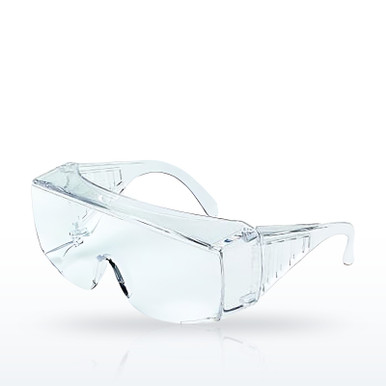
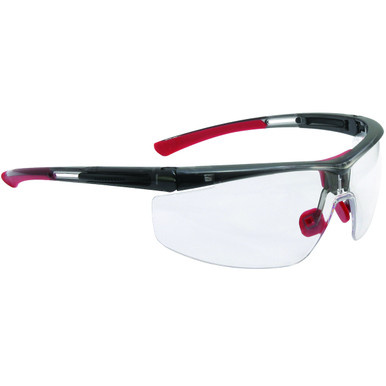
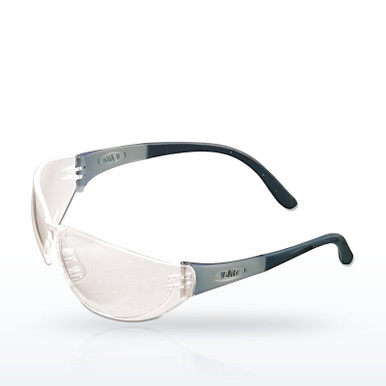
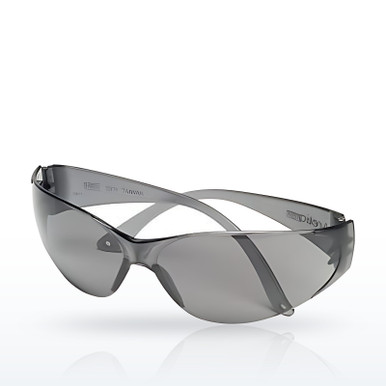
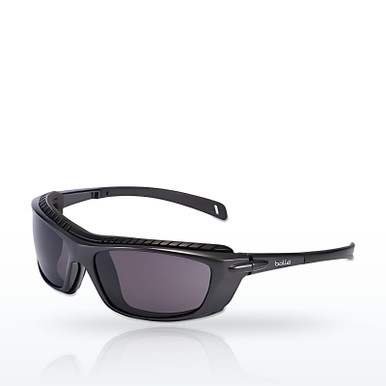
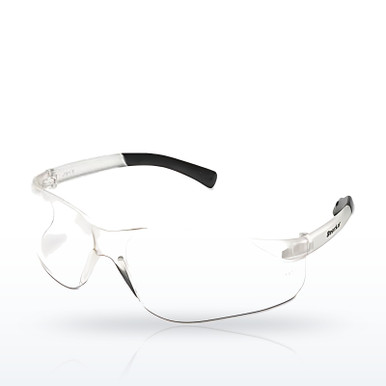
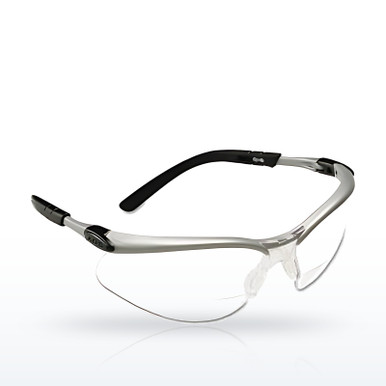
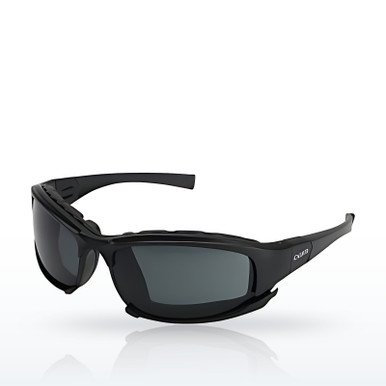
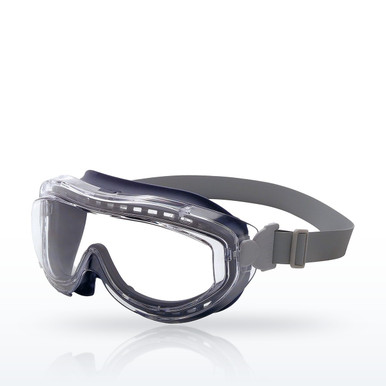

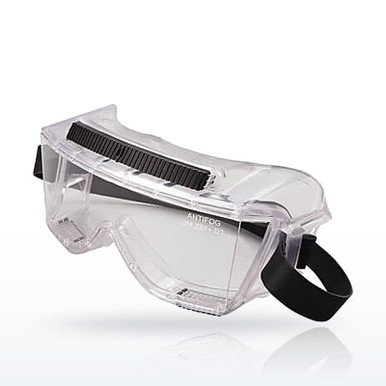
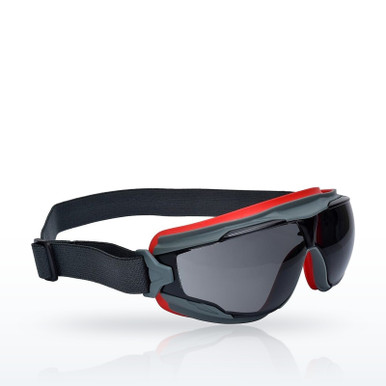
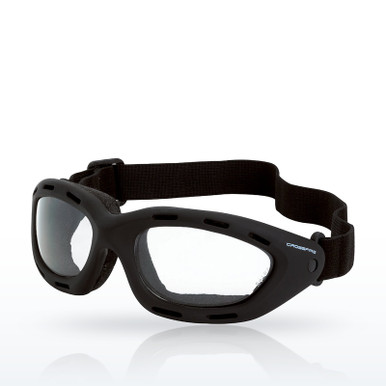
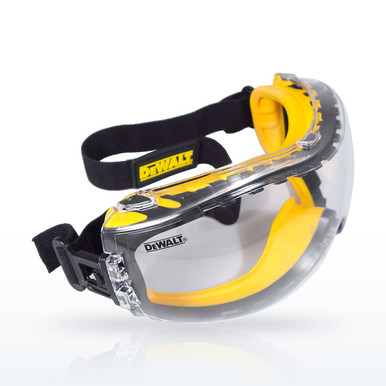
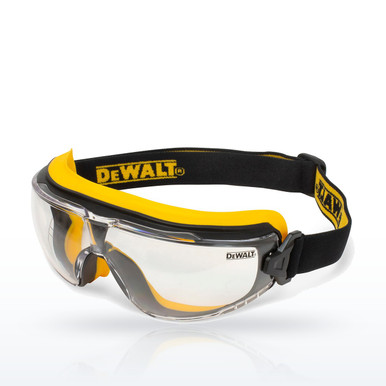
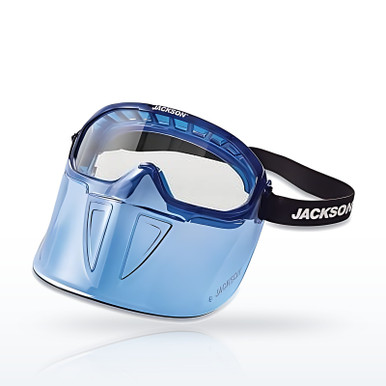
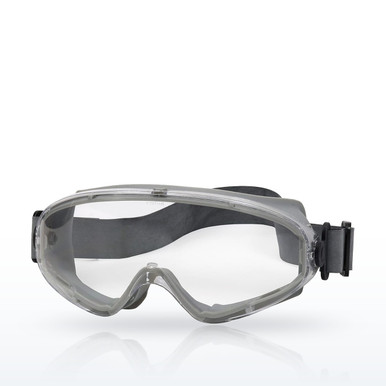
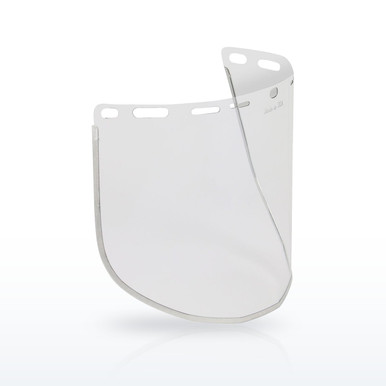
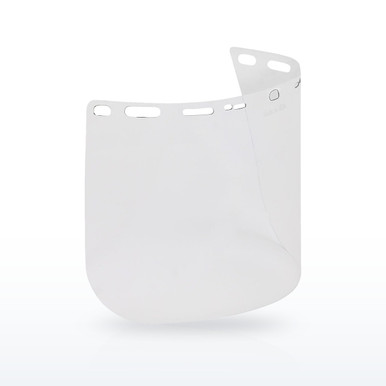
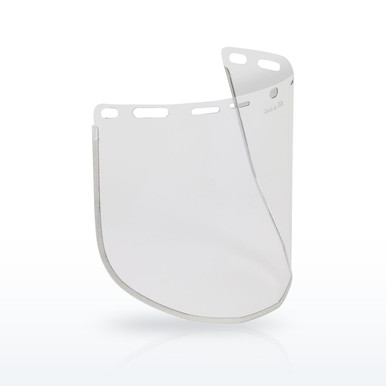
The full range, with tint and coating filters, is in the eye protection finder.
Questions people ask
What is the difference between safety glasses and safety goggles?
Glasses protect from impact with side shields and no seal; goggles seal to the face and, depending on vents, keep out splash, dust and vapor as well as impact.
When are goggles required instead of safety glasses?
When the hazard is a liquid chemical, acid or caustic, a chemical gas or vapor, or dust: anything that can get around a lens. The employer’s hazard assessment makes the call under 1910.132 and 1910.133.
What does Z87+ mean?
High-impact rated under ANSI Z87.1: the lens and frame passed the high-velocity and high-mass tests. Plain Z87 is basic impact.
What does D3 mean on goggles?
Tested for droplet and splash protection. D4 is dust, D5 fine dust.
Can I wear a face shield instead of safety glasses?
No. A shield is open at the bottom and sides; it goes over glasses or goggles.
Do safety glasses need side shields?
Yes, whenever flying objects are the hazard; 1910.133(a)(2) requires side protection, and clip-on shields that meet the standard are acceptable.
Are goggles OK over prescription glasses?
Yes, if they fit over them without disturbing either pair; OTG goggles and glasses are made for it (1910.133(a)(3)).
Which ANSI edition does OSHA require?
OSHA incorporates Z87.1-2010, 2003 and 1989 (R-1998); manufacturers now certify to the 2015 and 2020 editions, and OSHA’s treatment of newer editions is set out in its interpretation letters, so a Z87.1-2020 mark is what you will find on current product.
Standards and ratings on this page are as published in the documents named and by the manufacturers named. The employer’s hazard assessment and written program decide what applies at a given workplace. Verify a rating on the product and its spec sheet before use.