
Can cut-resistant gloves be washed? Care and when to replace them
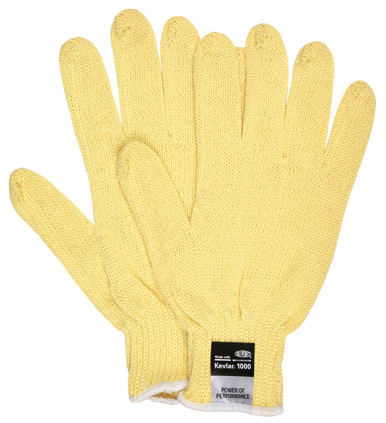
Yes, most cut-resistant knit gloves can be washed, and the makers publish instructions for it. The general limits are warm water, not hot (Ansell: no more than 104°F for nylon, aramid and HPPE knits; some HPPE yarns tolerate more), ordinary detergent, no chlorine bleach on aramid (Kevlar), and low-heat tumble or air drying. What washing cannot do is restore a glove. Cut resistance comes from the yarn: HPPE and aramid hold their rating through repeated washes, but yarns that get their level from glass fiber lose some with each cycle as the glass breaks. A glove is replaced when the knit is cut, thinned or holed, when the coating peels, or when the maker’s wash count is reached, whichever comes first.
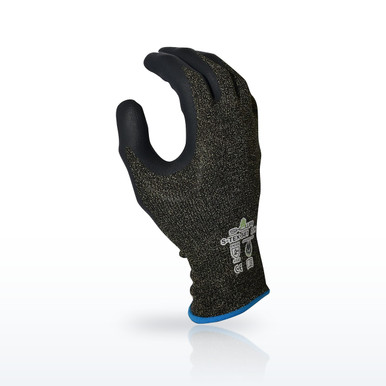
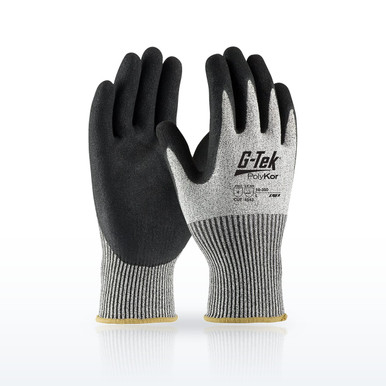 G-Tek PolyKor 16-350 cut-resistant glovesANSI A4, double-dipped nitrile, 13-gauge PolyKor knit
Why does it matter how a cut glove is washed? A cut-resistant glove is the one piece of hand protection whose rating can quietly fall while it still looks fine. Hot water and chlorine attack aramid; heat and agitation break the glass filaments some yarns depend on; and solvents strip or stiffen the coating that gives the grip. The ANSI level printed on the back was measured on a new glove. Following the maker’s wash limits is how you keep the glove close to that number for its working life, and knowing which yarn you have tells you whether washing costs you anything at all.
What do manufacturers say about washing?
Published laundering instructions from makers whose gloves are in the band. The glove’s own spec sheet governs; where it differs, follow it.
Does washing change the ANSI cut level?
The level is measured once, on a new glove, by the ASTM F2992 test: a straight blade is drawn across the material under increasing load until it cuts through, and the load in grams sets the level from A1 (200 grams) to A9 (6,000 grams and up). Nothing in ANSI/ISEA 105 rates a washed glove, and no maker re-rates after laundering. What they publish instead is yarn behavior. DuPont reports that 100 percent Kevlar gloves showed no significant change in cut resistance after 10 wash cycles, though the yarn loses some tensile strength, shrinks and may change color. HPPE yarns without glass keep their cut resistance through washing. Glass-core yarns, which many A4 to A9 gloves use to reach their level, are the ones that drop.
ANSI/ISEA 105-2016, cut classification by ASTM F2992-15; DuPont Kevlar and Dyneema laundering data as published by MCR Safety.The practical rule: if the spec sheet names the yarn (HPPE, aramid, a branded blend) and gives a wash temperature, the maker expects the glove to be laundered. If it names a glass or steel core and says nothing about washing, treat each wash as a step down and inspect the glove against a new one.
Manufacturer spec sheets; the yarn is listed on each product page under shell material.How do you wash cut-resistant gloves at work?
- Sort by yarn and coating. Aramid and HPPE in one load, PVC and nitrile full-dip gloves in another, leather out. Mixed loads get the lowest temperature in the group.
- Close the cuffs and turn coated gloves inside out so the liner, which holds the sweat and dirt, gets the detergent.
- Warm water, 10 minutes, ordinary detergent. No hotter than the maker’s limit (104°F is the common figure). No chlorine bleach on aramid. No dry-cleaning solvent on any knit.
- Rinse: warm for aramid and nylon, cold for HPPE. A second wash and rinse for heavy soil; a few pieces of heavy canvas in the second wash help loosen grime.
- Dry low. Tumble at or below 104°F, 10 minutes for HPPE, or hang to dry. Never a hot dryer: heat shrinks aramid and hardens coatings.
- Inspect before reissue. Hold each glove up to the light. A cut in the knit, a thin spot at the fingertip, a peeling or cracked coating, or a lost shape means it is finished.
When do you replace a cut-resistant glove?
- Any cut or hole in the knit, anywhere. The yarn stops the blade only where it is intact.
- Thinning or fuzzing at the fingertips, thumb crotch or palm, which is where the knit wears through first.
- A coating that is peeling, cracked, hardened or worn away over the palm; grip is gone and the knit under it is exposed.
- Contamination that will not wash out: oil, solvent or chemical the glove was not built for.
- The maker’s stated wash limit, where one is given. DuPont’s figure for Kevlar gloves is that most last fewer than 10 cleaning cycles from normal wear.
- Any glove contaminated with blood or body fluids under the bloodborne pathogens standard is not reused unless it is a utility glove that can be decontaminated intact.
Cut-resistant gloves by ANSI level
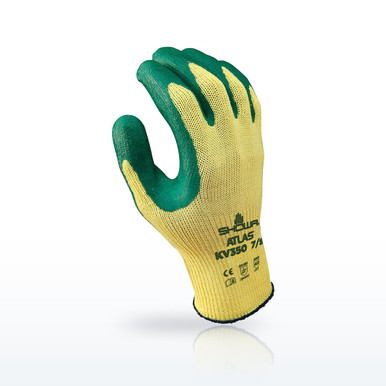
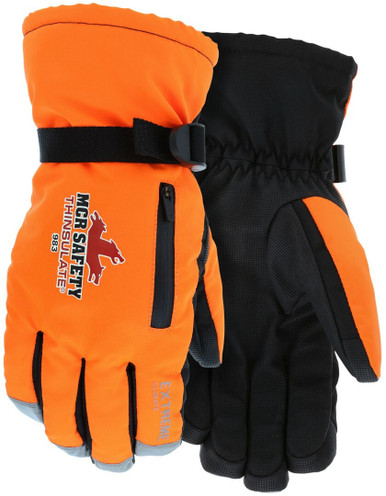
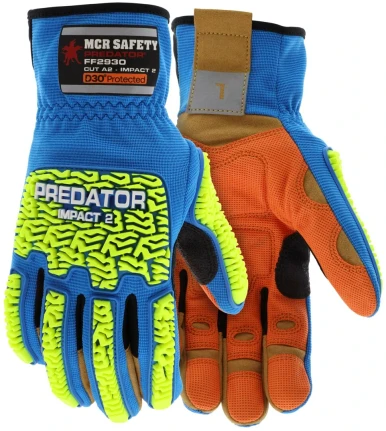
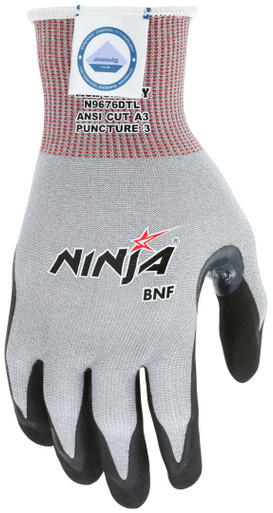
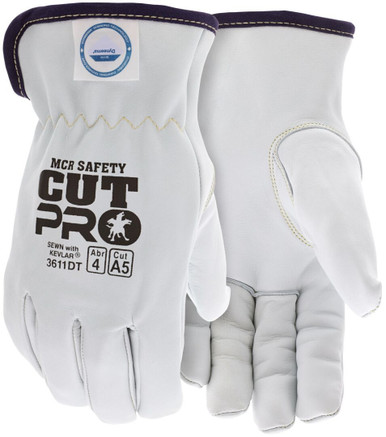
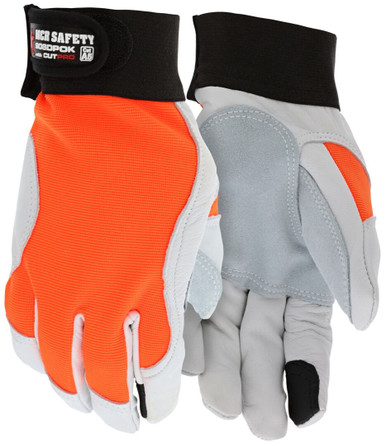
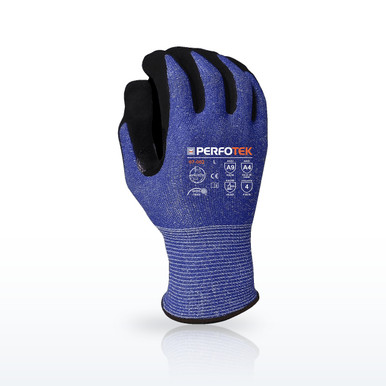
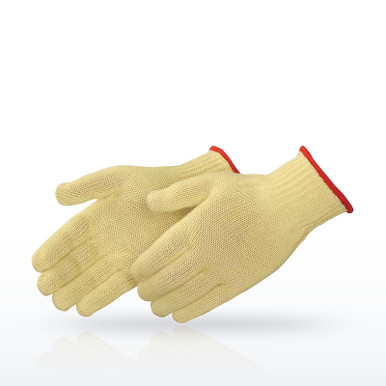
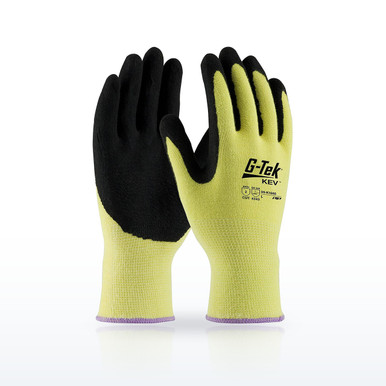
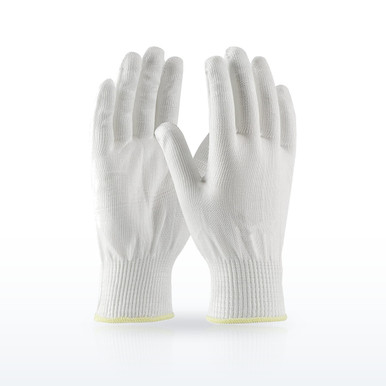
30 items · prices liveEach glove is listed at the ANSI/ISEA 105 cut level its manufacturer publishes for the new glove; the yarn and the care instructions are on each product page. Free shipping on orders over $199.
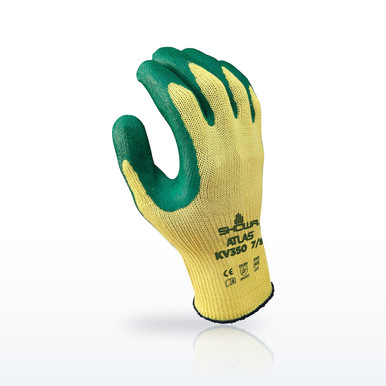
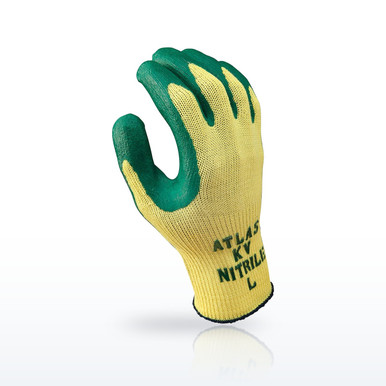
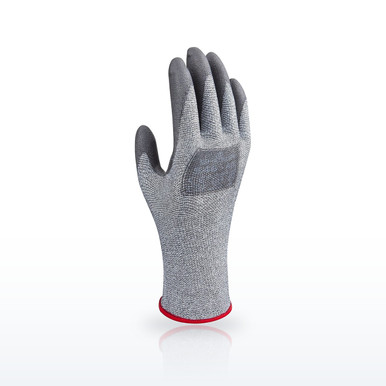
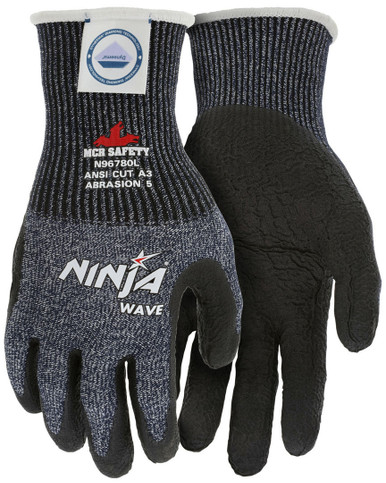


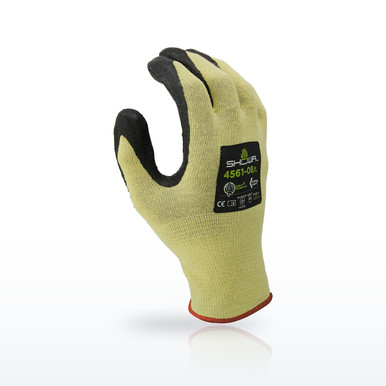
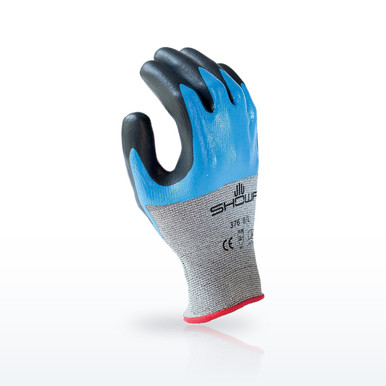
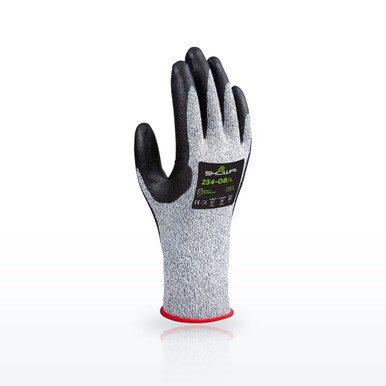
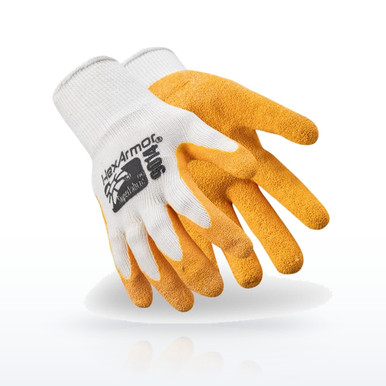
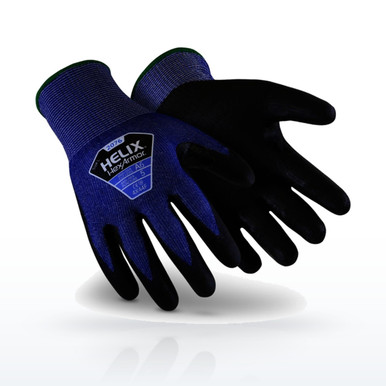
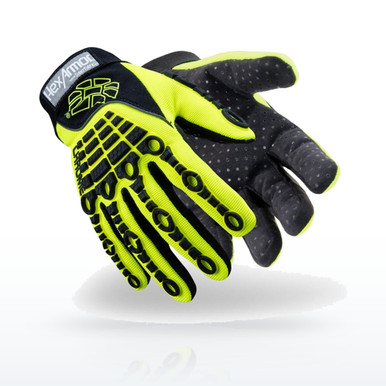
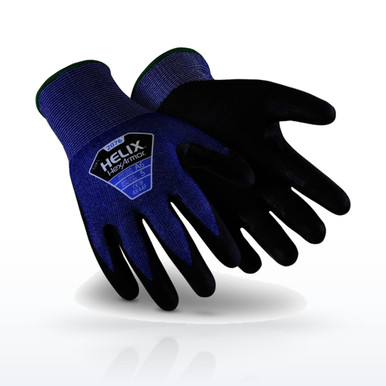
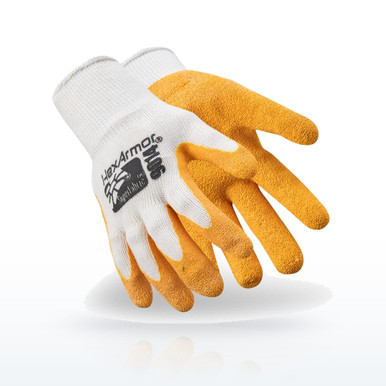
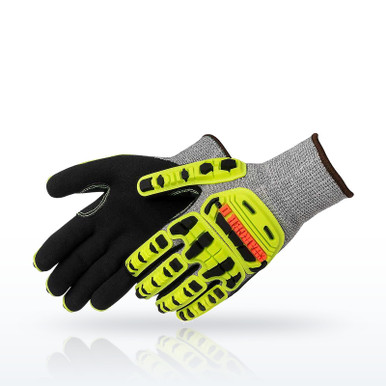
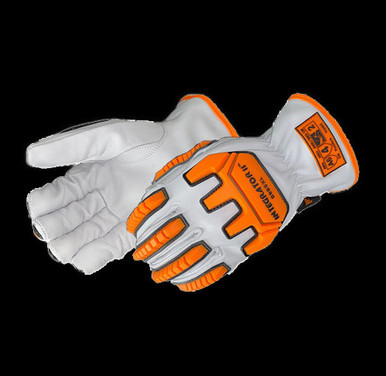
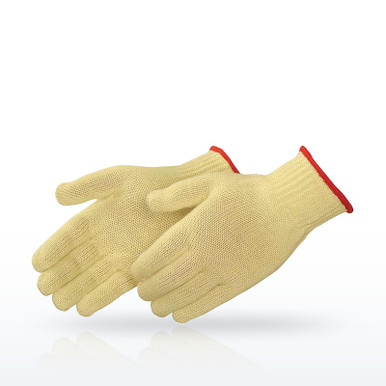
All 900-plus cut-resistant gloves we carry are on the work glove selector, filtered by level, coating and yarn.
Questions people ask
Can you put cut-resistant gloves in the washing machine?
Yes, for knit HPPE, aramid and nylon gloves: warm water no hotter than the maker’s limit (Ansell: 104°F), ordinary detergent, low tumble or air dry. Not leather, and not with dry-cleaning solvent.
Does washing reduce cut resistance?
Not for 100 percent aramid or glass-free HPPE yarns, per DuPont and MCR Safety data. Yarns that use a glass-fiber core lose cut performance with each wash.
Can you bleach cut-resistant gloves?
Never chlorine bleach on aramid (Kevlar); it destroys the fiber strength. Oxygen bleach is acceptable on aramid, and Ansell allows bleach on HPPE to restore whiteness.
How hot can the water be?
Ansell’s limit for nylon, aramid and HPPE knits is 104°F for both wash and dry. Some yarns tolerate more; the product spec sheet gives the figure.
Can you put cut-resistant gloves in the dryer?
Low heat only, at or below the maker’s limit (104°F in Ansell’s instructions), and for HPPE no longer than 10 minutes. Hanging to dry is always acceptable.
How many times can cut gloves be washed?
DuPont’s figure is that most Kevlar gloves last fewer than 10 cleaning cycles before normal wear ends their life. Other makers give no count; inspect after every wash.
When should cut-resistant gloves be replaced?
At any cut or hole in the knit, thinning at the fingertips or palm, a peeling or cracked coating, or contamination that will not wash out.
Does washing restore the ANSI rating?
No. The rating was measured on the new glove and nothing brings it back; washing only removes dirt and keeps the yarn from being degraded faster.
Standards and ratings on this page are as published in the documents named and by the manufacturers named. The employer’s hazard assessment and written program decide what applies at a given workplace. Verify a rating on the product and its spec sheet before use.