
Cold-weather work gloves: what the EN 511 ratings mean
EN 511 is the European standard for gloves that protect against cold, and it is the only published rating system for winter work gloves; there is no ANSI equivalent. A rated glove carries a snowflake pictogram and three digits. The first is convective cold, 0 to 4, how well the glove holds in heat against cold air. The second is contact cold, 0 to 4, how well it insulates the hand from a cold surface. The third is water penetration, 0 or 1, whether water got through in a timed immersion. An X in any position means that test was not run. A glove marked 231 is level 2 against cold air, level 3 against cold surfaces, and waterproof. The band below lists our insulated gloves by the code each manufacturer publishes.
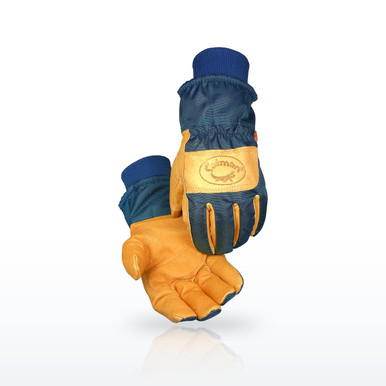
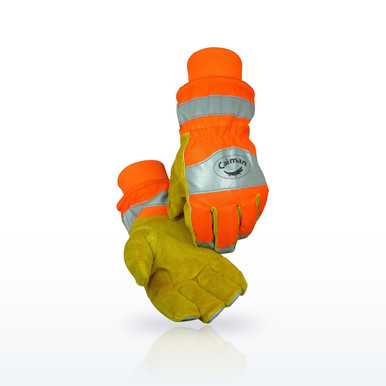 Caiman 1353 insulated split cowhide glovesEN 511 221: convective 2, contact 2, waterproof
Why rate cold the way EN 511 does? Cold reaches a hand three ways: through the air, which is what wind chill is; through whatever the hand is holding, a steel pipe or a frozen pallet; and through water, which strips insulation of its value the moment it soaks in. A single warmth number would hide which one a glove is good at. Separating the three lets a lineman pick a glove that handles cold steel and a flagger pick one that beats wind, and lets the water digit tell both of them whether it will still be warm at noon when it is wet.
How do you read an EN 511 code?
Three digits after the snowflake, always in this order. A higher number is more protection; 0 means the glove was tested and did not reach level 1; X means not tested.
Which digit matters for your work?
Outdoor crews standing or walking in wind, traffic control, yard and dock work, equipment operators in open cabs: the first digit. Handling cold steel, rebar, pipe, frozen goods, ice and refrigerated product: the second digit, and it is the one most often an X on general-purpose winter gloves. Wet snow, slush, washdown and fish or food processing: the third digit has to be a 1 or the first two do not matter for long. Most insulated coated gloves publish a strong contact digit and a 0 or X for water unless they are fully dipped.
EN 511:2006 test definitions; the code for each glove in the band is the manufacturer’s published rating.How does EN 511 fit with the ANSI ratings on the same glove?
EN 511 covers cold only. The same glove usually carries an ANSI/ISEA 105 cut level (A1 to A9), an abrasion level and sometimes an EN 388 mechanical code, each from its own test. A winter glove for rebar work needs its cut level read from the ANSI mark and its cold performance read from the EN 511 digits; neither tells you anything about the other. There is no ANSI cold rating, so EN 511 is what U.S. manufacturers publish when they rate a glove for cold at all. OSHA puts harmful temperature extremes on the list of hazards an employer must select gloves for, and the EN 511 code is the performance characteristic that selection rests on.
ANSI/ISEA 105-2016 (cut, abrasion, puncture, heat; no cold classification); EN 511:2006; 29 CFR 1910.138(a) and (b).What else decides how warm a glove is on the job?
- Fit. A tight glove compresses the insulation and cuts circulation; size up over a liner.
- Dryness. Sweat from the inside does what rain does from the outside. A liner that can be swapped at the break keeps the outer glove dry.
- The coating. A full PVC or nitrile dip is the usual route to a water digit of 1; a palm-only dip breathes better and gets a 0 or X.
- Insulation type. Fleece, acrylic terry, Thinsulate, Thermolite and foam each publish their own numbers; the EN 511 digits are the way to compare them across brands.
- Dexterity. A level 4 convective glove is a mitt in all but name. Many crews carry a thin rated glove for the task and a heavy one for the walk between tasks.
Insulated work gloves by EN 511 code
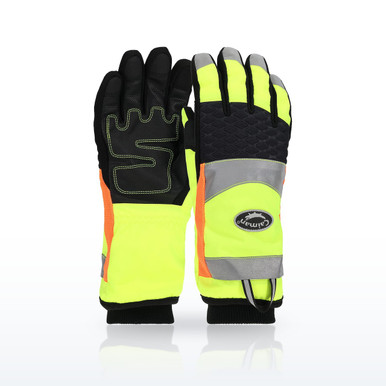
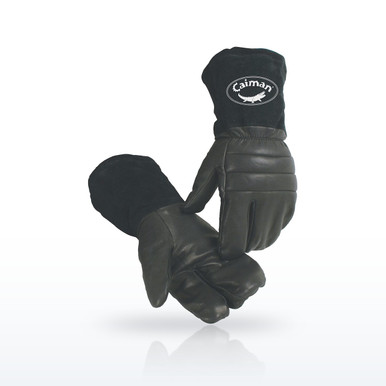
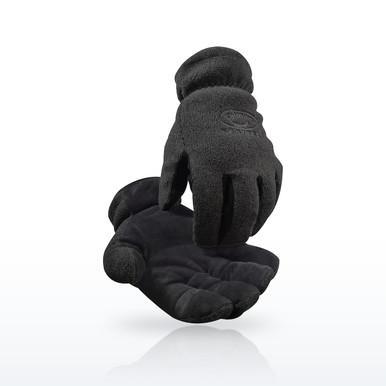
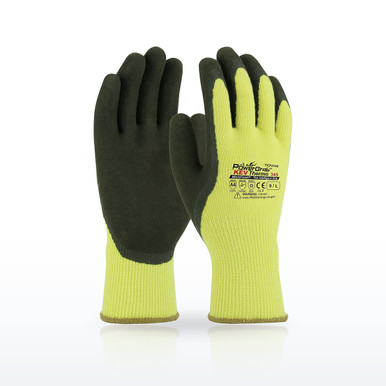
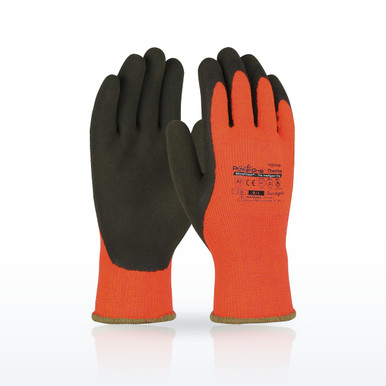
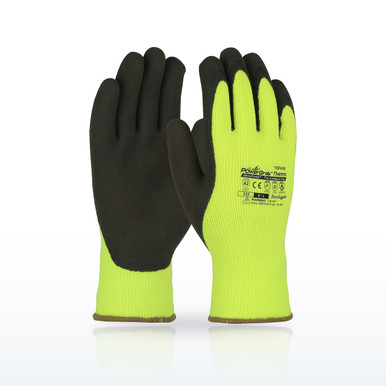
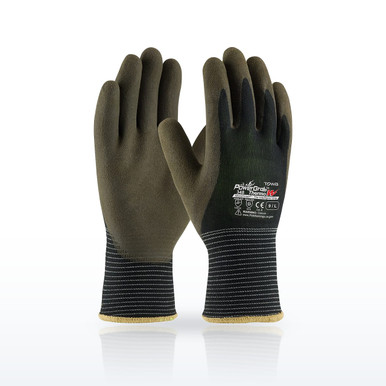
28 items · prices liveThe three-digit code is as published by each manufacturer: convective cold, contact cold, water penetration; X means not tested. Lining, coating and ANSI cut level are on the product page. Contractor Direct orders ship free.
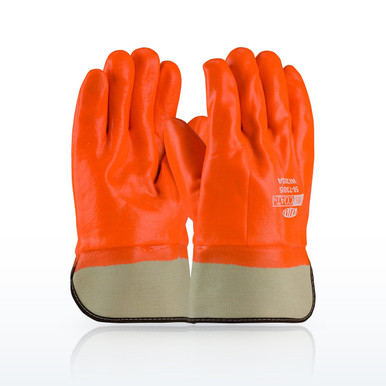
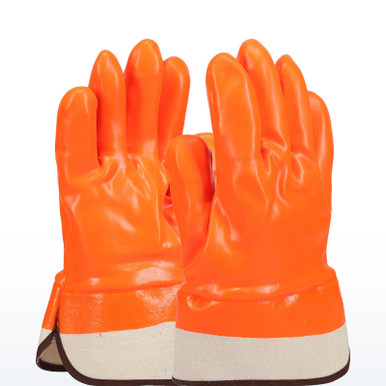
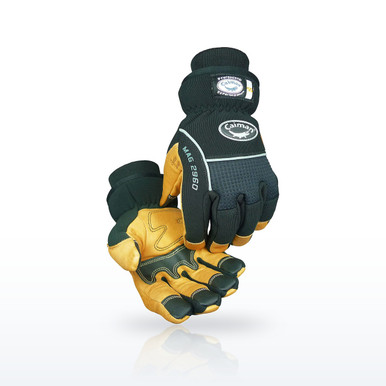
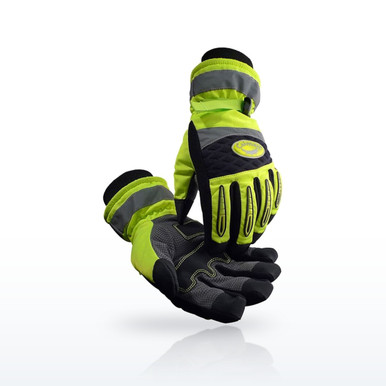
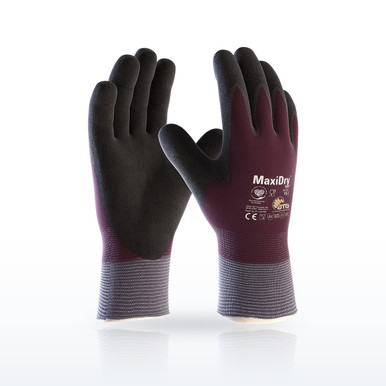
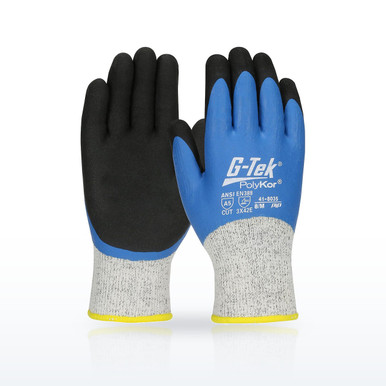
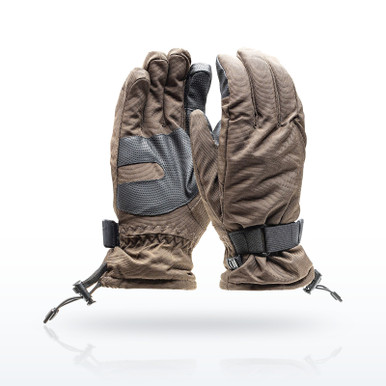
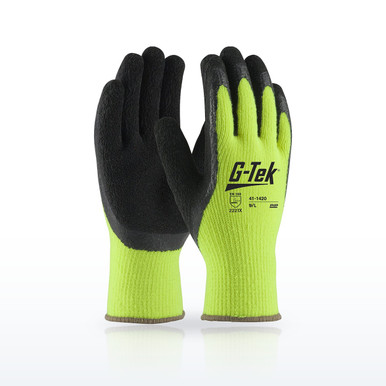
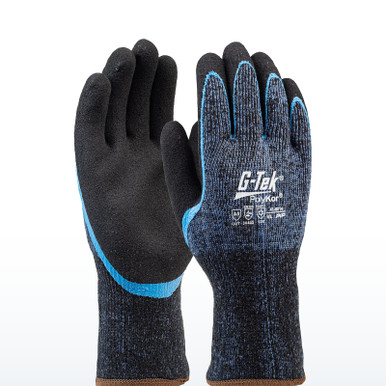
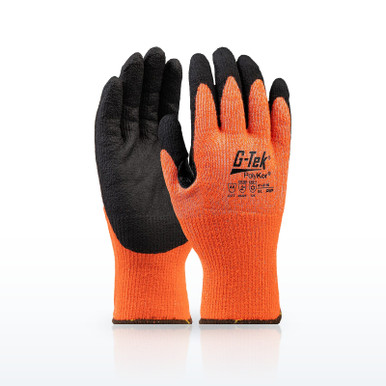
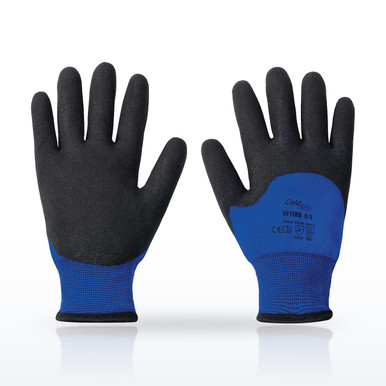
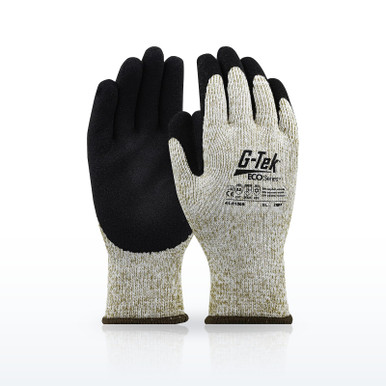
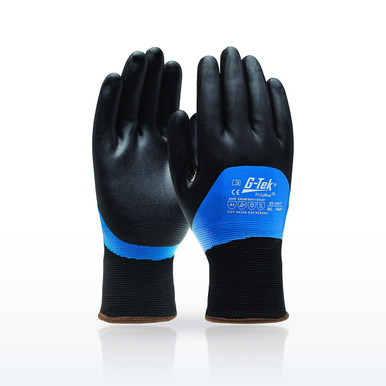
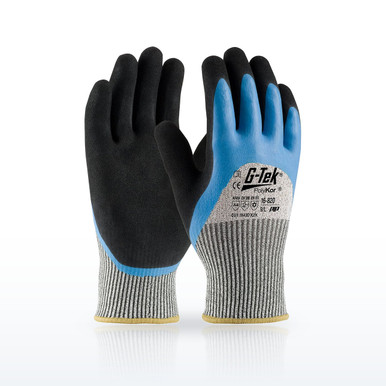
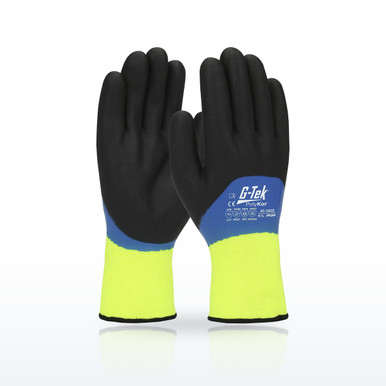
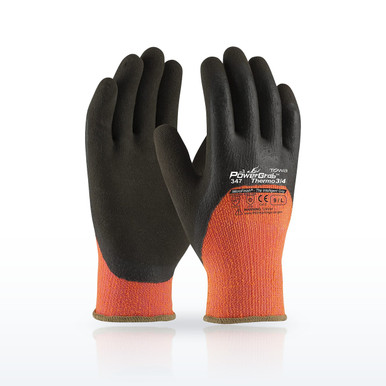
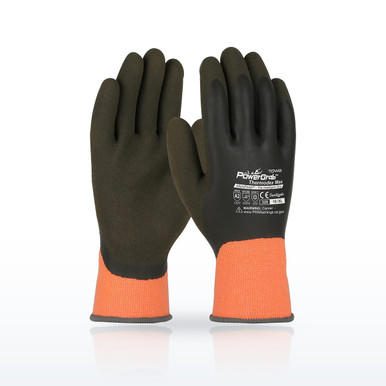
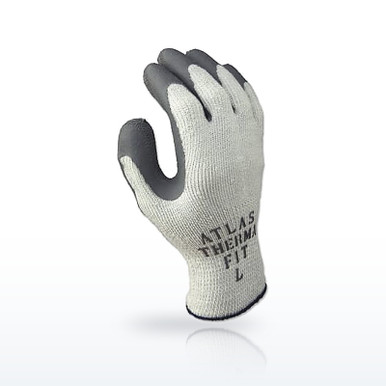
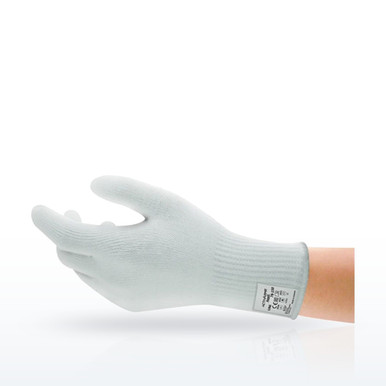
All 140 cold-weather gloves we carry, rated and unrated, are on the work glove selector.
Questions people ask
What does EN 511 mean on gloves?
The European cold-protection standard. The three digits under the snowflake are convective cold (0 to 4), contact cold (0 to 4) and water penetration (0 or 1).
What is a good EN 511 rating?
It depends on the hazard. Cold air calls for a higher first digit, cold surfaces a higher second digit, and wet work a 1 in the third position. Level 4 in either cold test is the maximum.
What does the X mean in an EN 511 rating?
That property was not tested. X2X means the glove was rated level 2 for contact cold and not tested for convective cold or water.
What temperature is an EN 511 glove rated for?
None. EN 511 reports insulation and thermal resistance values, not temperatures. Any comfort range in degrees is the manufacturer’s own claim.
Is there an ANSI standard for cold-weather gloves?
No. ANSI/ISEA 105 rates cut, puncture, abrasion, heat and chemical performance and has no cold classification. EN 511 is what manufacturers use.
Does EN 511 water penetration mean the glove is waterproof?
It means no water reached the inside during the standard’s timed immersion. Seams, cuffs and hours of exposure are not part of the test.
Does an EN 511 glove protect against cuts?
Only if it also carries a cut rating. Cut performance is reported under ANSI/ISEA 105 or EN 388, separately from the EN 511 code.
Do I need to size up for a winter glove?
Often, especially over a liner. Compressed insulation loses warmth, and a tight cuff reduces blood flow to the fingers.
Standards and ratings on this page are as published in the documents named and by the manufacturers named. The employer’s hazard assessment and written program decide what applies at a given workplace. Verify a rating on the product and its spec sheet before use.