
What are electrolytes, and when do workers need them instead of water?
Electrolytes are the minerals dissolved in your body fluids that carry an electric charge and keep nerves, muscles and fluid balance working: sodium, chloride, potassium, magnesium and calcium. Sweat is mostly water but it carries salt out with it, about a gram of sodium per liter, and a worker sweating a liter an hour through a shift can lose more than food replaces. For most work, water and normal meals cover it. For heavy sweating over more than about two hours, NIOSH recommends a drink with electrolytes, because replacing the water without the salt can dilute the blood and cause cramps, confusion and in extreme cases a dangerous drop in sodium.
Why not just drink water? Water is the right answer most of the time, and the first answer always. The problem comes on the long hot day when a worker drinks only water, loses salt steadily in sweat, and ends up with a lot of fluid and too little sodium. The signs look like heat exhaustion (headache, nausea, cramps, confusion) and the usual response, more water, makes it worse. Electrolyte replacement exists for that day, not for every day.
What does each electrolyte do, and where does it go?
The ones that matter at work.
What do NIOSH and OSHA recommend?
NIOSH: workers in heat should drink about one cup (8 ounces) of cool water every 15 to 20 minutes, not waiting for thirst, and not more than about 48 ounces an hour. For work lasting more than two hours, or with heavy sweating, a drink containing electrolytes is recommended, and the employer should provide it. Caffeine and alcohol add to fluid loss. OSHA’s heat guidance says the same: water, rest and shade as the core, with electrolyte drinks for prolonged sweating, and it notes that most workers can get electrolytes from food if they eat regular meals. Cal/OSHA’s outdoor heat standard requires fresh, cool water, at least one quart per hour per employee, close to the work, free; it does not require electrolyte drinks but allows them as the fluid provided.
NIOSH Criteria Document 2016, section 6.4 (hydration: 1 cup every 15 to 20 minutes; electrolytes for more than 2 hours); OSHA Heat Illness Prevention: water, rest, shade; Cal/OSHA Title 8 section 3395(c).Water or electrolytes: which, when
| Situation | What to drink | Why |
|---|---|---|
| Normal work, moderate heat, regular meals | Water | Meals replace the salt; water replaces the sweat |
| Hot work, under 2 hours, moderate sweating | Water | Losses are small enough for the next meal to cover |
| Hot work, more than 2 hours, heavy sweating | Water plus an electrolyte drink, alternating or diluted | NIOSH threshold for electrolyte replacement |
| Full shift in heat, sweat-soaked clothes, salt rings on shirts | Electrolyte drink through the shift | Visible salt loss; water alone risks low sodium |
| New or returning worker, first week in heat | Water, with electrolytes on long days | Unacclimatized workers sweat saltier and are at highest risk |
| Worker on a low-sodium diet or diuretics | Follow the doctor’s instructions | Medical conditions change the rule; ask |
An electrolyte drink for work is low in sugar (many are sugar-free), has about 100 to 300 mg of sodium per 8 ounces, and is served cool. Soda, energy drinks and juice are not electrolyte replacement; they are sugar and sometimes caffeine. Salt tablets are not recommended by NIOSH or OSHA: they put a bolus of salt in an empty stomach, cause nausea, and are easy to overdo. Diluting a commercial sports drink half-and-half with water is a common field practice that cuts the sugar while keeping some sodium.
NIOSH Criteria Document 2016, section 6.4; OSHA Heat guidance; manufacturer nutrition data (Sqwincher, Gatorade, Thorzt).
What is the danger of too much water?
Exercise-associated hyponatremia: drinking large volumes of plain water over hours of heavy sweating until the blood’s sodium falls. Early signs are nausea, headache, bloating and confusion, which overlap with heat exhaustion; severe cases cause seizures and brain swelling, and deaths have occurred in athletes and military trainees. NIOSH’s guidance of not more than about 48 ounces an hour, and electrolytes for long work, exists to prevent it. The rule of thumb in the field: if a worker has been drinking steadily all day and still has the symptoms, think salt, not more water, and get medical help.
NIOSH Criteria Document 2016, section 6.4 (hyponatremia); OSHA Heat Illness Prevention: symptoms and first aid.How do you set up hydration on a site?
- Water first: coolers of cool water within a short walk of every crew, at least a quart per worker per hour, refilled before they run low; single-use cups or personal bottles.
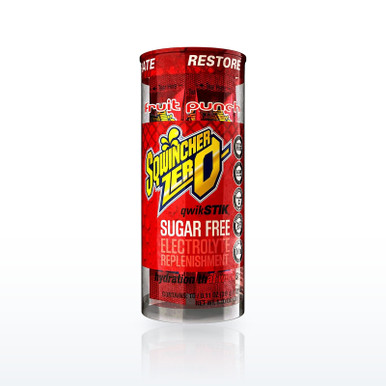
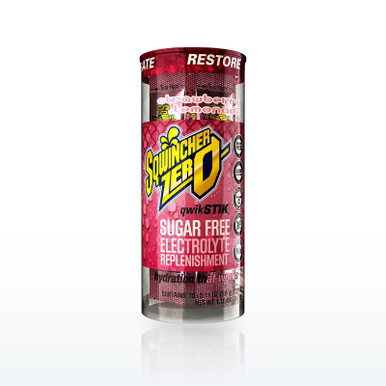
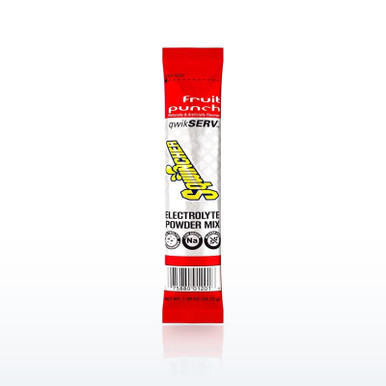
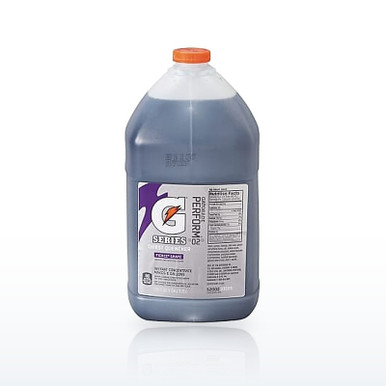
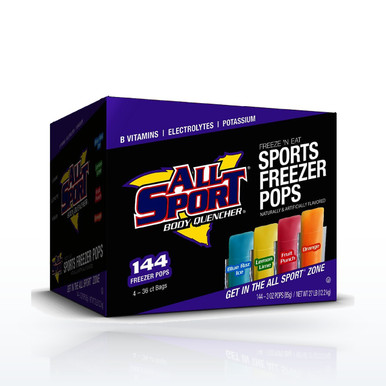
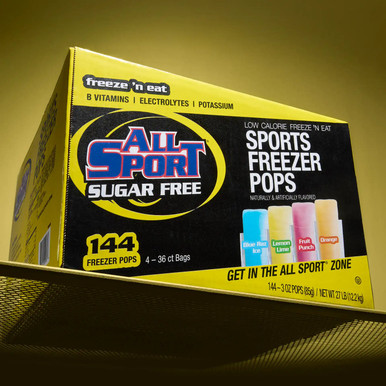
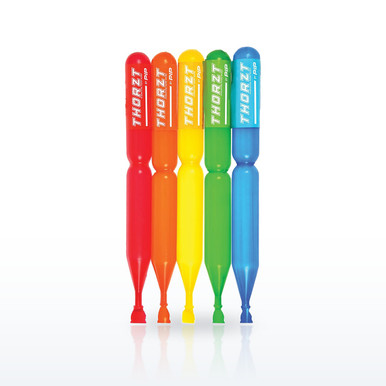
- Electrolytes on the long hot days: a second cooler of mixed electrolyte drink, or powder sticks and freezer pops the crew takes themselves. Sugar-free options for workers who want them.
- Timing: a cup every 15 to 20 minutes, not a quart at the break. Supervisors remind; the schedule does not rely on thirst.
- Shade and rest: the drink does not substitute for the break.
- Watch the new people: acclimatize over one to two weeks and check on them.
- Keep it clean: coolers washed daily, no shared cups, ice from a clean source.
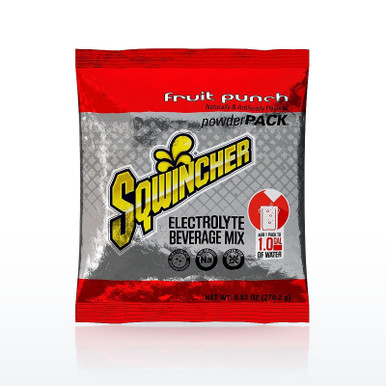
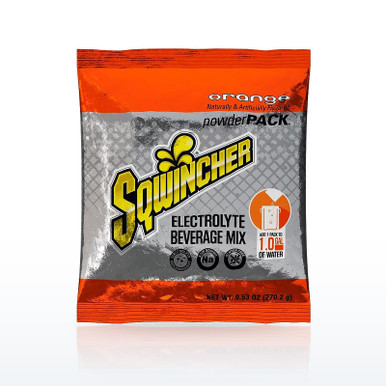
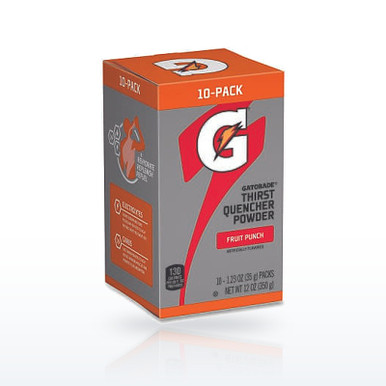
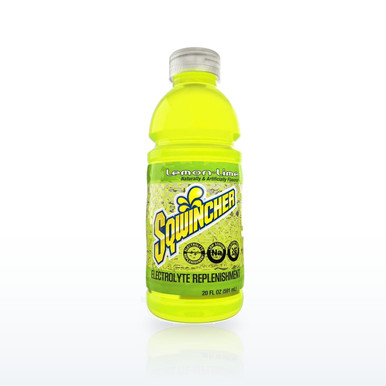
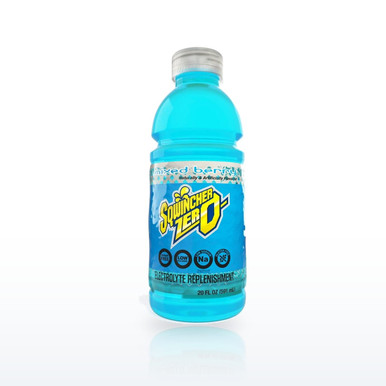
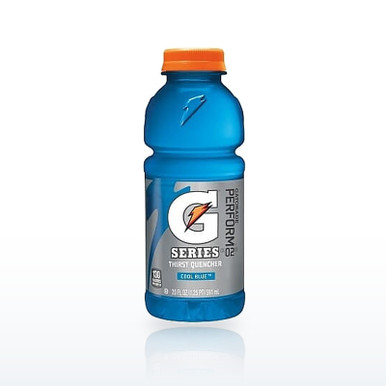
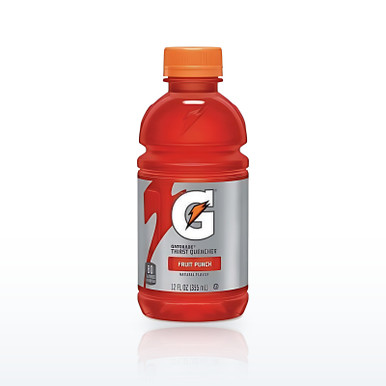
Electrolyte drinks, powder packs and freezer pops
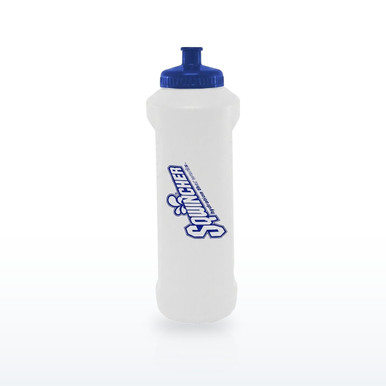
19 items · prices liveServing sizes, sodium content and sugar-free options are as published by the manufacturer on each product page. Free shipping on orders over $199.



Coolers, cups and cooling towels are on the cooling products page.
Questions people ask
What are electrolytes in simple terms?
Minerals in your body fluids that carry an electric charge: mainly sodium, chloride, potassium, magnesium and calcium. They keep nerves and muscles firing and water where it belongs.
Do workers need electrolyte drinks?
Not every day. NIOSH recommends them for work in heat lasting more than about two hours with heavy sweating; for shorter or lighter work, water and regular meals are enough.
How much water should a worker drink in the heat?
About a cup (8 ounces) every 15 to 20 minutes, up to about 48 ounces an hour, without waiting for thirst. Cal/OSHA requires a quart per hour be available.
Can you drink too much water at work?
Yes. Hours of heavy sweating replaced with plain water can drop blood sodium (hyponatremia), with symptoms that look like heat exhaustion. Electrolytes on long hot days prevent it.
Are salt tablets a good idea?
No. NIOSH and OSHA advise against them; they upset the stomach and are easy to overdo. Salt your food and use an electrolyte drink.
Is Gatorade an electrolyte drink?
Yes, with more sugar than most work-formulated drinks. Many crews dilute it half with water; sugar-free work formulas exist.
What is the best time to drink electrolytes?
Through the shift, alternating with water, rather than all at once. Starting the day hydrated matters more than any single drink.
Does OSHA require employers to provide electrolyte drinks?
Federal OSHA requires potable water and, under the general duty clause, protection from heat; Cal/OSHA requires a quart of cool water per hour. Electrolyte drinks are recommended, not required, and may be the fluid provided.
Standards and ratings on this page are as published in the documents named and by the manufacturers named. The employer’s hazard assessment and written program decide what applies at a given workplace. Verify a rating on the product and its spec sheet before use.