
Heat exhaustion vs heat stroke: the signs and what to do
Heat exhaustion is the body running out of water and salt while it is still cooling itself: headache, nausea, dizziness, weakness, heavy sweating, thirst, an elevated temperature. The worker is tired and sick but thinking clearly. Heat stroke is the cooling system failing: the core temperature climbs, and the first sign is almost always in the head, confusion, slurred speech, stumbling, irrational behavior, then collapse or seizure. Skin may be hot and dry or still sweating heavily; sweating does not rule it out. Heat exhaustion is treated with shade, water, cooling and medical evaluation. Heat stroke is a 911 call, and the crew cools the worker with everything at hand, ice, water, wet cloths, moving air, until the ambulance arrives. The difference between the two is the brain, and the time to act is minutes.
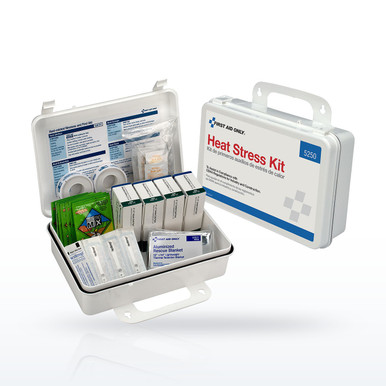 First Aid Only 5250 unitized heat stress kitWeatherproof, wall-mountable case for the truck or the trailer
Why is the difference between the two a matter of minutes? NIOSH puts it plainly: in heat stroke, body temperature can rise to 106°F or higher within 10 to 15 minutes, and it is fatal if treatment is delayed. The damage is to the brain, kidneys and liver, and it scales with how long the core stays hot. That is why the first aid for heat stroke is to cool the worker before and during the wait for the ambulance, not after. Heat exhaustion left alone in the heat becomes heat stroke; caught early it is an afternoon in the shade with a water jug.
How do you tell them apart?
The NIOSH signs. Any sign in the first card and the worker is not going back to work today. Any sign in the second card and someone is calling 911 now.
What do you do for heat stroke?
- Call 911. Someone does this first, out loud, so the rest of the crew knows it is done. Cal/OSHA 3395 and the federal emphasis program both expect a designated person who can call and who can give responders directions to the site.
- Move the worker to shade or a cool area and strip the outer clothing. Jacket, hi-vis vest, FR shirt, hard hat, boots.
- Cool them fast, by every means at hand. A cold water or ice bath if there is one. Wet the skin. Cold wet cloths or ice on the head, neck, armpits and groin. Soak the clothing with cool water. Fan them or use any moving air to speed evaporation.
- Stay with them. Until the ambulance has them. A heat stroke victim can seize, vomit or stop breathing; someone is watching the airway.
- Do not give fluids to a confused or unconscious worker. They can choke. Fluids are for heat exhaustion, where the worker is alert.
- Keep cooling in the ambulance bay. Cooling does not stop when the ambulance pulls in; tell the crew what you have done and let them continue it.
What do you do for heat exhaustion?
- Get them out of the heat. Shade, an air-conditioned cab or trailer, a cool room.
- Give them water. Frequent sips of cool water, not a jug at once. A drink with electrolytes if they have been sweating for hours.
- Remove what is not needed. Unnecessary clothing, including shoes and socks.
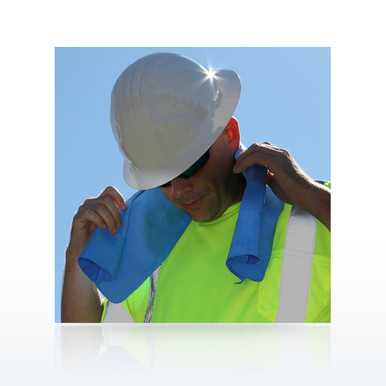
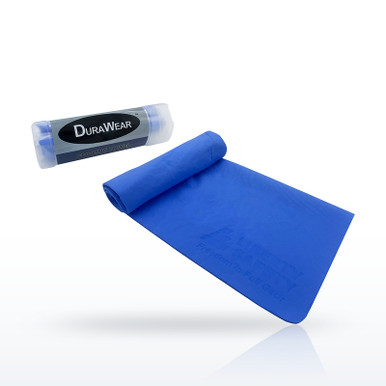
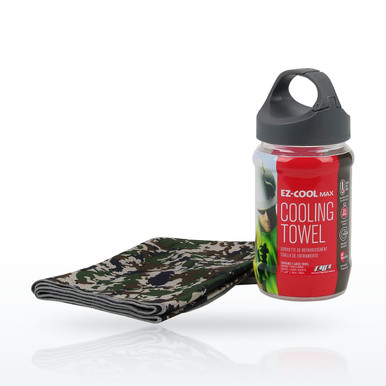
- Cool them. Cold compresses, or have them wash the head, face and neck with cold water. A wet cooling towel on the neck does this job.
- Have someone stay with them. Until symptoms are gone and they have been seen. A worker whose condition is getting worse instead of better is moving toward heat stroke; call 911.
- Get them evaluated. NIOSH says to take the worker to a clinic or emergency room for medical evaluation and treatment, and to call 911 if medical care is unavailable. They do not go back to work that day.
What are the other heat illnesses?
- Heat cramps: muscle cramps, pain or spasms in the abdomen, arms or legs. Drink water and have a snack or a drink that replaces carbohydrates and electrolytes every 15 to 20 minutes. Avoid salt tablets. Get medical help if the worker has heart problems, is on a low-sodium diet, or the cramps last more than an hour.
- Heat syncope: fainting for a short time, dizziness or light-headedness from standing too long or standing up suddenly. Sit or lie down in a cool place and slowly drink water, clear juice or a sports drink.
- Rhabdomyolysis: muscle cramps or pain, dark tea- or cola-colored urine, weakness, exercise intolerance, or no symptoms at all. It is muscle breakdown from heat and exertion that can injure the kidneys. Stop activity, drink more liquids (water preferred), and go to the nearest medical facility and ask to be checked for it; the test is a blood sample for creatine kinase.
- Heat rash: clusters of red pimples or small blisters on the neck, upper chest, groin, under the breasts and in the elbow creases. Work in a cooler, less humid place if possible, keep the area dry, use powder, and do not use ointments or creams.
What does a supervisor have to do by rule?
Under Cal/OSHA 3395 the duties are spelled out: a supervisor who sees, or any employee who reports, signs of heat illness in anyone must take immediate action matched to the severity; severe signs such as decreased consciousness, staggering, vomiting, disorientation, irrational behavior or convulsions trigger the emergency procedures; a worker with symptoms is monitored and is not left alone or sent home without being offered first aid or emergency medical services; and the employer must be able to contact EMS, transport the worker to where EMS can reach them if needed, and give clear directions to the site. Federal OSHA, under the general duty clause and the heat emphasis program, expects the same elements in an employer’s heat program: observation, an emergency plan, and training so the crew knows the signs.
Cal/OSHA Title 8 section 3395(f)(1) through (f)(4); OSHA CPL 03-00-024, Appendix I (emergency response and training as program elements); OSH Act section 5(a)(1).Heat-stress kits, cooling towels and coolers
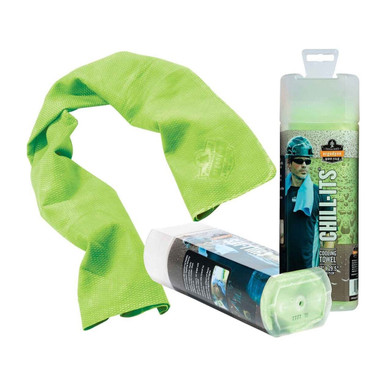
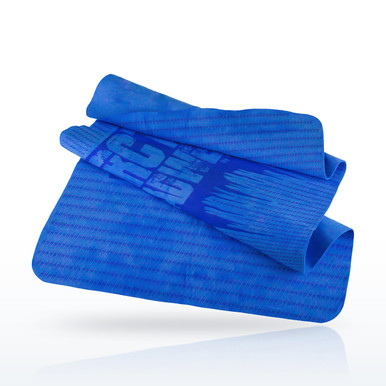
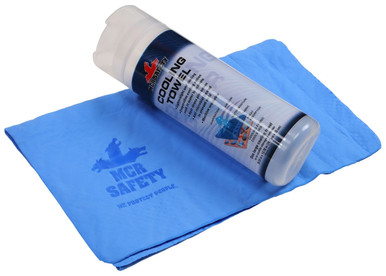
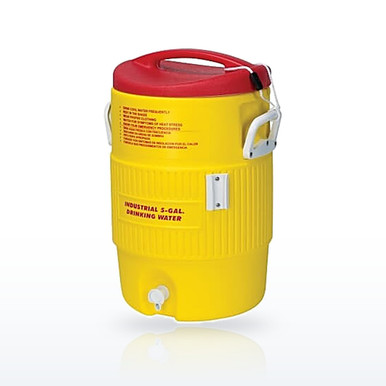
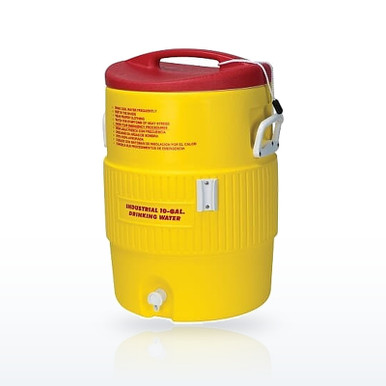
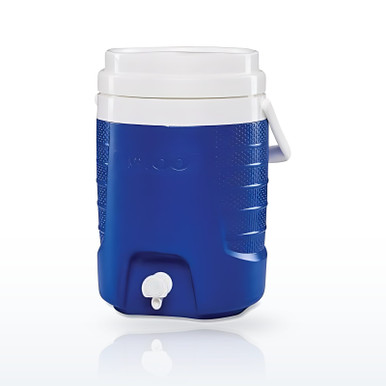
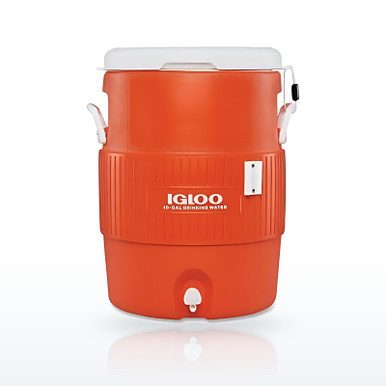
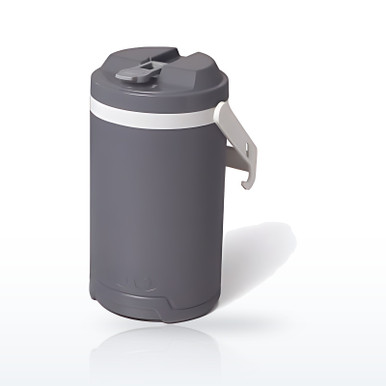
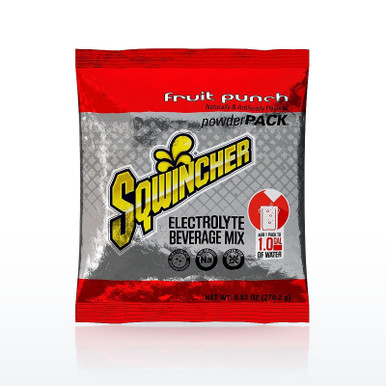
21 items · prices liveKit contents, cooling type and cooler capacity are as published by each manufacturer; see the product page. A kit is a supplement to water, shade and a 911 plan, not a substitute. Contractor Direct orders ship free.
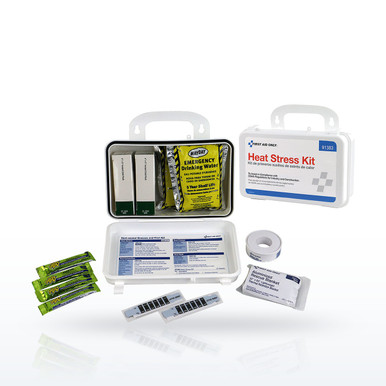
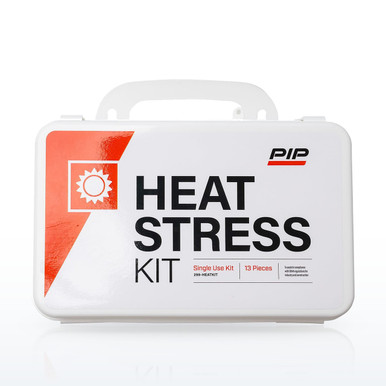
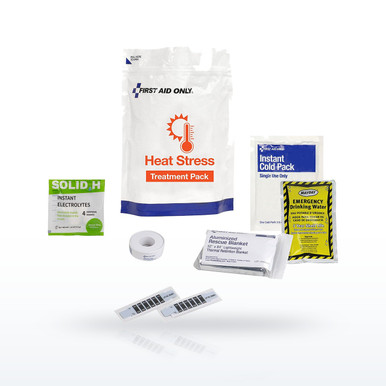
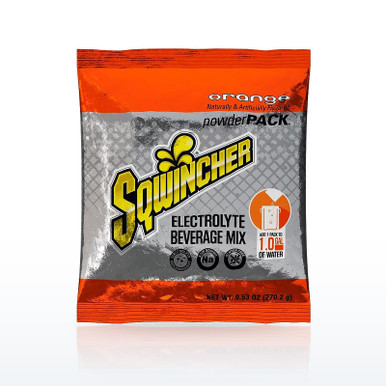
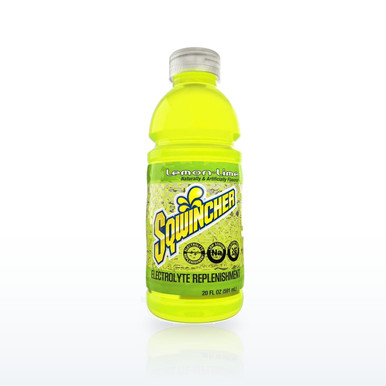
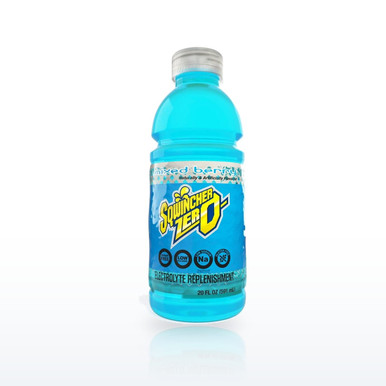
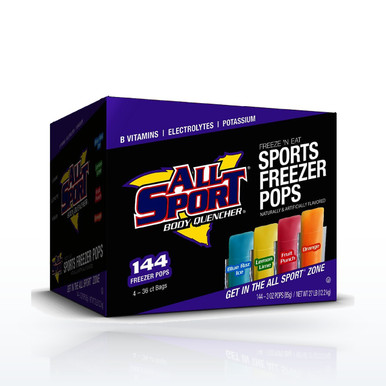
Cooling vests and the full electrolyte range are on the cooling products page.
Questions people ask
What is the main difference between heat exhaustion and heat stroke?
The brain. Heat exhaustion makes a worker sick but lucid; heat stroke makes them confused, slurring, staggering or unconscious. Confusion means call 911.
Do you stop sweating with heat stroke?
Not always. NIOSH lists hot, dry skin or profuse sweating as heat stroke signs. A worker can be sweating heavily and still be in heat stroke; do not use sweat as the test.
What should you do first for heat stroke?
Call 911, then cool the worker as fast as possible: ice or cold water bath if available, wet the skin, ice or cold wet cloths on the head, neck, armpits and groin, and moving air. Stay with them.
Should you give water to someone with heat stroke?
Not if they are confused or unconscious; they can choke. Water is for heat exhaustion, where the worker is alert and can sip.
How fast can heat stroke kill?
NIOSH says body temperature can reach 106°F or higher within 10 to 15 minutes and that heat stroke is fatal if treatment is delayed. Cooling starts before the ambulance arrives.
Can a worker with heat exhaustion go back to work?
Not that day. NIOSH says to take them for medical evaluation; Cal/OSHA 3395 says a worker with symptoms is monitored and not sent home or left alone without first aid or EMS.
What is rhabdomyolysis?
Muscle breakdown from heat and exertion that can damage the kidneys. The signs are muscle pain, dark urine and weakness; the test is a blood sample for creatine kinase. Stop, drink water, and get to a medical facility.
What is in a heat-stress first aid kit?
As the manufacturer lists it: electrolyte tablets or drink mix, instant cold packs, cooling towels, and often a thermometer and a guide card. The kits in the band show each maker’s contents on the product page.
Standards and ratings on this page are as published in the documents named and by the manufacturers named. The employer’s hazard assessment and written program decide what applies at a given workplace. Verify a rating on the product and its spec sheet before use.