
What is heat stress, and what does OSHA require employers to do?
Heat stress is the total heat load on the body: the heat the air, the sun and hot surfaces put into it plus the heat the work itself generates, minus what the body can shed by sweating. When the load outruns the cooling, core temperature climbs and heat illness follows, from cramps and fainting through heat exhaustion to heat stroke, which kills. Federal OSHA has no heat standard in force; it cites heat hazards under the general duty clause and runs a National Emphasis Program that sends inspectors out on days when the heat index reaches 80°F. The program they look for is water, rest, shade, acclimatization of new and returning workers, training and an emergency plan.
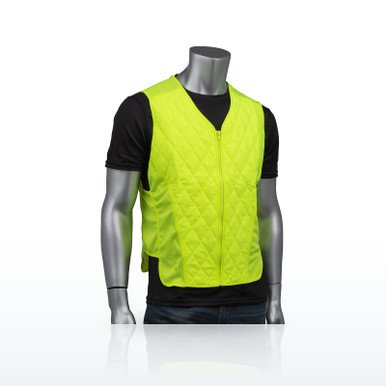 PIP EZ-Cool 390-EZ101 evaporative cooling vestSoak, wring, wear. Auxiliary cooling for workers who cannot leave the heat.
Why does OSHA treat heat as a hazard when there is no heat standard? Because workers die of it every summer, and most of the deaths are preventable with water, rest, shade and a few days of acclimatization. OSHA counts more than 3,500 heat-related injuries and illnesses a year in the data behind its emphasis program, and its inspection files show the same pattern again and again: a new worker, a hot week, no acclimatization, no one watching. The general duty clause exists for a recognized hazard like this one, and OSHA has used it for heat for more than a decade.
What does OSHA require, and under what authority?
Four layers apply today. One is law, one is enforcement policy, one is a proposal, and one is a state rule that applies in California.
What is the heat index, and how does OSHA use it?
The heat index is a single number that combines air temperature and relative humidity to say how hot it feels. Humidity matters because sweat only cools you when it evaporates, and humid air slows evaporation. The index was developed by NOAA and is what the National Weather Service forecasts. Its values assume shade and a light wind; full sun can add up to 15°F to the figure. OSHA adopted it as a screening tool for employers because it can be read off a phone or a forecast with no instrument, and the 2011 OSHA guide and the OSHA-NIOSH Heat Safety Tool app both key protective measures to it.
OSHA, Using the Heat Index: A Guide for Employers (2011), About the heat index: NOAA origin, devised for shady, light wind conditions, full sunshine can increase values by up to 15°F; OSHA-NIOSH Heat Safety Tool app description (CDC/NIOSH).The 2011 OSHA guide sorts the index into four risk levels and lists measures for each. Below 91°F: drinking water, medical services available, planning and training. 91°F to 103°F: remind workers to drink about 4 cups an hour, frequent breaks in a cool shaded area, acclimatize workers, a buddy system, work/rest schedules, close monitoring. 103°F to 115°F: alert workers, actively push water, limit physical exertion, a knowledgeable person on site, enforced work/rest schedules, cooling techniques, watch workers at all times. Above 115°F: reschedule non-essential work; strenuous work and work in heavy or impermeable clothing should not be done at or above 115°F. The guide tells employers to step up one risk level when working in direct sun or heavy clothing.
OSHA, Using the Heat Index: A Guide for Employers (2011), Protective measures by risk level: Lower (Caution) below 91°F, Moderate 91°F to 103°F, High 103°F to 115°F, Very High to Extreme above 115°F. The same table appears as Appendix C of NIOSH Publication 2016-106.The 2026 emphasis program uses one threshold from the index: 80°F is a heat priority day. The proposed rule would use two, 80°F and 90°F. The heat index has limits that both OSHA and NIOSH name. It does not account for the work rate, for clothing or PPE that blocks sweat, or for radiant heat from the sun, a furnace or asphalt. For those, NIOSH recommends wet bulb globe temperature (WBGT), which folds in sun and air movement, and sets its exposure limits in WBGT by work rate. A heat-stress monitor reads WBGT directly; the heat index does not replace it where radiant heat or heavy clothing is in play.
OSHA CPL 03-00-024, section XII.A (heat priority day, heat index 80°F); 89 FR 70698 (initial heat trigger 80°F, high heat trigger 90°F heat index); OSHA 2011 guide, limits of the heat index (physical exertion, direct sun, heavy clothing); NIOSH Publication 2016-106, recommended alert and exposure limits expressed in WBGT.What does NIOSH recommend, in numbers?
- Acclimatization: new workers no more than 20 percent of the usual time in the heat on day 1, and no more than a 20 percent increase each day after. Workers with recent heat experience: 50 percent on day 1, 60 percent on day 2, 80 percent on day 3, 100 percent on day 4. Full acclimatization takes 7 to 14 days.
- Supervision: watch new employees closely for their first 14 days or until acclimatized.
- Water: about 1 cup (8 ounces) every 15 to 20 minutes during moderate work in the heat, kept near the work and cool, about 59°F. Fluid intake should generally not exceed 6 cups an hour. For hours of heavy sweating, a drink with balanced electrolytes.
- Work and rest: limit time in the heat, increase recovery time in a cool area, or both, so the combined environmental and metabolic heat stays under the NIOSH limit for the work rate.
- A buddy system, a heat alert plan triggered by the forecast, training for workers and supervisors, and medical monitoring for anyone working above the recommended alert limit.
- Cooling garments and protective clothing when the controls above cannot bring exposure under the limit.
What does a heat program need to contain to pass an inspection?
- A written program. Who is responsible, when it starts (a heat index trigger is the usual choice), and what happens at each level. State rules such as Cal/OSHA 3395 require it in writing; federal inspectors ask for it.
- Water. Cool, close to the work, enough for 1 quart per person per hour, and reminders to drink it. Coolers and jugs on the job, not in the truck.
- Rest and shade. A shaded or cooled place to recover that workers can reach without a walk, and breaks that get longer as the index rises.
- Acclimatization. A ramp-up schedule for new workers, workers back from a week or more away, and the first hot days of the year.
- Observation. A supervisor or buddy watching for the signs. Heat stroke does not announce itself; a confused or stumbling worker is the alarm.
- Emergency response. Who calls 911, how to cool a worker fast while waiting (ice, water, shade), and how to give responders directions to the site.
- Training. Before the hot season, for crews and supervisors: the signs, the water rule, the right to a cool-down rest, and how to report.
Cooling garments, water coolers and heat-stress kits
20 items · prices liveCooling type and duration are as published by each manufacturer. Water coolers are listed by capacity. Heat-stress kits are described as the manufacturer labels them. Contractor Direct orders ship free.
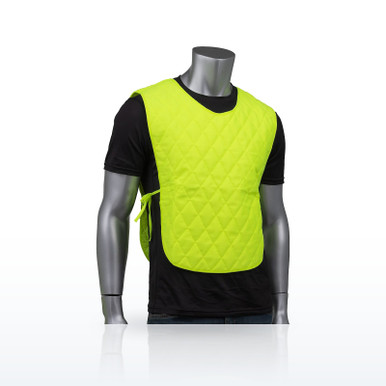
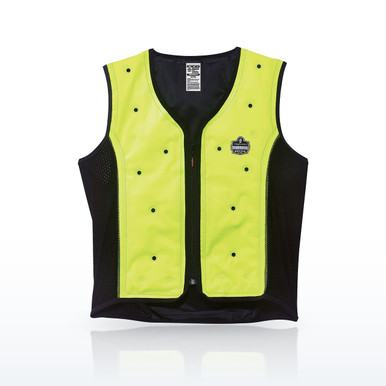
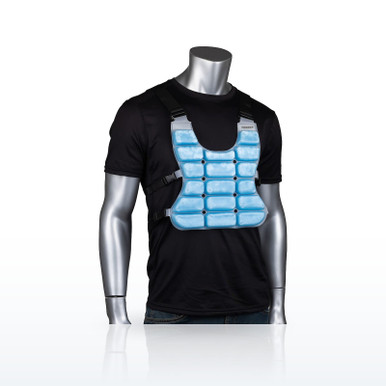
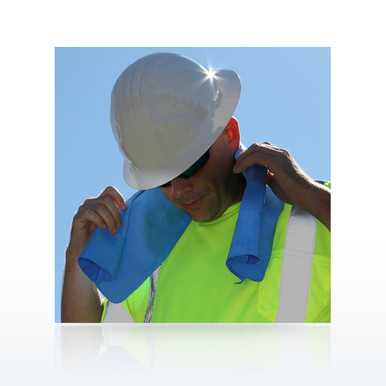
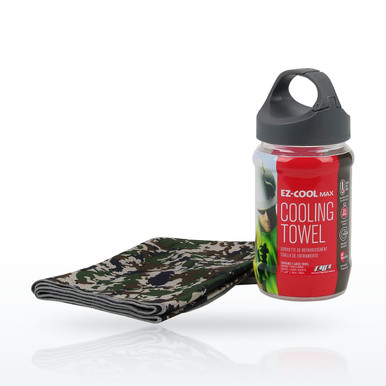
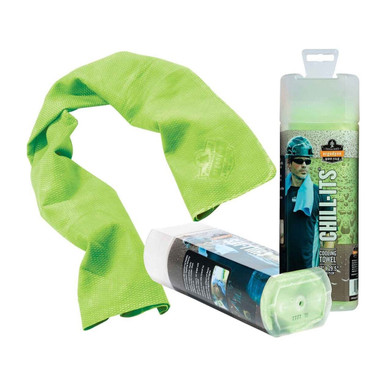
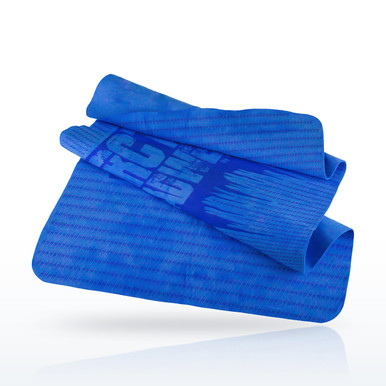
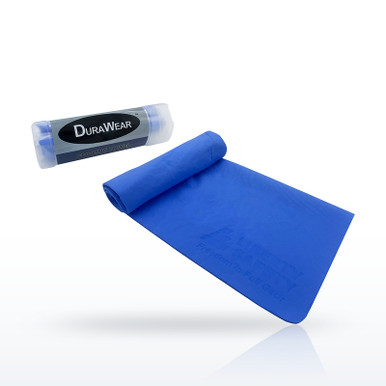
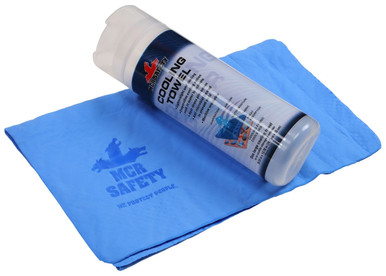
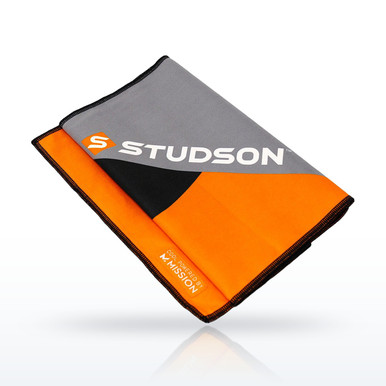
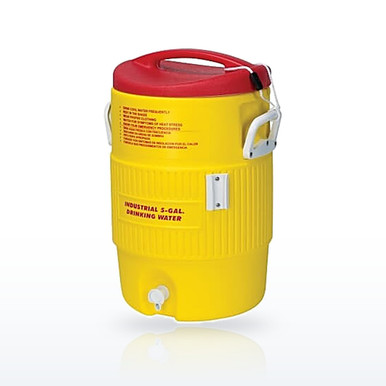
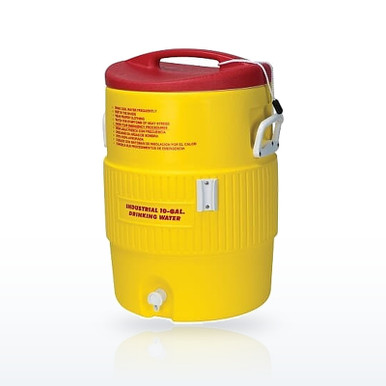
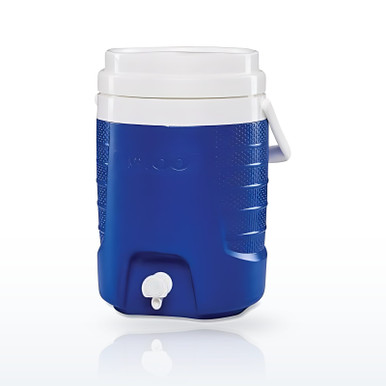
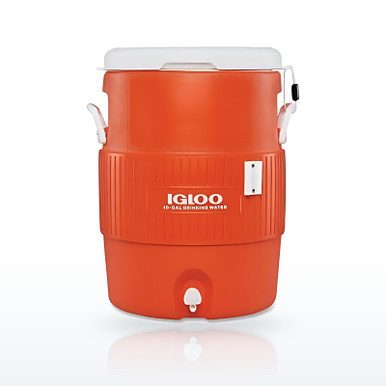
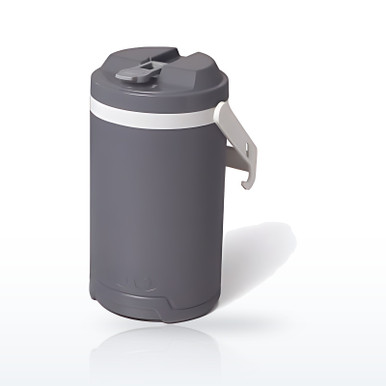
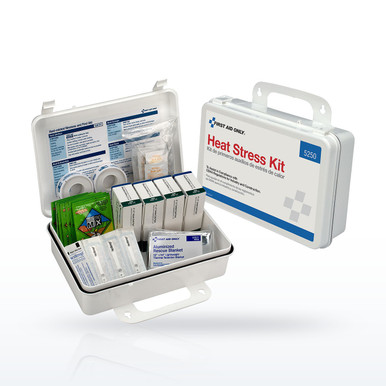
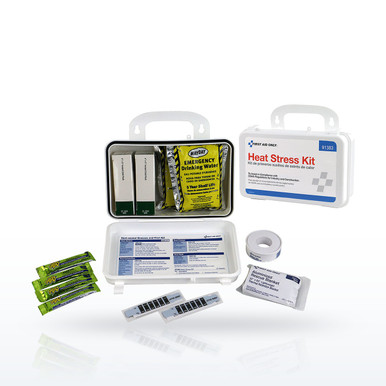
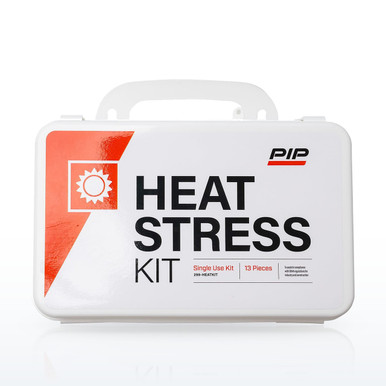
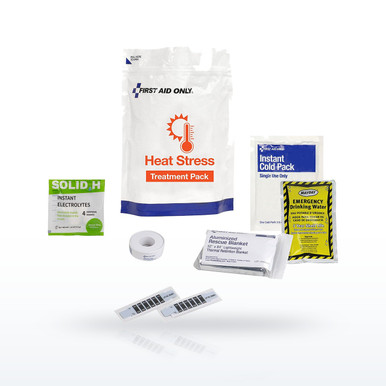
Electrolyte drinks, shade canopies and neck shades are on the cooling products page.
Questions people ask
What is heat stress?
The total heat load on the body from the environment and the work combined. When it exceeds what the body can shed by sweating, core temperature rises and heat illness begins.
Is there an OSHA standard for heat?
Not a federal one in force. OSHA cites heat hazards under the general duty clause, section 5(a)(1), and inspects under the Heat National Emphasis Program, CPL 03-00-024 (April 2026). A federal heat rule was proposed in August 2024 and has not been finalized.
At what temperature does OSHA require action?
The emphasis program treats a forecast heat index of 80°F as a heat priority day. The proposed rule would set triggers at a heat index of 80°F and 90°F. Cal/OSHA 3395 requires shade above 80°F and high-heat procedures at 95°F.
What is the heat index?
A number that combines air temperature and relative humidity to say how hot it feels in the shade. Full sun can add up to 15°F to it. OSHA uses it as the screening tool for its risk levels and triggers.
How does OSHA use the heat index?
Its 2011 guide sets four risk levels: below 91°F, 91°F to 103°F, 103°F to 115°F, and above 115°F, with more protective measures at each step. The 2026 emphasis program uses 80°F as the day inspectors start asking about a heat program.
What does OSHA say about water?
Provide it, cool and close by, and remind workers to drink about 4 cups an hour in the moderate and high risk levels. NIOSH puts it at 1 cup every 15 to 20 minutes during moderate work, and not more than 6 cups an hour.
How long does acclimatization take?
NIOSH: 7 to 14 days, starting new workers at 20 percent of the usual time in the heat and adding no more than 20 percent a day. NIOSH names lack of acclimatization as a major factor in heat illness and death.
Does OSHA require cooling vests?
No. Water, rest, shade and acclimatization are the controls OSHA and NIOSH name first. NIOSH lists cooling garments as protective equipment for when those controls cannot bring exposure under the limit.
Standards and ratings on this page are as published in the documents named and by the manufacturers named. The employer’s hazard assessment and written program decide what applies at a given workplace. Verify a rating on the product and its spec sheet before use.