
What do the GHS pictograms mean?
A GHS pictogram is a black symbol on a white background inside a red diamond. There are nine. Eight are required under OSHA when the hazard applies: health hazard (the silhouette with a starburst in the chest: cancer, reproductive harm, organ damage, respiratory sensitizer, aspiration), flame (flammable, pyrophoric, self-heating, emits flammable gas, organic peroxide), exclamation mark (irritant, skin sensitizer, harmful if swallowed or inhaled, narcotic), gas cylinder (gas or chemical under pressure), corrosion (burns skin, damages eyes, corrodes metal), exploding bomb (explosive, self-reactive, organic peroxide), flame over circle (oxidizer), and skull and crossbones (fatal or toxic in small amounts). The ninth, environment (dead tree and fish: aquatic toxicity), is optional because OSHA does not regulate environmental hazards.
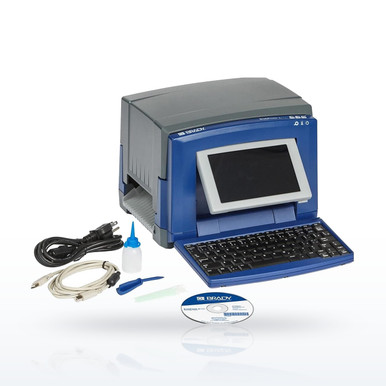 Brady S3100 sign and label printerPrints workplace chemical labels and signs up to 4 inches wide, walk-up touchscreen
Why pictograms instead of words? The Globally Harmonized System was written so that a drum labeled in one country means the same thing in every other, to a worker who may not read the language on the label. OSHA adopted it into the Hazard Communication Standard in 2012 and updated it in 2024. The pictogram is the part of the label that reads from across the room: a red diamond on a container means hazard, and the symbol inside says which kind. The signal word, hazard statements and precautionary statements fill in the detail for anyone who reads on.
What does each pictogram mean?
The hazard classes assigned to each symbol in Appendix C and on OSHA’s pictogram card.
What are the rules for how a pictogram appears?
- Shape: a square set on a point, a black symbol on a white background, with a red frame wide enough to be clearly visible.
- An empty red diamond is not permitted on a label; every frame must contain a symbol.
- Each pictogram appears once on a label even if several hazards call for it.
- Where a DOT pictogram for the same hazard is already on a shipped container, the GHS pictogram for that hazard is not required.
- The pictograms, signal word and hazard statements must be located together on the label.
- The exclamation mark may be used for a hazard not otherwise classified if the words Hazard Not Otherwise Classified or HNOC appear below it.
Which pictogram goes with which signal word?
The signal word comes from the severity category, not from the symbol. Danger is the more severe; Warning is the less severe; a label never carries both. When a chemical has several hazards, the more serious pictogram takes precedence: a skull and crossbones displaces the exclamation mark for acute toxicity, and the corrosion symbol displaces it for skin and eye irritation. The same symbol can appear with either: a Category 1 flammable liquid is flame plus Danger, a Category 3 flammable liquid is flame plus Warning. The skull and crossbones always comes with Danger. The exclamation mark always comes with Warning. The health hazard symbol can carry either, depending on the category. The combination for each hazard class and category is set out in the Appendix C tables, and the SDS section 2 repeats the label elements for that product.
1910.1200 Appendix C, C.2.1.1 (Danger and Warning never both), C.2.1.2 through C.2.1.4 (precedence of pictograms) and the C.4 tables by hazard class and category; 1910.1200 Appendix D, section 2 of the SDS, label elements.Where do pictograms have to appear?
On every shipped container of a hazardous chemical, from the manufacturer, importer or distributor, as one of the six required label elements along with the product identifier, signal word, hazard statements, precautionary statements and supplier identification. Inside the workplace, the employer may copy that label onto secondary containers, or use a workplace label with the product identifier and words, pictures or symbols that give the general hazards; pictograms are one way to do that, not the only way. Employees must be trained to read the shipped label and the workplace labeling system.
1910.1200(f)(1)(i) through (vi) shipped containers; (f)(6)(i) and (ii) workplace labeling; (h)(3)(iv) training.Label printers, tapes and SDS supplies
11 items · prices livePrinters and label stocks are as described by the manufacturer; the pictograms and statements printed on a label come from the chemical’s SDS. Contractor Direct orders ship free.
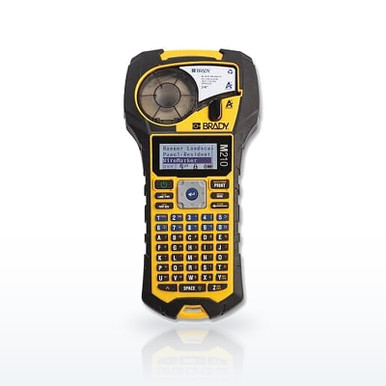
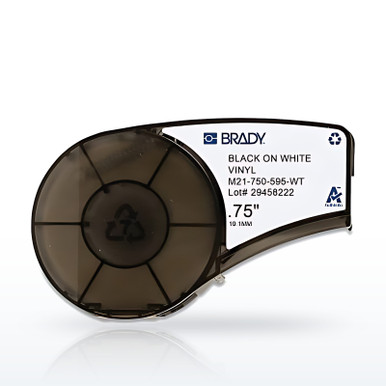
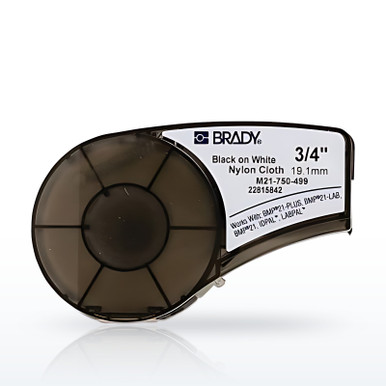

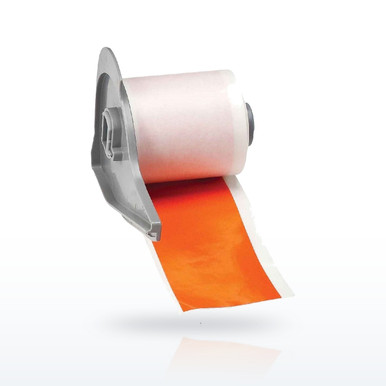
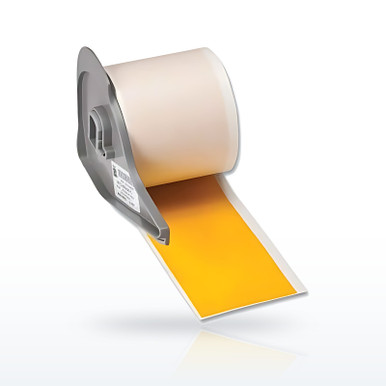

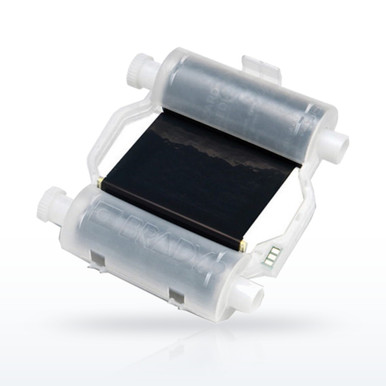
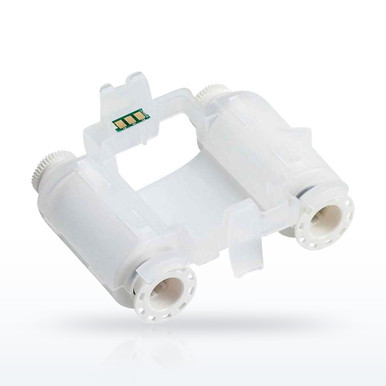
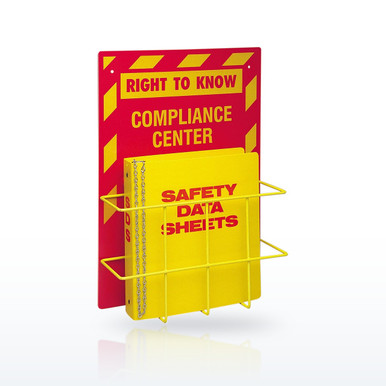
Pre-printed GHS pictogram labels and blank diamond label stock are quoted on request: call (925) 215-7337.
Questions people ask
How many GHS pictograms are there?
Nine. OSHA designates eight for use under the standard; the environment pictogram is the ninth and is optional in the United States. (1910.1200(c); Appendix C Figure C.1.)
What does the exclamation mark pictogram mean?
The less severe health hazards: skin and eye irritant, skin sensitizer, harmful if swallowed, inhaled or on skin, narcotic effects, respiratory tract irritant.
What does the health hazard pictogram mean?
Serious long-term health effects: cancer, genetic damage, reproductive harm, respiratory sensitization, organ damage, or aspiration hazard.
What is the difference between the flame and the flame over circle?
Flame is a material that burns: flammable, pyrophoric, self-heating, organic peroxide. Flame over circle is an oxidizer, a material that makes other things burn.
What does the skull and crossbones mean?
Acutely toxic: a small amount is fatal or toxic if swallowed, inhaled or absorbed through the skin. It always carries the signal word Danger.
Can a label have a red diamond with nothing in it?
No. An empty red frame is not a pictogram and is not permitted on the label. (Appendix C, C.2.3.1.)
Are GHS pictograms required on workplace labels?
Not necessarily. Secondary containers may use the full shipped label or a workplace label with the product identifier and words, pictures or symbols for the general hazards. (1910.1200(f)(6).)
Why does my label have a DOT diamond and a GHS diamond?
Shipped containers can carry both. Where a DOT pictogram for a hazard is on the container, the GHS pictogram for that same hazard is not required. (1910.1200(f)(5)(iii).)
Standards and ratings on this page are as published in the documents named and by the manufacturers named. The employer’s hazard assessment and written program decide what applies at a given workplace. Verify a rating on the product and its spec sheet before use.