
OSHA secondary container labeling requirements
When a chemical is poured from its shipped container into a spray bottle, a bucket, a drum or a tank, that new container is a secondary container and OSHA requires it to be labeled. The employer has two choices: copy the full shipped label (product identifier, signal word, hazard statements, pictograms, precautionary statements), or use a workplace label with the product identifier plus words, pictures or symbols that give at least the general hazards, backed by the SDS and training. The only exception is a portable container filled for the immediate use of the person who filled it, during that shift. Labels must be legible, in English, and on the container or readily available in the work area.
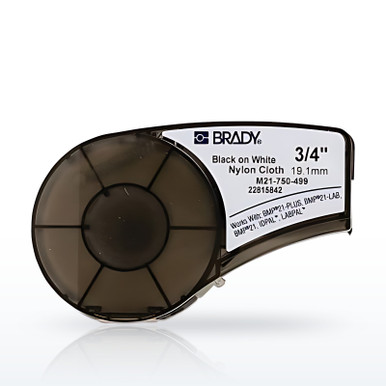
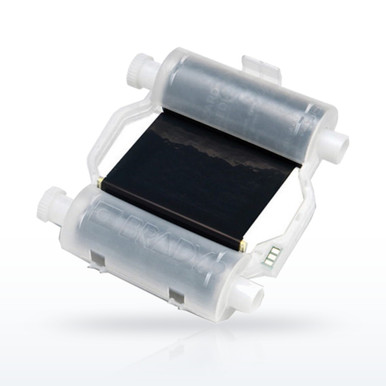
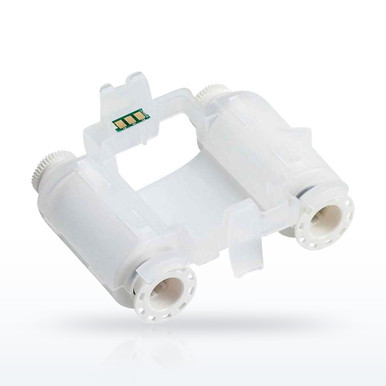
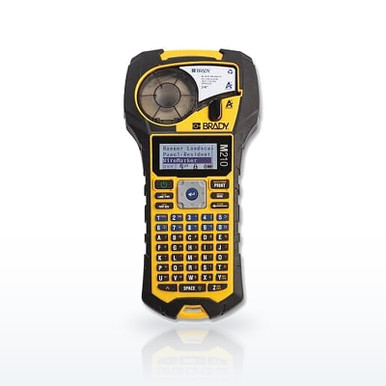 Brady M210 handheld label makerThermal transfer, vinyl and polyester cartridges; prints a product identifier and hazard words for a workplace label
Why does a secondary container need its own label? The shipped label stays on the drum in the back. The worker who gets hurt is the one holding the unmarked spray bottle at the front of the shop, who does not know it is a degreaser that burns skin, or who mixes it with something it reacts with. The Hazard Communication Standard is built on the idea that every container carries enough on it to tell the person holding it what is inside and what it can do. The secondary-container rule closes the gap between the drum and the bottle.
What has to be on a secondary container label?
Either of the two options in 1910.1200(f)(6). Option 1 is the shipped label copied over; option 2 is the workplace label.
When is no label required on a portable container?
The employer does not have to label a portable container that a worker fills from a labeled container for their own immediate use. Immediate use means that worker uses it, during that shift, and nobody else does. A spray bottle filled in the morning and left on the bench for the next shift is not immediate use; it needs a label. A cup of solvent carried to the part, used, and emptied is.
1910.1200(f)(8); the definition of immediate use in 1910.1200(c): under the control of and used only by the person who transfers it, and only within the work shift in which it is transferred.What does a workplace label look like in practice?
- The product name exactly as it appears on the SDS, so the two can be matched.
- The signal word, Danger or Warning, taken from the SDS section 2.
- The hazard statements or a plain summary of them: causes skin burns, flammable liquid, harmful if swallowed.
- The pictograms from the SDS, if the label format supports them; a workplace label may use words instead.
- Many employers use a rating system such as NFPA 704 or HMIS on the workplace label. OSHA accepts these as the words, pictures or symbols option only when employees are trained to read them and the SDS supplies the rest, and the numeric ratings do not replace the hazard information on a shipped label.
Who is responsible, and what else goes with the label?
The employer. The chemical manufacturer labels the shipped container; everything after it crosses the receiving dock is the employer’s: the workplace labels, the written hazard communication program that describes the labeling system, the SDS for each chemical readily accessible on each shift, and training that includes an explanation of the shipped labels and the workplace labeling system. If new hazard information arrives, labels are revised within six months.
1910.1200(e)(1) written program; (g)(8) SDS access; (h)(3)(iv) training on labels; (f)(11)(i) label updates.Small containers have their own rule for shipped labels: a container of 100 ml or less may carry a short label (identifier, pictograms, signal word, manufacturer name and phone, and a note that the full label is on the outer package) when a full label is not feasible, and a container of 3 ml or less may carry just the product identifier.
1910.1200(f)(12)(i) through (iv), added by the 2024 update.Label makers, tapes and HazCom supplies
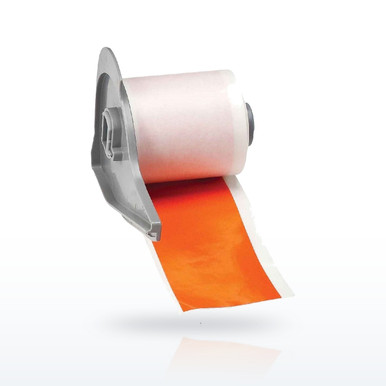
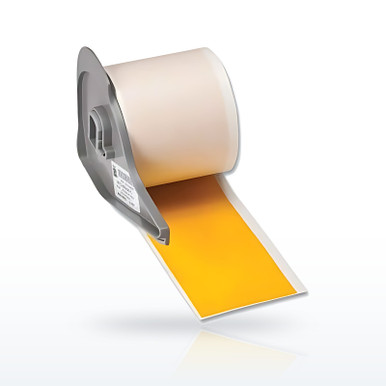
12 items · prices livePrinters and tapes are as described by the manufacturer. The hazard information printed on a workplace label comes from the chemical’s SDS, not from the printer. Free shipping on orders over $199.
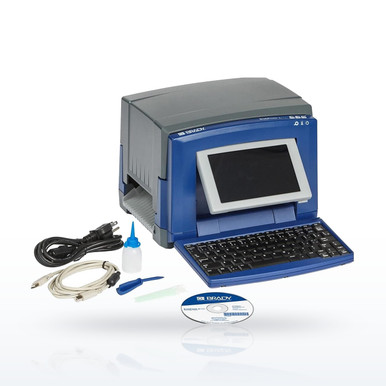
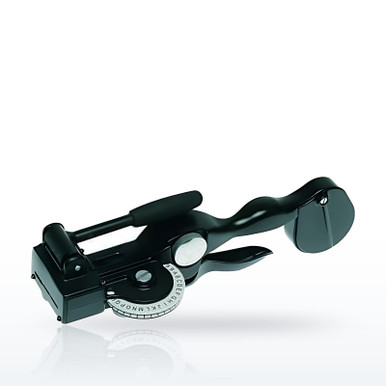
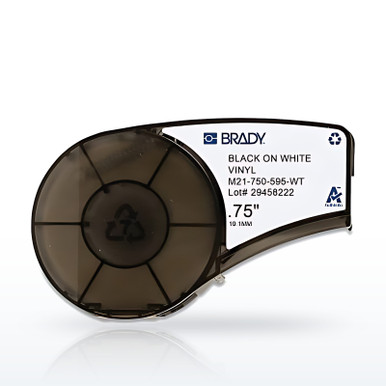

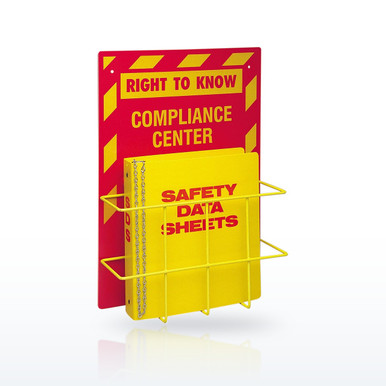
Pre-printed GHS pictogram labels, blank workplace label stock and additional SDS stations are quoted on request: call (925) 215-7337.
Questions people ask
What is a secondary container under OSHA?
Any container in the workplace other than the one the chemical shipped in: a spray bottle, bucket, drum, tank or jug the chemical was transferred into. The standard calls the label on it a workplace label. (1910.1200(f)(6).)
What must a secondary container label include?
Either the full shipped label, or the product identifier plus words, pictures or symbols giving the general hazards, with the SDS and training supplying the rest. (1910.1200(f)(6)(i) and (ii).)
Does a spray bottle need a GHS label?
It needs a workplace label unless the person who filled it is the only one using it, during that shift. The label can be the GHS format or the simpler workplace label. (1910.1200(f)(6) and (f)(8).)
Are pictograms required on a secondary container label?
Not under the workplace-label option, which allows words, pictures or symbols. They are required if the employer chooses to copy the shipped label. (1910.1200(f)(6)(ii).)
Can I use HMIS or NFPA ratings as the workplace label?
Yes, as the words, pictures or symbols option, if employees are trained to understand the system and the SDS is available for the specific hazards. (1910.1200(f)(6)(ii) and (h)(3)(iv).)
Does the label have to be in English?
Yes. Other languages may be added as long as the English is present. (1910.1200(f)(10).)
Can I write the label by hand?
The standard sets no printing method; it requires the label to be legible and to stay legible. A printed vinyl or polyester label holds up to solvents and handling; a marker on tape often does not.
What is the penalty for an unlabeled container?
Labeling is a frequently cited element of 1910.1200, which is among the most-cited OSHA standards every year. The citation is per violation found during an inspection.
Standards and ratings on this page are as published in the documents named and by the manufacturers named. The employer’s hazard assessment and written program decide what applies at a given workplace. Verify a rating on the product and its spec sheet before use.