
What PPE does OSHA require for welding? 1910.252 explained
OSHA’s welding standard does not hand you a packing list. It says what each piece of equipment must do and leaves the exact item to the employer’s hazard assessment. For arc welding or arc cutting: a helmet or hand shield with a filter of the right shade, and eye protection for the helper. For gas welding or oxygen cutting: goggles with a filter lens. For everyone nearby: a noncombustible or flameproof screen, or their own goggles. For the body: protective clothing chosen under the general PPE rule, 1910.132, to suit the size, nature and location of the work. For the lungs: ventilation first, and a NIOSH-certified respirator under 1910.134 where ventilation cannot keep fume below the limits. Construction sites follow the same pattern under 1926.353 and 1926.102.
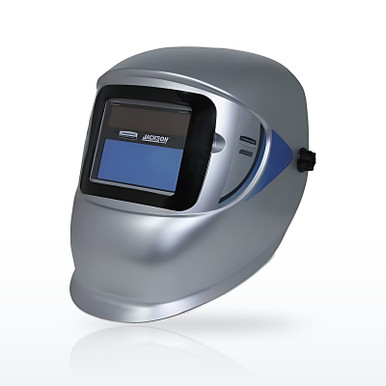 Jackson Safety WH40 Element auto-darkening helmetVariable shade 9 to 13, as published by Jackson
Why is the welding PPE rule written this way? Welding is five hazards at once: arc radiation that burns eyes and skin, molten spatter, fume, fire and electric shock. No single item covers all of them, and the right item changes with the process, the metal and where the work is done. So the standard sets duties by hazard, helmet for the arc, goggles for the flame, screens for the bystander, clothing for the spatter, and points to the general PPE and respirator standards for how to choose and pay for them. The employer’s hazard assessment is what turns those duties into a list.
What does 1910.252(b) require, piece by piece?
The protection-of-personnel paragraph of the general industry welding standard.
What shade does OSHA call for?
The welding standard’s own table runs by operation and electrode size: shade 10 for shielded metal-arc (stick) with electrodes up to 5/32 inch, 12 for 3/16 to 1/4 inch, 14 for 5/16 and 3/8; 11 for gas-shielded arc welding on nonferrous metal and 12 on ferrous; 14 for carbon arc; 3 or 4 for torch brazing and light cutting; 4 or 5 for medium cutting and light gas welding; 5 or 6 for heavy cutting and medium gas welding; 6 or 8 for heavy gas welding; 2 for soldering. The table is a guide and may be varied to suit the welder. The eye protection standard, 1910.133(a)(5), gives a second table by arc current that adds plasma arc cutting (8, 9 or 10 by amperage) and lists minimum shades rather than ranges.
29 CFR 1910.252(b)(2)(ii)(H) shade table; 1910.133(a)(5) Filter Lenses for Protection Against Radiant Energy; 1926.102(c)(1) Table E-1 (construction, same operations as 1910.252).Does OSHA require a respirator for welding?
Not by default. The standard puts ventilation first: mechanical ventilation at 2,000 cubic feet per minute per welder when welding in a space under 10,000 cubic feet per welder, under a 16-foot ceiling, or in a confined or obstructed space, unless local exhaust hoods or airline respirators are used instead. Ventilation must keep fume below the 1910.1000 limits. A respirator is required where it cannot, and specific metals have their own rules: lead, cadmium, mercury, beryllium and fluorine fluxes call for local exhaust or airline respirators indoors and NIOSH-approved respirators outdoors. Any required respirator falls under 1910.134: NIOSH-certified, with a written program, medical evaluation and fit test.
29 CFR 1910.252(c)(2)(i) and (ii) ventilation triggers and rate; (c)(1)(iii) maximum allowable concentration; (c)(4)(ii) airline respirators in confined spaces; (c)(5) through (c)(10) specific metals; 1910.134(a)(2) and (d)(1)(ii).In a confined space where ventilation is impossible, the standard requires a NIOSH-approved airline respirator or hose mask; where the atmosphere is immediately dangerous to life, a pressure-demand SCBA or a combination supplied-air respirator with an auxiliary air supply, with a worker stationed outside.
29 CFR 1910.252(c)(4)(ii), (iii) and (iv).What else does the standard put on the welder?
- Fall protection on platforms, scaffolds or runways: railings, safety belts, lifelines or an equivalent safeguard.
- Cable and equipment placed clear of passageways, ladders and stairways.
- In a confined space: cylinders and welding machines left outside, wheeled equipment blocked, a lifeline and an outside attendant with a rescue plan when entering through a manhole, electrodes removed from holders at breaks, torch valves shut off outside the space, and the hot metal marked when the job is done.
- Fire: movable fire hazards moved, guards for the ones that cannot move, extinguishers ready, a fire watch where more than a minor fire could start, and authorization before cutting or welding begins.
- First-aid equipment available at all times.
What changes on a construction site?
Construction has its own welding subpart, but the duties match. Every employee welding, cutting or heating must have suitable eye protection under Subpart E; 1926.102 carries the same shade table as 1910.252. Inert-gas metal-arc welding gets a specific rule because its ultraviolet output is 5 to 30 times that of stick: employees in the area not screened from the arc wear filter lenses, welders exposed to each other’s arcs wear filter goggles under the helmet, a hand shield is used whenever the helmet is lifted, and skin must be covered completely. Stainless steel welded with inert-gas metal-arc gets local exhaust or airline respirators for nitrogen dioxide. Ventilation and respirator rules for zinc, lead, cadmium, chromium, mercury and beryllium are set out in 1926.353(c).
29 CFR 1926.353(e)(2) eye protection; 1926.102(c)(1) Table E-1; 1926.353(d)(1)(i) through (iv) inert-gas metal-arc; 1926.353(c)(1) through (4) toxic metals; 1926.353(b) confined spaces.Who pays, and who decides what is worn?
The employer. PPE used to comply with the standard is provided at no cost to the employee, with narrow exceptions for non-specialty safety-toe footwear, non-specialty prescription eyewear and everyday clothing. The employer assesses the hazards, selects PPE that fits each employee, certifies the assessment in writing, and trains each employee on when, what, how, the limits and the care of the equipment. ANSI Z49.1, the consensus welding safety standard, covers the same ground in its chapter on protection of personnel; OSHA incorporates the 1967 edition for the warning label and uses the current edition as the industry reference.
29 CFR 1910.132(d)(1) and (2) hazard assessment and certification; 1910.132(f) training; 1910.132(h)(1), (h)(2) and (h)(4) payment; 1926.95(d) construction payment; 1910.252(b)(3); ANSI Z49.1:2021 clause 4, Protection of Personnel and the General Area.Welding helmets, gloves, clothing and screens
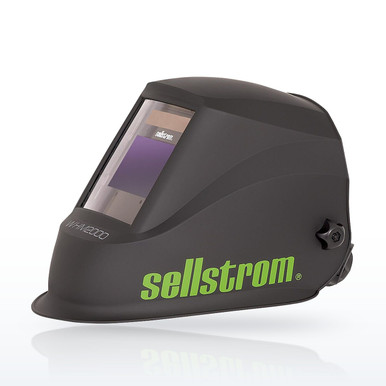
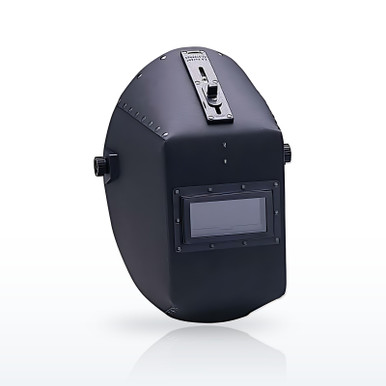
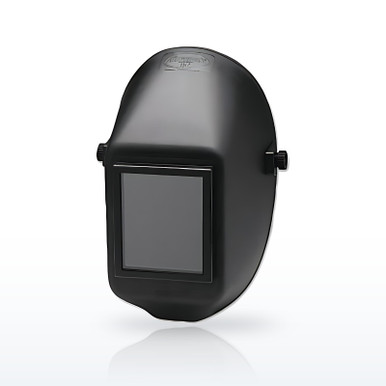
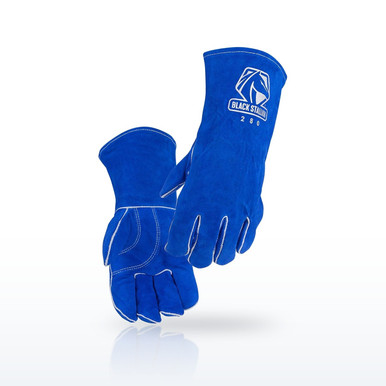
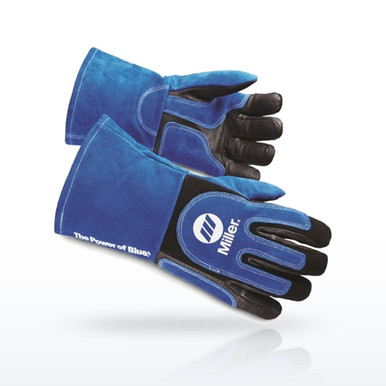
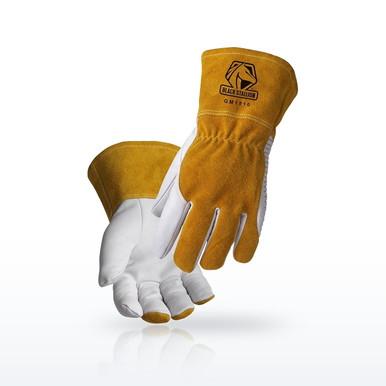
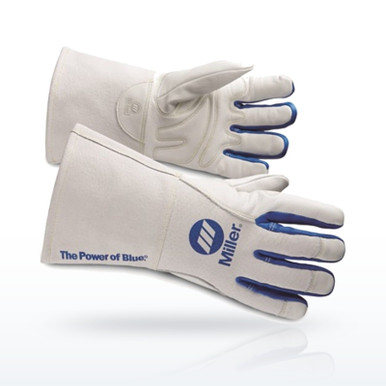
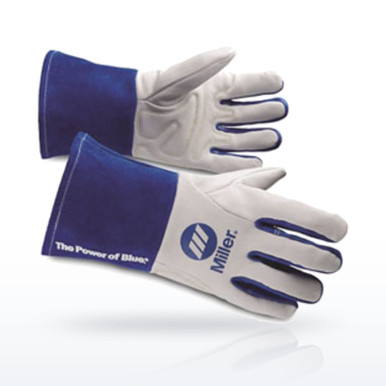
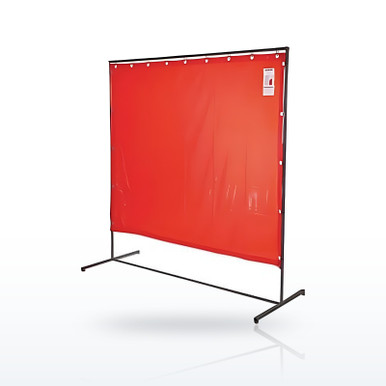
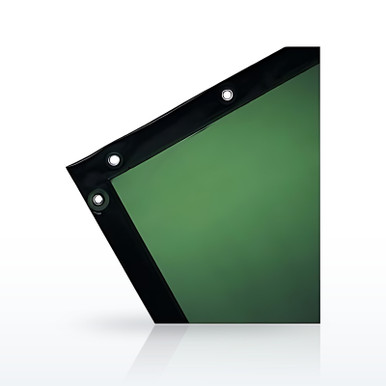
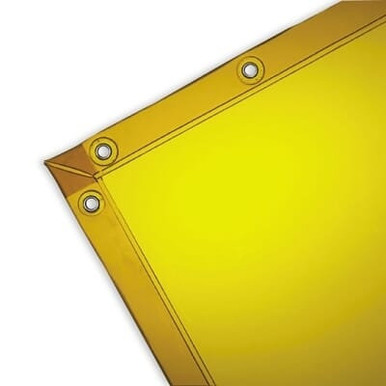
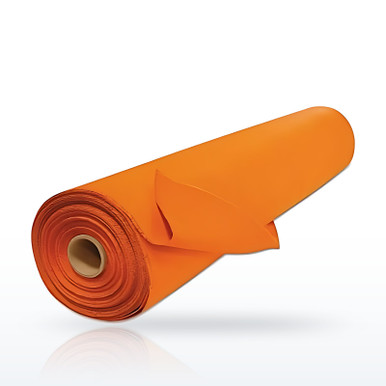
30 items · prices liveShade range, leather type and fabric are as published by the manufacturer on each product page; each item’s own figure is shown. The employer’s hazard assessment decides which items apply. Contractor Direct orders ship free.
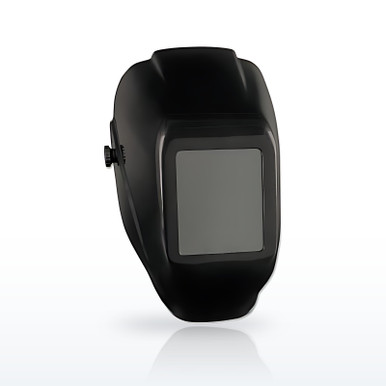
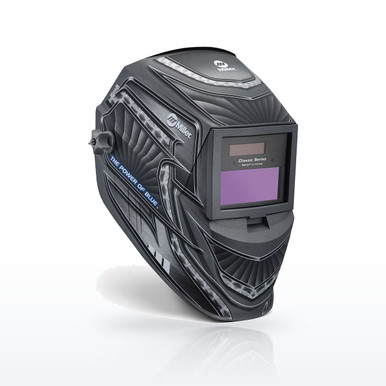
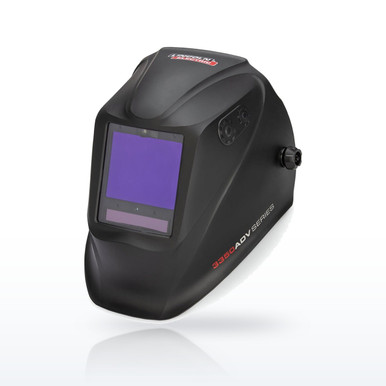




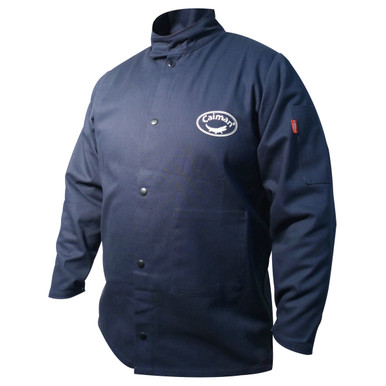
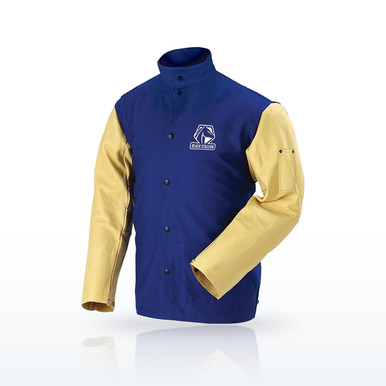
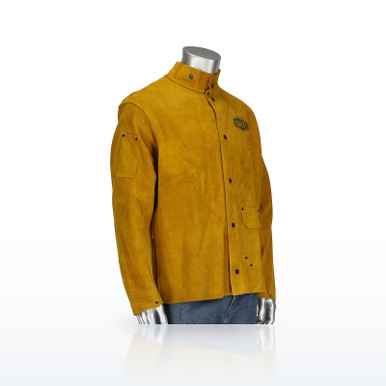
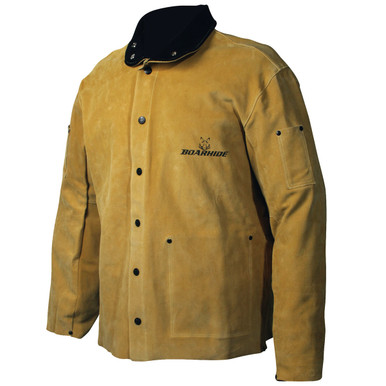
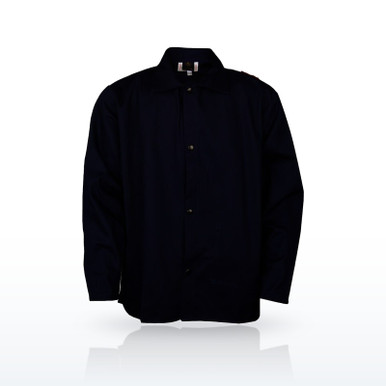
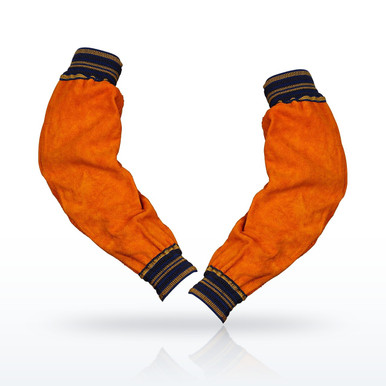
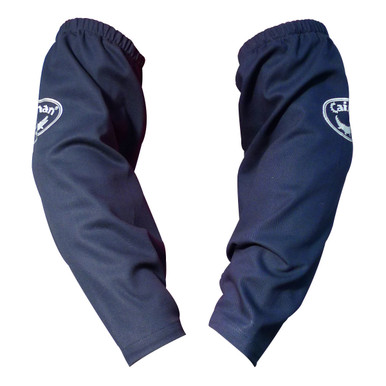

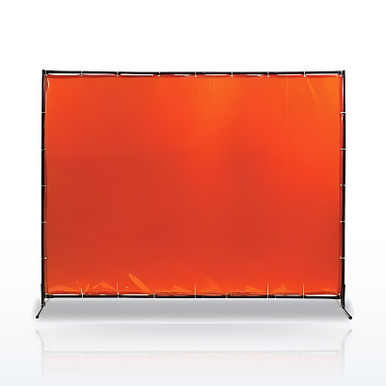
Lenses, cover plates, sleeves, bibs and the full glove range are in the welding finder. Respirators for welding fume are in the respirator finder.
Questions people ask
Does OSHA require a welding helmet?
Yes, for all arc welding and arc cutting other than submerged arc: a helmet or hand shield with a filter plate. Gas welding and oxygen cutting require goggles or other suitable eye protection instead. (1910.252(b)(2)(i)(A) and (B).)
Does OSHA require a welding jacket?
The standard requires protective clothing suited to the size, nature and location of the work, chosen under 1910.132; it does not name a jacket or a fabric. ANSI Z49.1 says clothing is selected to limit ignition, burning, trapped sparks and shock, and its commentary points to leather or flame-resistant clothing as harder to ignite. (1910.252(b)(3); Z49.1:2021 clause 4.3.)
Does OSHA require gloves for welding?
1910.252 does not name gloves; they fall under the clothing and hand-protection rules, 1910.132 and 1910.138, by hazard assessment. ANSI Z49.1 clause 4.3 says all welders and cutters wear flame-resistant gloves.
What shade lens does OSHA require for MIG welding?
In the 1910.252 table, gas-shielded arc welding is shade 11 on nonferrous metal and 12 on ferrous. The 1910.133 table gives a minimum of 10 for gas metal arc at 60 amps and above.
Does OSHA require a respirator for welding?
Only when ventilation cannot keep fume below the 1910.1000 limits, in confined spaces where ventilation is impossible, or for the specific metals named in 1910.252(c)(5) through (c)(10). Any required respirator must be NIOSH-certified and used under a 1910.134 program.
Who has to be protected from the arc besides the welder?
Helpers and attendants get eye protection, and workers adjacent to the welding area are shielded by noncombustible or flameproof screens or wear goggles. (1910.252(b)(2)(i)(A) and (b)(2)(iii).)
Does the employer have to pay for welding PPE?
Yes. PPE used to comply with the standards is provided at no cost, except non-specialty safety-toe footwear and prescription eyewear the employee may wear off site, and everyday clothing. (1910.132(h).)
Is the construction rule different?
Same duties, different numbers: 1926.353 for ventilation and protection, 1926.102 for eye protection with the same shade table, 1926.95 for payment.
Related guides
Is welding dangerous?The hazards OSHA namesMIG vs stick vs TIGProcesses and the PPE for eachWhat shade lens for MIG, TIG, stick and plasma cutting?The OSHA shade tablesWelding blankets, curtains and screensWhat 1910.252 requires for shieldingHow do respirators work?Filters, cartridges and air supplyStandards and ratings on this page are as published in the documents named and by the manufacturers named. The employer’s hazard assessment and written program decide what applies at a given workplace. Verify a rating on the product and its spec sheet before use.