
What is Kevlar, HPPE and Dyneema in a glove, and how do they differ?
Kevlar is DuPont’s para-aramid fiber: it does not melt, breaks down at around 425 °C, and is the fiber in gloves that need cut resistance and heat resistance together, at the cost of a stiffer, heavier knit. HPPE is high-performance polyethylene, the generic name for ultra-high-molecular-weight polyethylene fiber: lighter than water, cool and soft on the hand, strong for its weight, but it melts at about 145 °C and is kept under 70 °C in continuous use. Dyneema is one maker’s brand of that same polyethylene fiber, as Spectra is another’s. In a glove, all three are usually blended with glass or steel strands and nylon or spandex to reach a cut level, so two HPPE gloves can be an A2 and an A7. The ANSI level on the glove, not the fiber name, is the rating.
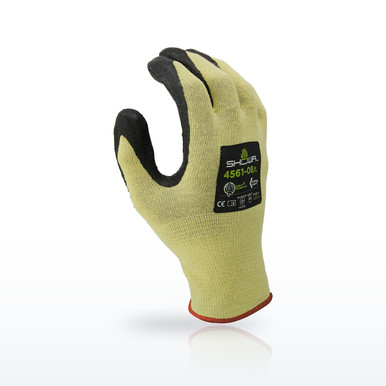 SHOWA Kevlar sponge nitrile palm-coated gloveKevlar shell, ANSI A4 cut, sold per pair
Why does the fiber name show up on the glove at all? Because the fiber is what the glove is made of and buyers learned the names before the ANSI levels existed. A yellow Kevlar glove was the first cut-resistant knit most people handled, and HPPE gloves took over much of the market because they are lighter and cooler. The names still tell you something real about heat, comfort and washing. What they do not tell you is the cut level, which depends on the whole yarn: its gauge, its core and what it is blended with. Since 2016 that number is on the glove, and the fiber name is the context for it.
What is each fiber?
Three names, two chemistries. The figures are the fiber makers’ published values.
How do they differ on the hand?
- Heat: Kevlar does not melt and tolerates brief contact with hot parts; HPPE and Dyneema soften and melt on a hot surface and are kept away from sparks, slag and hot metal. A glove for welding, foundry or hot stamping that lists a cut level is almost always Kevlar or another aramid.
- Weight and feel: polyethylene fibers are about a third lighter than aramid for the same volume and knit into a softer, cooler, more flexible glove. For all-day assembly, warehouse and construction work, that is why HPPE dominates.
- Moisture and washing: HPPE absorbs no water and dries fast; Kevlar takes up moisture and holds it. Both can be laundered; glove makers’ care instructions for aramid gloves say to keep them out of chlorine bleach and prolonged sunlight.
- Chemicals: UHMWPE resists most chemicals except strong oxidizing media, by its maker’s data; aramid care instructions warn against bleach.
- Abrasion and grip: the coating, not the fiber, sets both. A bare-knit glove of either fiber wears quickly on rough material.
- Color: most Kevlar gloves are yellow and most HPPE gloves are gray, white or salt-and-pepper, but color is a manufacturing choice, not a marking.
Does the fiber decide the cut level?
No. The ANSI/ISEA 105 cut level is a test on the finished glove material: a straight blade under load on a TDM-100 machine until it cuts through. A plain 13-gauge HPPE knit lands around A2 to A3. Wrap the same HPPE around a glass core and it reaches A4 or A5; add steel and go to a heavier gauge and it reaches A6 to A9. Kevlar behaves the same way: plain Kevlar knits are typically A2 to A4, and Kevlar with steel or glass cores reach the high levels. The fiber sets the starting point and the heat and comfort; the yarn engineering and the gauge set the number.
ANSI/ISEA 105-2016, section 5.1 and Table 1 (cut tested on the material per ASTM F2992-15); the level ranges by construction are the pattern in the manufacturer spec sheets for the gloves listed below, not a rule in the standard.That is why the catalog groups below show each glove’s own published level next to its fiber. Two gloves that both say Dyneema can be three levels apart, and a specification that says “Kevlar gloves” without a level has not specified cut protection at all. The hazard assessment names the level; the fiber is a comfort and heat decision made after it.
29 CFR 1910.138(b) (selection by performance characteristics); 1910.132(d)(1).Which fiber for which work?
Heat with cut: Kevlar or another aramid, with the cut level and a heat rating (ANSI/ISEA 105 heat levels or EN 407) read from the glove. Cool, light, all-day cut protection: HPPE or Dyneema at the level the assessment names, with a coating for the grip the work needs. Wet or oily work: either fiber with a nitrile or foam nitrile palm; HPPE dries faster. Food processing: HPPE and Dyneema knits are the common choice because they launder well and do not hold water; a smooth, nonabsorbent outer glove goes over them for ready-to-eat food. Glass and sheet metal: the cut level drives it; both fibers are sold at A4 to A6 with glass or steel cores. Welding and foundry: aramid only.
Fiber properties above; FDA Food Code 2022, 3-304.15(B) and (C) (slash-resistant gloves with food); ANSI/ISEA 105-2016 heat and flame levels; EN 407:2020.Gloves by fiber, with each glove’s cut level
24 items · prices liveGrouped by the shell fiber the manufacturer publishes for the glove; the tag is the manufacturer’s ANSI/ISEA 105 cut level for that glove. Yarn cores, gauge and coating are on the product page. Contractor Direct orders ship free.
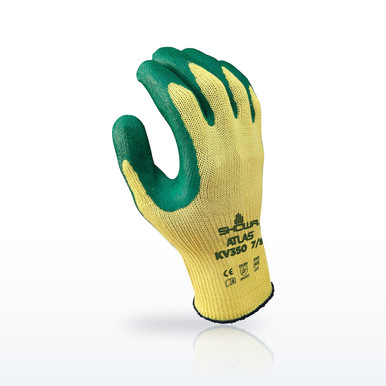
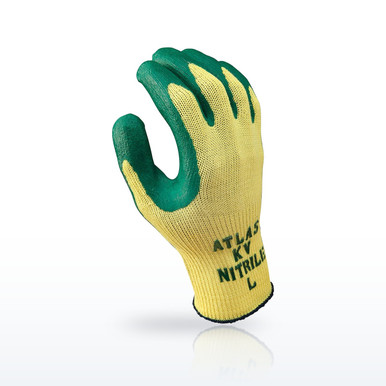
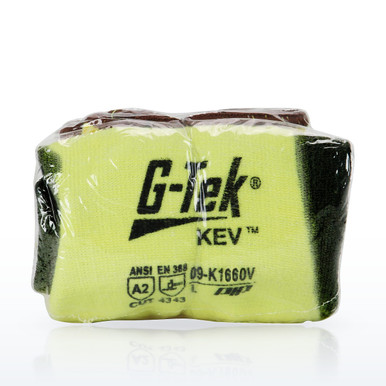
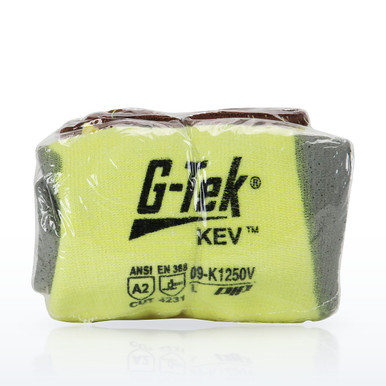
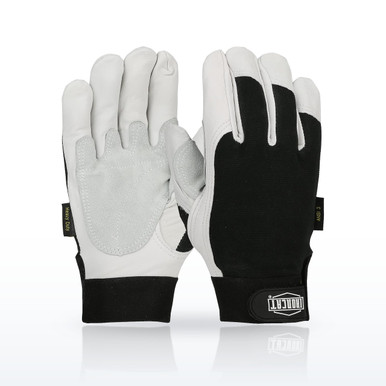
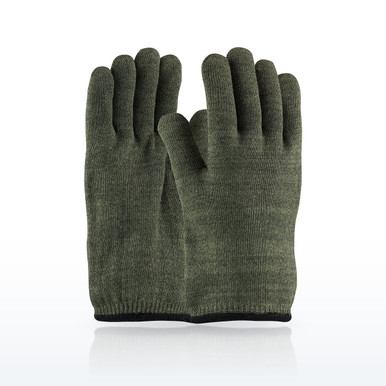
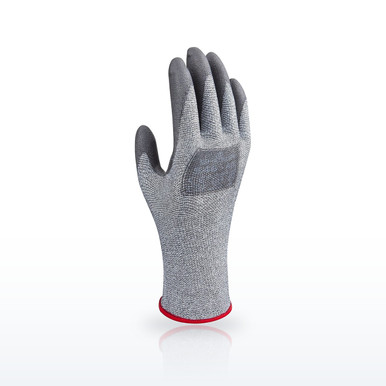
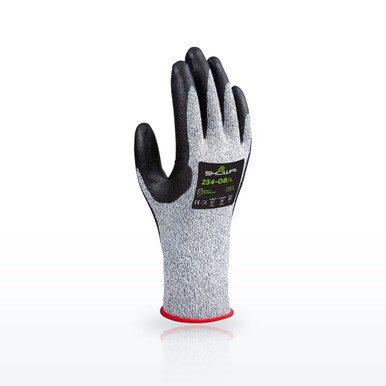
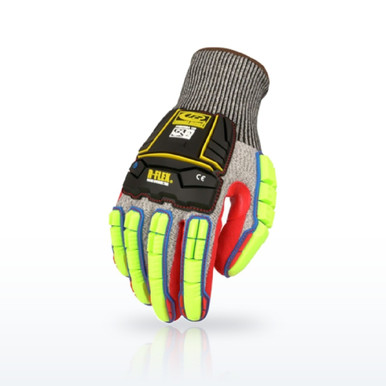
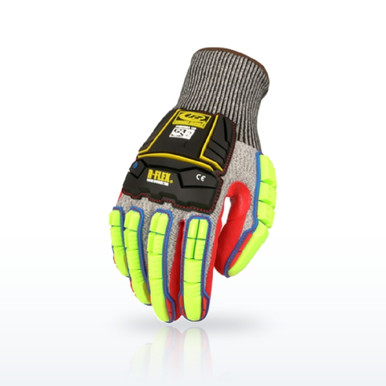
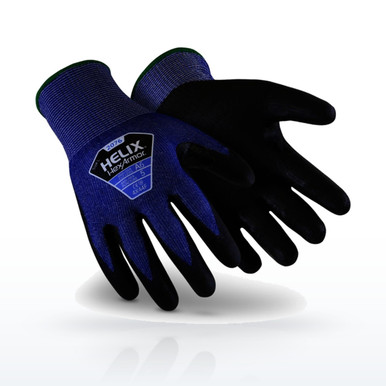
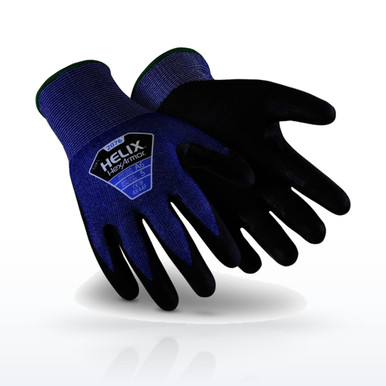
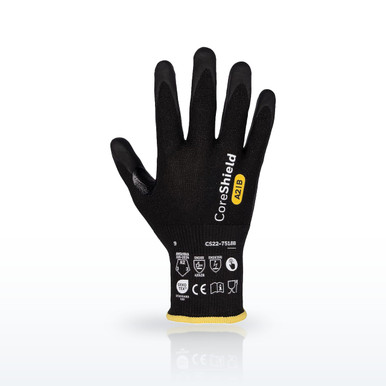
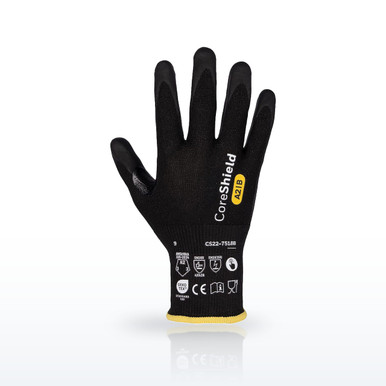
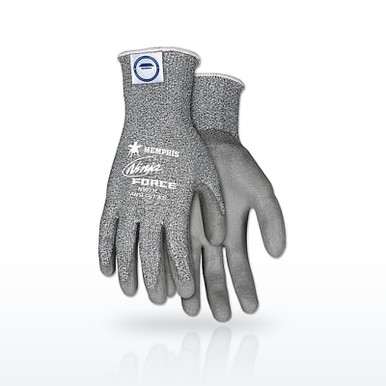
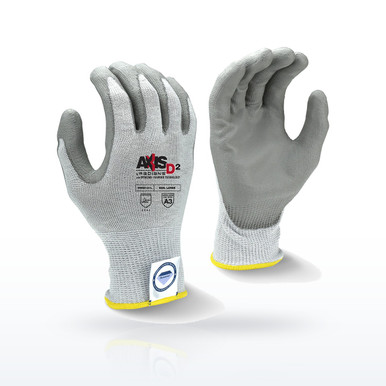
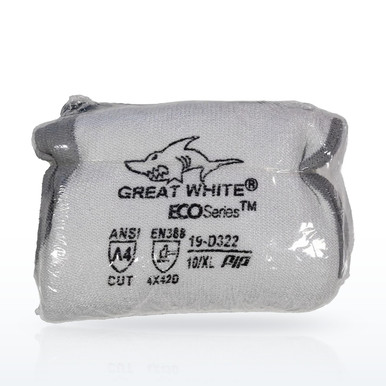
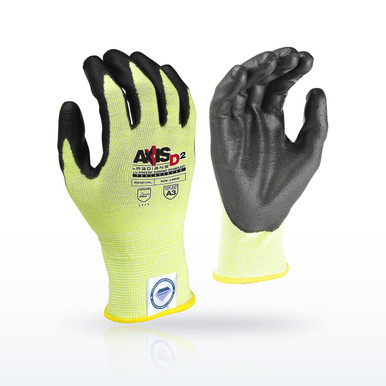
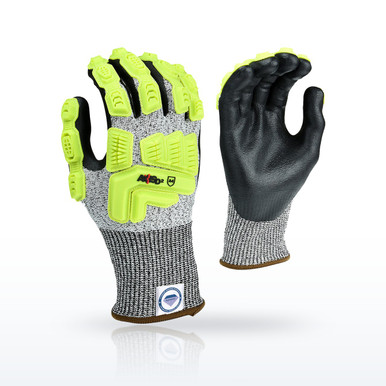
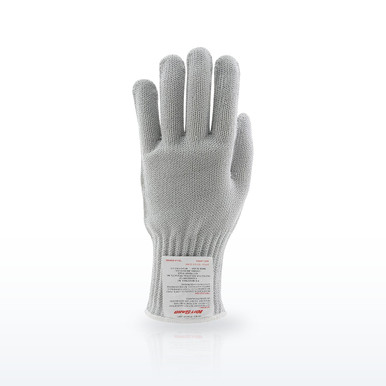
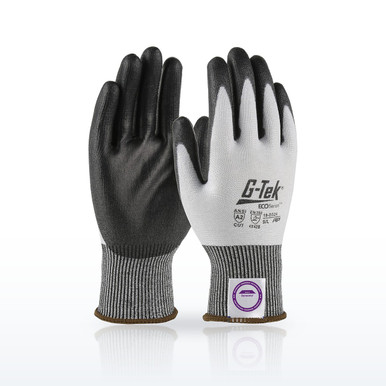
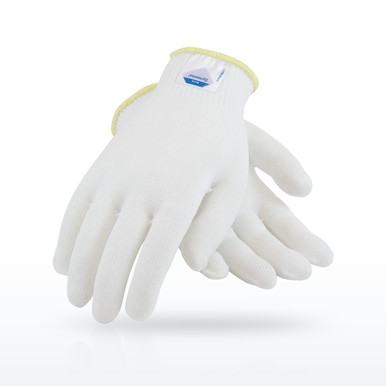
All cut-resistant gloves we carry are on the work glove selector, where you can filter by shell fiber, cut level, coating and brand.
Questions people ask
What is HPPE?
High-performance polyethylene: ultra-high-molecular-weight polyethylene spun into a fiber that is lighter than water, cool and soft, and strong for its weight. It melts at about 145 °C.
Is Dyneema the same as HPPE?
Dyneema is Avient’s brand of UHMWPE fiber; HPPE is the generic name for the same family. A glove marked HPPE may use Dyneema, Spectra or an unbranded fiber.
Is Kevlar better than HPPE for cut resistance?
Neither fiber sets the level on its own. Both are blended with glass or steel cores to reach A4 and above. Read the ANSI level on the glove; choose Kevlar where heat is also present and HPPE where weight and comfort matter.
Can HPPE gloves be used for welding or hot work?
No. Polyethylene fiber melts at 144 to 152 °C and is rated for continuous use at 70 °C or less. Kevlar does not melt and is the cut fiber used in hot work gloves.
Is Kevlar heat resistant?
Yes. Kevlar has no melting point and decomposes at about 425 to 480 °C. The glove’s heat rating still comes from the whole glove, including its liner and coating.
Can Kevlar and HPPE gloves be washed?
Yes, per the manufacturer’s care instructions. HPPE dries fast and holds no water; Kevlar should be kept out of bleach and sunlight, which weaken aramid.
Why are Kevlar gloves yellow?
Yellow is the color most makers sell Kevlar knits in. Color is not a marking under any glove standard.
What is the glass or steel in a cut glove?
Fine glass fiber or stainless steel strands wrapped inside the yarn that resist a blade. They are what move a Kevlar or HPPE glove from the A2 to A3 range up to A4 and beyond.
Standards and ratings on this page are as published in the documents named and by the manufacturers named. The employer’s hazard assessment and written program decide what applies at a given workplace. Verify a rating on the product and its spec sheet before use.