
ANSI A4 vs A5 vs A6 gloves: what the levels protect against
The three levels are steps on one scale: the grams of load a straight blade needs to cut through the glove material in the ANSI/ISEA 105 test. A4 is 1,500 to 2,199 grams, A5 is 2,200 to 2,999, A6 is 3,000 to 3,999. A4 is the level most jobsite specifications land on for sheet metal, glass, drywall knife work and general construction. A5 is specified where the edges are sharper or the contact heavier. A6 is the start of the heavy range used in metal fabrication, glass manufacturing, meat processing and demolition. The level is a lab result for the material, not a rating of the task; the employer’s hazard assessment names the level, and the glove’s marking shows it was met.
Why do these three levels get compared so often? Before 2016 the scale had five levels and most cut gloves were a 3 or a 4. The 2016 edition split the middle of the scale into A4, A5 and A6, so a glove that used to be “level 4” could now be any of the three. Specifications written since then tend to call out one of them, buyers see all three on the shelf at similar prices, and the question becomes which one the job needs. The answer is in the hazard, not the glove: the grams of load a blade can put on the hand in the worst case of the task.
What does each level mean?
The cut level is the cutting load, in grams, at which a straight blade cuts through the material after 20 millimeters of travel on a TDM-100 machine. The use examples are typical industry assignments, not part of the standard.
How much more protection is A5 or A6 than A4?
In grams, A5 starts about 47 percent higher than A4 and A6 starts twice as high. That is a lab figure for a straight blade under a steady load. On the job the difference shows up in the margin: a glove tested at 1,600 grams is an A4 and one at 2,900 is an A5, and a blade that would cut the first will not necessarily cut the second. Manufacturers publish the level, not the exact gram result, so two A4 gloves can sit anywhere in the 1,500 to 2,199 band. The level is a floor.
ANSI/ISEA 105-2016 Table 1; ASTM F2992-15 (reporting of cutting load).What the step costs is usually feel and heat. Going from A4 to A6 at the same coating generally means a heavier core yarn (steel, glass or a thicker engineered fiber), a lower gauge knit, or both. For a task that needs fine finger work, an A6 glove that gets taken off is worse than an A4 that stays on, which is why the hazard assessment is supposed to weigh dexterity and duration along with the cut hazard.
29 CFR 1910.138(b) (selection considers the task, conditions and duration of use); 1910 Subpart I Appendix B, section 11.How do you pick the level?
- Name the sharpest thing the hand will touch and how it will touch it: a sheet edge sliding across the palm, a knife blade slipping, a burr on a stamped part, a glass shard in a bin. The hazard assessment under 1910.132(d) has to identify it.
- Match it to the level the standard’s bands describe. Light edges and incidental contact point to A1 to A3. Sheet metal, glass and knife work to A4. Sharper edges and heavier contact to A5. Fabrication, glass manufacturing, meat and demolition to A6 and up. Where a written specification already calls a level, that governs.
- Check the other ratings on the same label. A glove with an A5 cut level and a puncture level 1 is not a glove for rebar or wire. A4 and up with an impact level from ANSI/ISEA 138 covers back-of-hand hazards that the cut level does not.
- Fit it to the task, then to the hand. OSHA requires PPE that properly fits each employee. Gauge, coating and cuff decide whether a glove at the right level actually stays on for the shift.
- Write it down. The level goes in the certified hazard assessment, the glove’s ANSI marking shows it was met, and the training covers when and why.
Does OSHA require A4, A5 or A6?
OSHA does not name a cut level. 1910.138 requires hand protection where hands are exposed to severe cuts or lacerations, and requires the selection to be based on the glove’s performance characteristics for the task. The ANSI level is the performance characteristic for cut, and OSHA cites under 1910.138 or 1910.132(d) when the glove in use does not match the hazard. A written specification that calls out A4 and a crew in A2 is the kind of gap that gets cited after an injury.
29 CFR 1910.138(a) and (b); 1910.132(d)(1).Cut-resistant gloves at A4, A5 and A6
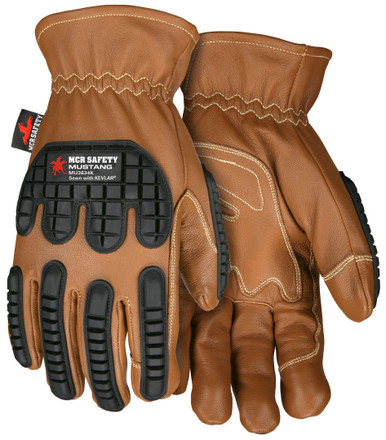
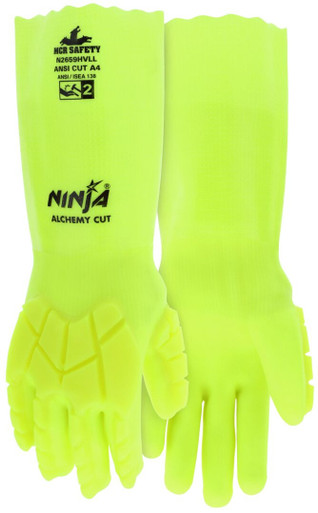
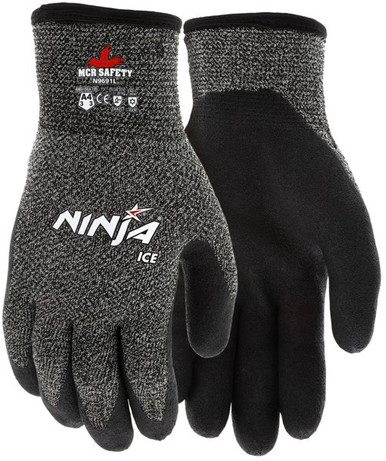
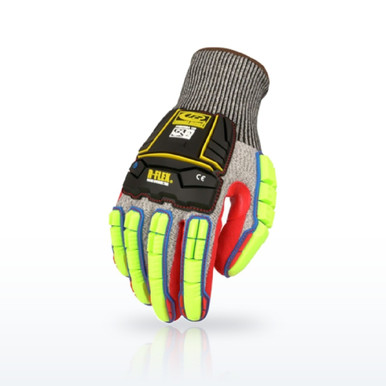
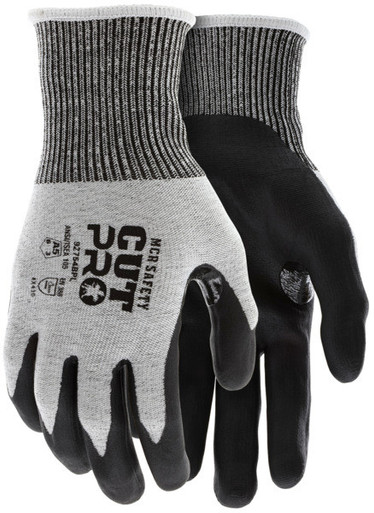
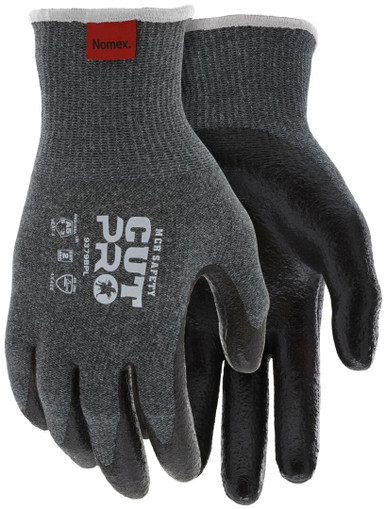
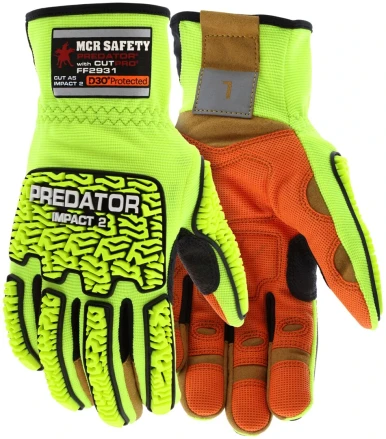
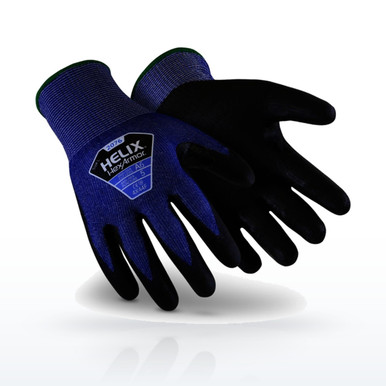
24 items · prices liveEach glove is listed at the ANSI/ISEA 105 cut level its manufacturer publishes; the level shown is the manufacturer’s rating. Coating, gauge and puncture level are on the product page. Free shipping on orders over $199.
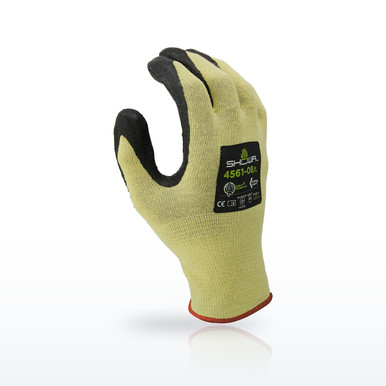
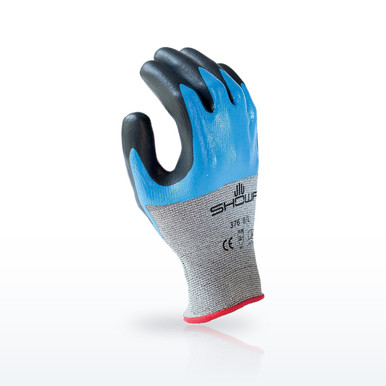
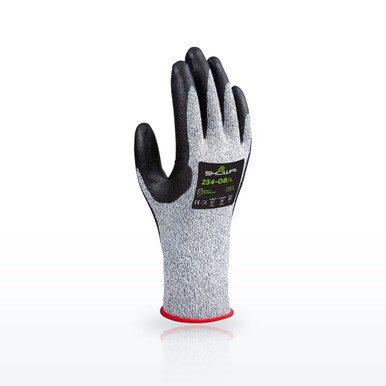

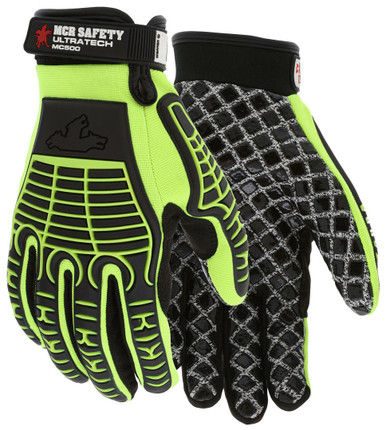
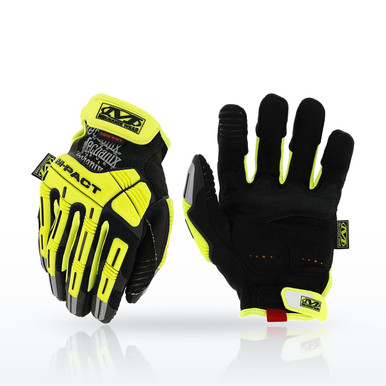
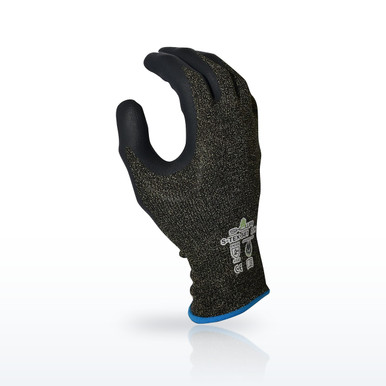
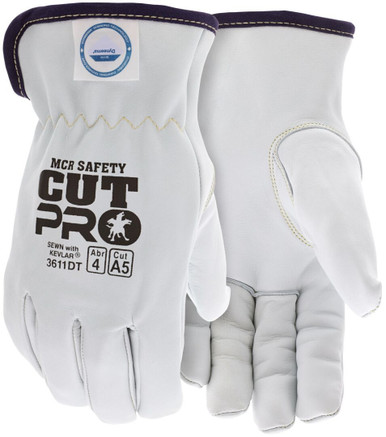
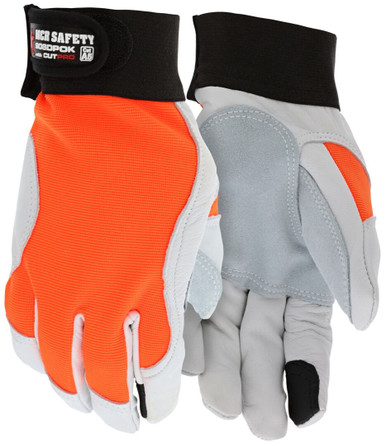
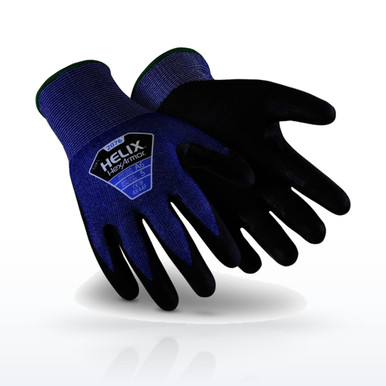
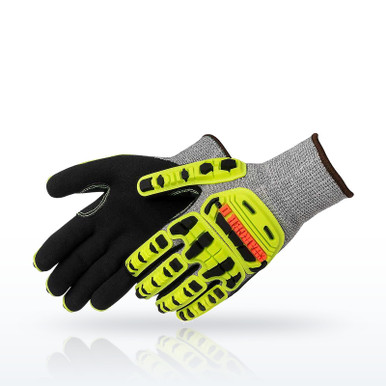
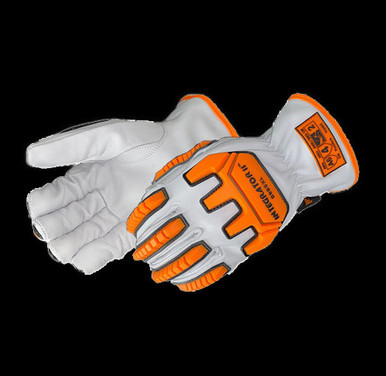
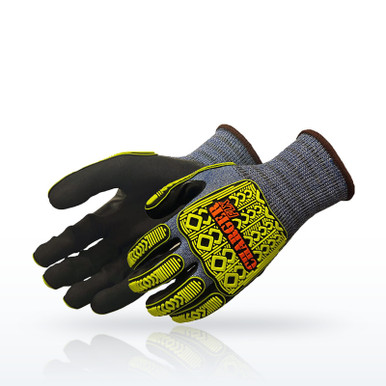
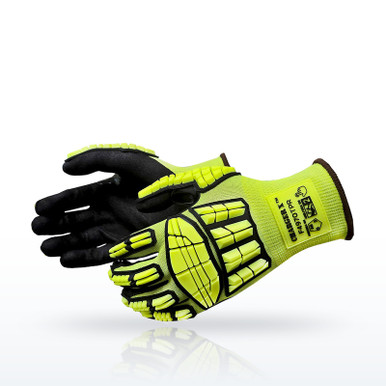
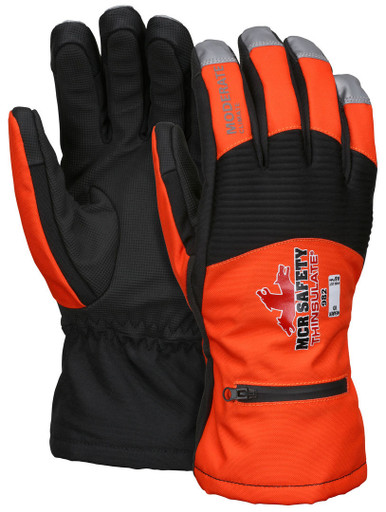
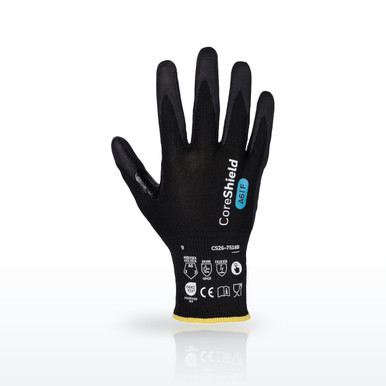
All cut-resistant gloves we carry, A1 through A9, are on the work glove selector, filtered by level, coating and brand.
Questions people ask
What is the difference between A4 and A5 cut resistance?
Cutting load. A4 is 1,500 to 2,199 grams; A5 is 2,200 to 2,999. Both are tested the same way on a straight blade. (ANSI/ISEA 105-2016 Table 1.)
What is the difference between A5 and A6?
A6 starts at 3,000 grams and runs to 3,999; A5 tops out at 2,999. A6 is the first level of what the standard’s users call the heavy range.
Is A4 enough for sheet metal?
A4 is the level most sheet metal and HVAC specifications call out. Whether it is enough for a given shop is the employer’s hazard assessment, which has to look at the edges actually handled.
Is A6 better than A4?
For cut resistance, yes: at least twice the cutting load. For feel, heat and cost, usually not. The right level is the one the hazard assessment names.
What is A5 used for?
Tasks with sharper or heavier edge contact than general construction: steel strapping, burred stamped parts, glazing, metal roofing, pipe work and light fabrication, as manufacturers and specifiers typically assign it.
Are A4 to A6 gloves puncture-resistant?
Not by the cut level. Puncture is a separate ANSI test (levels 1 to 5) printed separately. Read it on the product page.
Does OSHA require a cut level?
No. 1910.138 requires hand protection matched to the cut hazard and selected from its performance characteristics; the level is how that is written and checked.
What was A4 before 2016?
Roughly the old level 4, which ran from 1,500 to 3,499 grams on a different tester and so also covered today’s A5 and part of A6. Old and new levels do not convert exactly.
Standards and ratings on this page are as published in the documents named and by the manufacturers named. The employer’s hazard assessment and written program decide what applies at a given workplace. Verify a rating on the product and its spec sheet before use.