
NFPA 70E PPE categories 1 to 4: what each requires
NFPA 70E sorts arc flash PPE into four categories by the minimum arc rating of the clothing: Category 1 is 4 cal/cm², Category 2 is 8, Category 3 is 25 and Category 4 is 40. Categories 1 and 2 are arc-rated shirt and pants or a coverall, with an arc-rated face shield (Category 1) or a face shield plus an arc-rated balaclava, or an arc flash suit hood (Category 2). Categories 3 and 4 are an arc flash suit, jacket and pants or coverall, with an arc flash suit hood and arc-rated gloves. Every category also calls for a hard hat, safety glasses or goggles, hearing protection, heavy-duty leather gloves and leather footwear. The category comes from the task tables or the equipment label; it is never guessed from the voltage.
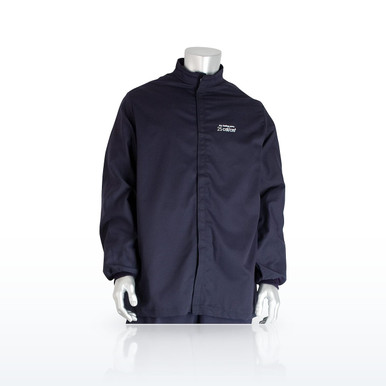
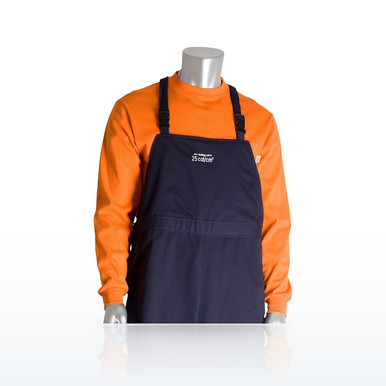
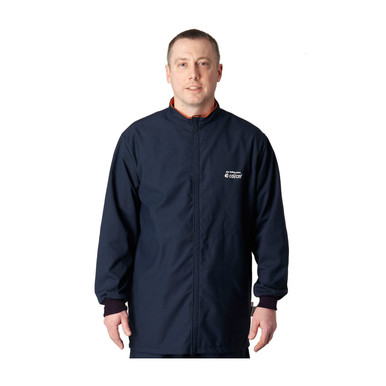
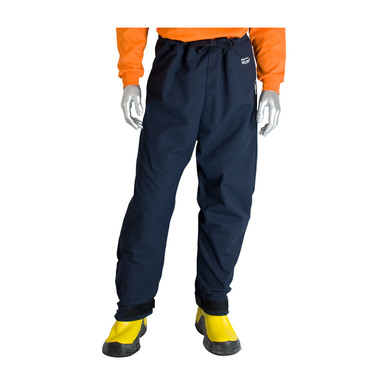
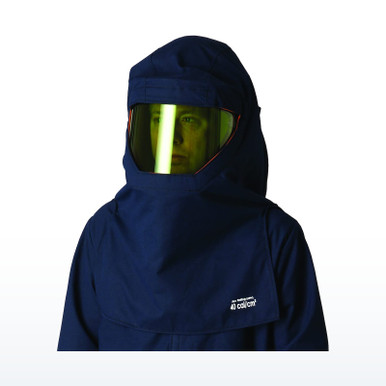
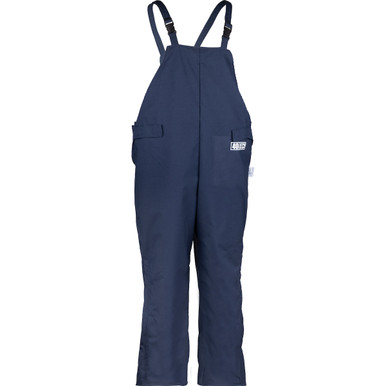
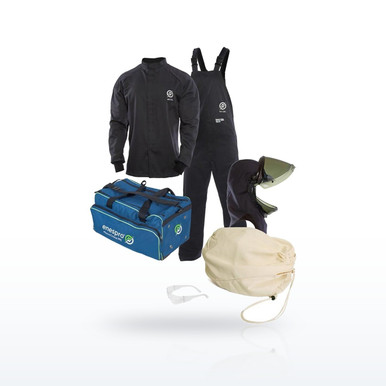
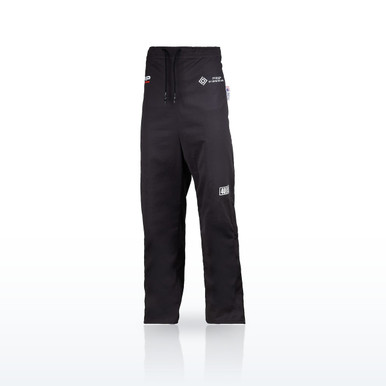
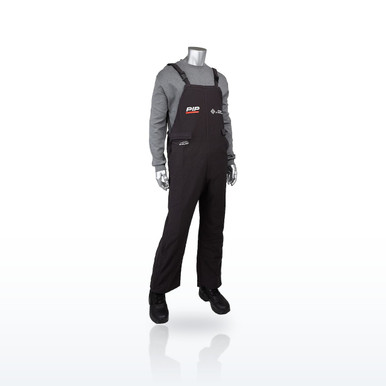
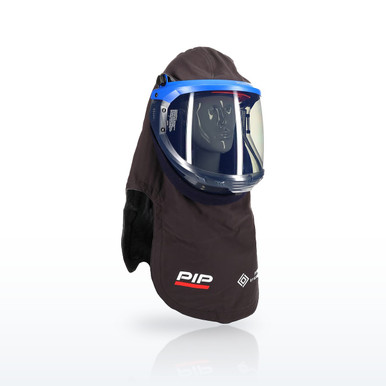
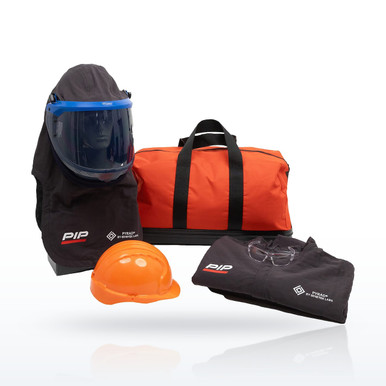 PIP PYRAD 9150-40PYR 40 cal/cm² arc flash kitJacket, bib overall, hood and bag; rated 40 cal/cm² by the manufacturer, which meets Category 4
Why categories instead of a number? An incident energy analysis gives an exact figure for each piece of equipment, but many employers do not have one for every panel on every site. The category method is NFPA 70E’s shortcut: a table that assigns a category to common tasks on common equipment, provided the fault current and clearing time stay inside the limits the table states. The four categories let a crew stock a small number of clothing sets that cover most of the work. Where an incident energy analysis exists, the clothing is chosen from Table 130.5(G) instead, and the two methods are not mixed on one piece of equipment.
How is the category chosen?
The steps NFPA 70E puts in front of the table.
NFPA 70E Table 130.7(C)(15)(c): what each category requires
| Category 1 (4 cal/cm²) | Category 2 (8 cal/cm²) | Categories 3 (25) and 4 (40 cal/cm²) | |
|---|---|---|---|
| Body | Arc-rated long-sleeve shirt and pants, or arc-rated coverall | Arc-rated long-sleeve shirt and pants, or arc-rated coverall | Arc-rated shirt and pants or coverall, as required, plus arc-rated arc flash suit jacket and pants, as required |
| Head and face | Arc-rated face shield with wrap-around guarding for face, forehead, ears and neck, or arc flash suit hood | Arc-rated face shield with wrap-around guarding plus arc-rated balaclava, or arc flash suit hood | Arc flash suit hood |
| Outer layers | Arc-rated jacket, parka, rainwear or hard hat liner, as needed | Same | Same |
| Hands | Heavy-duty leather gloves | Heavy-duty leather gloves | Arc-rated gloves |
| Always | Hard hat; safety glasses or goggles; hearing protection (ear canal inserts); leather footwear as needed | Same | Same |
Minimum arc rating of the clothing system: Category 1, 4 cal/cm²; Category 2, 8 cal/cm²; Category 3, 25 cal/cm²; Category 4, 40 cal/cm². Every layer that counts toward the rating must be arc rated; the system rating comes from a multilayer test, not from adding layers. Where rubber insulating gloves with protectors are worn for shock protection, no additional gloves are required for arc flash protection. Other hearing protection may be used with or in place of ear canal inserts when worn under an arc flash suit hood. The 2024 edition removed the word leather from the definition of protector; the table rows above are condensed from the standard and the wording in the standard governs.
NFPA 70E-2024, Table 130.7(C)(15)(c), Personal Protective Equipment (PPE), and its notes; 130.7(C)(10)(d) on gloves; Article 100 definition of protector (2024).
What is the difference between Category 2 and Category 3 in practice?
The jump from 8 to 25 cal/cm² is where everyday arc-rated workwear ends and the arc flash suit begins. A Category 2 set is clothing a worker can wear all shift: an 8 to 12 cal/cm² shirt and pants or a coverall, a hard hat with an arc-rated face shield, and a balaclava pulled up when the task starts. Category 3 and 4 add a hood that encloses the whole head and a multilayer jacket and bib or coverall rated 25 or 40 cal/cm², put on over the daily clothing for the task and taken off after. A 40 cal/cm² kit covers both Category 3 and Category 4, which is why most crews stock a 40 rather than a 25.
NFPA 70E-2024, Table 130.7(C)(15)(c); 130.7(C)(10) (arc flash protective equipment).There is no Category 0 and no category above 4. Tasks that Table 130.5(C) says are not likely to cause an arc flash need no arc flash PPE; the 2015 edition removed Category 0, and the word has no meaning in the current standard. Incident energies above 40 cal/cm² fall outside the tables; the equipment must be de-energized, or PPE selected by incident energy analysis for the actual value, which some manufacturers rate to 100 cal/cm² and beyond.
NFPA 70E-2024, Table 130.5(C); Table 130.7(C)(15)(a) and (b) (categories 1 through 4 only); 130.5(G) and Table 130.5(G).What else has to be right besides the category?
- Nothing meltable next to the skin. Underwear and base layers of acetate, nylon, polyester, polypropylene or spandex are not permitted under arc-rated clothing; untreated cotton is allowed but adds nothing to the rating.
- Outer layers are arc rated too. A rain jacket or winter coat over an arc-rated shirt has to carry its own arc rating.
- Shock protection is separate. The category covers heat. Rubber insulating gloves, sleeves and insulated tools are selected from the shock approach boundaries and the system voltage.
- Safety glasses or goggles go under the face shield or hood, every time.
- Hearing protection applies to anyone inside the arc flash boundary, not only the person doing the work.
Arc-rated clothing and kits by category
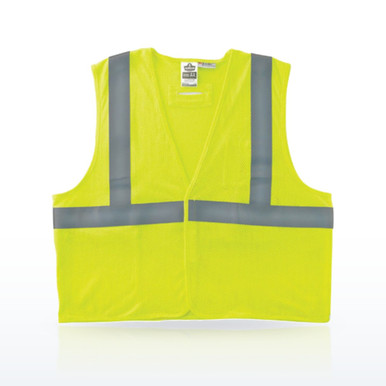
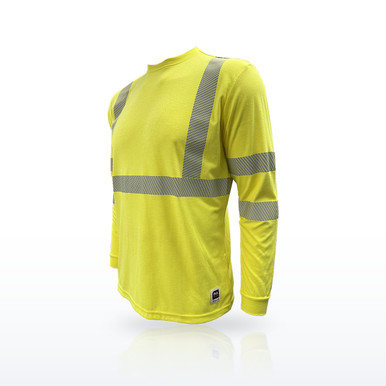
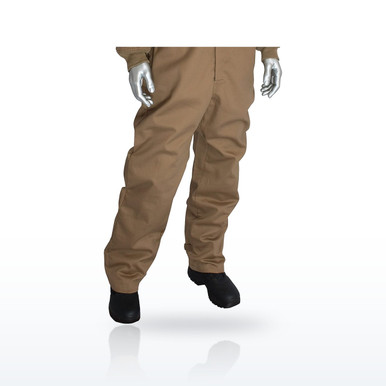
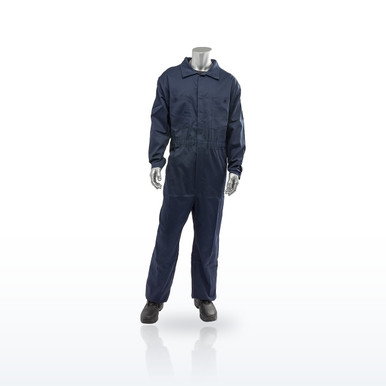
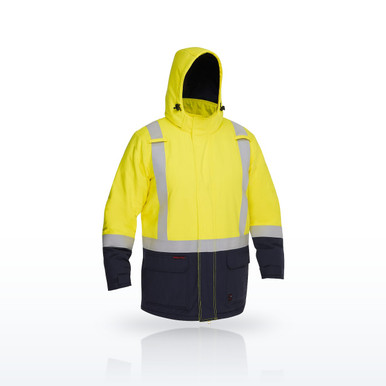
27 items · prices liveGrouped by the arc rating the manufacturer publishes for each item. An item rated 8 cal/cm² or more meets the Category 2 minimum arc rating; 25 or more meets Category 3; 40 or more meets Category 4. The category itself is the full list in the table above (clothing, head and face, gloves and the rest), not one garment. Contractor Direct orders ship free.
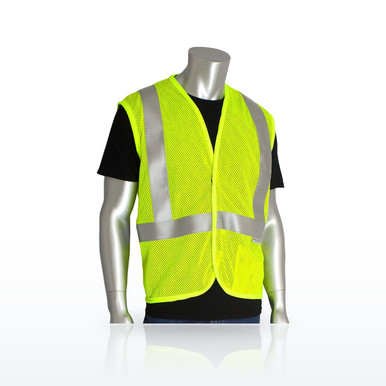
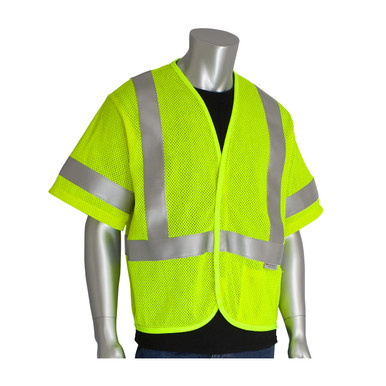
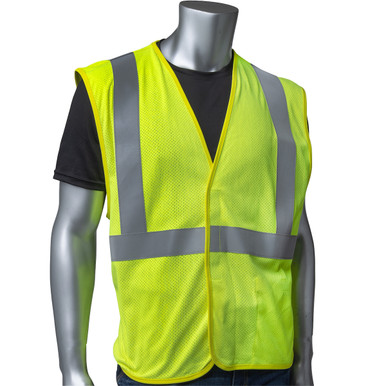
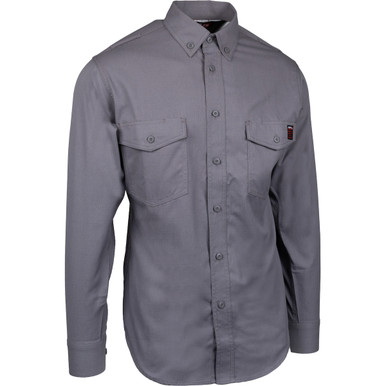
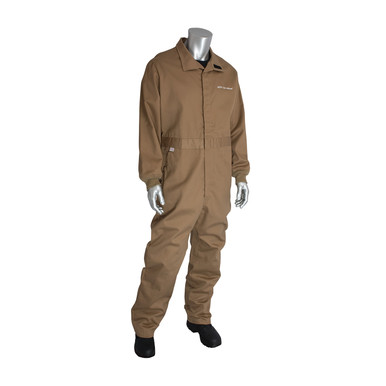
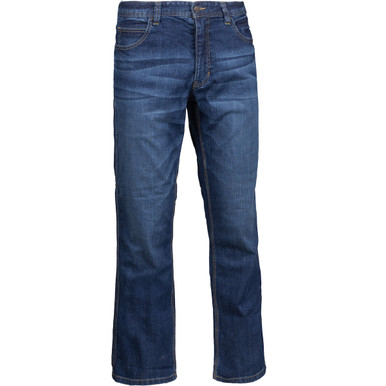
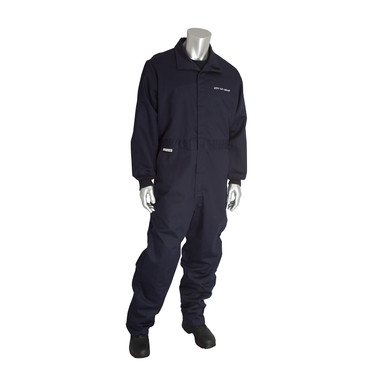
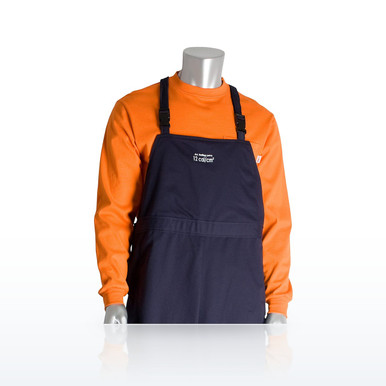
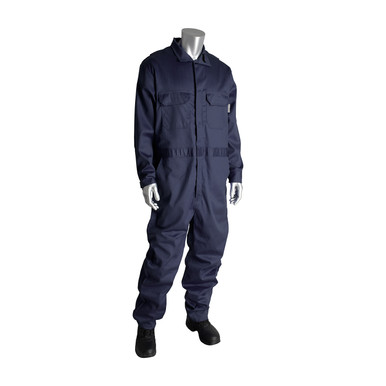
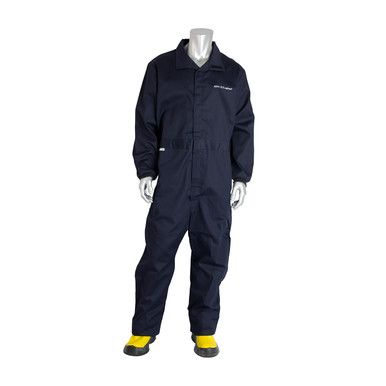
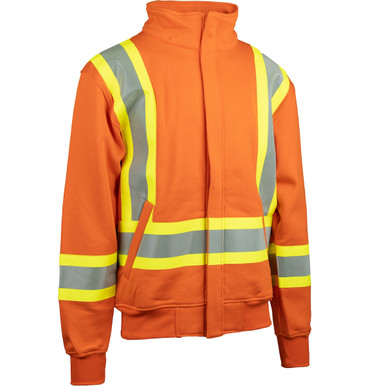
Face shields, balaclavas and hoods are covered in their own guide, and rubber insulating gloves in the work glove selector.
Questions people ask
What are the 4 arc flash PPE categories?
Category 1 (minimum 4 cal/cm²), Category 2 (8), Category 3 (25) and Category 4 (40), from NFPA 70E Table 130.7(C)(15)(c). Each lists the clothing, face protection, gloves and other PPE for that level.
What does Category 2 require?
Arc-rated long-sleeve shirt and pants or coverall with a system rating of at least 8 cal/cm², an arc-rated face shield with a balaclava or an arc flash suit hood, hard hat, safety glasses or goggles, hearing protection, heavy-duty leather gloves and leather footwear as needed.
What does Category 4 require?
An arc flash suit (jacket and pants or coverall) and hood rated at least 40 cal/cm², arc-rated gloves, hard hat, safety glasses or goggles, hearing protection and leather footwear as needed. The same list applies to Category 3 at 25 cal/cm².
Is there a Category 0?
Not since the 2015 edition. Tasks that Table 130.5(C) says are not likely to produce an arc flash simply do not require arc flash PPE.
How do I know which category a panel is?
From the equipment label, or from Table 130.7(C)(15)(a) if the panel’s fault current and clearing time are within the row for that equipment type. If they are unknown or higher, the table cannot be used and an incident energy analysis is required.
Can I use a 40 cal/cm² suit for Category 2 work?
Yes. A higher rating satisfies a lower category. Most crews keep daily Category 2 clothing and a 40 cal/cm² kit for the rest.
Does a 12 cal/cm² shirt over an 8 cal/cm² T-shirt make Category 3?
No. Only a multilayer arc test of that combination gives a system rating, and 25 cal/cm² is rarely reached by two light layers. Use the manufacturer’s published system rating or a 25 cal/cm² suit.
Does OSHA enforce the NFPA 70E categories?
OSHA enforces 1910.132 and 1910.335, which require PPE appropriate to the electrical hazard. NFPA 70E is the consensus standard that shows how; its tables are the usual evidence that an employer met the OSHA duty.
Standards and ratings on this page are as published in the documents named and by the manufacturers named. The employer’s hazard assessment and written program decide what applies at a given workplace. Verify a rating on the product and its spec sheet before use.