
Nitrile vs latex vs vinyl gloves: what each material resists
Nitrile is a synthetic rubber: no latex allergy risk, the best puncture resistance of the three, and good resistance to oils, fuels and many solvents. Latex is natural rubber: the best stretch and feel and the lowest cost per box, but it causes allergic reactions in some people and breaks down in oils. Vinyl (PVC) is the cheapest, fits loosely, tears easily and resists few chemicals, so it suits short, low-risk tasks like food handling. For most shop, trade and healthcare work, nitrile is the material the standards and the manufacturers point to.
Why does the material matter? A disposable glove is a barrier that is supposed to fail only when you take it off. Latex that a worker is allergic to, vinyl that splits on a hand tool, or any of the three worn against a solvent that dissolves it, fails while you are still wearing it, and you may not notice. The material decides what the glove will stand up to; the thickness and the standard decide how reliably.
Which material resists what?
The short version. The chart lower down has the numbers.
Nitrile vs latex vs vinyl at a glance
| Nitrile | Latex (natural rubber) | Vinyl (PVC) | |
|---|---|---|---|
| Puncture resistance | High | Medium to high | Low |
| Chemical resistance | Oils, fuels, greases, many solvents, some acids and bases | Water-based chemicals, some acids and bases; poor with oils and solvents | Water, mild detergents; poor with most chemicals |
| Allergy risk | No natural latex proteins; rare reaction to accelerators | Natural latex protein allergy; powder spreads it | No latex; plasticizer irritation possible |
| Fit and dexterity | Snug; conforms with body heat | Best stretch and tactile feel | Loose; limited stretch |
| Typical thickness | 3 to 8 mil | 4 to 8 mil | 3 to 5 mil |
| Shows tears | Tears propagate visibly | Tears propagate visibly | Pinholes and tears can go unnoticed |
| Common uses | Automotive, trades, labs, healthcare, janitorial chemicals | Healthcare where allergy is managed, cleaning | Food handling, light cleaning, short tasks |
| Standard | ASTM D6319 | ASTM D3578 | ASTM D5250 |
A mil is a thousandth of an inch; a 5-mil nitrile glove is 0.005 inch at the palm, and the fingertips are usually thicker than the palm. The ASTM standards set the minimum tensile strength, elongation, dimensions and the acceptable quality level for pinholes (the AQL: an exam-grade glove allows no more than 2.5 percent of a lot to leak in the water test, an industrial grade more). No disposable glove is rated for cut resistance, and none is a substitute for a chemical-resistant glove when the SDS calls for one; the breakthrough times on a manufacturer’s chemical chart are for the thicker reusable gloves unless the chart says otherwise.
ASTM D6319-19, D3578-19, D5250-19 (physical requirements and AQL); ASTM D5151 (water leak test); manufacturer chemical resistance guides (Ansell, PIP, Showa).
What is the latex allergy problem?
Natural rubber latex contains proteins that some people become sensitized to after repeated exposure; reactions run from skin rash to asthma to anaphylaxis, and healthcare workers who wore powdered latex for years were the group it showed up in. NIOSH recommends that employers provide non-latex gloves wherever latex is not needed and, where latex is used, choose powder-free, low-protein gloves. The FDA banned powdered surgical and exam gloves in 2017 for the same reason. That is the main reason nitrile replaced latex in most workplaces.
NIOSH Alert, Preventing Allergic Reactions to Natural Rubber Latex in the Workplace (97-135); FDA, Banned Devices: Powdered Surgeon’s Gloves, Powdered Patient Examination Gloves (21 CFR 895.102, 2017).Exam grade vs industrial grade: what is the difference?
Exam (medical) grade gloves are cleared by the FDA as medical devices and are held to the tighter pinhole limit (AQL 2.5 or better); industrial grade gloves are not FDA-cleared and may be made to a looser AQL (often 4.0). For work with blood or body fluids under OSHA 1910.1030, use exam grade. For automotive, painting, cleaning and food, industrial grade is usually fine. The box says which.
FDA 21 CFR 880.6250 (patient examination glove); ASTM D6319 Table 1 (AQL); 29 CFR 1910.1030(d)(3).When must a disposable glove be changed?
- As soon as it is torn, punctured or visibly contaminated.
- When switching between tasks where cross-contamination matters: raw food to ready food, patient to patient, one chemical to another.
- After contact with a chemical the glove is not rated for, even if it looks fine; permeation is invisible.
- Before eating, drinking, touching your face or your phone.
- In healthcare, after each patient contact; gloves are never washed and reused.
Which one for which job?
Match the material to the hazard on the safety data sheet, then the thickness to the work. Nitrile for anything involving oils, fuels, solvents, paints or tools, and for anyone with a latex allergy. Latex where fine feel matters and allergy is managed. Vinyl for food service and light, short tasks with no chemical exposure. For a specific chemical, check the glove manufacturer’s chemical resistance chart; if the SDS or the chart calls for a reusable chemical glove, a disposable is not enough. OSHA leaves the choice to the employer’s hazard assessment and holds the employer to it.
29 CFR 1910.138(b) (selection based on the hazards identified); 1910.132(d); manufacturer chemical resistance charts.Disposable gloves by material
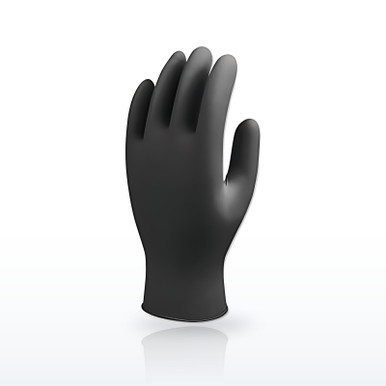
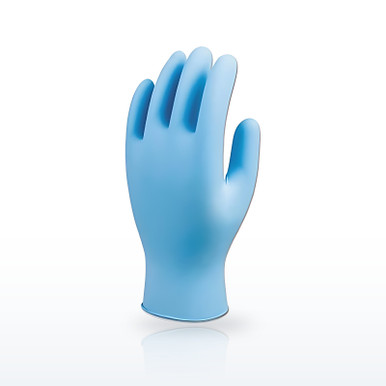
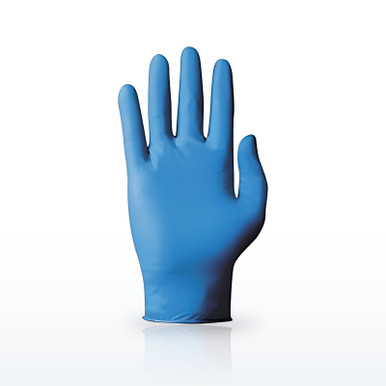
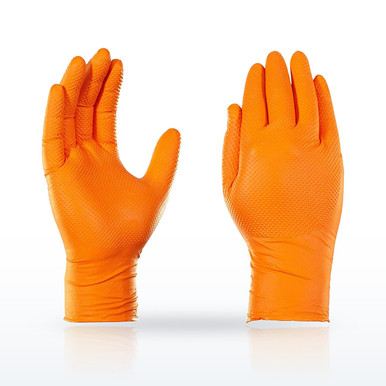
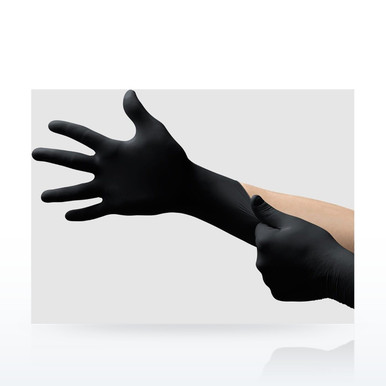
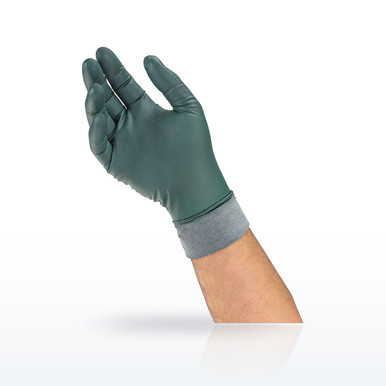
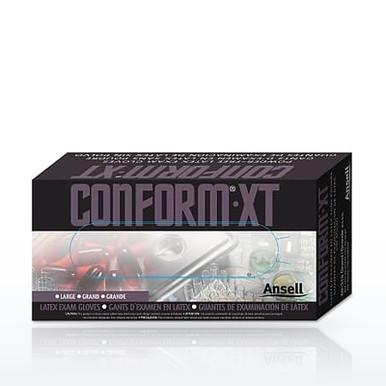
21 items · prices liveMaterial, thickness and grade are as published by the manufacturer; see the product page for the ASTM standard and the box count. Contractor Direct orders ship free.




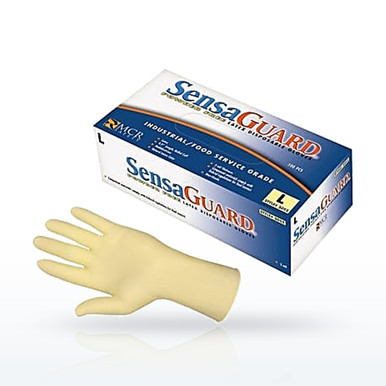

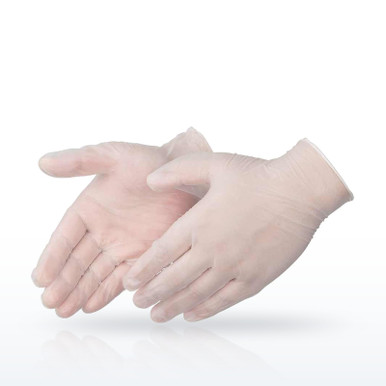

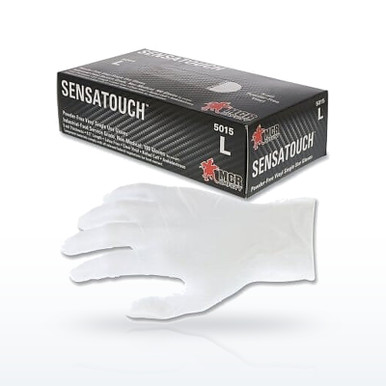
Reusable chemical-resistant gloves rated by breakthrough time are on the chemical glove finder.
Questions people ask
Which is better, nitrile or latex?
For most work, nitrile: no latex allergy, better puncture and oil resistance. Latex stretches better and costs less, and is still used where feel matters and no one is allergic.
What is the difference between vinyl and nitrile gloves?
Vinyl is PVC: cheap, loose, tears easily, resists few chemicals. Nitrile is synthetic rubber: snug, puncture-resistant, resists oils and many solvents. Vinyl is for short low-risk tasks; nitrile is for everything else.
Do nitrile gloves have latex in them?
No. Nitrile is a synthetic rubber with no natural latex proteins. A few people react to the chemical accelerators used in making them; accelerator-free nitrile exists for that.
Are vinyl gloves latex-free?
Yes. Vinyl is PVC and contains no natural rubber latex.
Can you use nitrile gloves for cooking and food?
Yes, if the box says food-safe or FDA-compliant for food contact; most nitrile and vinyl food-service gloves are.
Do nitrile gloves conduct electricity?
Thin disposable nitrile is not an electrical insulator and is not rated for shock protection. Electrical work needs ASTM D120 rubber insulating gloves with leather protectors.
What does mil mean on a glove box?
A thousandth of an inch of thickness. A 4-mil glove is thin and dexterous; 6 to 8 mil is heavy-duty. The number is usually the palm; fingertips are thicker.
How often should disposable gloves be changed?
When torn, punctured or contaminated, when changing tasks or patients, and after contact with a chemical they are not rated for. They are never washed and reused.
Related guides
Which gloves protect against chemicals?Reading a chemical resistance chartHow to measure your hand for glove sizeCircumference, length and the size tableWhat is a bloodborne pathogen?What 1910.1030 requires, including glovesDo nitrile gloves conduct electricity?Rubber gloves and electrical shockStandards and ratings on this page are as published in the documents named and by the manufacturers named. The employer’s hazard assessment and written program decide what applies at a given workplace. Verify a rating on the product and its spec sheet before use.