
OSHA safety glasses requirements: what 1910.133 says, whether regular glasses count, and when side shields are required
OSHA’s eye protection rule is short. The employer must make sure each employee wears appropriate eye or face protection when exposed to flying particles, molten metal, liquid chemicals, acids or caustics, chemical gases or vapors, or harmful light. Where flying objects are the hazard, the glasses must have side protection. Prescription wearers get safety glasses with the prescription built in, or safety eyewear that fits over their glasses. Every protector must be marked with its manufacturer and must comply with ANSI Z87.1. Regular eyeglasses do not qualify: they are not built or marked to Z87.1 and have no side protection. The construction rule, 1926.102, says the same things.
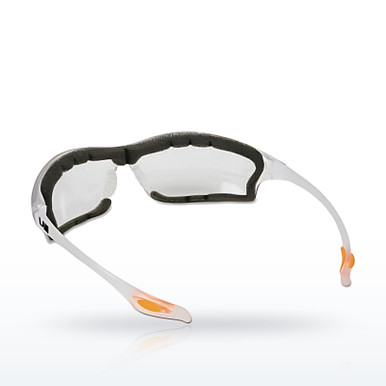 MCR Safety Law LW310AF safety glassesMarked Z87+, built-in side protection, anti-fog
Why does the rule name hazards instead of jobs? OSHA does not keep a list of trades that must wear safety glasses. It names the hazards, and makes the employer look at each job and decide which are present. That is the hazard assessment in 1910.132(d), and it is the step inspectors ask for first. If grinding, nailing, cutting, pouring, spraying or welding happens, the hazard is there and the glasses are required. The practical result on most jobsites is that safety glasses are worn everywhere past the gate, because the assessment cannot predict where a chip will fly.
What does 1910.133 require, paragraph by paragraph?
The general industry rule. The construction rule, 1926.102, mirrors it paragraph for paragraph.
Are regular glasses OSHA-approved eye protection?
No. OSHA requires protectors that comply with ANSI Z87.1 and are marked by the manufacturer. Ordinary prescription or reading glasses are made to dress-eyewear rules, are not tested to Z87.1 and carry no Z87 mark. They also have no side protection, which 1910.133(a)(2) requires wherever objects can fly. A lens that happens to be polycarbonate does not change that; without the Z87 mark there is no evidence it passed the impact test, and the frame has not been tested at all.
29 CFR 1910.133(a)(2), (a)(4) and (b)(1); 1910 Subpart I Appendix B, Section 8, Note 5 (prescription wearers) and Note 10 (non-sideshield spectacles for frontal protection only).The rule gives a prescription wearer two ways to comply: prescription safety glasses, which are made by an optical lab to Z87.1 and marked Z87-2 (or Z87-2+), or over-the-glass (OTG) safety glasses or goggles that fit over the everyday pair without displacing it. Either is the employer’s to provide. On cost, the general rule is PPE at no charge to the employee, with one exception that matters here: the employer does not have to pay for non-specialty prescription safety eyewear if it lets the employee wear it off the job. OTG eyewear and goggles have no such exception.
29 CFR 1910.133(a)(3); 1910.132(h)(1) (PPE at no cost) and (h)(2) (exception for non-specialty prescription safety eyewear the employee may wear off the jobsite); ANSI/ISEA Z87.1-2020 Section 5.3.2 (Z87-2 designation).Do safety glasses need side shields?
Whenever flying objects are the hazard, yes. The rule says the protection must provide side protection, and OSHA’s selection chart says spectacles without side shields are for frontal protection only and are not acceptable for the impact operations it lists: chipping, grinding, machining, masonry, riveting, sanding, sawing, drilling and woodworking. Nearly all modern safety glasses are made with the side protection built into the wraparound lens or the temple. Older-style flat frames take clip-on or slide-on side shields, which the rule accepts as long as the shields themselves meet the standard.
29 CFR 1910.133(a)(2); 1910 Subpart I Appendix B, Section 8 (impact row) and Note 10.Side protection is not a separate mark. Z87.1 tests the complete protector on a headform, and its coverage requirement is a minimum area in front of each eye; the high-velocity test fires at the lens and at the sides. A Z87+ spectacle has passed those as a whole, including whatever side protection it has. A frame that has lost its slide-on shields has not.
ANSI/ISEA Z87.1-2020 Section 5.2.4 (minimum coverage) and 7.1.4 (impact-rated requirements tested on the complete device).What else does OSHA require around the glasses?
- A written hazard assessment that says which hazards are present and which protectors were chosen, certified by the person who did it (1910.132(d)).
- PPE at no cost to the employee; the exceptions are listed in the payment rule, and non-specialty prescription safety eyewear the employee may wear off the job is one of them (1910.132(h)(1) and (h)(2)).
- Training: when the eyewear is needed, which kind, how to put it on and adjust it, its limits, and its care, and a demonstration that the employee understood it (1910.132(f)).
- Protectors that are clean and in good condition. The guidance makes a point of fogged and dirty lenses: they impair vision and get cleaned, and a scratched or pitted lens is replaced (1910.132(a); Appendix B Section 12).
- For welding and cutting, the right shade, under both 1910.133(a)(5) and the welding rule 1910.252(b)(2).
Safety glasses by ANSI mark
32 items · prices liveThe mark shown is the one the manufacturer publishes for each item: Z87.1+ for impact rated, Z87.1 for basic impact. All glasses listed are made with side protection; prescription-insert and over-the-glass styles are in their own groups. Contractor Direct orders ship free.
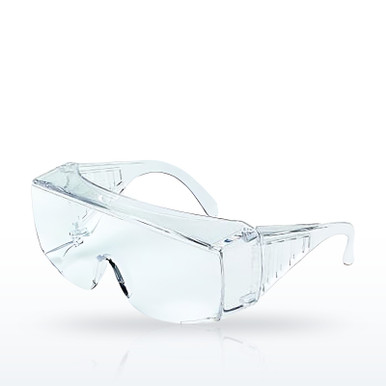
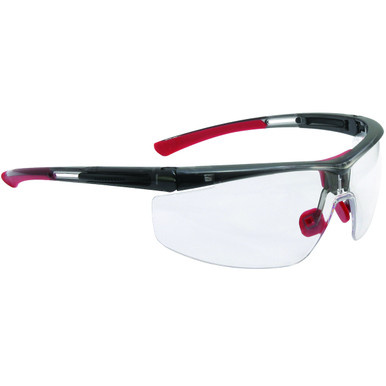
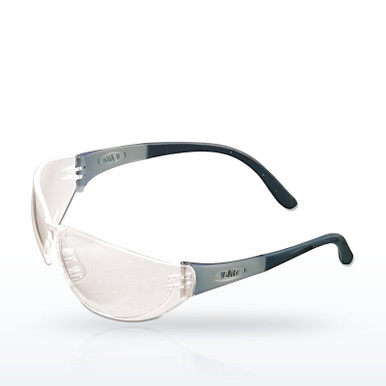
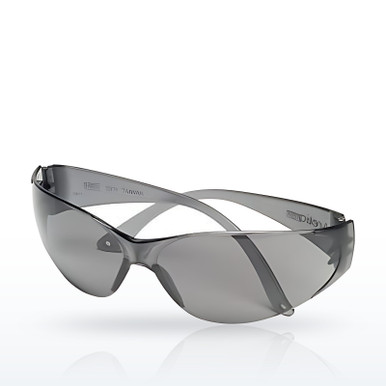
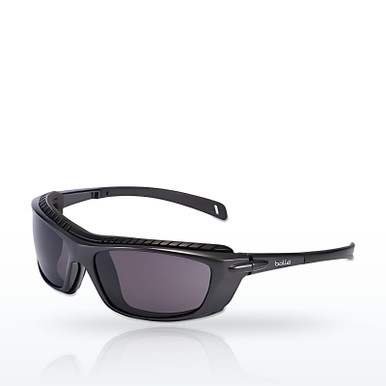
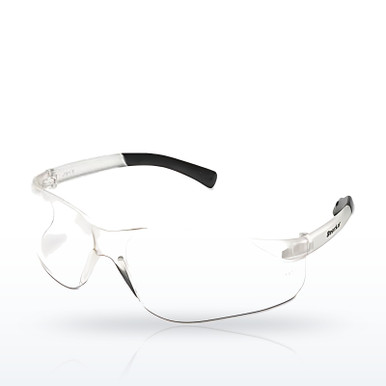
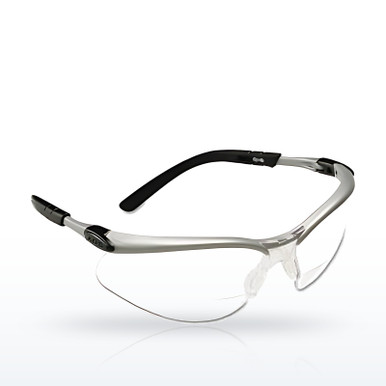
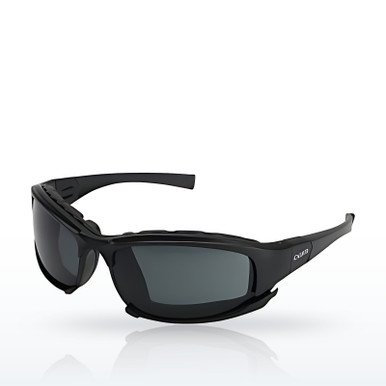
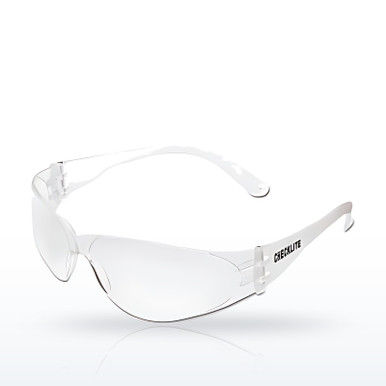
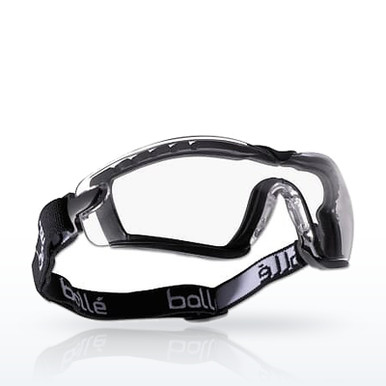
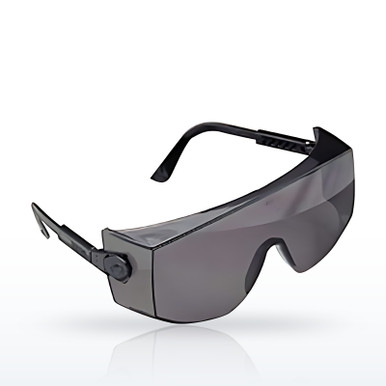
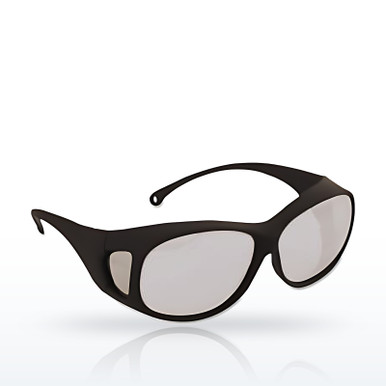
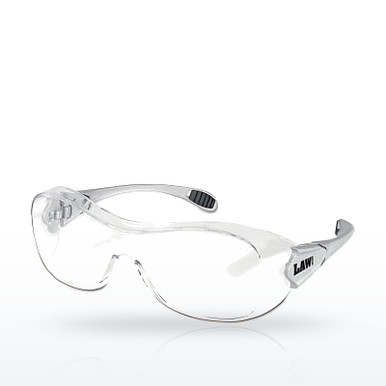
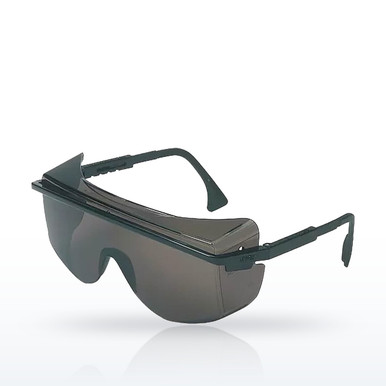
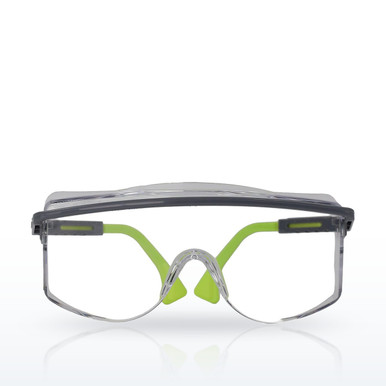
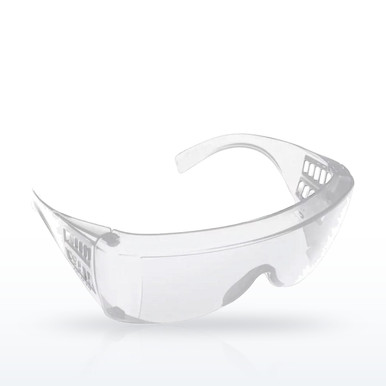
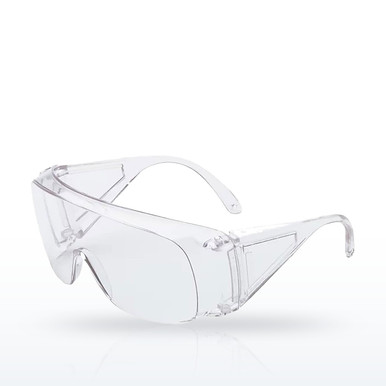
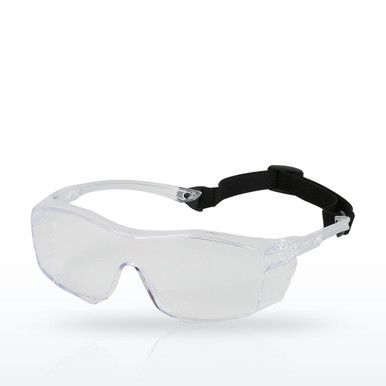
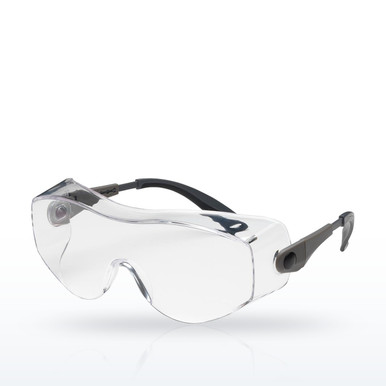
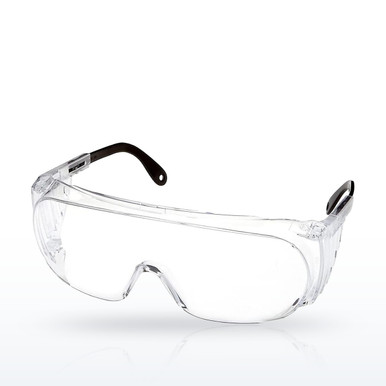
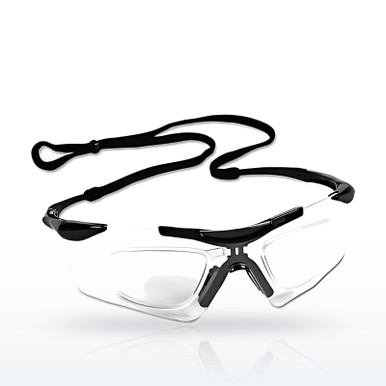
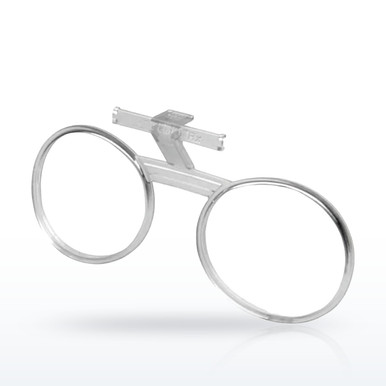
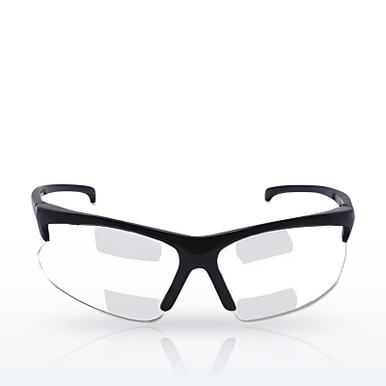
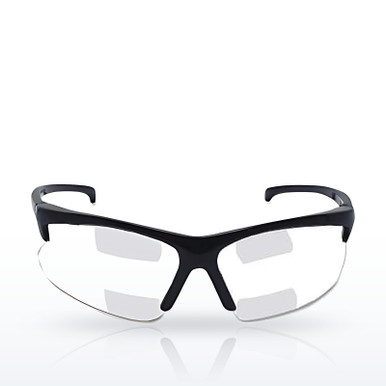
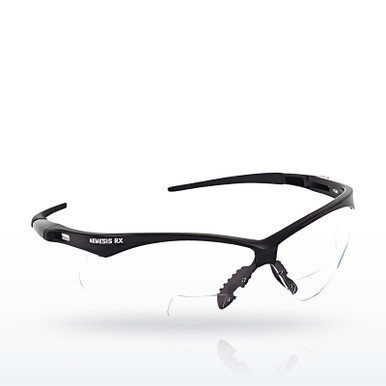
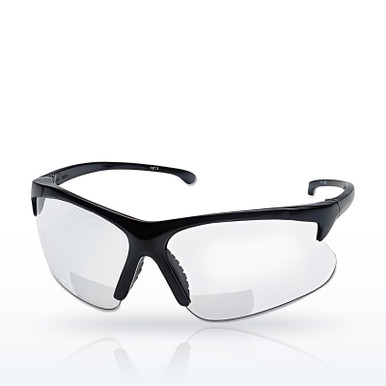

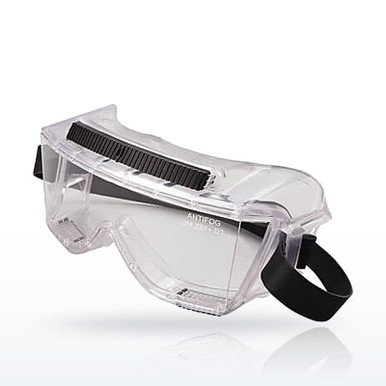
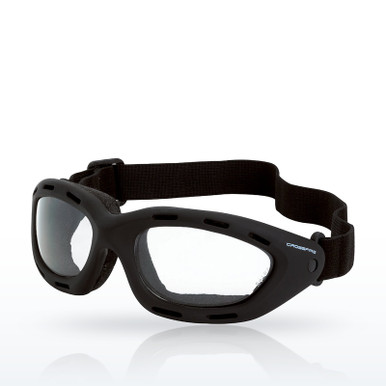
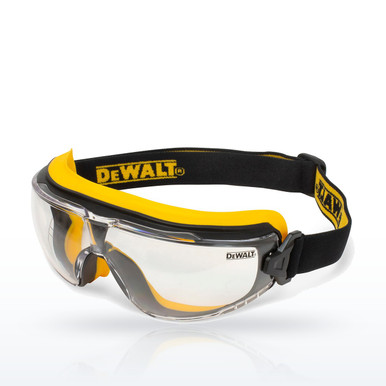
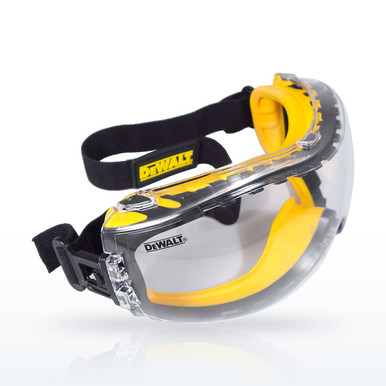
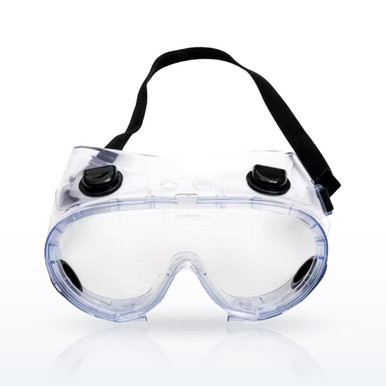
The eye protection finder sorts the whole catalog by mark, tint and coating.
Questions people ask
What are OSHA’s requirements for safety glasses?
Appropriate eye protection whenever employees face flying particles, molten metal, chemicals, gases or vapors, or harmful light; side protection for flying objects; prescription accommodated; manufacturer marked; compliant with ANSI Z87.1. (1910.133(a) and (b).)
Are regular glasses OSHA-approved eye protection?
No. They are not tested or marked to ANSI Z87.1 and have no side protection. A prescription wearer needs Z87-marked prescription safety glasses or OTG safety eyewear over the regular pair. (1910.133(a)(3) and (b)(1).)
Do safety glasses need side shields?
Yes, wherever flying objects are the hazard. Built-in or clip-on side shields that meet the standard both comply. (1910.133(a)(2).)
Does OSHA require Z87+ or just Z87?
OSHA requires compliance with Z87.1 and an appropriate protector for the hazard; it does not name Z87+. The hazard assessment for impact work points to the impact-rated (Z87+) protector.
Does the employer have to pay for safety glasses?
Yes for required PPE in general. The one eyewear exception: the employer need not pay for non-specialty prescription safety eyewear if the employee may wear it off the job. Ordinary sunglasses are not PPE and are not covered. (1910.132(h)(1), (h)(2) and (h)(4)(iii).)
Are safety glasses required on a construction site?
The construction rule, 1926.102, has the same triggers, side protection, prescription and marking requirements as 1910.133. The hazard assessment decides where; most sites require them past the gate.
Are tinted safety glasses OK indoors?
The rule does not prohibit tint, but OSHA’s guidance says protectors must not restrict vision for the task, and a dark lens indoors can. A tinted lens is not a welding filter unless it carries a W or L number. (Appendix B, Notes 1 and 12.)
How often should safety glasses be replaced?
The rule requires them to be in a sanitary and reliable condition; a scratched, pitted or cracked lens no longer meets that and is replaced. There is no fixed interval. (1910.132(a); Appendix B Section 12.)
Standards and ratings on this page are as published in the documents named and by the manufacturers named. The employer’s hazard assessment and written program decide what applies at a given workplace. Verify a rating on the product and its spec sheet before use.