
Eyewash station: what it is, when OSHA requires one, and plumbed vs portable vs bottle
An eyewash station is a fixture that floods both eyes with clean water or saline for 15 minutes after a chemical splash, so the chemical is diluted and flushed out before it burns the cornea. OSHA requires one wherever a worker’s eyes could be exposed to a corrosive, and ANSI Z358.1 sets what it has to do: 0.4 gallons a minute to both eyes for 15 minutes, water between 60 and 100°F, within 10 seconds’ walk on the same level, hands-free once it is on. A squeeze bottle is not an eyewash station; it is for the walk to one.
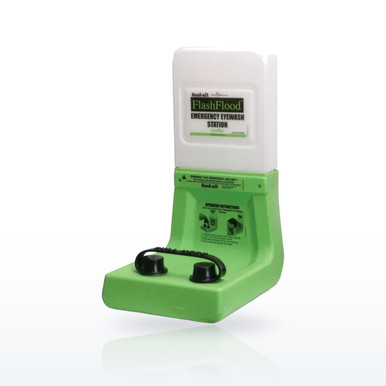
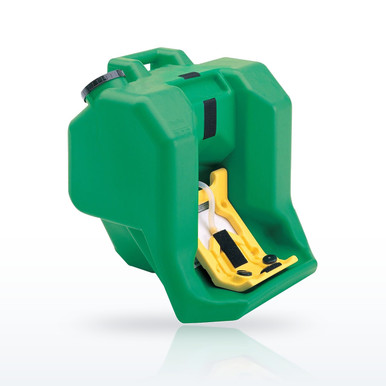
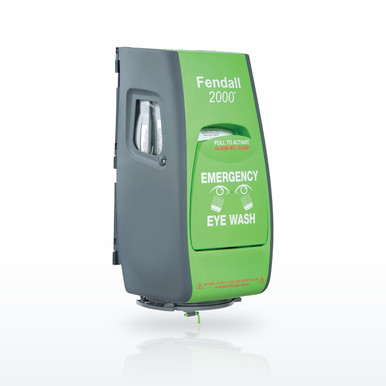 Honeywell Fendall 2000 portable eyewash stationGravity-fed, 15-minute flush, wall or cart mount, no plumbing
Why does the first 15 seconds matter? A strong acid or base keeps burning as long as it is on the eye, and the cornea is thin. Flushing within seconds, and keeping it up for 15 minutes, is the difference between a sore eye and permanent damage. That is why the standard measures the distance to the station in seconds, not feet, and why a bottle you have to hold open with one hand does not count.
When does OSHA require an eyewash station?
The OSHA rule is one sentence; ANSI Z358.1 fills in what “suitable” means and is what OSHA inspectors use.
What ANSI Z358.1 requires of an eyewash station
| Requirement | Eyewash | Combination eye/face wash | Drench shower |
|---|---|---|---|
| Flow rate | 0.4 gallons per minute (1.5 L/min) to both eyes at once | 3.0 gpm (11.4 L/min) | 20 gpm (75.7 L/min) |
| Duration | 15 minutes continuous | 15 minutes | 15 minutes |
| Water temperature | Tepid: 60 to 100°F (16 to 38°C) | Tepid | Tepid |
| Location | Within 10 seconds, same level, unobstructed path, well lit, signed | Same | Same |
| Operation | One motion to turn on, stays on hands-free; covers that lift off as it starts | Same | Same |
| Nozzle height | 33 to 53 inches from the floor, 6 inches from obstructions | Same | Shower head 82 to 96 inches |
The 10-second rule is a travel time, not a distance; Z358.1 notes that for most people this is about 55 feet, and that where a strong acid or caustic is used the station should be immediately adjacent. Tepid means the water must not be so cold that a person stops flushing early or so hot that it adds injury; plumbed stations in unheated areas usually need a tempering valve. A personal wash unit (bottle) supports the walk to the station and is explicitly not a substitute for one.
ANSI/ISEA Z358.1-2014 sections 4 (showers), 5 (eyewash), 6 (eye/face wash), 8 (personal wash units); Appendix B (10 seconds, about 55 feet).
Plumbed vs portable vs bottle: which one is right?
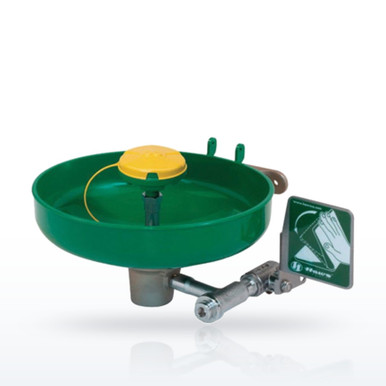
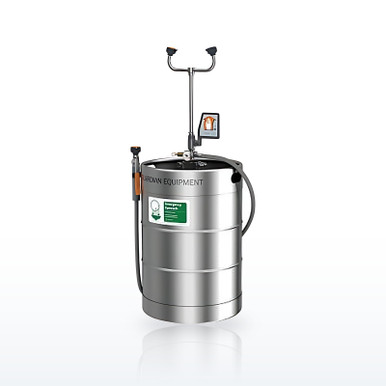
A plumbed station is connected to the building’s potable water and can run forever. It is the right choice where water is available and the hazard is permanent: a battery room, a lab, a plant floor. It needs a tempering valve where the water runs cold, and a weekly activation to clear the line and prove it works.
ANSI/ISEA Z358.1-2014 section 5 (plumbed eyewash performance and weekly activation).A portable, self-contained station is a tank of water or saline, usually 9 to 16 gallons, mounted on a wall or a cart, gravity-fed through two nozzles. It gives the full 15 minutes at 0.4 gpm without plumbing, so it works on jobsites, in remote buildings and anywhere water is not run. The water is treated with a preservative and changed on the maker’s schedule, commonly every few months, and the unit is inspected weekly.
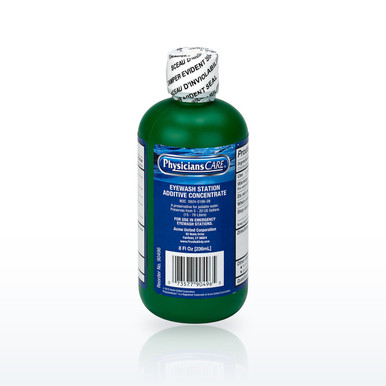
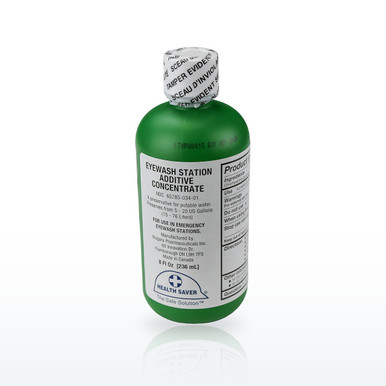
ANSI/ISEA Z358.1-2014 section 5.4 (self-contained eyewash) and 5.5.5 (maintenance per manufacturer); manufacturer instructions.Sealed-cartridge stations are a type of portable station that use factory-sealed bags of sterile saline with a shelf life of about two years, so there is no water to change and no bacteria risk. They cost more per fill but need no weekly flushing. A bottle of sterile saline (4 to 32 ounces) is a personal wash unit: it lets a worker start flushing on the way to the station and is useful in a truck or a first aid kit, but it holds a minute or two of flow, needs a hand to hold it, and does not meet the standard by itself.
ANSI/ISEA Z358.1-2014 section 8 (personal wash units); manufacturer data.How often must an eyewash station be checked?
- Plumbed stations: activated weekly to flush the line and confirm flow; the water should run clear.
- Self-contained stations: inspected weekly for fluid level, contamination and expiration; fluid changed per the manufacturer.
- All stations: a full inspection against the standard once a year (flow, duration, temperature, height, path, signage).
- Keep a tag or log on the unit with the dates.
What should be near the station?
A sign that is visible from the work area, good lighting, a clear path with no door that needs a key or a step, and the safety data sheets for the chemicals in use so the responder knows how long to flush and whether to seek medical care. Where the chemical is a strong acid or caustic, the station is immediately adjacent, not 10 seconds away. Training: every employee who might need it knows where it is and how to hold the eyelids open for the full 15 minutes.
ANSI/ISEA Z358.1-2014 section 5.4 (location, signage, lighting); OSHA 1910.151(c); 1910.1200 (SDS availability).Does construction have the same rule?
Yes. 1926.50(g) uses the same words as the general industry rule: where the eyes or body may be exposed to injurious corrosive materials, suitable facilities for quick drenching or flushing must be provided within the work area for immediate emergency use. On a jobsite that usually means a portable gravity-fed station on a stand or a cart near the concrete, masonry or chemical work.
29 CFR 1926.50(g).Eyewash stations and refills
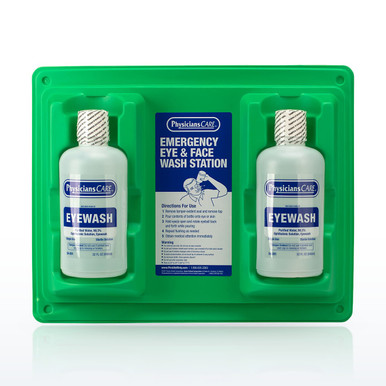
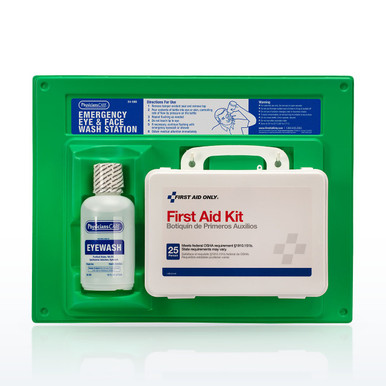
19 items · prices liveStations are listed by type as the manufacturer describes them; the product page states whether the unit meets ANSI Z358.1 as a 15-minute station or is a personal wash unit. Contractor Direct orders ship free.
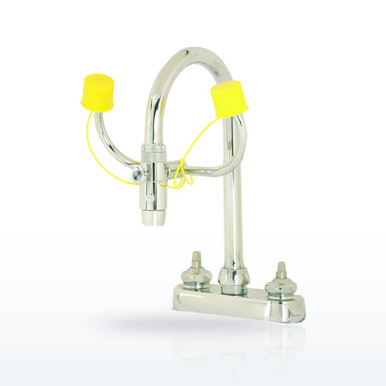
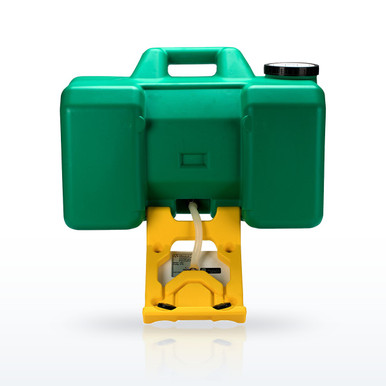
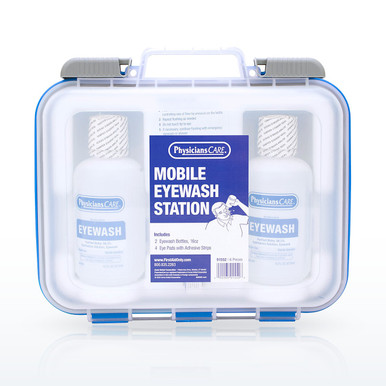
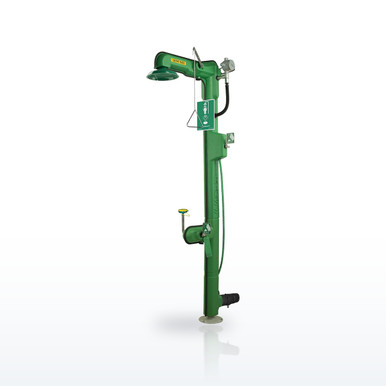
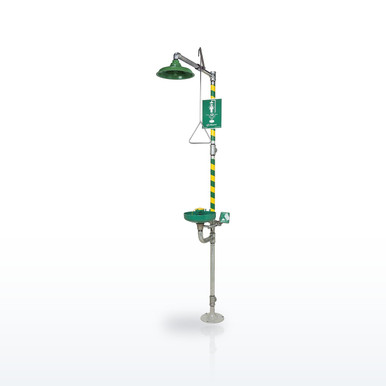

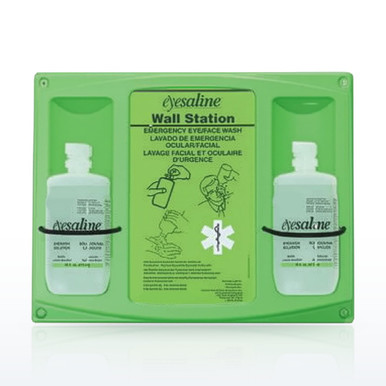
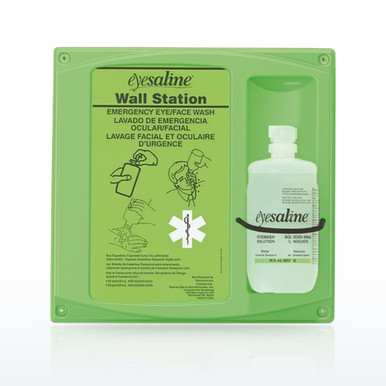
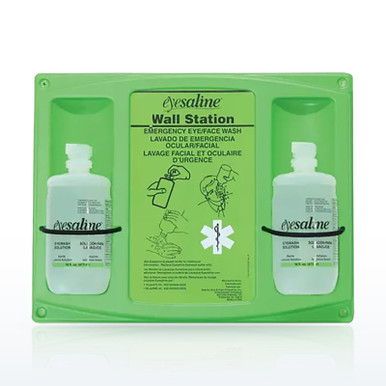
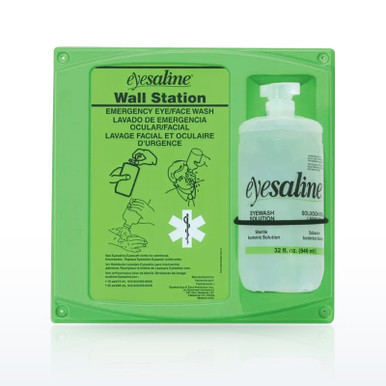
Plumbed and combination eye/face/shower units and tempering valves are quoted on request.
Questions people ask
Does OSHA require an eyewash station?
Yes, wherever eyes may be exposed to injurious corrosive materials: suitable flushing facilities within the work area for immediate use. (1910.151(c); 1926.50(g).)
How far can an eyewash station be from the hazard?
Within 10 seconds’ travel on the same level with nothing in the way, about 55 feet for most people; immediately adjacent for strong acids and caustics. (ANSI Z358.1-2014 section 5.4.)
How long do you flush your eyes?
15 minutes continuous, holding the eyelids open, then medical attention. The SDS may say longer for some chemicals.
Are eyewash bottles OSHA compliant?
Not on their own. A bottle is a personal wash unit that supports the walk to a station; it does not provide 15 minutes at 0.4 gpm hands-free. (Z358.1 section 8.)
How often should eyewash stations be tested?
Weekly activation for plumbed units; weekly inspection for self-contained units with fluid changed on the manufacturer’s schedule; a full annual inspection for all. (Z358.1 sections 5.5 and 7.5.)
What temperature should eyewash water be?
Tepid: 60 to 100°F. Cold water makes people stop early; hot water adds injury. Plumbed units in cold rooms need a tempering valve. (Z358.1 section 5.4 and Appendix B.)
What is the difference between eyewash and eye/face wash?
Flow: an eyewash delivers 0.4 gpm to the eyes; an eye/face wash delivers 3.0 gpm to the whole face. A drench shower is 20 gpm for the body. (Z358.1 sections 5, 6 and 4.)
Standards and ratings on this page are as published in the documents named and by the manufacturers named. The employer’s hazard assessment and written program decide what applies at a given workplace. Verify a rating on the product and its spec sheet before use.