
Prescription safety glasses: what Z87.1 requires and how to order them
Prescription safety glasses are a Z87.1 frame fitted with prescription lenses by a lab that makes them to the standard, and the finished pair is marked Z87-2 (or Z87-2+ for impact rated). The lenses are thicker than dress lenses, at least 2.0 mm for impact rated and 3.0 mm for basic, and the lens-retention system has to pass the same impact tests as plain safety glasses. OSHA requires a prescription wearer in an eye-hazard job to have one of two things: safety eyewear with the prescription built in, or safety eyewear that fits over the regular glasses. To order the first kind you need a current prescription and a Z87 frame; the lab does the rest. The second kind, OTG glasses and goggles, and Rx-insert frames, ship from stock.
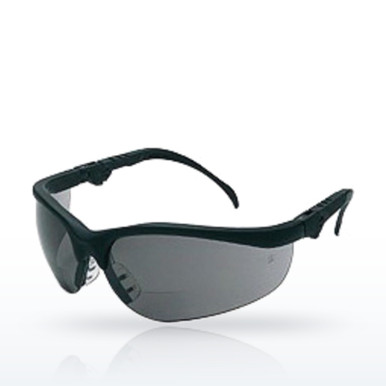
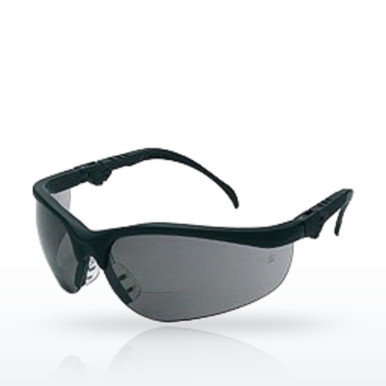
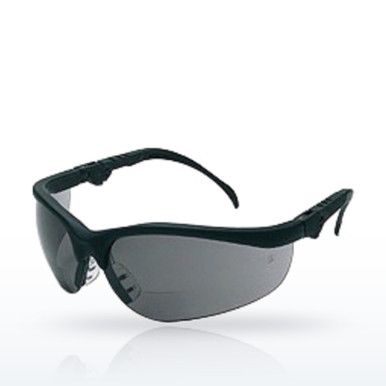
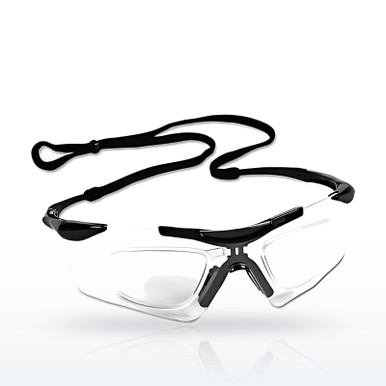 KleenGuard V60 Safeview with Rx insertZ87+ frame; the insert takes your prescription
Why can’t a lab just put safety lenses in my regular frames? Because the standard tests the frame and lens together. The high-velocity test fires a steel ball at the lens, and the lens must stay in the frame; the high-mass test drops a pointed weight on it. A dress frame has not been tested for either, its eyewire may not hold a thick lens under impact, and it has no side protection. Z87.1 also requires the lab to qualify each lens-retention system by testing ten devices. That is why prescription safety glasses start with a Z87 frame, and why the finished pair carries its own mark, Z87-2.
What does Z87.1 require of prescription safety glasses?
The parts of the standard that apply to Rx protectors specifically.
What does OSHA require of prescription wearers?
One paragraph covers it. Each affected employee who wears prescription lenses while engaged in operations that involve eye hazards shall wear eye protection that incorporates the prescription in its design, or shall wear eye protection that can be worn over the prescription lenses without disturbing the proper position of the prescription lenses or the protective lenses. Regular glasses on their own do not satisfy either half. The construction rule says the same.
29 CFR 1910.133(a)(3); 1926.102(a)(3); 1910 Subpart I Appendix B, Section 8, Note 5.Who pays. Required PPE is provided at no cost to the employee, with listed exceptions. One of them is non-specialty prescription safety eyewear: the employer does not have to pay for it if it allows the employee to wear the glasses off the job. Many employers pay anyway through a safety eyewear program with a lab or a voucher. OTG glasses and goggles are ordinary PPE with no exception.
29 CFR 1910.132(h)(1) and (h)(2).How do you order prescription safety glasses?
- Get a current prescription. Most labs want one written within the last year or two, with the pupillary distance (PD). An eye exam is not PPE and is the employee’s own, though many employers cover it.
- Pick a Z87 prescription frame. The frame must be a safety frame, marked Z87 (or Z87+) by its maker and listed as Rx-able, with side protection built in or shields that attach. Frame size matters: the A dimension and bridge width on the frame have to suit the face, and a frame that is too wide will not hold a strong prescription well.
- Choose the lens. Polycarbonate is the usual impact-rated (Z87-2+) lens material; the lab cuts to the Table 4 thickness. Options are the same as dress eyewear: single vision, bifocal, progressive, tint, photochromic, anti-fog and anti-scratch coatings.
- Have a lab that makes Z87-2 eyewear fill it. The lab fits the lenses, verifies the finished pair against the standard and marks it Z87-2 (or Z87-2+). Ask for the mark; it is the proof the pair is safety eyewear.
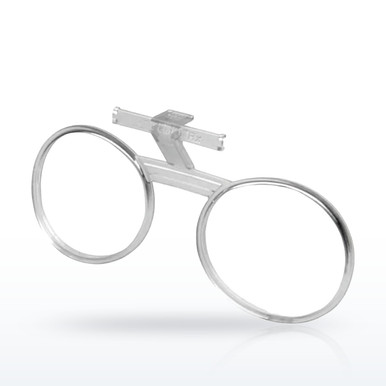
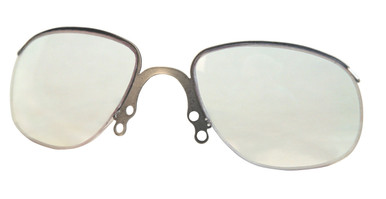
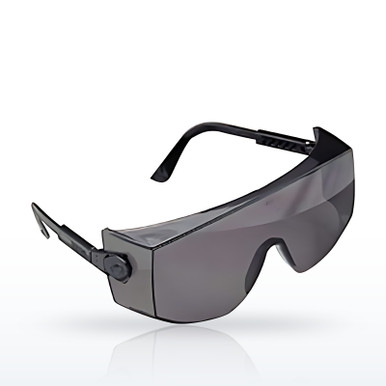
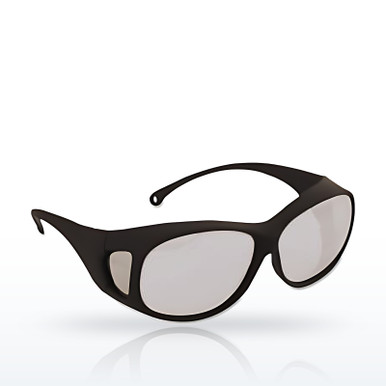
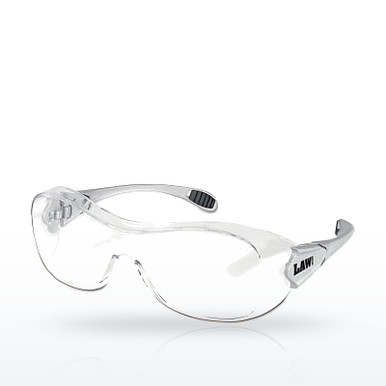
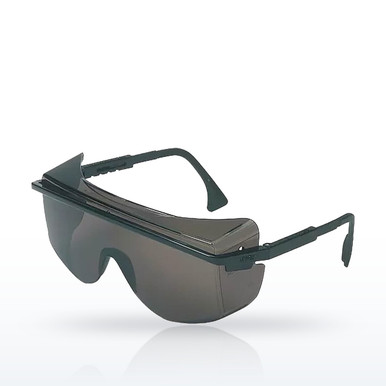
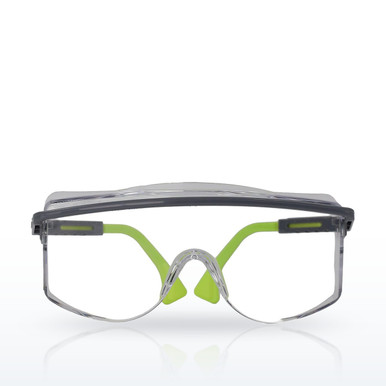
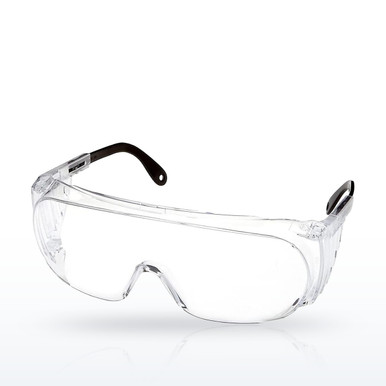
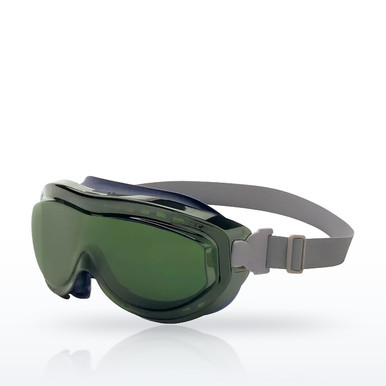
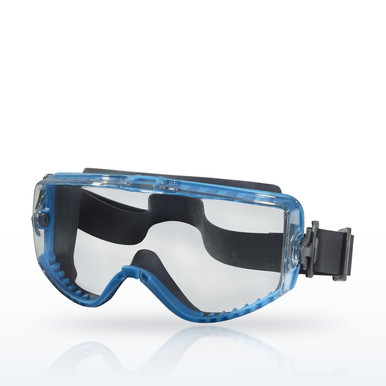
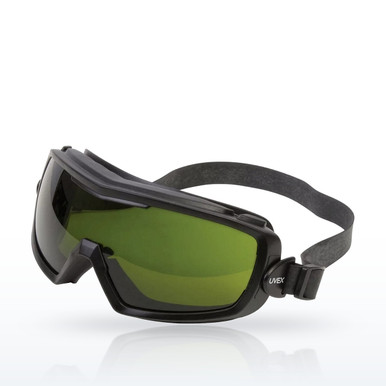
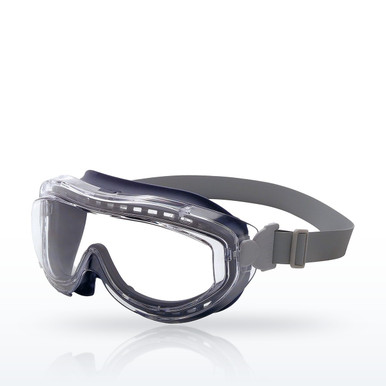
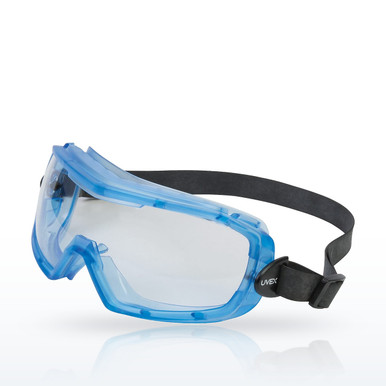
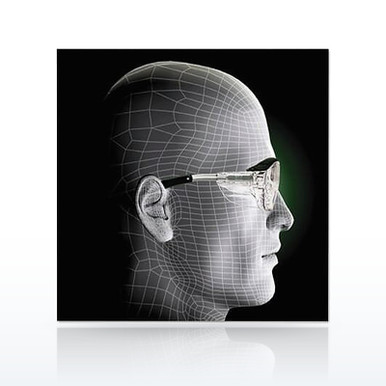
- Or skip the lab: Rx inserts and OTG eyewear. An Rx-insert frame is a Z87+ safety frame with a small carrier behind the lens that any optician can fill with your prescription; the safety lens in front does the protecting. OTG safety glasses and goggles go over your everyday glasses and ship from stock in the band below.
- Check the fit and the mark on day one. Side protection in place, frame not riding low, lens edges not touching the brow, and the Z87-2 mark on the temple or front.
Readers and bifocal safety glasses: are they prescription?
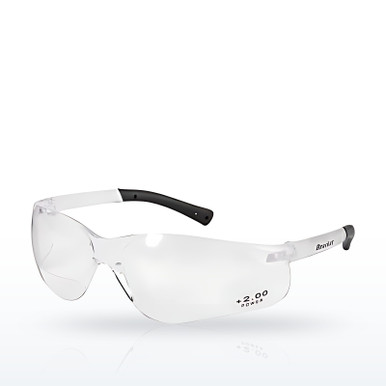
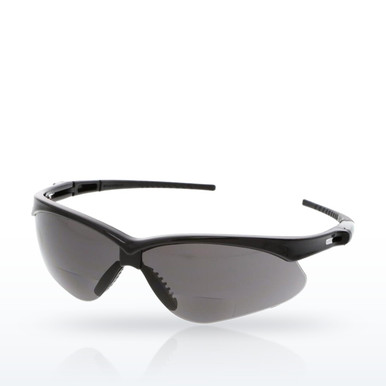
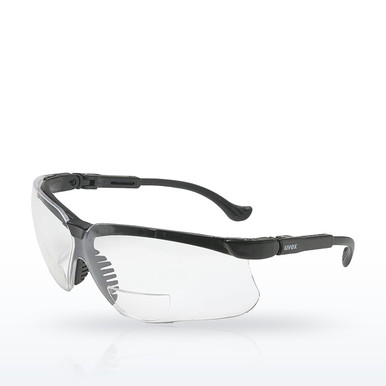
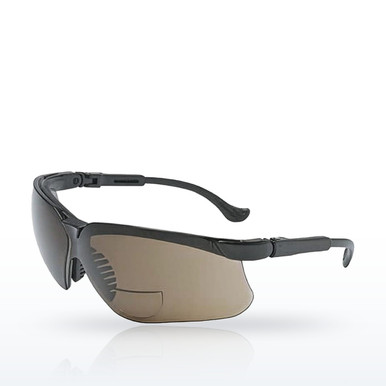
No, and the standard treats them separately. Reader and magnifier safety glasses have a fixed magnification molded into the lens (the power is listed on each product page) and are marked Z87 or Z87+ like plano glasses, not Z87-2. They suit someone who needs help reading a tape or a label but has no distance prescription. They are not a substitute for a real prescription, and someone who needs distance correction to see a tool safely needs the Rx route above or OTG eyewear.
ANSI/ISEA Z87.1-2020 Section 5.3.2 (readers and magnifiers marked Z87; Rx devices marked Z87-2).Prescription-ready and over-the-glass safety eyewear
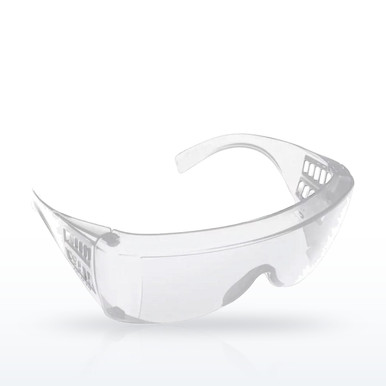
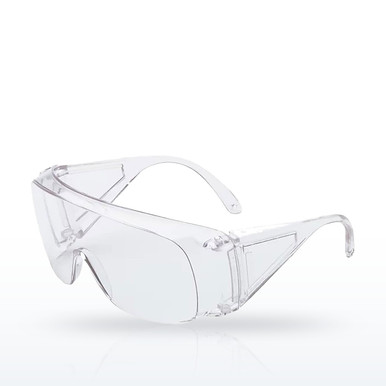
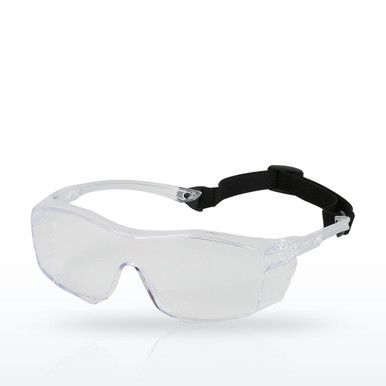
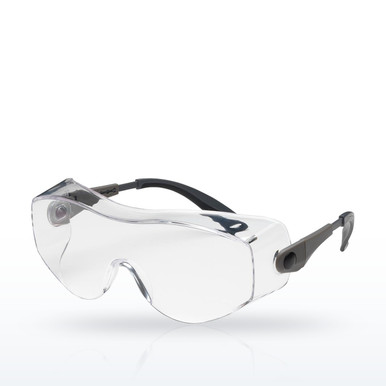
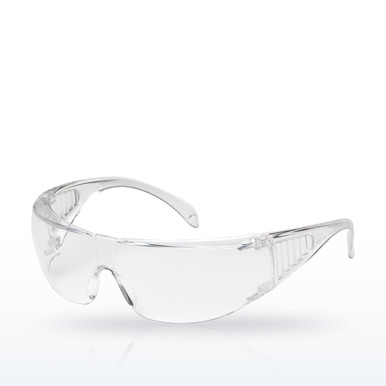
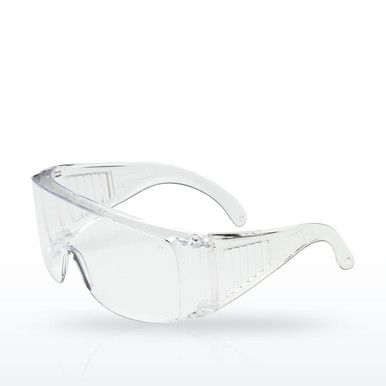
32 items · prices liveThe mark shown is the one the manufacturer publishes for each frame. Rx-insert frames take a prescription carrier that any optician fills; OTG eyewear goes over everyday glasses; reader and bifocal glasses have fixed magnification, listed on the product page. Lab-made Z87-2 lenses come from an optical lab working with the frame maker. Contractor Direct orders ship free.
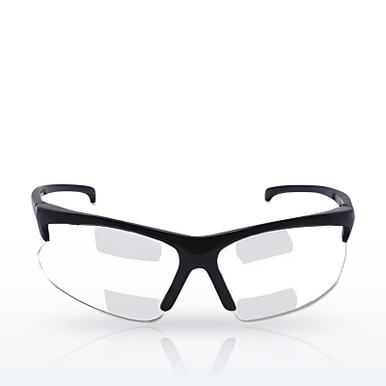
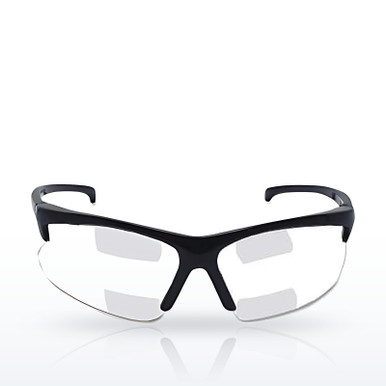
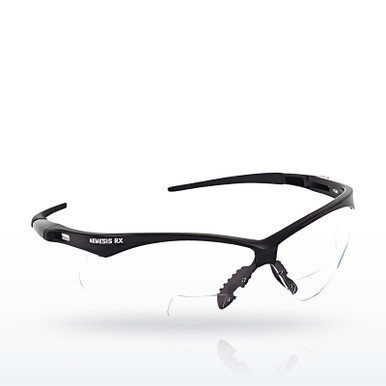
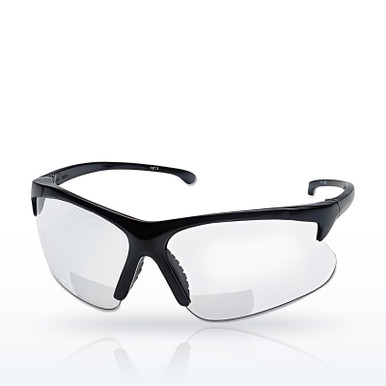
Call (925) 215-7337 if you need a frame listed as Rx-able for your lab; we will confirm the frame and side-shield options.
Questions people ask
What makes prescription glasses safety glasses?
A Z87 safety frame, lenses cut to the Z87.1 thickness, the frame and lens-retention system passing the impact tests together, and the finished pair marked Z87-2 (or Z87-2+). (Z87.1-2020 Section 5.3.2, Table 4, 7.1.4.6.)
What does Z87-2 mean?
The Z87.1 designation for a prescription protector. Z87 is for plano, reader and magnifier glasses; Z87-2 is for Rx. A plus sign means impact rated. (Z87.1-2020 Table 3.)
Does OSHA require prescription safety glasses?
OSHA requires a prescription wearer in eye-hazard work to have either safety eyewear with the prescription built in or safety eyewear worn over the regular glasses. Either satisfies the rule. (1910.133(a)(3).)
Who pays for prescription safety glasses?
The employer provides required PPE at no cost, except that it need not pay for non-specialty prescription safety eyewear it lets the employee wear off the job. OTG eyewear has no exception. (1910.132(h)(1) and (h)(2).)
Can I get my prescription put in any safety frame?
Only in a frame its maker lists as Rx-able, because the lab needs a frame whose lens-retention system was qualified under the standard. The frames in the band say so on the product page.
How thick are prescription safety lenses?
Thicker than 2.0 mm for impact rated, thicker than 3.0 mm for basic impact (2.5 mm for strong plus prescriptions). Dress lenses are often thinner. (Z87.1-2020 Table 4.)
Are bifocal safety glasses prescription glasses?
No. Reader and bifocal safety glasses have a fixed magnification molded in and are marked Z87, not Z87-2. They help with close work for someone with no distance prescription.
What is an Rx insert?
A small prescription carrier that clips behind the lens of a Z87+ safety frame. An optician fills the carrier; the safety lens in front provides the protection. The carrier itself carries only the manufacturer’s mark. (Z87.1-2020 Section 5.3.3.)
Standards and ratings on this page are as published in the documents named and by the manufacturers named. The employer’s hazard assessment and written program decide what applies at a given workplace. Verify a rating on the product and its spec sheet before use.