
Qualitative vs quantitative fit testing: which one does your program need?
A qualitative fit test (QLFT) is pass/fail: the wearer does the exercises inside a hood while a test agent (Bitrex, saccharin, banana oil or irritant smoke) is released, and passes if they cannot taste or smell it. A quantitative fit test (QNFT) uses an instrument to count particles inside and outside the mask and reports a number, the fit factor. OSHA allows QLFT only for respirators that need a fit factor of 100 or less, which means half masks and filtering facepieces like N95s. Full-facepiece respirators used above an APF of 10 need a fit factor of 500, so they must be tested quantitatively. For most programs that run half masks and N95s, a QLFT kit is all the standard requires.
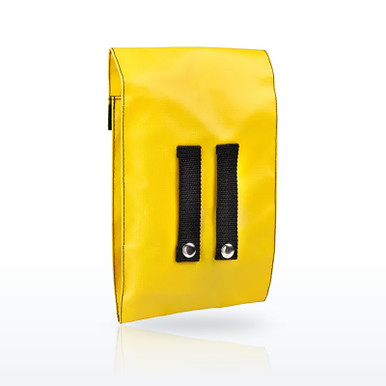
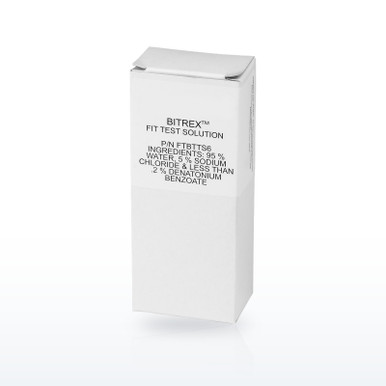
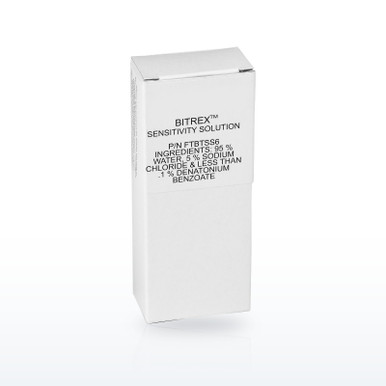
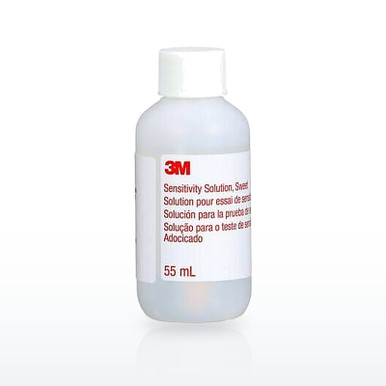
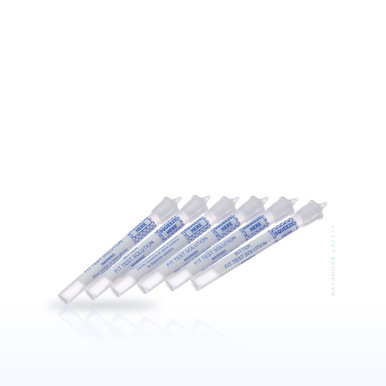
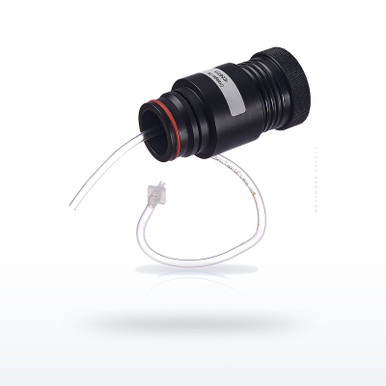
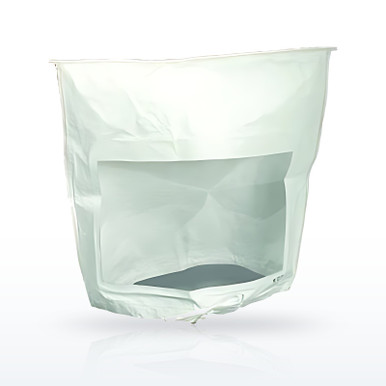
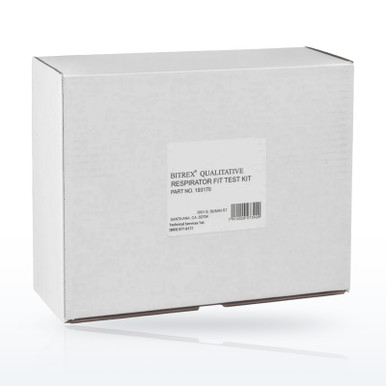 North Bitrex qualitative fit test kitHood, nebulizers, sensitivity and test solutions
Why does OSHA cap qualitative testing at a fit factor of 100? A qualitative test can only tell you the wearer did not detect the agent, and the protocols are set up so that a leak large enough to fail a fit factor of 100 is detectable. It cannot tell you whether the seal is at 100 or at 2,000. A half mask is assigned a protection factor of 10, which needs a fit factor of 100 with a safety margin of 10, so QLFT covers it. A full facepiece used at an APF of 50 needs a fit factor of 500, and only an instrument can show that.
Which test for which respirator?
The rule in 1910.134(f).
What are the OSHA-accepted qualitative protocols?
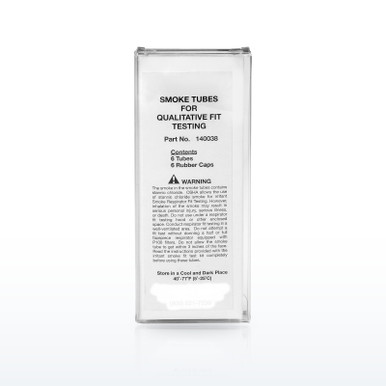
Appendix A lists four. Isoamyl acetate (banana oil), an odor test used with organic vapor cartridges; the wearer must be able to smell it in a screening first. Saccharin, a sweet taste aerosol released into a hood with a nebulizer; particulate filters. Bitrex (denatonium benzoate), the bitter version of the same hood test, the most used today because few people fail to taste it. Irritant smoke (stannic chloride), a tube of smoke passed around the seal; no hood, the wearer reacts to any leak, and it is the one test that cannot be fooled by a wearer who does not report. Each starts with a sensitivity check at a lower concentration, then the exercise set with the test concentration.
29 CFR 1910.134 Appendix A, Part I.B.2 (isoamyl acetate), I.B.3 (saccharin), I.B.4 (Bitrex), I.B.5 (irritant smoke).What are the quantitative protocols?
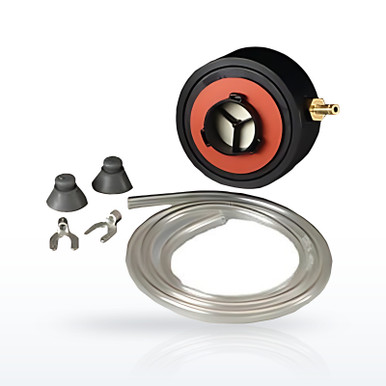
Generated aerosol in a chamber (corn oil, PEG 400, DEHS or salt), the original laboratory method. Ambient aerosol condensation nuclei counter, the PortaCount-type instrument that counts the particles already in the room inside and outside the mask; there are the standard protocol and two shortened protocols, one for elastomeric masks and one for filtering facepieces. Controlled negative pressure, which seals the inlets and measures the leak rate as the instrument draws a vacuum on the mask, with a standard and a REDON version. Each produces an overall fit factor from the exercises; 100 passes a half mask, 500 passes a full facepiece.
29 CFR 1910.134 Appendix A, Part I.C.2 (generated aerosol), I.C.3 (ambient aerosol CNC), I.C.4 and I.C.5 (modified CNC for elastomeric and filtering facepieces), I.C.6 and I.C.7 (CNP and CNP REDON).Qualitative vs quantitative, side by side
| Qualitative (QLFT) | Quantitative (QNFT) | |
|---|---|---|
| Result | Pass or fail | A fit factor number |
| Allowed for | Required fit factor 100 or less: N95s, half masks | Any tight-fitting respirator; required for fit factor 500 |
| Equipment | Hood, two nebulizers, sensitivity and test solution; or smoke tubes and bulb | Particle counter or CNP instrument, probes or adapters, software |
| Who runs it | Anyone trained to the protocol | Anyone trained on the instrument |
| Time per person | About 15 to 20 minutes including the sensitivity check | About 8 to 10 minutes with the modified protocols |
| Cost to start | A kit; solutions are consumable | An instrument; calibration and service yearly |
| Record | Pass/fail, agent, respirator, date | Fit factor, instrument, respirator, date |
Both tests use the same exercise set (normal and deep breathing, head side to side and up and down, talking, bending, normal breathing; the grimace exercise is QNFT only) and both must be repeated at least every 12 months, with any change of respirator or face. Either is acceptable to OSHA within the limits above; neither is “better” for a half mask. A program with full facepieces at APF 50, or a large workforce, is where the instrument pays.
29 CFR 1910.134(f)(2) and (f)(3) (frequency); Appendix A, Part I.A.14 (exercises); time and cost figures from manufacturer kit and instrument documentation (North, 3M, Allegro, Draeger).
What records do you keep?
- Name of the employee tested, type of fit test (QLFT or QNFT), the specific make, model, style and size of respirator, the date, and the result: pass/fail for QLFT, the fit factor and strip chart or instrument record for QNFT.
- Kept until the next fit test is administered.
- A respirator that fails, or that the wearer later reports as an unacceptable fit, is replaced with a different facepiece and the test repeated.
Fit test kits, solutions and respirators
26 items · prices liveAgent, kit contents and respirator sizes are as published by the manufacturer on each product page. Free shipping on orders over $199.
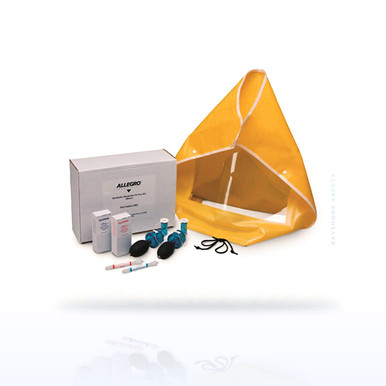
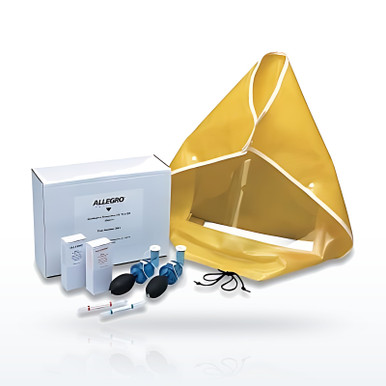
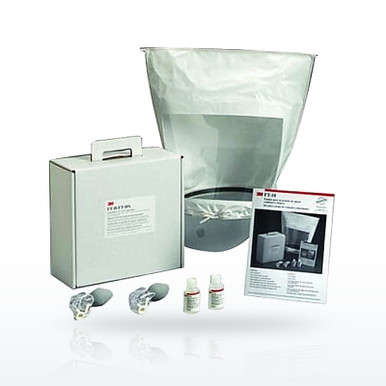
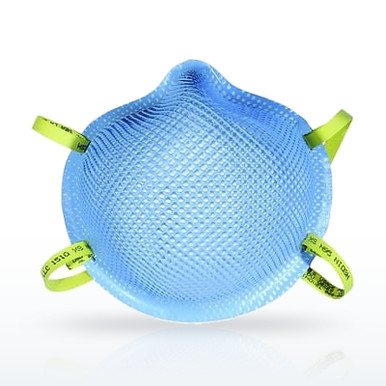
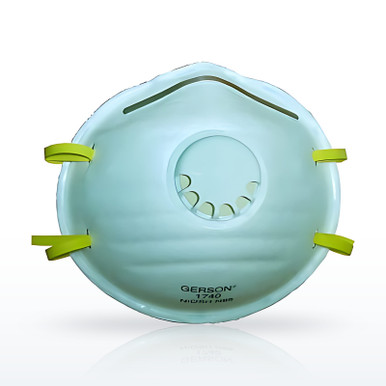
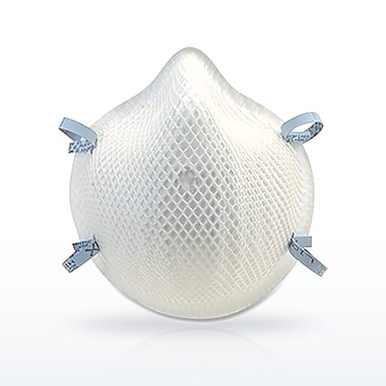
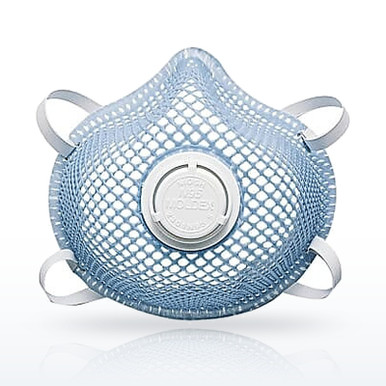
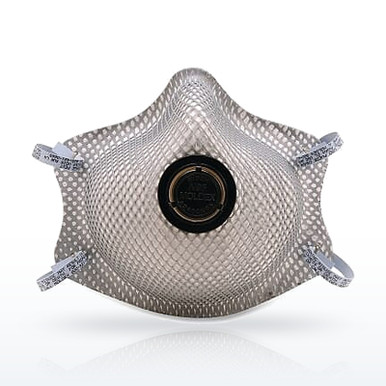
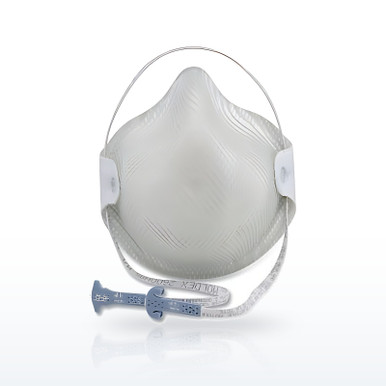
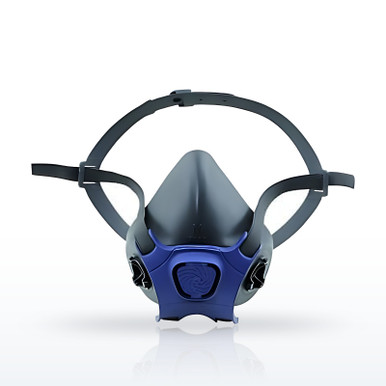


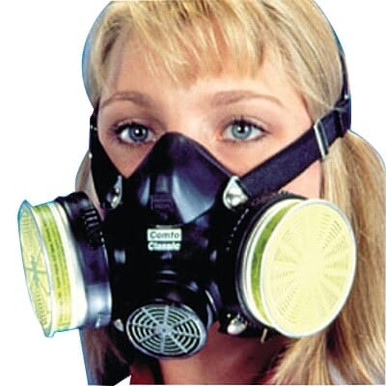
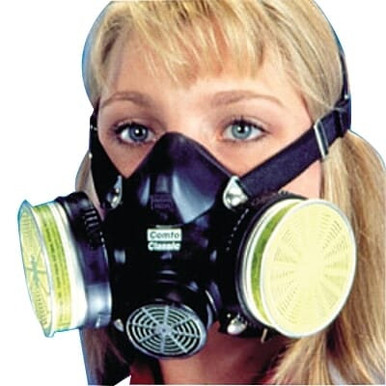
Half masks, full facepieces and cartridges are in the respirator finder.
Questions people ask
What is the difference between qualitative and quantitative fit testing?
Qualitative is pass/fail by taste, smell or irritation; quantitative measures leakage with an instrument and gives a fit factor.
Can you qualitatively fit test an N95?
Yes. An N95 needs a fit factor of 100, within the QLFT limit; Bitrex or saccharin hood tests are standard for it.
Can you qualitatively fit test a full-face respirator?
Only if the employer uses it at a fit factor of 100 (APF 10). At APF 50 it needs a fit factor of 500 and a quantitative test.
What fit factor passes?
100 for half masks and filtering facepieces, 500 for full facepieces, by any QNFT protocol.
Which QLFT agent is best?
The standard accepts all four. Bitrex is the most used because almost everyone can taste it; irritant smoke needs no hood and catches a wearer who will not report.
How long does a qualitative fit test take?
About 15 to 20 minutes per person including the sensitivity screen, per manufacturer kit instructions.
Do I need a PortaCount?
Not for half masks and N95s. You need an instrument when the program requires fit factors above 100, or when volume makes the time saving worth the cost.
How often is fit testing required?
Before first use, at least annually, and whenever the respirator or the wearer’s face changes (1910.134(f)(2) and (f)(3)).
Standards and ratings on this page are as published in the documents named and by the manufacturers named. The employer’s hazard assessment and written program decide what applies at a given workplace. Verify a rating on the product and its spec sheet before use.