
What is an assigned protection factor (APF), how do you read OSHA Table 1, and which respirator do you need for a required APF?
An assigned protection factor is the level of protection OSHA expects a type of respirator to give a properly fitted, trained user in a workplace that runs a full respirator program: an APF of 10 means the air inside the facepiece is expected to carry one-tenth of the contaminant outside it. To pick a respirator, divide the measured exposure by the exposure limit; the result is the APF you need, and OSHA Table 1 tells you which respirators meet it. A half mask or N95 is 10; a full facepiece is 50; a PAPR with a loose hood is 25 and with a tight full facepiece 1,000; pressure-demand supplied air with a full facepiece is 1,000; pressure-demand SCBA is 10,000. The number is only valid with the program behind it: medical evaluation, fit test, training and the right cartridge.
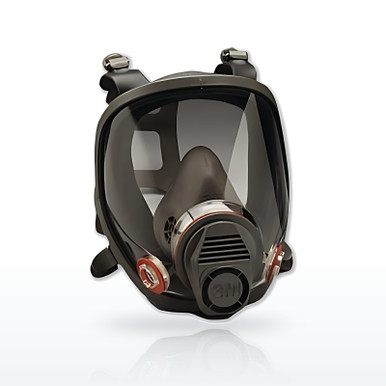
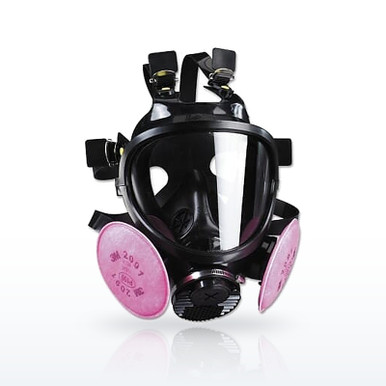 3M Full Facepiece RespiratorFull-facepiece air-purifying respirator, APF 50
Why does the APF matter more than the filter? A P100 filter stops 99.97 percent of particles. On a half mask that filter is assigned a protection factor of 10, not 3,000, because the limit is not the filter, it is the seal: the leak around the edge of a negative-pressure half mask on a real face in a real workday. The same P100 on a full facepiece is 50; on a PAPR with a tight facepiece it is 1,000. The APF is OSHA’s honest number for the whole respirator on a whole workforce, and it is the number the selection has to meet.
How do you figure out the APF you need?
Three numbers and one division.
OSHA Table 1: assigned protection factors
| Type of respirator | Quarter mask | Half mask | Full facepiece | Helmet / hood | Loose-fitting facepiece |
|---|---|---|---|---|---|
| Air-purifying respirator (including filtering facepieces such as N95) | 5 | 10 | 50 | — | — |
| Powered air-purifying respirator (PAPR) | — | 50 | 1,000 | 25 / 1,000* | 25 |
| Supplied-air respirator, demand mode | — | 10 | 50 | — | — |
| Supplied-air respirator, continuous flow | — | 50 | 1,000 | 25 / 1,000* | 25 |
| Supplied-air respirator, pressure-demand or other positive pressure | — | 50 | 1,000 | — | — |
| SCBA, demand mode | — | 10 | 50 | 50 | — |
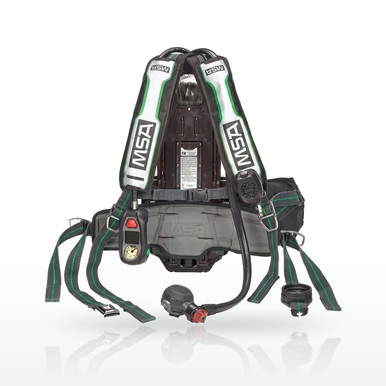
| SCBA, pressure-demand or other positive pressure (including combination SAR with auxiliary SCBA) | — | — | 10,000 | 10,000 | — |
*Helmets and hoods on PAPRs and continuous-flow supplied-air respirators get an APF of 1,000 only where the manufacturer has evidence, from testing, that the particular device performs at that level; otherwise the APF is 25. The table’s footnotes also require that a half mask APF of 10 includes filtering facepieces, that the APFs apply only when the respirator is used within a program meeting 1910.134, and that for escape from an IDLH atmosphere the respirator must still be selected under paragraph (d)(2). Table 1 was added to the standard in 2006; before that, OSHA used the APFs in the NIOSH decision logic and the ANSI Z88.2 standard, which differ in places.
29 CFR 1910.134(d)(3)(i)(A), Table 1 and its notes; 71 FR 50122 (August 24, 2006), final rule adding APFs and MUCs.
Which respirator do you need for a required APF?
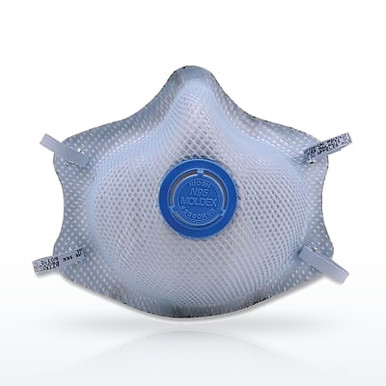
- APF 10: a disposable N95 or P100 filtering facepiece, a half-mask elastomeric respirator with the right filters or cartridges, or a demand-mode supplied-air half mask. The workhorse for dust, welding fume at moderate levels, and most solvent work.
- APF 25: a PAPR or continuous-flow supplied-air respirator with a loose-fitting facepiece or an untested hood or helmet. The answer for bearded workers and for long shifts where a tight mask is not tolerated.
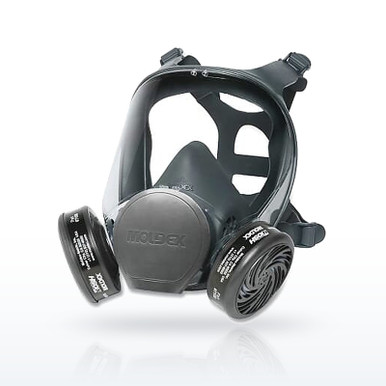
- APF 50: a full-facepiece air-purifying respirator or PAPR half mask, or demand-mode supplied air or SCBA with a full facepiece. Also covers the eyes; required for asbestos, lead and other work at higher concentrations.
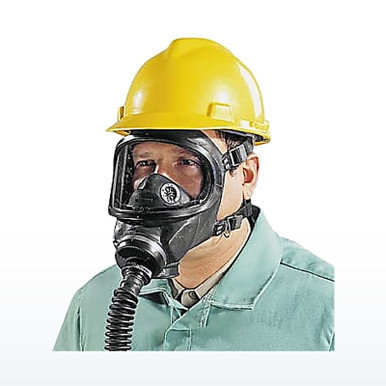
- APF 1,000: a PAPR with a tight-fitting full facepiece or a tested hood, or pressure-demand or continuous-flow supplied air with a full facepiece or tested hood. Abrasive blasting, spray painting in enclosed spaces, high-concentration work.
- APF 10,000: pressure-demand SCBA, or pressure-demand supplied air combined with an auxiliary SCBA. IDLH entry, firefighting, rescue, and anything above the MUC of everything else.
What is the maximum use concentration?
The MUC is the APF multiplied by the exposure limit, and it is the highest concentration at which that respirator may be used. A half mask (APF 10) against a dust with a PEL of 5 mg/m³ has an MUC of 50 mg/m³. Two overrides: the MUC can never exceed the IDLH concentration, because above IDLH only SCBA or supplied air with escape is permitted; and for a gas or vapor the MUC can never exceed the maximum concentration the cartridge or canister is approved or tested for, which the manufacturer publishes. Where the exposure cannot be identified or reasonably estimated, the atmosphere is treated as IDLH and the MUC does not apply.
29 CFR 1910.134(d)(3)(i)(B)(1) through (3); 1910.134(b) (maximum use concentration); 1910.134(d)(1)(iii).Why is the program part of the number?
The APFs come from workplace protection factor studies: real workers, real noise and sweat, measured inside and outside the facepiece. The numbers OSHA adopted are the ones achieved by workers who were fit tested on their respirator, medically cleared, trained, and using it within a program; a half mask on an untested face in a sloppy program measured far lower. That is why Table 1 says the APFs apply only when the respirator is used in a program that meets 1910.134, and why a respirator worn without a fit test gets no credit for its APF at all.
29 CFR 1910.134 Table 1 note 1; 71 FR 50122 (2006) preamble on workplace protection factor studies; 1910.134(c), (e), (f), (k).How does this interact with the substance-specific standards?
Asbestos, lead, silica, cadmium, chromium and a dozen other OSHA standards have their own respirator selection tables, written in terms of the concentration and the respirator type; they were updated in 2006 to match Table 1, and in most of them the required respirator at a given concentration is exactly what Table 1 would give. Where a substance-specific standard is stricter (for example, requiring a full facepiece at a concentration where Table 1 would allow a half mask), the substance-specific standard governs.
29 CFR 1910.1001(g) (asbestos), 1926.62(f) (lead), 1926.1153(e) and Table 1 (silica), 1910.1027(g) (cadmium), 1910.1026(g) (hexavalent chromium); 1910.134(d)(3)(i)(A) note.Respirators by assigned protection factor
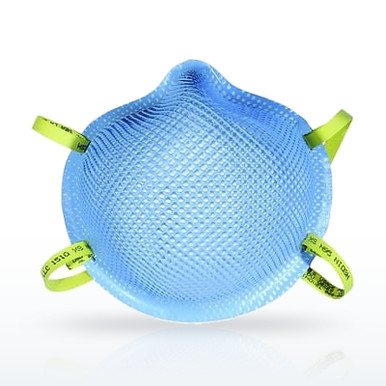
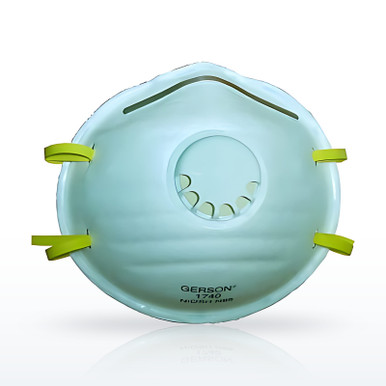
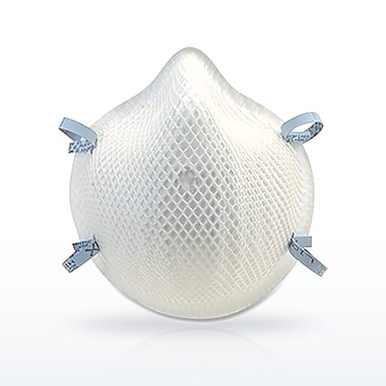
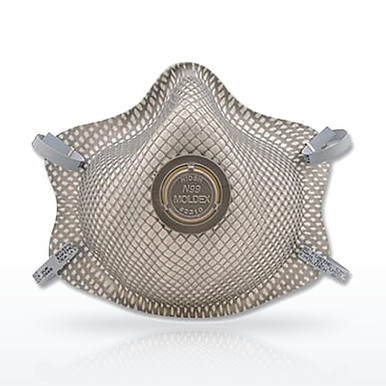
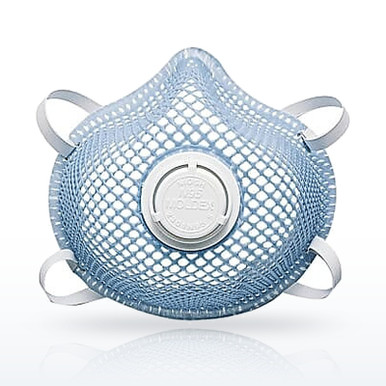
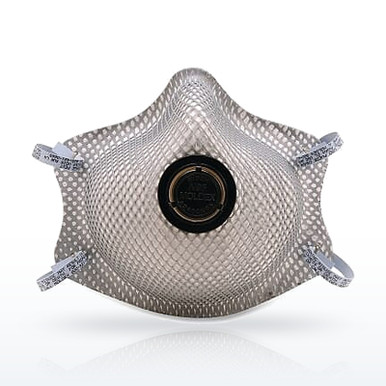
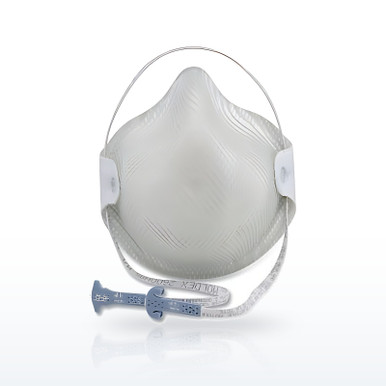
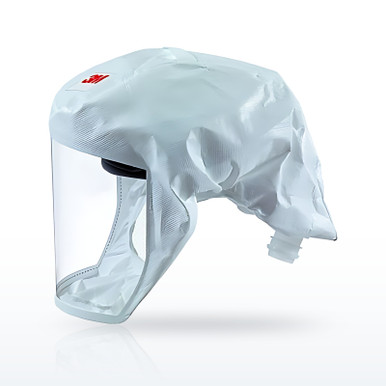
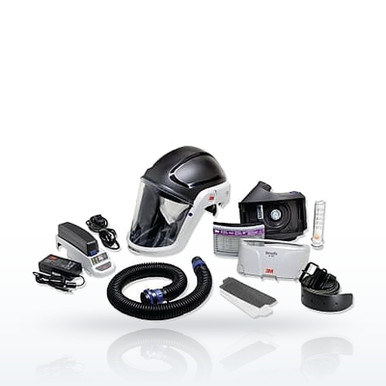
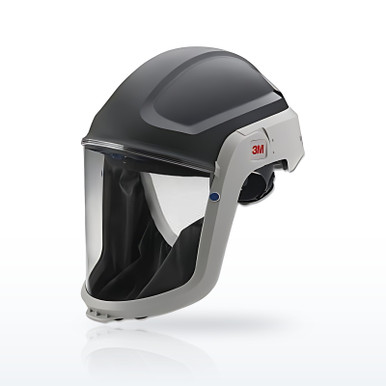
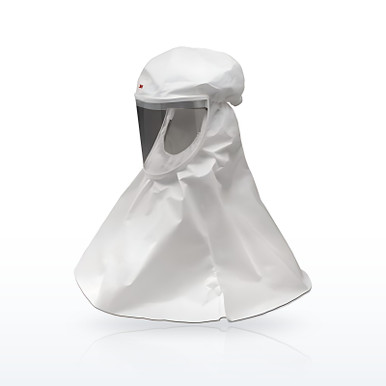
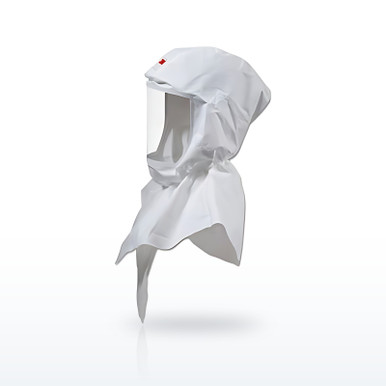
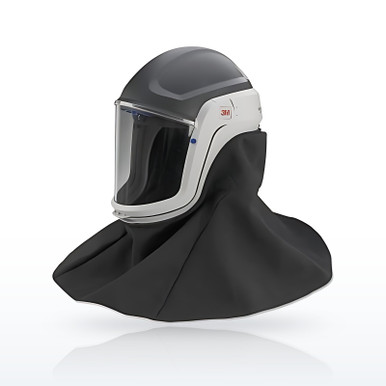
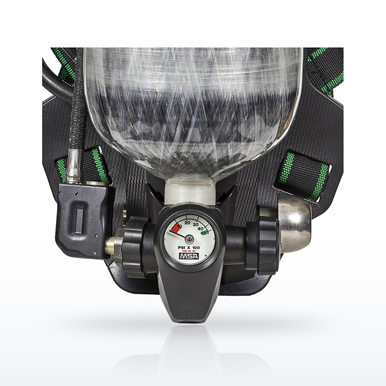
25 items · prices liveEach respirator is listed under the APF OSHA Table 1 assigns to its type and facepiece; the manufacturer’s NIOSH approval and any hood-specific APF are on the product page. Contractor Direct orders ship free.


Cartridges, filters, supplied-air systems and fit-test kits are on the respirator finder.
Questions people ask
What does APF mean on a respirator?
Assigned protection factor: the level of protection OSHA assigns to that type of respirator when used in a full program. APF 10 means one-tenth of the outside concentration is expected inside the facepiece.
What is the APF of an N95?
10, the same as any half mask. (1910.134 Table 1.)
What is the APF of a full-face respirator?
50 for an air-purifying full facepiece; 1,000 for a PAPR or pressure-demand supplied air with a full facepiece; 10,000 for pressure-demand SCBA.
How do you calculate the APF you need?
Divide the measured exposure by the exposure limit. The result is the minimum APF; choose a respirator from Table 1 at or above it, and check that the exposure is below the respirator’s maximum use concentration and below IDLH.
What is the maximum use concentration?
The APF times the exposure limit: the highest concentration the respirator may be used in, never above the IDLH level or the cartridge’s approved limit. (1910.134(d)(3)(i)(B).)
What is the APF of a PAPR?
25 for a loose-fitting facepiece or an untested hood; 50 for a tight half mask; 1,000 for a tight full facepiece or a hood the manufacturer has tested to that level.
Does the APF apply if the worker is not fit tested?
No. Table 1’s APFs apply only within a program that meets 1910.134, including fit testing for tight-fitting respirators. Without it the employer gets no credit for the APF.
Where do the APF numbers come from?
From workplace protection factor studies measuring real contaminant levels inside and outside respirators on working employees; OSHA adopted the table in 2006 after reviewing that evidence.
Standards and ratings on this page are as published in the documents named and by the manufacturers named. The employer’s hazard assessment and written program decide what applies at a given workplace. Verify a rating on the product and its spec sheet before use.