
What does ANSI Z87.1 mean on safety glasses? Z87 vs Z87+, and how to read the markings
Z87 on a pair of safety glasses means the manufacturer has tested them to ANSI/ISEA Z87.1, the US standard for eye and face protection, and marks them as compliant. Plain Z87 is the basic level: the lens survives a 1-inch steel ball dropped from 50 inches. Z87+ is the impact-rated level: the whole protector survives a quarter-inch steel ball fired at 150 feet per second and a pointed 500-gram weight dropped from 50 inches, and the lens stays in the frame. OSHA requires eye protection that meets Z87.1, so look for the mark on the lens or temple. Every other letter on the frame tells you what else the protector was tested for.
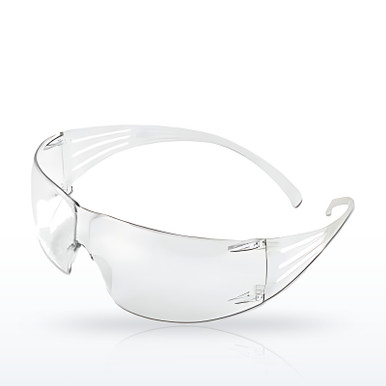 3M SecureFit 200 safety glassesMarked Z87+, anti-fog and scratch-resistant lens
Why is there a mark at all? A lens looks the same whether it will turn a chip of steel or shatter into the eye. The only way a buyer, a safety officer or an OSHA inspector can tell the difference is the permanent mark the standard requires on the protector. OSHA does not test eyewear; it points to the ANSI standard, and the manufacturer certifies and marks the product. If there is no Z87 on it, it is not safety eyewear in OSHA’s eyes no matter how thick the lens looks.
Z87 vs Z87+: what is the difference?
Two levels of impact protection, two sets of tests. The plus sign is the only thing that separates them on the frame.
How do you read the markings on safety glasses?
The marks are on the lens, the frame front or the temple, and they come in a fixed order. First the manufacturer’s mark or logo, which the standard and OSHA both require. Then Z87 (or Z87-2 on a prescription protector). Then a plus sign if the protector is impact rated. After that come the letters for the hazards and features the protector was tested for. A plain pair of clear glasses might read only “ABC Z87+”. A welding goggle might read “ABC Z87+ W5 D3”. The W5 is a shade 5 welding filter and the D3 says it was tested for splash.
ANSI/ISEA Z87.1-2020 Section 5.3.1 and Table 3 (marking requirements); 5.3.2 (the Z87 and Z87-2 designations); 29 CFR 1910.133(a)(4) (marked to identify the manufacturer).The letters that follow are not grades. They are a list of what the protector was tested for, and a protector with no letters after the Z87+ is simply an impact protector with no filter, splash or dust claim. The letters mean the same thing on every brand, which is the point of the standard.
ANSI/ISEA Z87.1-2020 Table 3.The Z87.1-2020 markings, letter by letter
| Mark | What it means | Where the requirement sits |
|---|---|---|
| Z87 | Meets the standard; basic (drop-ball) impact | Section 5.3.2, 5.2.1 |
| Z87+ | Impact rated: high velocity, high mass and penetration tests | Section 7.1 |
| Z87-2, Z87-2+ | Prescription (Rx) protector, basic or impact rated | Section 5.3.2, Table 3 |
| H | Frame sized for a small head, tested on the small headform | Section 5.2.4 |
| D3 | Tested for liquid splash and droplets | Section 7.3 |
| D4 | Tested for dust | Section 7.4 |
| D5 | Tested for fine dust | Section 7.5 |
| W + number | Welding filter, followed by the shade number (W10) | Table 7 |
| U + number | Ultraviolet filter, followed by a scale number (U6) | Table 8 |
| R + number | Infrared filter, followed by a scale number | Table 9 |
| L + number | Visible-light filter (a tinted lens that was tested as a filter) | Table 10 |
| V | Variable tint (photochromic). An auto-darkening welding filter is marked with its dark-state range, such as W9-12 | Table 3 footnote 5 |
| S | Special-purpose lens | Table 11 |
| X | Anti-fog lens: stays clear for at least 8 seconds in the fog test | Section 6.2, 9.20 |
| O | Relaxed optics, an option added in 2020 for jobs such as fire and first response | Section 6.1 |
When a lens carries more than one filter mark they appear in the order U, R, L. A tinted lens without an L, U or W number is a tinted lens, not a filter; OSHA’s selection guide makes the same point. There is no N mark in the 2020 edition; anti-fog is X.
ANSI/ISEA Z87.1-2020 Table 3 and footnotes 4 and 5; 29 CFR 1910 Subpart I Appendix B, Section 8, Note 12 (tinted lenses are not filter lenses unless marked).
Which one does OSHA require, Z87 or Z87+?
OSHA requires that protectors comply with ANSI Z87.1 (it lists the 2010, 2003 and 1989 editions, and accepts anything the employer can show is at least as effective). It does not say Z87+ by name. What it does say is that the employer must assess the hazards and give employees protection that is appropriate for them, and that flying objects require side protection. For grinding, chipping, machining, nailing and similar work, that assessment points to an impact-rated protector, which is why most industrial safety glasses are now made and marked Z87+.
29 CFR 1910.133(a)(1), (a)(2) and (b)(1) and (b)(2); 1910.132(d) (hazard assessment); 1910 Subpart I Appendix B, Section 8 (selection chart: impact operations).The editions matter less than they look. OSHA’s rule names the 2010 edition because that was current when the rule was last updated; the 2015, 2020 and 2025 editions keep the same marking scheme and the same or tighter tests, and protectors marked to them are accepted under the “at least as effective” clause. The marks you will see on current stock are 2015 or 2020 marks.
29 CFR 1910.133(b)(1) and (b)(2); ANSI/ISEA Z87.1-2020 foreword (changes from 2015: anti-fog test and X mark, relaxed optics, expanded welding shades, auto-darkening dark-state tolerance).What the mark does not tell you
- Fit. The standard tests on a headform. Side gaps, a frame that rides low, or a lens that fogs defeat a Z87+ mark on a real face. OSHA’s guidance is that dust and splash protectors must seal to the face.
- Hazards it was not tested for. Z87+ with nothing after it is an impact protector only; it has no splash rating (that is D3), no dust rating (D4, D5) and no filter.
- Lasers, X-rays, microwaves, bloodborne pathogens or sports. The standard excludes them; laser eyewear is selected by wavelength and optical density under 1926.102(c)(2), and bloodborne-pathogen protection is ANSI/ISEA Z87.62.
- Age and wear. The marks apply when the protector is first placed in service. A scratched, crazed or cracked lens has lost what the mark promised and gets replaced.
Safety glasses, goggles and face shields by ANSI mark
34 items · prices liveThe mark shown is the one the manufacturer publishes for each item: Z87.1+ for impact rated, Z87.1 for basic impact. Lens tint, coating and pack size are on the product page. Free shipping on orders over $199.
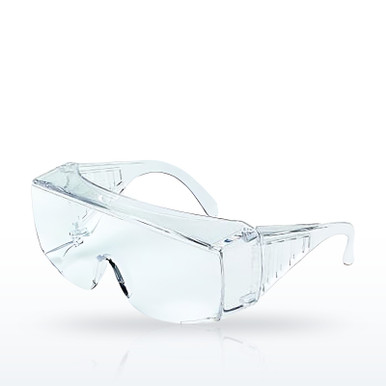
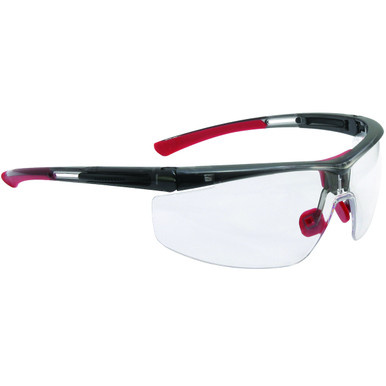
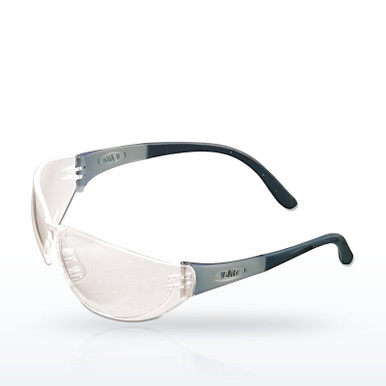
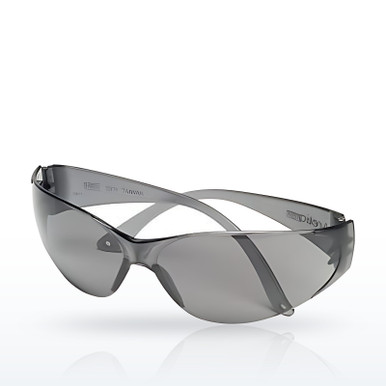
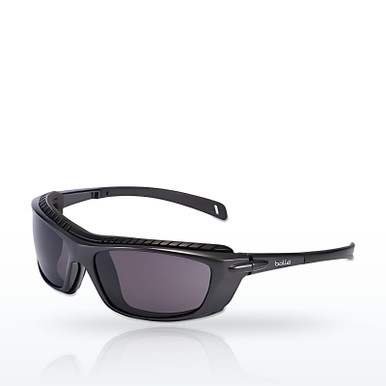
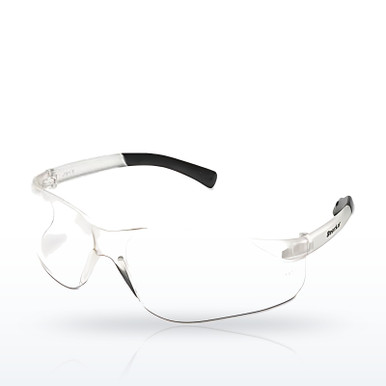
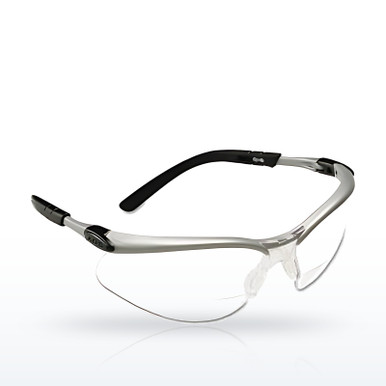
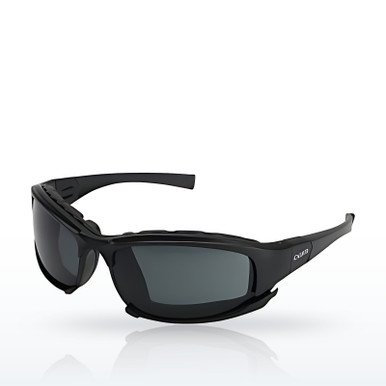
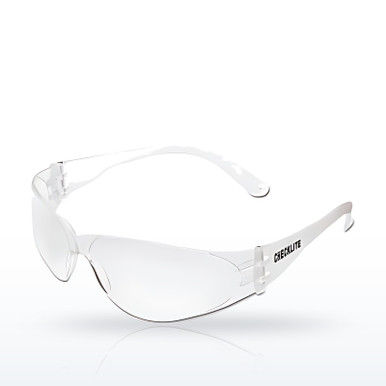
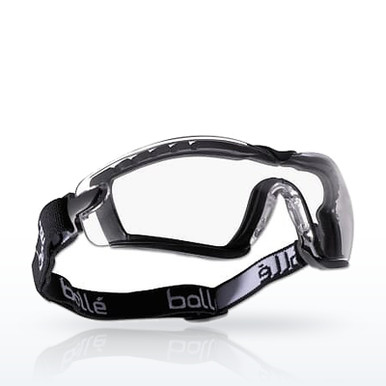
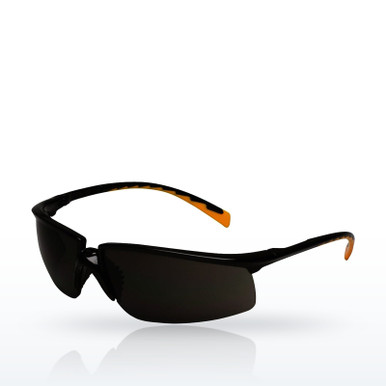
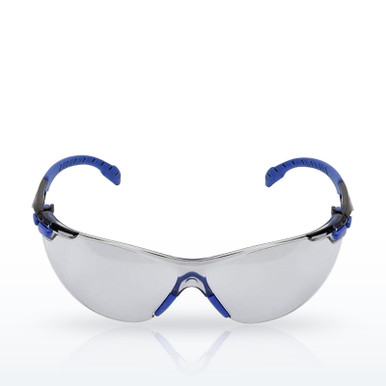
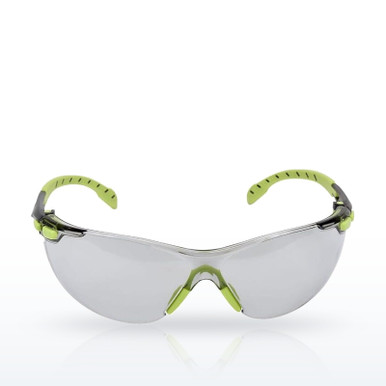
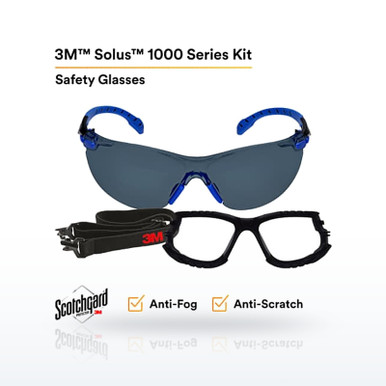
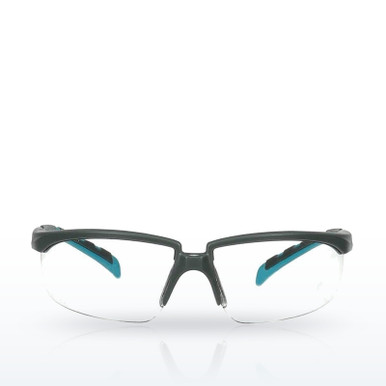
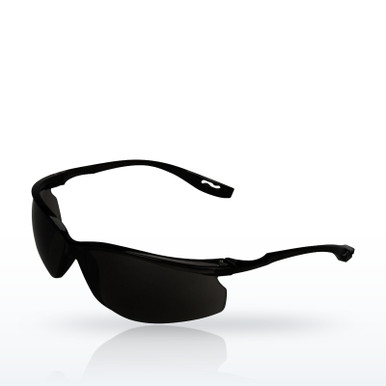
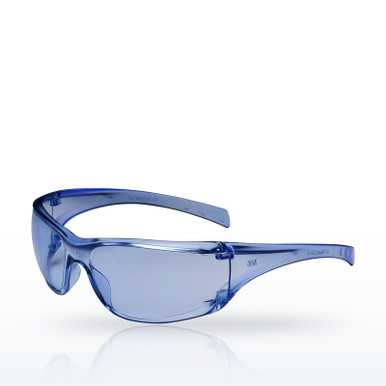
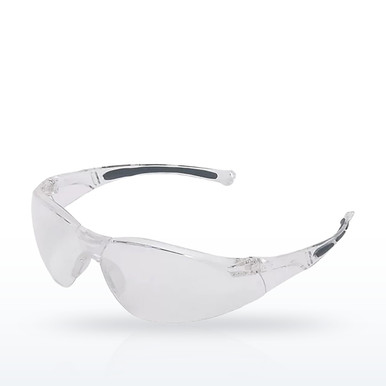

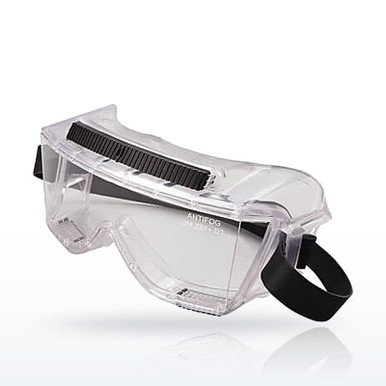
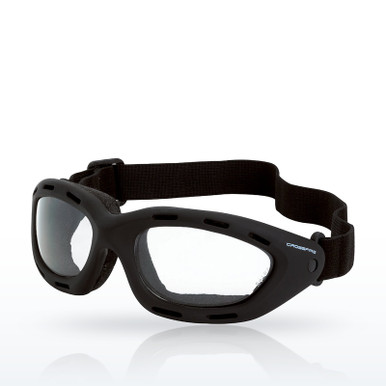
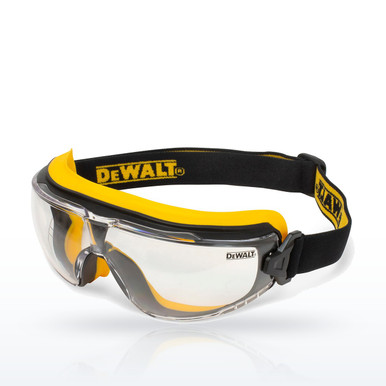
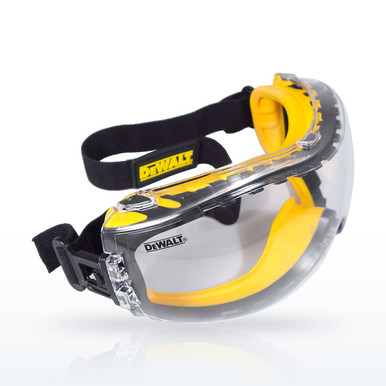
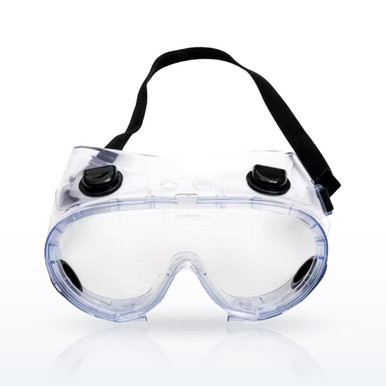
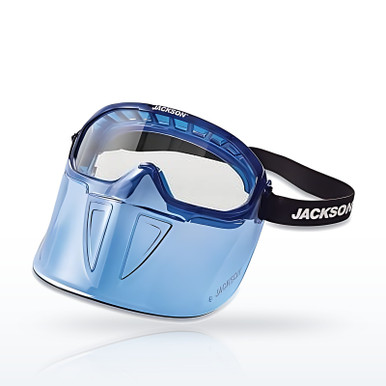
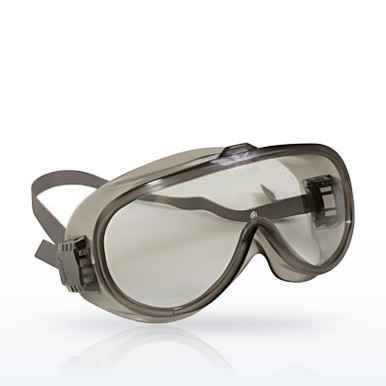
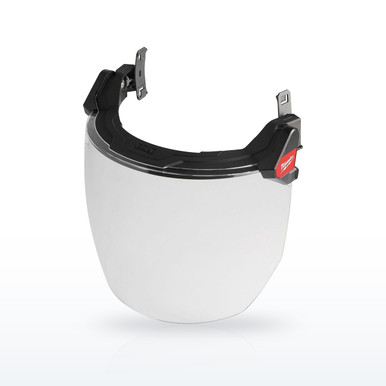
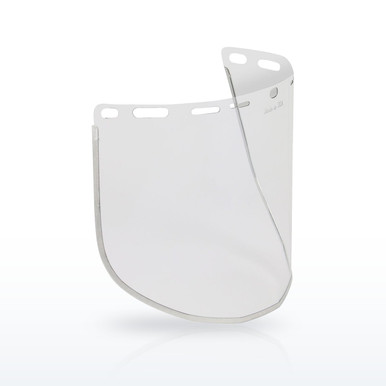
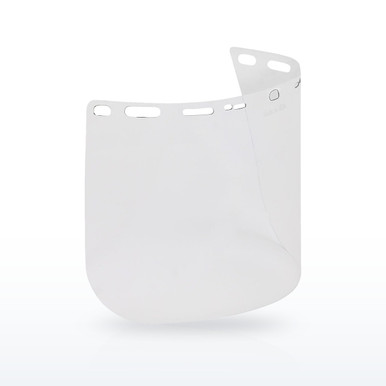
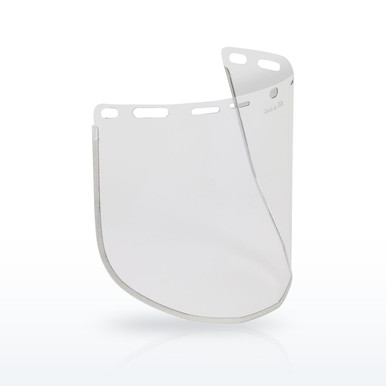
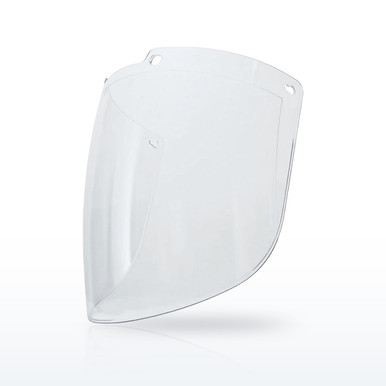
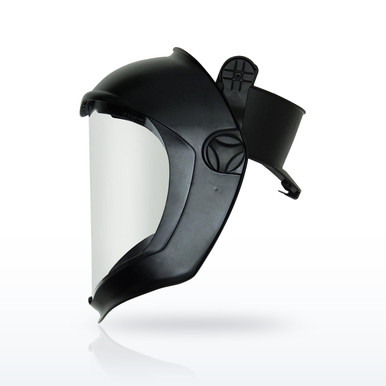
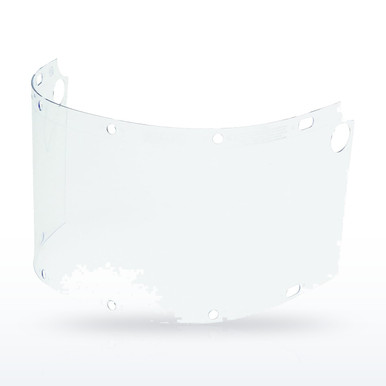
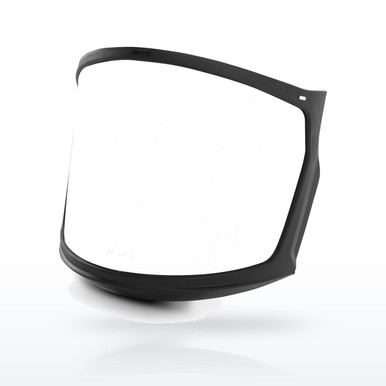
The eye protection finder sorts the whole catalog by mark, lens tint and coating.
Questions people ask
What does Z87 mean on glasses?
The manufacturer certifies the glasses to ANSI/ISEA Z87.1, the US eye and face protection standard. Plain Z87 means the lens passed the basic drop-ball impact test. (Z87.1-2020 Section 5.3.2 and 5.2.1.)
What is the difference between Z87 and Z87+?
Z87+ is impact rated: the whole protector passed a quarter-inch steel ball at 150 ft/s, a 500-gram pointed weight dropped from 50 inches, and a needle penetration test, with the lens staying in the frame. Plain Z87 passed only the 1-inch drop-ball test on the lens. (Section 7.1 vs Section 5.2.1.)
Does OSHA require Z87 or Z87+?
OSHA requires compliance with ANSI Z87.1 and an appropriate protector for the hazard. It does not name Z87+, but the hazard assessment for flying-particle work points to the impact-rated protector. (1910.133(a)(1) and (b).)
Where is the Z87 mark on safety glasses?
On the lens, the frame front or the temple, after the manufacturer’s mark. Every protector must carry the manufacturer’s mark and the Z87 designation. (Z87.1-2020 Section 5.3.1 and Table 3.)
What do D3, D4 and D5 mean?
Tested for splash and droplets (D3), dust (D4) and fine dust (D5). They appear on goggles and face shields, not on open safety glasses. (Z87.1-2020 Sections 7.3, 7.4 and 7.5.)
What does W on safety glasses mean?
A welding filter, followed by the shade number: W5 is shade 5. A W-marked lens has passed the transmittance limits for that shade. (Z87.1-2020 Table 3 and Table 7.)
What does U6 mean?
An ultraviolet filter with scale number 6. The U scale numbers and their transmittance limits are in Table 8 of Z87.1-2020; the higher the number, the less UV the lens passes.
Is Z87.1-2010 still OK?
Yes. OSHA names the 2010 edition and accepts later editions as at least as effective. Most current stock is marked to the 2015 or 2020 edition. (1910.133(b)(1) and (b)(2).)
Standards and ratings on this page are as published in the documents named and by the manufacturers named. The employer’s hazard assessment and written program decide what applies at a given workplace. Verify a rating on the product and its spec sheet before use.