
Surgical mask vs N95 vs dust mask: what each one is approved to do
A surgical mask is a loose-fitting barrier cleared by the FDA to stop splashes and large droplets and to keep the wearer’s own breath off a patient or a sterile field; it is not designed to protect the wearer from what is in the air, and it leaks around the edges on every breath. An N95 is a respirator approved by NIOSH: it seals to the face, its filter captures at least 95 percent of a hard-to-filter test aerosol, and it must be fit tested and seal checked. A surgical N95 is an N95 that is also FDA-cleared for fluid resistance. A dust mask sold at a hardware store either carries the NIOSH approval and is an N95, or it does not and OSHA does not count it as a respirator at all.
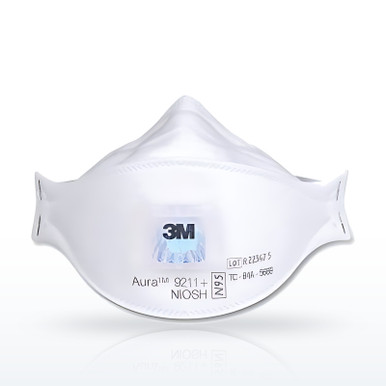
Why does the seal matter more than the fabric? Air takes the easiest path. If a mask sits loose on the cheeks, most of each breath goes around the material rather than through it, and the filter rating of the material is beside the point. That is the whole difference: a surgical mask’s material can be very good and the mask still protects the wearer poorly, while an N95’s rating only means anything once the seal is proven by a fit test and checked each time it goes on.
What is each one, and who approves it?
From the NIOSH comparison.
Which one does OSHA count as a respirator?
Only the NIOSH-approved one. The respiratory protection standard requires the employer to select a NIOSH-certified respirator, used under the conditions of its certification, wherever a respirator is necessary to protect health. A surgical mask or an unapproved dust mask does not meet that rule and cannot be used to control an exposure above a permissible limit. Where the employer allows filtering facepieces for comfort when no hazard exists, the standard’s Appendix D applies, and the mask must still be a respirator to count as one; a surgical mask worn for source control is simply not within the standard.
29 CFR 1910.134(d)(1)(ii); 1910.134(c)(2) and Appendix D (voluntary use).What does the N in N95 mean, and what else is on the label?
- N: not resistant to oil. R: somewhat resistant to oil. P: oil proof. The letter says what aerosol the filter was tested against; N-series filters are for dust, mist and fume without oil.
- 95, 99, 100: the minimum percentage of the test aerosol captured. The test aerosol is sized at the particle the filter is worst at, about 0.3 micrometers, so larger and smaller particles are captured at a higher rate.
- The NIOSH mark, the approval number (TC-84A-xxxx), the manufacturer and model: all required on the respirator or its packaging. No TC number, no approval.
- A valve, if present, makes exhaling easier and does nothing for the wearer’s protection; it lets unfiltered breath out, which is why valved N95s are not used for source control or in sterile settings.
How do you tell a real N95 from a counterfeit?
Look for the NIOSH mark, the TC approval number, the manufacturer name and the model on the respirator itself, then check the approval number on the NIOSH Certified Equipment List. Warning signs NIOSH lists: no markings at all, NIOSH spelled wrong, decorative fabric or add-ons, ear loops instead of headbands (only a handful of NIOSH approvals use ear loops; check the number), and claims of approval for children. We buy from the manufacturers and their authorized distributors; every N95 on this page is listed on the CEL under the maker’s own approval.
NIOSH, Counterfeit Respirators / Misrepresentation of NIOSH Approval; NIOSH Certified Equipment List.NIOSH-approved N95 filtering facepieces
18 items · prices liveApproval number, valve and strap type are as published by the manufacturer on each product page. Sold by the box or case. Contractor Direct orders ship free.
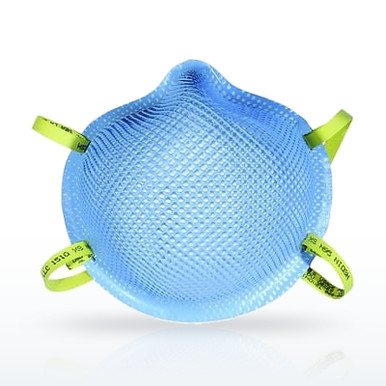
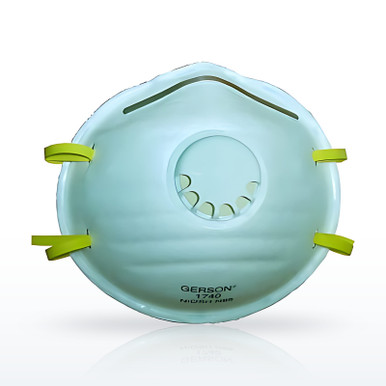
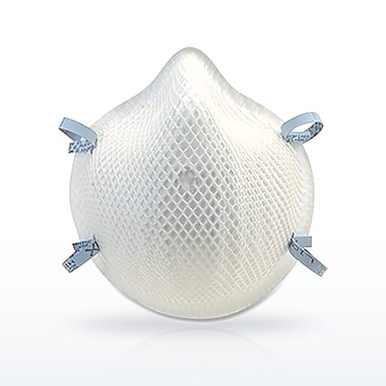
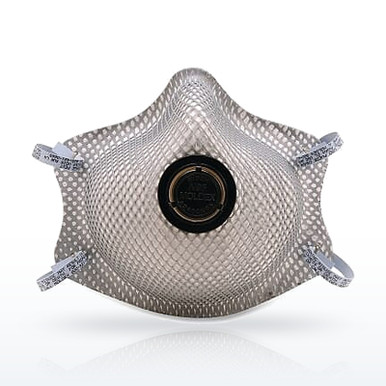
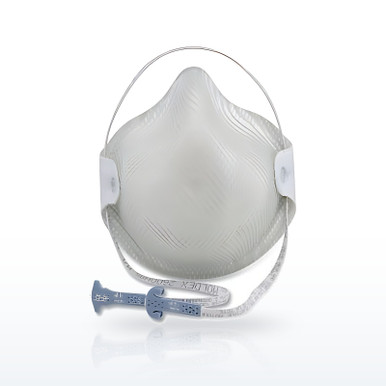
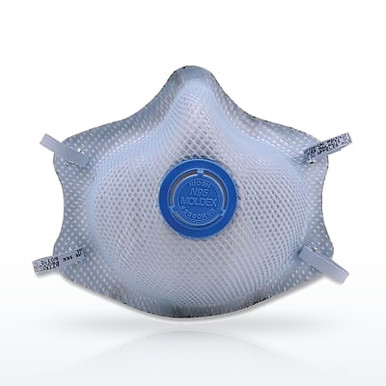
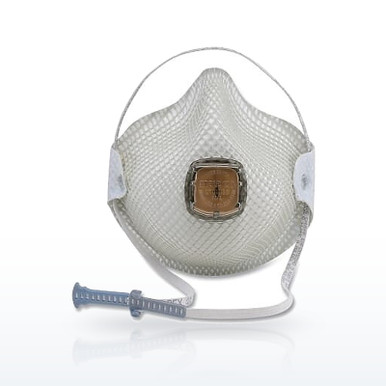
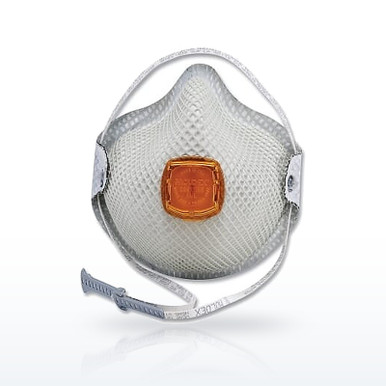
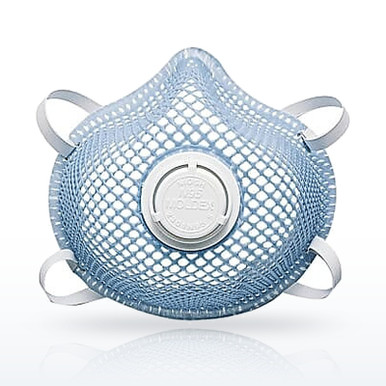
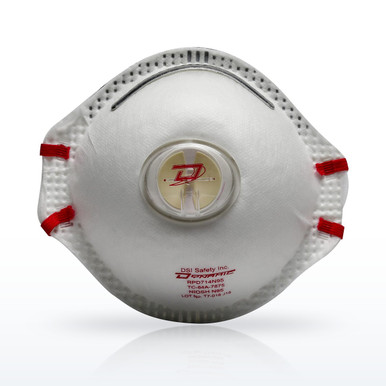
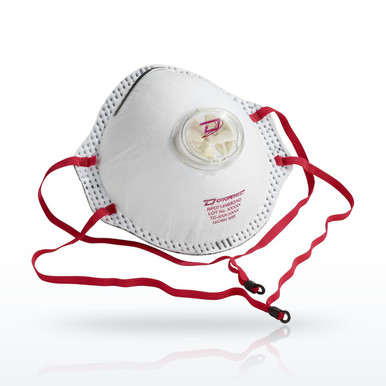

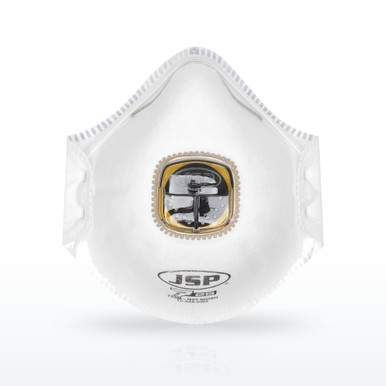
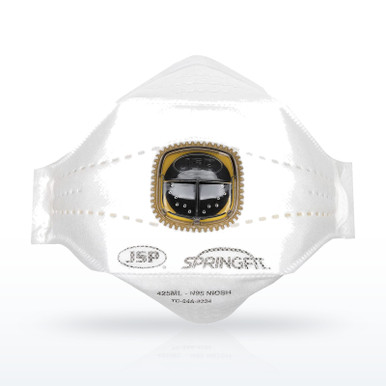
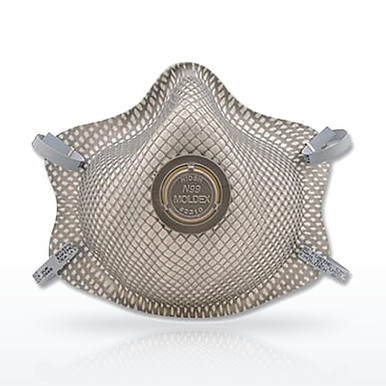
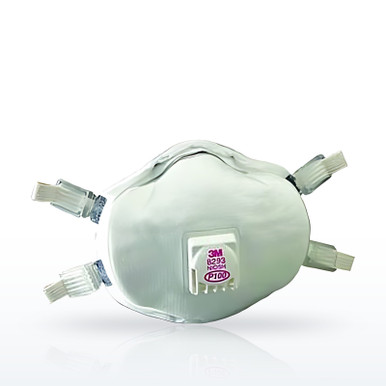
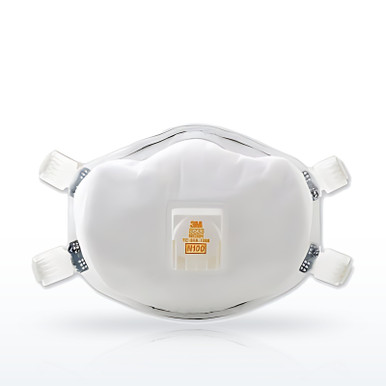
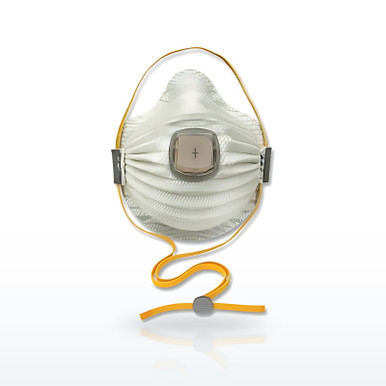
P100 and R95 filtering facepieces, and half masks with filters, are in the respirator finder.
Questions people ask
Is a surgical mask a respirator?
No. It is an FDA-cleared barrier that protects others and stops splashes; it is loose-fitting and leaks around the edges, and OSHA does not count it as a respirator.
Is an N95 better than a surgical mask?
For protecting the wearer from what is in the air, yes: it seals and filters at least 95 percent. For keeping the wearer’s breath off a patient, a surgical mask is designed for that job; a surgical N95 does both.
Does a dust mask count as a respirator?
Only if it carries the NIOSH mark and TC number, in which case it is an N95 (or other class). A mask without them is a comfort mask and cannot be used where OSHA requires a respirator.
What is a surgical N95?
An N95 that NIOSH approved and the FDA also cleared for fluid resistance.
Do N95s need to be fit tested?
Yes, before first use and annually, whenever the employer requires them; and a user seal check every time one is put on.
Are KN95 masks NIOSH approved?
No. KN95 is a Chinese standard; it is not acceptable where OSHA requires a NIOSH respirator.
Can I wear an N95 with a beard?
Not where a seal is required; facial hair across the seal fails the fit test and the standard prohibits it (1910.134(g)(1)(i)).
What does the valve on an N95 do?
Lets exhaled air out without going through the filter, for comfort. It does not change the wearer’s protection and is not used where source control matters.
Standards and ratings on this page are as published in the documents named and by the manufacturers named. The employer’s hazard assessment and written program decide what applies at a given workplace. Verify a rating on the product and its spec sheet before use.