
What do N95, N99, N100, R95, P95 and P100 mean? The NIOSH filter classes explained
The letter tells you whether the filter stands up to oil; the number tells you the minimum percentage of test particles it stops. N means not resistant to oil: use it where there is no oil mist in the air. R means resistant to oil for one shift. P means oil-proof: no time limit with oil beyond the manufacturer’s. 95, 99 and 100 are the minimum efficiency, 95, 99 or 99.97 percent, against the hardest-to-catch test particle, about 0.3 micron. So an N95 stops at least 95 percent of particles in oil-free air, and a P100 stops at least 99.97 percent in any air. None of them stop gases or vapors, and none add oxygen.
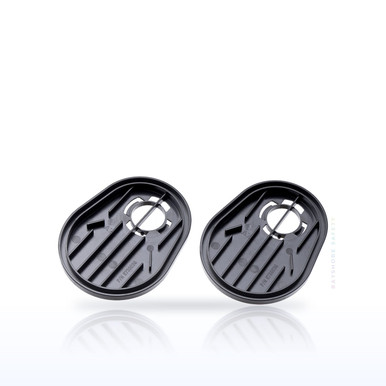
 3M D3096 Secure Click Particulate Filter, P100P100 filters for a reusable half or full facepiece
Why does oil matter to a filter? Most high-efficiency filter media gets part of its performance from an electrostatic charge on the fibers, which pulls in particles too small to be caught mechanically. Oil mist coats the fibers and kills the charge, so a filter that was 95 percent efficient can drop well below that in a few hours of cutting-fluid mist, without looking any different. NIOSH built the letter into the class so a worker in oily air is told, by the filter itself, whether it will keep working.
What do the nine classes mean?
Three letters times three numbers.
How is a filter tested?
N filters are tested with a sodium chloride (salt) aerosol, charge-neutralized, at 85 liters a minute, with particles of a size chosen to be the most penetrating, a count median diameter of about 0.075 micron, which corresponds to a mass median aerodynamic diameter near 0.3 micron. R and P filters are tested with dioctyl phthalate (DOP) oil aerosol at the same flow and size. Twenty filters of each model are loaded with aerosol until the penetration stops rising (or until 200 mg has been loaded for P filters) and every one must stay at or above the efficiency for its class throughout. The flow rate is roughly double a working breathing rate, so the test is harder than real use; that is deliberate.
42 CFR 84.179 (N-series: NaCl test), 84.180 (R-series: DOP test), 84.181 (P-series: DOP test with loading); 84.174 (efficiency criteria).The NIOSH particulate filter classes
| Class | Minimum efficiency | Oil aerosol | Service time in oily air | Typical use |
|---|---|---|---|---|
| N95 | 95% | Not resistant | Not for oily air | Dust, silica, wood, welding fume, mold, healthcare |
| N99 | 99% | Not resistant | Not for oily air | Higher-efficiency dust work |
| N100 | 99.97% | Not resistant | Not for oily air | Lead, asbestos, where oil is absent |
| R95 | 95% | Resistant | One shift (8 hours) | Machining mist, spray with oil-based materials |
| R99 | 99% | Resistant | One shift | Rare |
| R100 | 99.97% | Resistant | One shift | Rare |
| P95 | 95% | Oil-proof | Manufacturer’s limit | Oily mists, general use where oil is present |
| P99 | 99% | Oil-proof | Manufacturer’s limit | Rare |
| P100 | 99.97% | Oil-proof | Manufacturer’s limit | Lead, asbestos, silica, welding, any particulate; the all-round reusable filter |
P100 filters are colored magenta under the NIOSH color code, which is why the pink filter on a half mask is P100. A 100-class filter meets the old HEPA criterion (99.97 percent at 0.3 micron). The class says nothing about fit: a P100 on a half mask still has an assigned protection factor of 10, because the leak around the seal, not the filter, limits the protection. In practice N99, R99, R100 and P99 are rarely made; the market is N95, R95, P95 and P100.
42 CFR 84 Subpart K; NIOSH cartridge and filter color code; 29 CFR 1910.134 Table 1.
When is the air “oily”?
When there is an aerosol of oil in it: cutting and machining fluids, lubricant sprays, oil-based paints and coatings sprayed, glycerin fogs, some diesel exhaust and asphalt fumes, and cooking oil mists. Dust from grinding, concrete, wood or drywall is not oily. Welding fume is generally not oily unless the metal is coated with oil. If the safety data sheet or the process involves a liquid oil becoming airborne, use an R or P filter; if unsure, P, which costs little more and removes the question.
NIOSH, Guide to the Selection and Use of Particulate Respirators Certified Under 42 CFR 84 (DHHS 96-101); 42 CFR 84.170.P100 vs N95: which one?
Both stop the particles that matter; the P100 stops more of them and keeps doing it in oily air. On a disposable, N95 is the common choice because it is cheap, light and easy to breathe through, and because in most dust it is more than enough. On a reusable half or full facepiece, P100 is the usual filter: it lasts until it is clogged or damaged, it covers every particulate hazard the respirator is approved for, and the substance-specific OSHA standards (asbestos, lead, silica) call for 100-series filters on elastomeric respirators. Breathing resistance is a little higher on a P100 and the filter costs more; against that, you never have to ask whether the air is oily.
42 CFR 84; 29 CFR 1926.1101(h) (asbestos: 100-series filters); 29 CFR 1926.62(f) (lead); 29 CFR 1926.1153(e) Table 1 (silica); manufacturer data.What do the classes not cover?
- Gases and vapors: solvents, acid gases, ammonia, carbon monoxide pass straight through a particulate filter. Those need a chemical cartridge approved for the specific gas, or supplied air.
- Oxygen: a filter adds nothing; below 19.5 percent oxygen, only supplied air or SCBA.
- Fit: the class is the filter’s efficiency; the protection you get is set by the seal and the assigned protection factor.
- Surgical-mask functions: an N95 may also be FDA-cleared as a surgical N95 for fluid resistance; the NIOSH class alone does not include that.
- Chemical warfare agents, radioactive particles at high levels, and biological agents in healthcare at specific levels have additional approval categories (CBRN, APR with special filters).
Filters and respirators by NIOSH class
27 items · prices liveEach item is listed with the filter class its manufacturer publishes and the NIOSH approval number on the product page; filters fit only the facepieces they are approved with. Contractor Direct orders ship free.


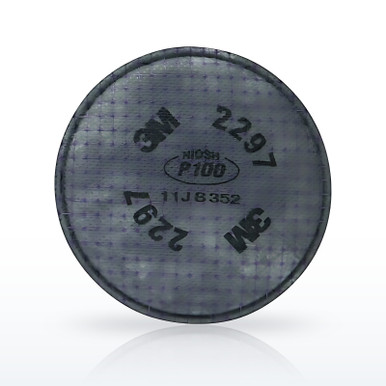


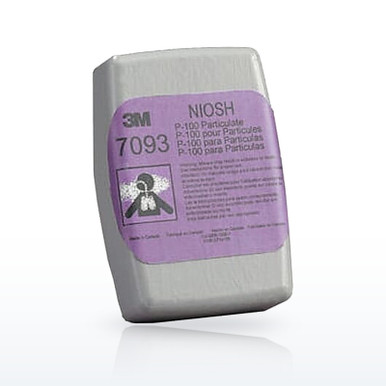
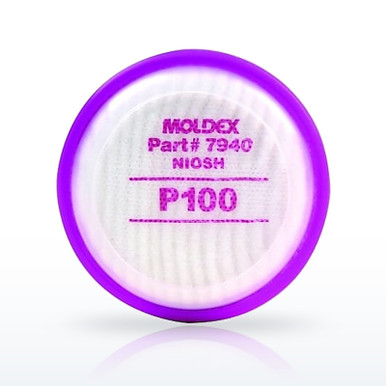

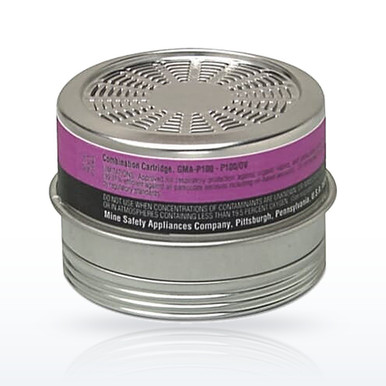
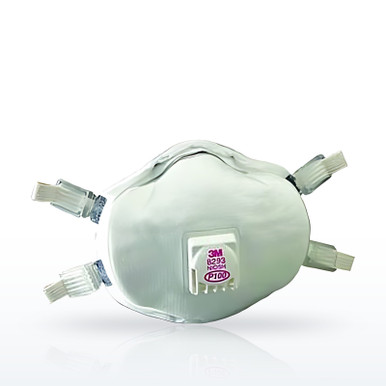
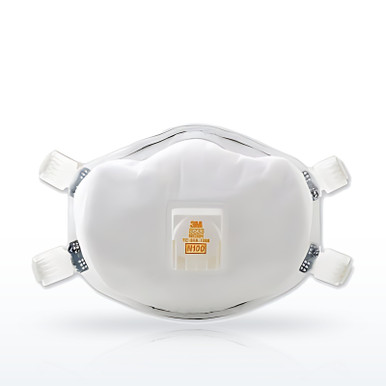
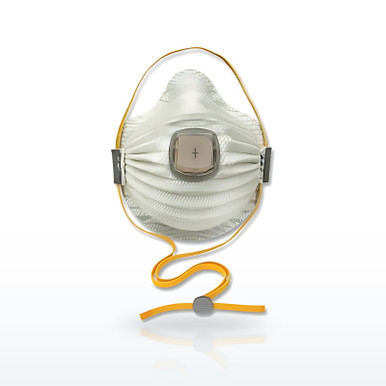
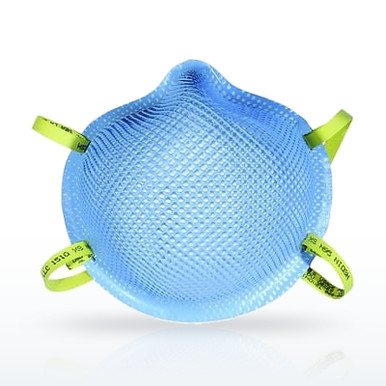
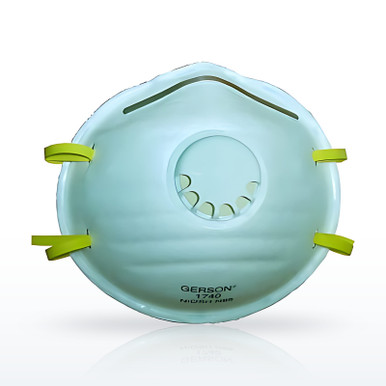
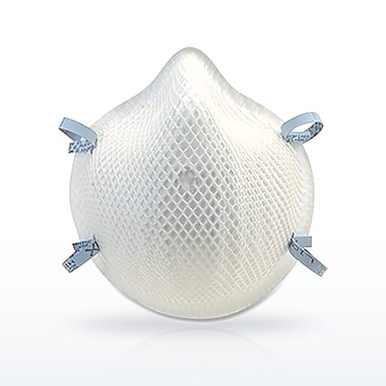
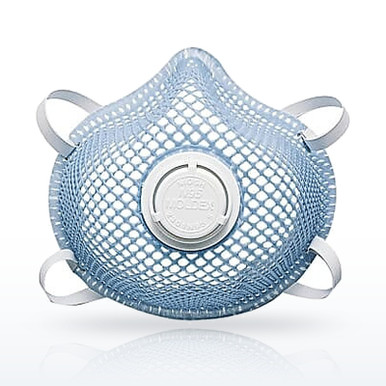
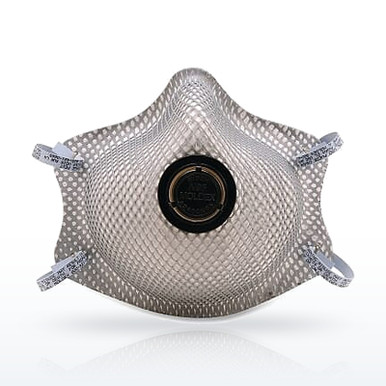
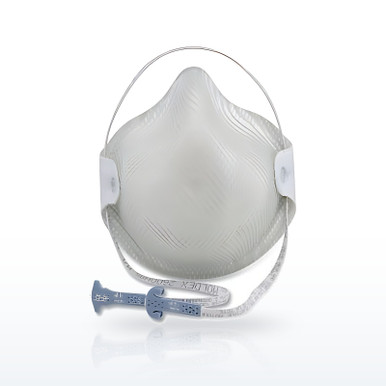
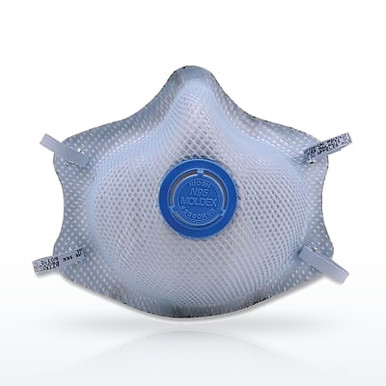
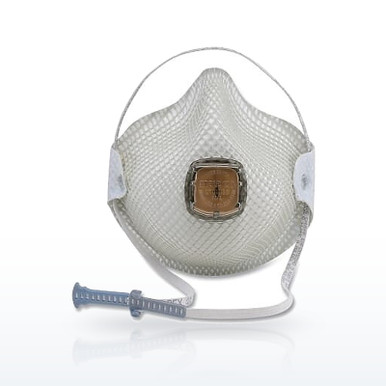
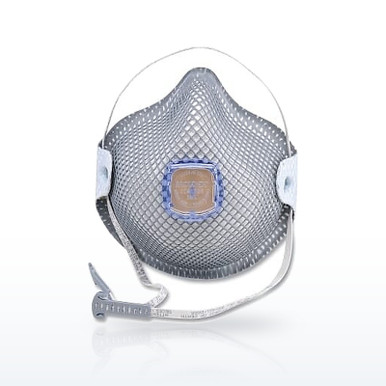
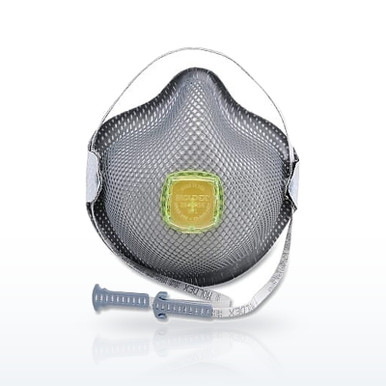
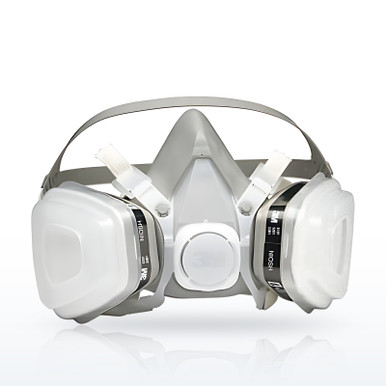
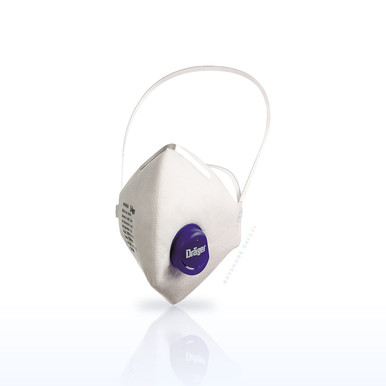
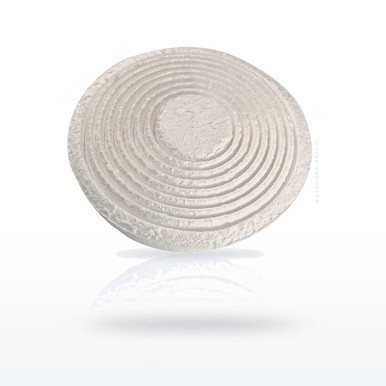
Cartridges, combination elements and every facepiece we carry are on the respirator finder, filtered by class.
Questions people ask
What does N95 stand for?
N for not resistant to oil, 95 for a minimum of 95 percent efficiency against the most penetrating test particle, about 0.3 micron, in oil-free air.
What is the difference between N95 and P100?
P100 stops at least 99.97 percent of test particles and is oil-proof; N95 stops at least 95 percent and is not for oily air. On the same facepiece the assigned protection factor is the same; the P100 is the more capable filter.
What does P100 mean?
Oil-proof filter with a minimum 99.97 percent efficiency; the magenta-colored filter on reusable respirators and the NIOSH equivalent of HEPA.
What is the difference between N95 and R95?
R95 is tested with oil aerosol and may be used in oily air for one shift; N95 is not for oily air at all. Same 95 percent efficiency.
What is P95 vs N95?
P95 is oil-proof with no NIOSH time limit; N95 is for oil-free air. Both are 95 percent efficient. P95 costs a little more and covers both cases.
Does an N95 protect against gases or fumes?
Against welding fume and smoke particles, yes; against gases and vapors (solvents, chlorine, CO), no. Those need a cartridge or supplied air.
What is the smallest particle an N95 can filter?
The 95 percent figure is at the hardest size, around 0.3 micron; both larger and smaller particles are captured at higher rates by impaction and diffusion. It is not a size cutoff.
Is a P100 the same as HEPA?
A 100-class filter meets the HEPA criterion of 99.97 percent at 0.3 micron; P100 adds oil resistance. The terms are used interchangeably for respirator filters.
Standards and ratings on this page are as published in the documents named and by the manufacturers named. The employer’s hazard assessment and written program decide what applies at a given workplace. Verify a rating on the product and its spec sheet before use.