
When is a face shield required, and does it replace safety glasses?
A face shield is required when the hazard can hit the whole face, not just the eyes: heavy grinding and chipping, chemical splash from handling acids or caustics, molten metal and hot sparks, and any work the employer’s hazard assessment rates as a severe exposure. It does not replace safety glasses. OSHA’s selection guidance says face shields should only be worn over primary eye protection, because a shield is open at the bottom and sides and a particle, splash or spark that gets behind it reaches an unprotected eye. The rule: glasses or goggles always; the shield over them when the face is in the line of fire.
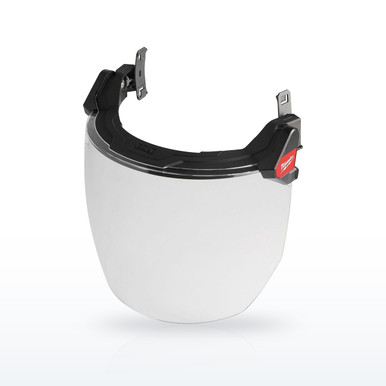
Why doesn’t a face shield count as eye protection on its own? A shield hangs from a headband or a hard hat and stands off the face. Air, and anything in it, moves freely under the bottom edge and around the sides. Z87.1 tests a shield window with a steel ball at 300 feet per second, twice the speed used on spectacles, so it is a serious impact protector; but the test is of the window, not of the gap below it. A grinding wheel throws sparks that bounce off the chest and up. A splash hits the shield and runs down inside it. Safety glasses or goggles close that gap. The shield protects the face; the glasses protect the eyes; the combination is what OSHA’s guidance describes.
When does OSHA call for a face shield?
The hazards in 1910.133(a)(1), and where OSHA’s selection chart puts a face shield.
Does a face shield replace safety glasses?
No, as OSHA reads its own rule. The regulation itself only requires “appropriate eye or face protection” for the hazard, and leaves the choice to the hazard assessment. The appendix that OSHA published to explain how to choose is specific: face shields should only be worn over primary eye protection, which means spectacles or goggles. Welding helmets and hand shields get the same note. The reason is the open bottom and sides of the shield.
29 CFR 1910.133(a)(1); 1910 Subpart I Appendix B, Section 8, Note 3 (face shields over primary eye protection) and Note 9 (welding helmets and shields the same).The construction rule reads the same way. 1926.102 names the same hazards, requires side protection where objects can fly, and requires that protectors provide adequate protection for the hazard they are designed for. A shield alone is designed to protect the face from the front; it is not designed to block what comes from below.
29 CFR 1926.102(a)(1), (a)(2) and (a)(5)(i).There is one place a shield does the eye job by itself: a full facepiece respirator or a loose-fitting hood with a Z87-marked visor, where the lens is sealed or the hood encloses the head. Those are tested under Z87.1 as their own protector types and are not what a headgear-mounted shield is.
ANSI/ISEA Z87.1-2020 Table 6 (full facepiece respirators and loose-fitting respirators listed as protector types with their own test speeds).What do the marks on a face shield mean?
A shield is two parts, the window and the headgear or bracket, and the standard marks each. Z87 on a window means it passed the drop-ball test; Z87+ means it passed the high-velocity test at 300 feet per second (91.4 m/s), the high-mass test with a 500-gram pointed weight from 50 inches, and the penetration test. The headgear or hard-hat bracket is marked separately, and the manufacturer certifies the window and headgear as a system; mixing brands can void the mark.
ANSI/ISEA Z87.1-2020 Section 5.3.1 and Table 3 (marking of each component); 5.2.1 (drop ball); 7.1.4.3 and Table 6 (face shields at 91.4 m/s, 300 ft/s); 7.1.4.2 (high mass); 7.1.4.4 (penetration). System certification as published by each manufacturer.D3 on a shield window means it passed the splash test for face shields; D4 and D5 mean dust and fine dust. A W with a number is a welding filter window; L with a number is a visible-light filter, which is what a dark-green or gold heat-reflective window is when it has been tested as one. A tinted window without an L, U or W number is a tinted window, not a filter.
ANSI/ISEA Z87.1-2020 Table 3; 7.3.2 and 9.17.2 (face shield splash test); 7.4 and 7.5 (dust); Tables 7, 8 and 10; 1910 Subpart I Appendix B, Note 12.How do you choose a face shield?
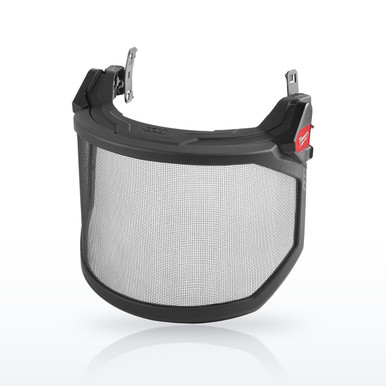
- Window material. Polycarbonate is the impact window; it is what most Z87+ shields are. Propionate and PETG are clearer and more chemical-resistant and are often sold for splash and light-duty work; the mark on the window tells you what each was tested for. Steel mesh is for wood chips and brush and is not a splash or dust protector.
- Window length. A shield that stops at the chin leaves the throat open to a splash; longer windows and chin guards close it. Chin guards are listed on the product page.
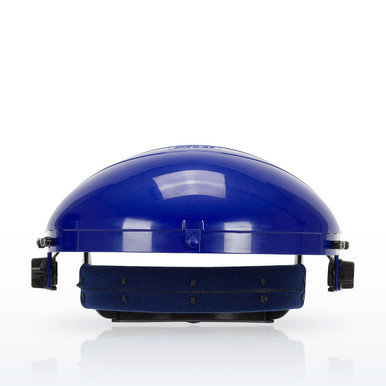
- Mounting. Headgear with a ratchet, or a bracket that clips to a slotted hard hat. The bracket must be the one the shield maker lists for that hard hat.
- Heat. Gold-coated and dark-green windows reflect radiant heat for furnace, pouring and torch work; they carry an L or W number when tested as filters.
- What goes underneath. Z87+ safety glasses for impact work; indirect-vent goggles for splash. The shield adds face coverage; it does not change what the eyes need.
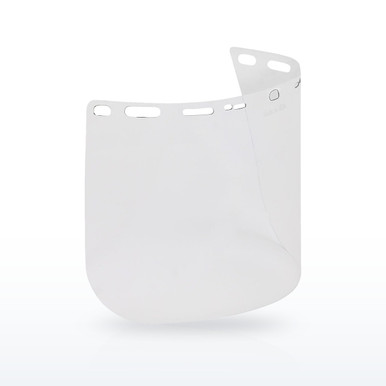
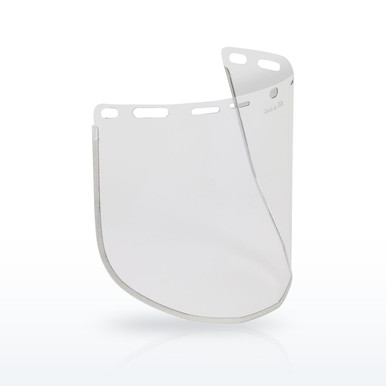
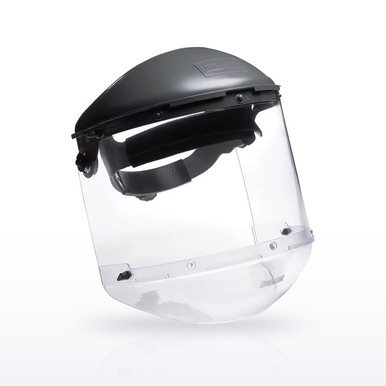
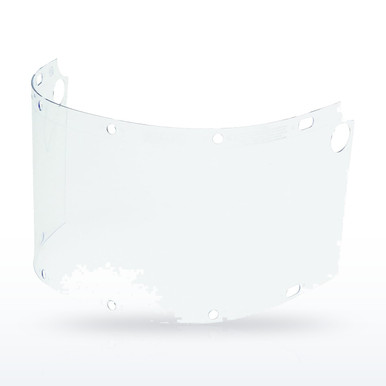
Face shields, windows and headgear by ANSI mark
32 items · prices liveThe mark shown is the one the manufacturer publishes for each window or headgear: Z87.1+ for impact rated, Z87.1 for basic impact. Window material, length and the hard hats each bracket fits are on the product page. Free shipping on orders over $199.
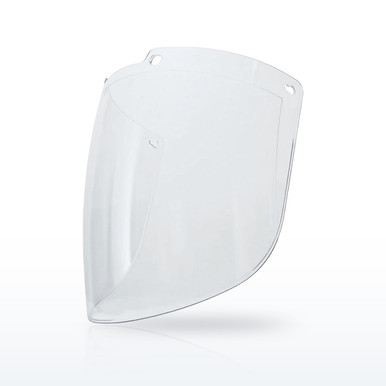
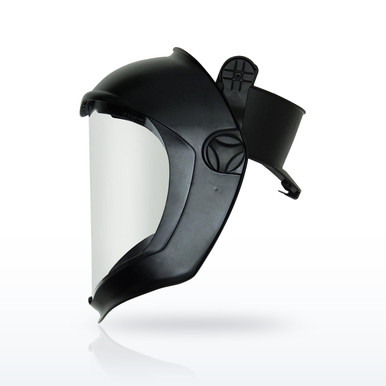

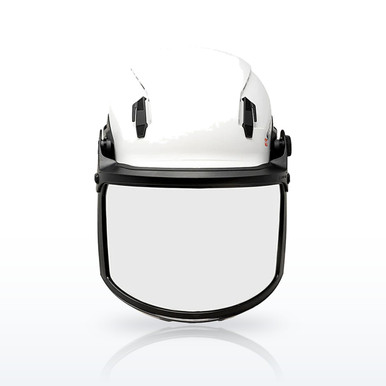
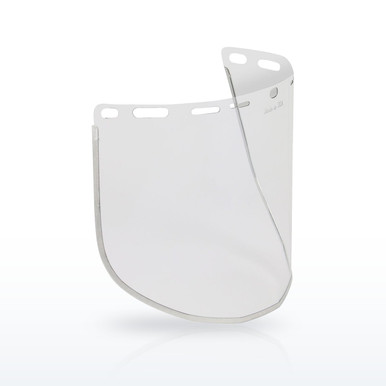
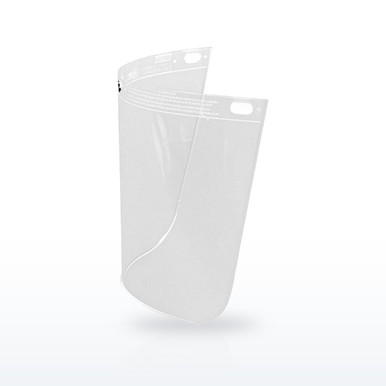
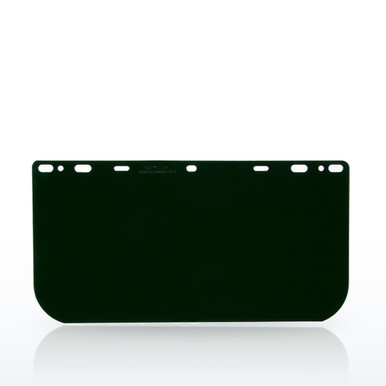
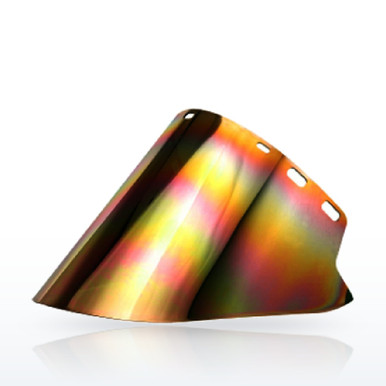
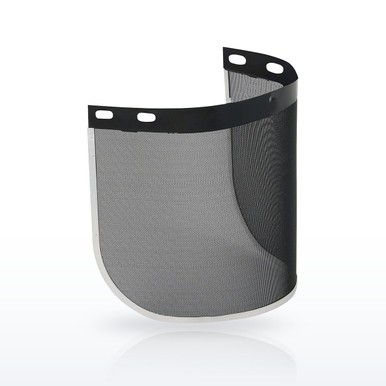
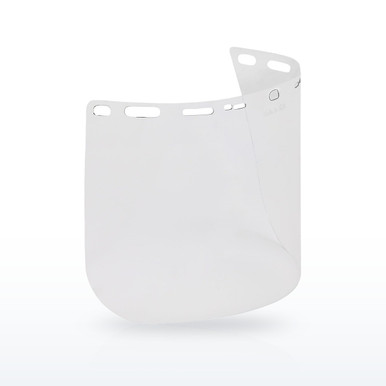
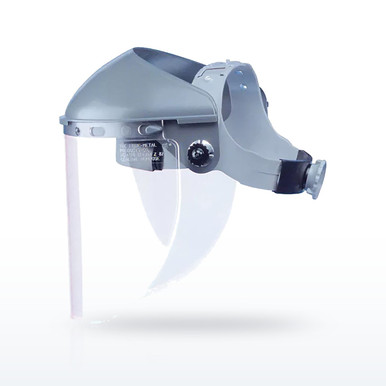
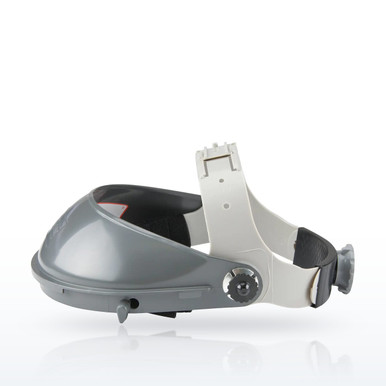
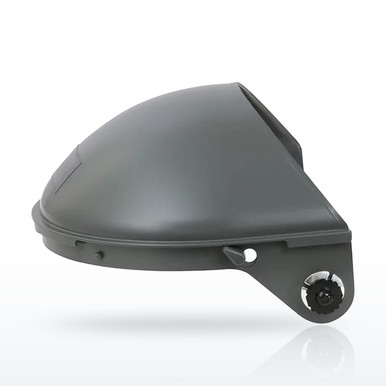
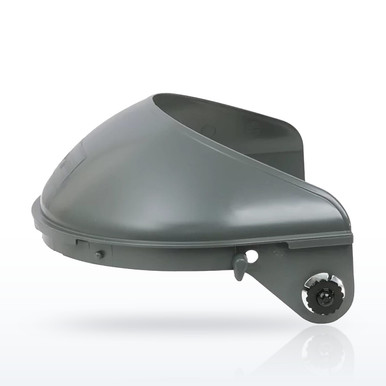
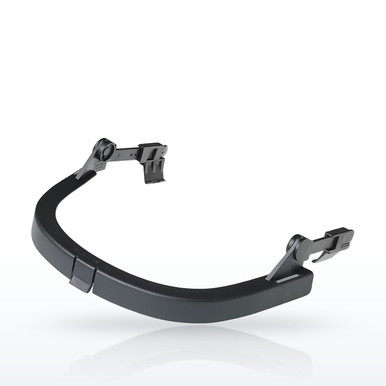
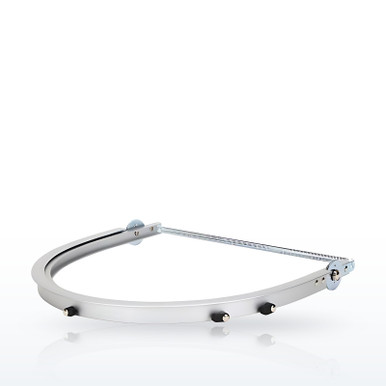
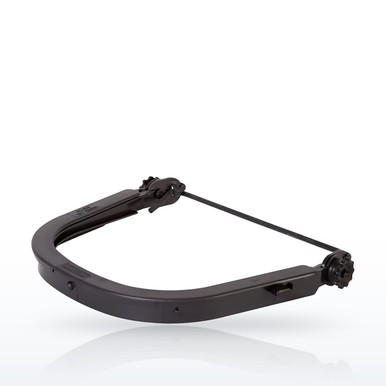
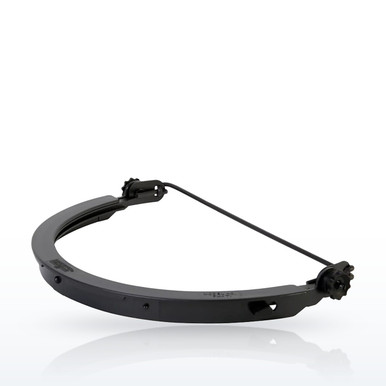
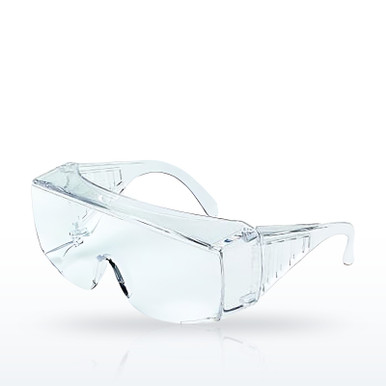
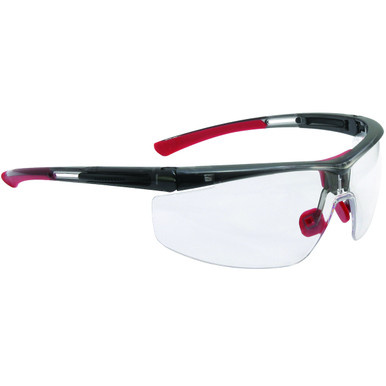
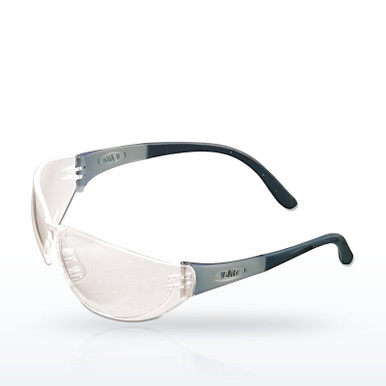
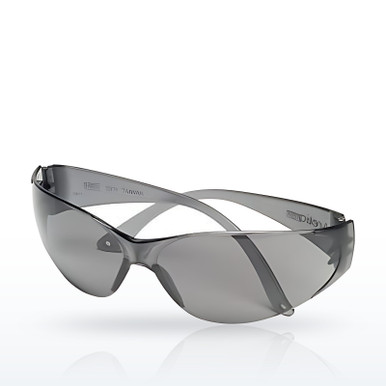
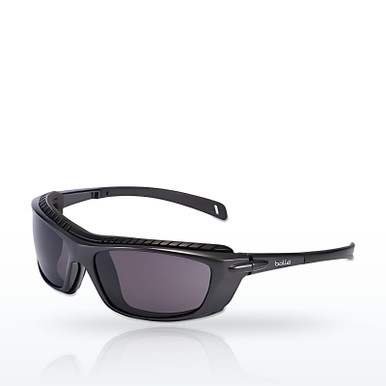
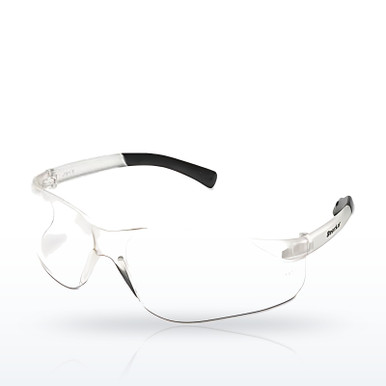
Welding helmets are in the welding PPE finder. Goggles for under the shield are in the eye protection finder.
Questions people ask
When is a face shield required by OSHA?
When the hazard assessment finds the face is exposed: severe impact (heavy grinding, chipping), chemical splash from acids and caustics, molten metal and hot sparks, and resistance welding or brazing. The regulation requires appropriate protection for the hazard; the appendix chart says where a shield is the answer. (1910.133(a)(1); Appendix B Section 8.)
Does a face shield replace safety glasses?
No. OSHA’s selection guidance says face shields should only be worn over primary eye protection, spectacles or goggles, because the shield is open below and at the sides. (Appendix B to Subpart I, Note 3.)
Do I need safety glasses under a face shield for grinding?
Yes. Grinding is an impact operation that requires side protection, and the shield does not close the gap under its bottom edge. Glasses marked Z87+ under a Z87+ shield is the combination the chart describes. (1910.133(a)(2); Appendix B Section 8 and Note 3.)
What speed is a face shield tested at?
A quarter-inch steel ball at 300 feet per second (91.4 m/s) for the Z87+ mark, versus 150 ft/s for spectacles and 250 ft/s for goggles. (Z87.1-2020 Table 6.)
Does a face shield protect against chemical splash?
A window marked D3 has passed the splash test for face shields. It protects the face; a sealed goggle underneath protects the eyes from what runs down inside the shield. (Z87.1-2020 Section 7.3.2; Appendix B Note 3.)
Can I put any face shield on my hard hat?
Only with the bracket the shield manufacturer lists for that hard hat. The window and headgear are marked and certified as a system by the manufacturer.
Is a mesh face shield OSHA approved?
A mesh shield marked Z87 by its manufacturer meets the impact requirement it is marked for. Mesh does not keep out dust, liquid or fine particles, so it is used for chips and brush with safety glasses underneath.
Does a welding helmet count as a face shield?
For arc welding, the helmet is the required protector and it covers the face. OSHA’s guidance lists welding helmets, like face shields, as worn over primary eye protection where chips and slag can fly. (1910.252(b)(2)(i)(A); Appendix B Note 9.)
Standards and ratings on this page are as published in the documents named and by the manufacturers named. The employer’s hazard assessment and written program decide what applies at a given workplace. Verify a rating on the product and its spec sheet before use.