
RKI Instruments Batteries & Chargers
10 batteries & chargers from RKI Instruments, listed with what RKI Instruments publishes, and live prices.
Pick a gas, number of gases, sampling or battery; the list below narrows as you choose. Prices are live.
10 products
Ratings and specifications are as published by each manufacturer. Tap a group to open it.
RKI Instruments10 products
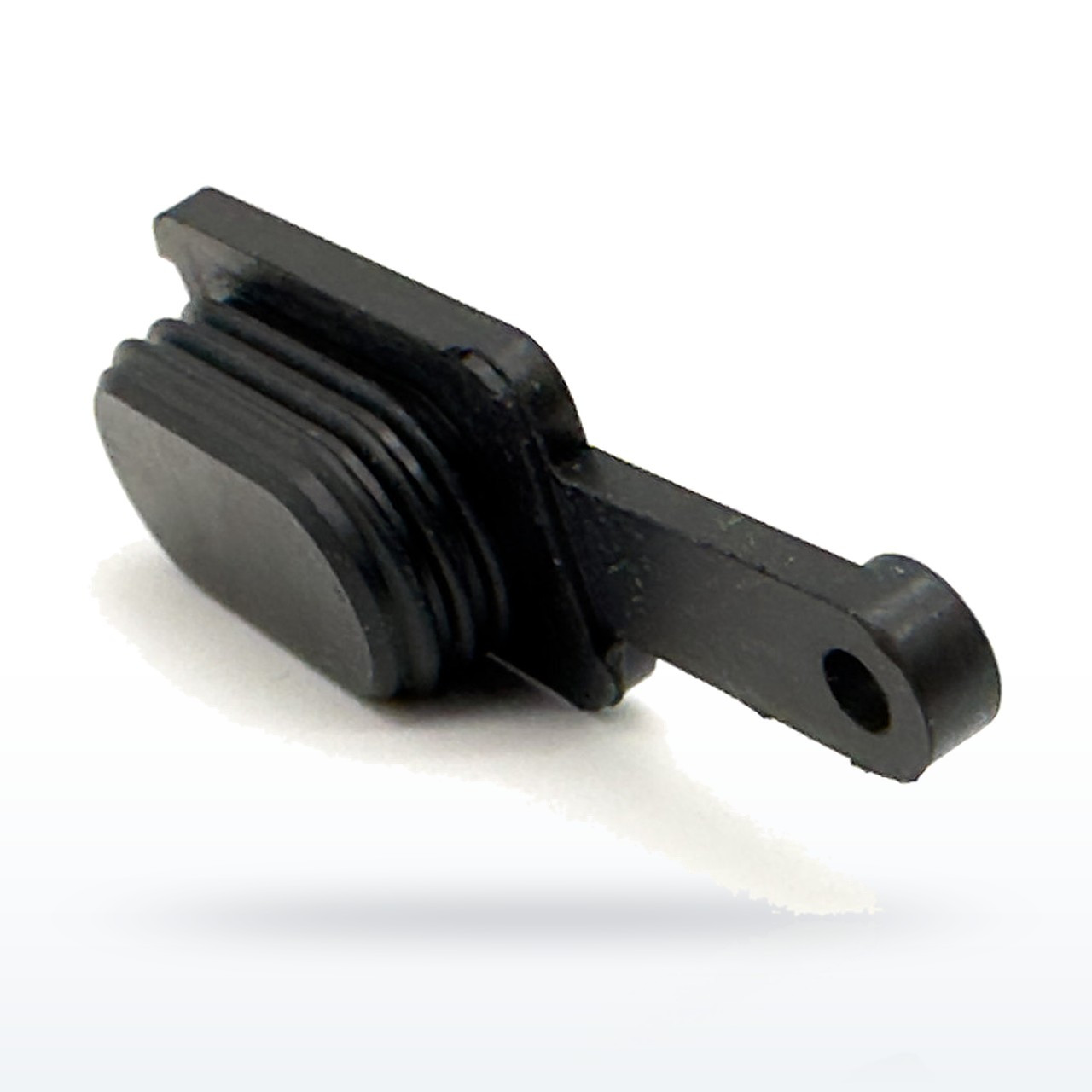
- RKI Instruments 07-6065 Batteries & Chargers, Rubber Cover for Charger, GX-Force — RKI Instruments
- RKI Instruments 47-5102 Batteries & Chargers, 5-Unit Charger Adapter — RKI Instruments
- RKI Instruments 49-0133 Batteries & Chargers, AC Adapter VAC for GX-3R & GX-3R — RKI Instruments
- RKI Instruments 49-0134 Batteries & Chargers, 5-Port Multi-Unit AC Adapter VAC — RKI Instruments
- RKI Instruments 49-1625 Batteries & Chargers, Li-Ion Battery Pack BUL-3R without — RKI Instruments · Battery: Li-Ion
- RKI Instruments 49-1626 Batteries & Chargers, Alkaline Battery Pack BUD-3R — RKI Instruments · Battery: Alkaline
- RKI Instruments 49-1633 Batteries & Chargers, Li-Ion Battery Pack for GX-Force — RKI Instruments · Battery: Li-Ion
- RKI Instruments 49-2021 Batteries & Chargers, DC Adapter — RKI Instruments
- RKI Instruments 49-2022 Batteries & Chargers, DC Adapter, VDC for GX-Force — RKI Instruments
- RKI Instruments 49-2170RK-01 Batteries & Chargers, Single-Unit Charging Station — RKI Instruments
Do not see what you need? Browse the category or call (925) 215-7337.
In plain words. A gas monitor is described by the gases it detects (LEL for combustibles, O2 for oxygen, H2S, CO, and so on), how many it detects at once, whether it samples by diffusion (air reaches the sensors on its own) or with a pump (sample draw, for checking a space before entry), how it is powered, and the approvals that let it be used in a classified area. All of these are the manufacturer's published specifications; alarm points and calibration intervals follow the manufacturer's manual.
Technical. Intrinsic-safety approvals are listed as the manufacturer prints them (UL or CSA Class I Division 1 Groups A–D, ATEX and IECEx Ex ia IIC T4 marks). Sensor ranges are quoted per gas (for example 0–100% LEL, 0–30% volume O2, 0–100 ppm H2S, 0–500 ppm CO; PID sensors for VOCs in ppm or ppb with the lamp energy in eV; IR sensors for CO2 or methane). Calibration gas is matched to the monitor's sensors and listed by concentration. Draeger detector tubes have their own finder page.
Ratings and specifications on this page are shown as published by the manufacturer or the named standard and describe performance in that standard's test. They are not a recommendation for any task. The employer's hazard assessment decides what protective equipment a job needs. Verify details against the manufacturer's current documentation before you buy.
The standard at a glance
Copied from the named standard or regulation and shown with its source; nothing in these tables is Bayshore's recommendation.
OSHA confined-space atmosphere limits
| Condition (29 CFR 1910.146) | Limit |
|---|---|
| Oxygen deficient | Below 19.5% oxygen |
| Oxygen enriched | Above 23.5% oxygen |
| Flammable | Above 10% of the lower flammable limit (LFL) |
| Toxic | Above the substance's permissible exposure limit (29 CFR 1910 Subpart Z) |
| Approval mark (as printed by the manufacturer) | Meaning |
|---|---|
| UL or CSA Class I, Division 1, Groups A–D | Intrinsically safe for flammable gas and vapour atmospheres (North America) |
| ATEX / IECEx Ex ia IIC T4 | Intrinsically safe, gas group IIC, temperature class T4 (Europe / international) |
Source: OSHA 29 CFR 1910.146 (permit-required confined spaces). Alarm set points and calibration intervals follow each manufacturer's manual. Draeger detector tubes have their own finder.