
ANSI 107 Class 1, 2 and 3: what the classes mean, and which one does your job need?
The class is how much high-visibility material the garment has: Class 1 is the least (a small vest or harness for low-speed, off-road work), Class 2 is the standard safety vest or shirt with enough fluorescent background and retroreflective tape to be seen near traffic, and Class 3 adds sleeves and more tape so the wearer is visible as a person, from all sides, at highway speeds and in bad light. Workers on or near public roads are required by federal rule to wear at least Class 2; most roadway agencies and night work require Class 3. The class is printed on the label inside the garment.
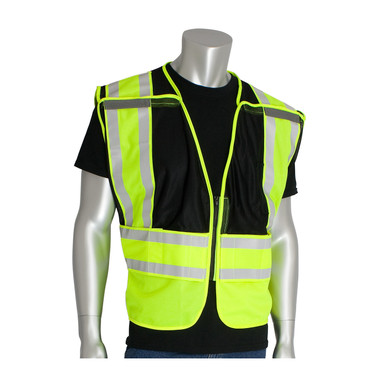
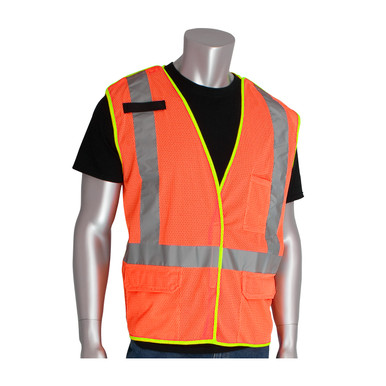
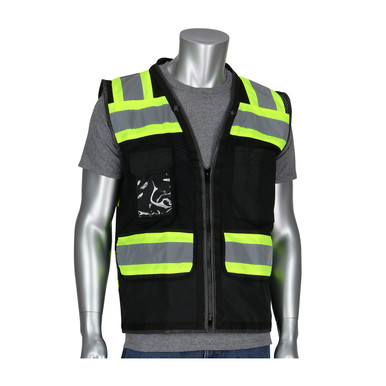
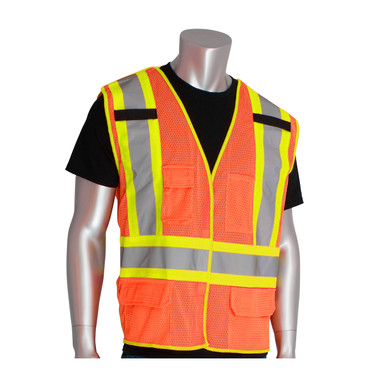 PIP 302-0211 Hi-Vis Vests, ANSI Type R Class 2 and CAN/CSA Z96 Class 2 Two-ToneType R Class 2 safety vest, the roadway standard
Why is there a class system at all? Because a driver has about a second and a half to see a worker and react, and the amount of fluorescent color by day and retroreflective tape by night is what buys that second. The classes were set so that a specifier can say “Class 2” and get a known minimum of each, from any manufacturer, in any style. A vest that looks bright but has half the required area is a Class 1 or no class at all, and the label is the only way to tell.
What does each class require?
The minimum areas of material in ANSI/ISEA 107-2020, for Type R (roadway) garments.
What are Type O, Type R and Type P?
The 2015 edition folded the old public-safety vest standard (ANSI 207) into 107 and added garment types. Type O is off-road: Class 1 only, for workers never on a public roadway. Type R is roadway and temporary traffic control: Class 2 or 3, the type for construction, utilities, towing, airports and anyone near moving vehicles. Type P is public safety: Class 2 or 3 with design allowances for police, fire and EMS, such as tear-away features and access to a duty belt, and a slightly lower minimum background area for Class 2 in exchange. A roadway worker buys Type R; the label says which.
ANSI/ISEA 107-2020 section 4 (garment types: O, R, P) and Table 1.Which class does the job need?
| Work | Minimum class | Why |
|---|---|---|
| Flaggers, roadway construction, work in a federal-aid highway right-of-way | Class 2 (Type R); Class 3 at night or by agency rule | The MUTCD requires Class 2 or 3 for all workers within the right-of-way of a road open to public travel (section 6C.05, 11th edition; the former FHWA rule 23 CFR 634 was folded into the MUTCD in 2009) |
| Night roadway work, high-speed highways, complex backgrounds | Class 3 | Full-body visibility; most DOTs and contractors specify it after dark |
| Emergency responders at roadway incidents | Class 2 or 3, Type P or R | The MUTCD worker rule applies to responders in the right-of-way too; Type P allows duty-belt access |
| Utility crews, surveyors, tow operators on the shoulder | Class 2; Class 3 at night | Near traffic at speed; agency contracts often set Class 3 |
| Airport ramps, rail yards, ports | Class 2 or 3 per the operator | Vehicles and poor light; the facility sets the rule |
| Warehouses, parking lots, delivery, low-speed yards | Class 1 (Type O) or Class 2 | Slow vehicles, worker not near a roadway; OSHA requires visibility where struck-by hazards exist |
| Industrial and plant work with forklifts | Class 1 or 2 by employer policy | Hazard assessment under 1910.132(d) |
Federal OSHA has no numbered hi-vis rule for general construction; it requires flaggers to wear high-visibility garments under 1926.201 and has cited struck-by exposures under the general duty clause and 1910.132, citing ANSI 107 as the recognized standard. The MUTCD is the rule that names the classes: section 6C.05 of the 11th edition requires Class 2 or 3 for workers in the right-of-way of any road open to public travel, and every state adopts the MUTCD into its traffic-control rules. (The older FHWA rule, 23 CFR 634, was removed and its requirement moved into the MUTCD in the December 2009 rulemaking.) Many state DOTs and California’s Caltrans specify Class 3 for all work at night and Class 2 by day in their standard specifications.
MUTCD 11th edition section 6C.05 (high-visibility safety apparel for workers); 74 FR 66730 (December 16, 2009; 23 CFR 634 removed and reserved); 29 CFR 1926.201(a) and 1926.6 (MUTCD Part 6 incorporated); 29 CFR 1910.132(d); OSHA letter of interpretation, August 5, 2009 (hi-vis apparel on highway work zones).
How do you read the label?
- The standard and edition: ANSI/ISEA 107-2020 (or 2015). Older garments may show 107-2010 or 207-2011 and are still usable until worn out, but new purchases should be the current edition.
- Type (O, R or P) and Class (1, 2, 3, or E).
- A pictogram of the garment with the class, and whether it is flame resistant (FR) with the FR standard named.
- Size, manufacturer, and the care instructions, including the maximum number of wash cycles the retroreflective tape is rated for (commonly 25 or 50).
- Manufacturer’s statement of compliance; a third-party certification mark where the maker has one.
What colors are allowed?
Three fluorescent background colors: yellow-green, orange-red and red, each with a defined color range and minimum luminance. Yellow-green is the most visible in most conditions and the most common; orange-red is traditional for roadway and is specified by some agencies so workers stand out against yellow-green vehicles and signs; red is rarely used. The retroreflective tape is silver-gray or a combination material that is fluorescent by day and reflective at night. Colors outside the three, such as blue or pink, are not high-visibility under the standard whatever the tape.
ANSI/ISEA 107-2020 section 6 (background material: color and luminance) and section 7 (retroreflective material).When is a hi-vis garment worn out?
When the background has faded to a dull color (compare it to a new one in daylight), when the tape is cracked, peeling or no longer flashes under a flashlight at 50 feet, or when the garment has been washed past the rated cycle count or is torn or soiled so the material is covered. The standard requires the manufacturer to state the care instructions and the number of cycles the tape meets; most vests are rated for 25 washes and most shirts and jackets for 50. A sun-faded vest is a Class 1 at best.
ANSI/ISEA 107-2020 Annex (user guidance on service life and inspection); manufacturer care labels.ANSI 107 garments by class
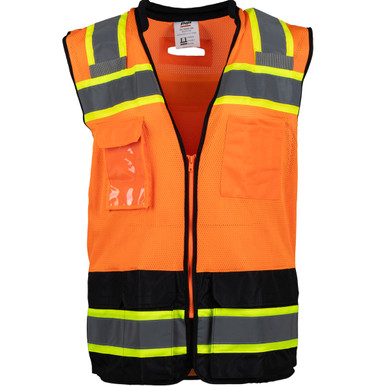
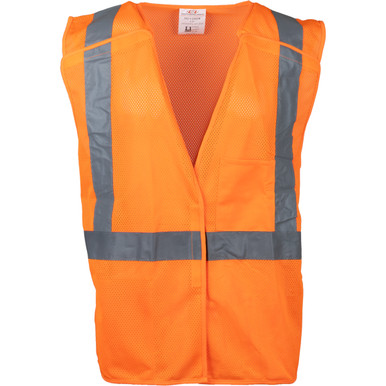
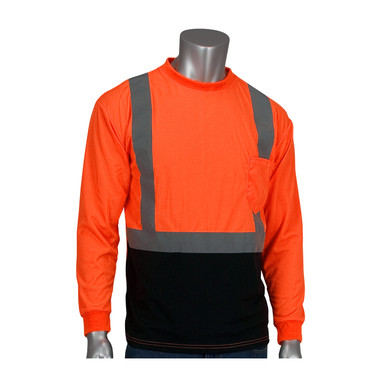
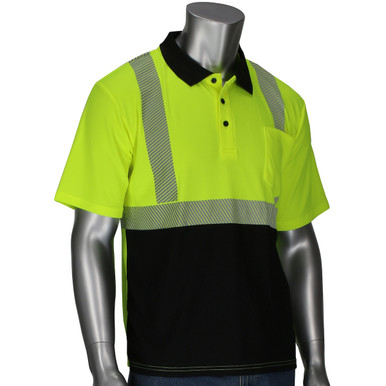
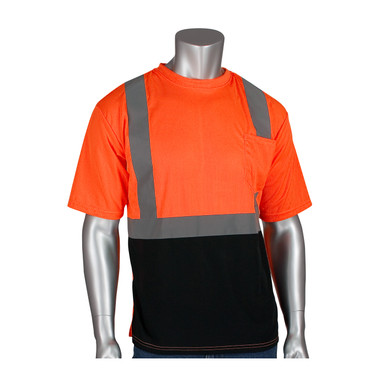
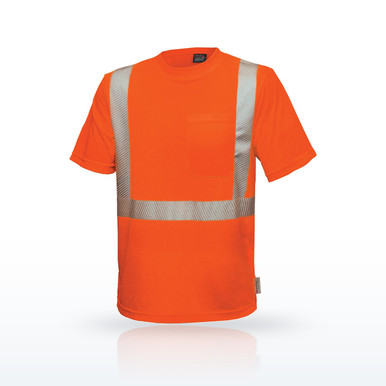
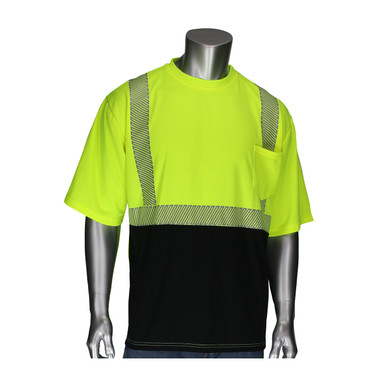
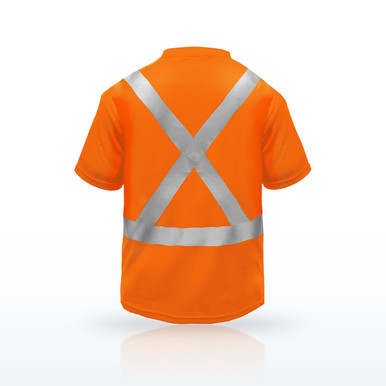
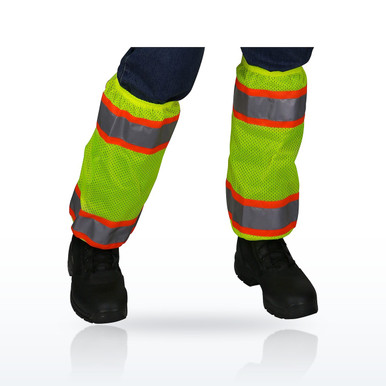
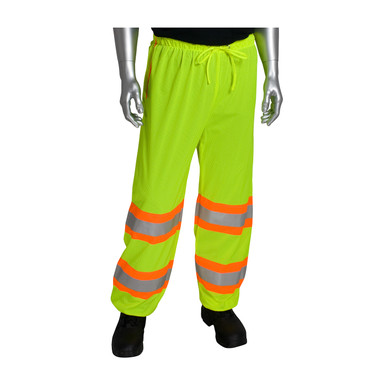
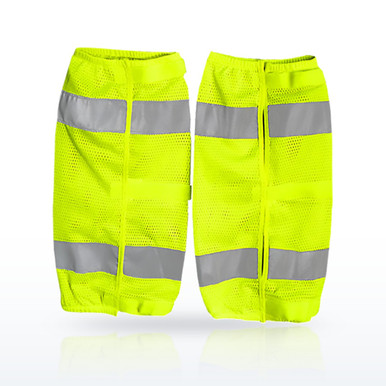
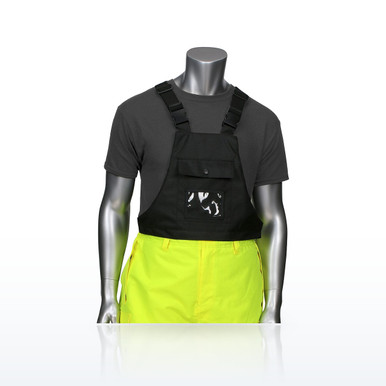
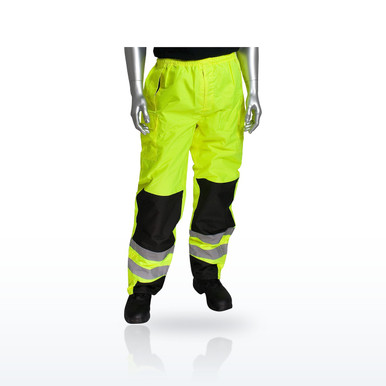
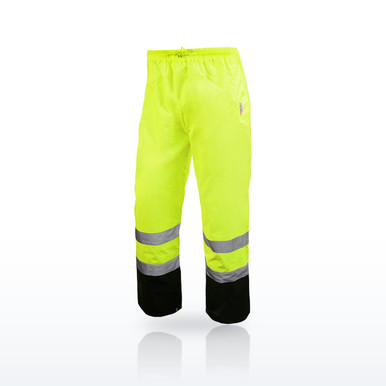
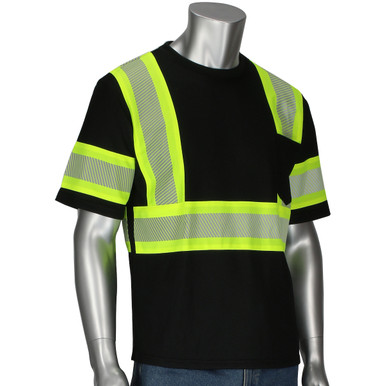
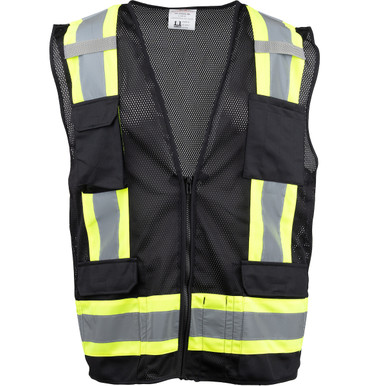
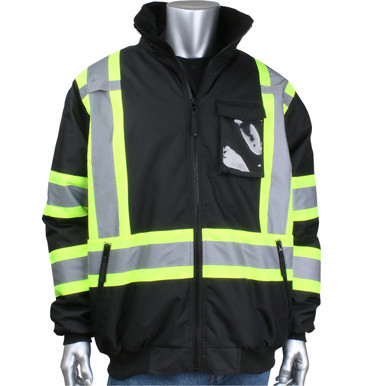
32 items · prices liveEach garment is listed at the ANSI/ISEA 107 type and class its manufacturer publishes; the edition and FR rating are on the product page. Free shipping on orders over $199.
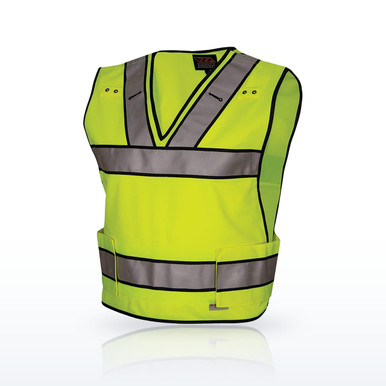
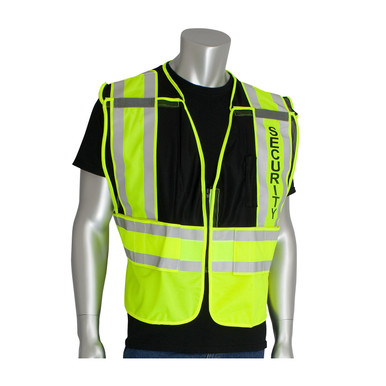
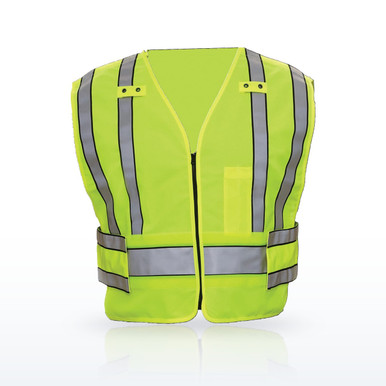
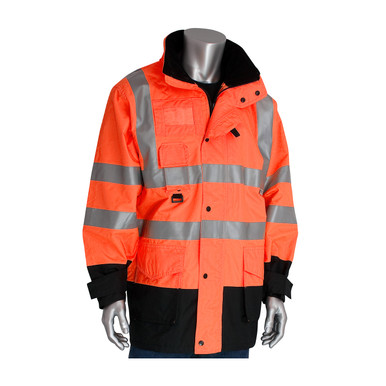
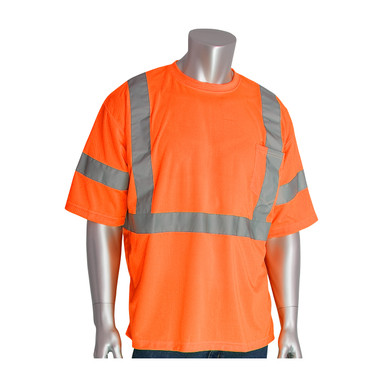
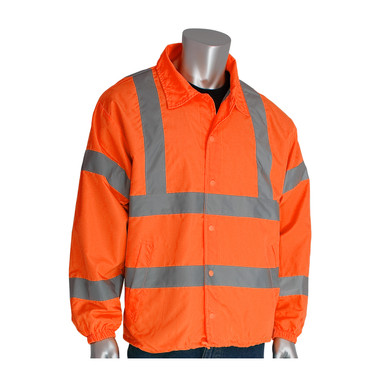
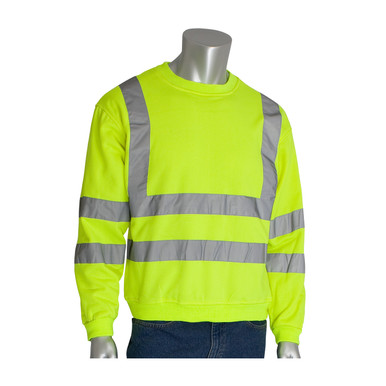
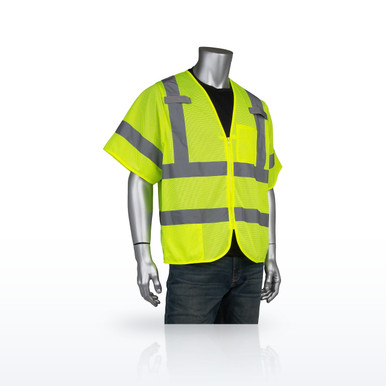
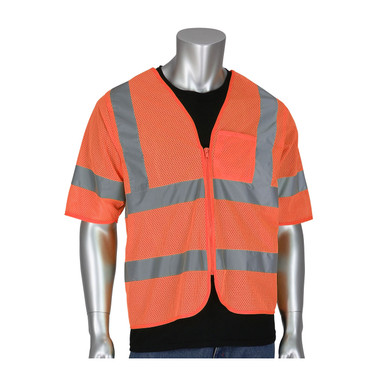
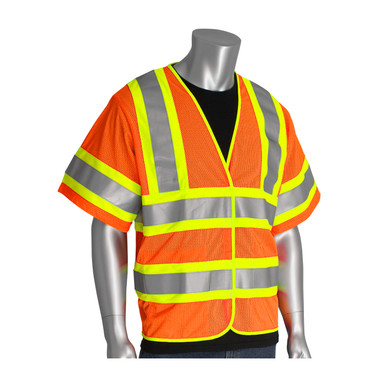
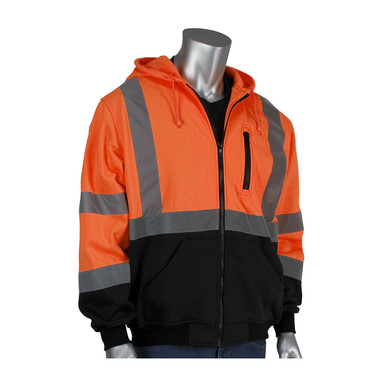
Every hi-vis garment we carry, filtered by type, class and style, is on the hi-vis finder.
Questions people ask
What is the difference between Class 2 and Class 3 safety vests?
Class 3 has more background and tape (1,240 and 310 square inches vs 775 and 201) and sleeves, so the wearer reads as a person from all sides at highway speed and at night. A sleeveless vest cannot be Class 3 on its own.
Does OSHA require Class 2 vests?
OSHA requires flaggers to wear high-visibility garments and cites struck-by hazards under the general duty clause. The numbered requirement, Class 2 or 3 for anyone working in the right-of-way of a road open to public travel, is the MUTCD (section 6C.05), which 1926.201 and 1926.6 incorporate for flaggers.
What is a Class 1 safety vest for?
Off-road (Type O) work away from public roads with slow vehicles: warehouses, lots, delivery. It has the least material and is not allowed for roadway work.
What does Class E mean on hi-vis pants?
Pants, shorts or bibs with the standard’s minimum material that, worn with a Class 2 or 3 top, make the outfit Class 3. Class E is not worn alone.
What is Type R vs Type O?
Type R is roadway and temporary traffic control garments (Class 2 or 3). Type O is off-road (Class 1 only). Type P is public safety (police, fire, EMS).
What color safety vest is best?
Yellow-green is the most visible in most conditions; orange-red is specified by some agencies for contrast with yellow-green equipment. Both are standard colors; blue, pink and others are not high-visibility under ANSI 107.
How many times can you wash a hi-vis vest?
As many as the label says the tape is rated for, commonly 25 for vests and 50 for shirts and jackets. After that, or when it fades or the tape cracks, replace it.
Is ANSI 107-2015 still valid?
Garments made to 2015 are still usable; the 2020 edition made modest changes (sizing and labeling updates, clarifications). Buy the current edition for new purchases.
Standards and ratings on this page are as published in the documents named and by the manufacturers named. The employer’s hazard assessment and written program decide what applies at a given workplace. Verify a rating on the product and its spec sheet before use.