
Arc flash and electrical hazard signs: what has to be on the label
Three documents put signs on electrical equipment. NFPA 70E requires an arc flash label on equipment likely to be worked on while energized, showing the nominal system voltage, the arc flash boundary, and at least one of: the incident energy and working distance, the minimum arc rating of clothing, or the site-specific PPE level. The National Electrical Code requires a general warning label on the same kinds of equipment, and on service and feeder equipment of 1,000 amps or more a label with the voltage, available fault current, clearing time and the date. OSHA requires warning signs at entrances to rooms with exposed live parts, a DANGER, HIGH VOLTAGE, KEEP OUT sign at entrances to installations over 600 volts, and signs, tags and barricades wherever needed to warn employees of electrical hazards.
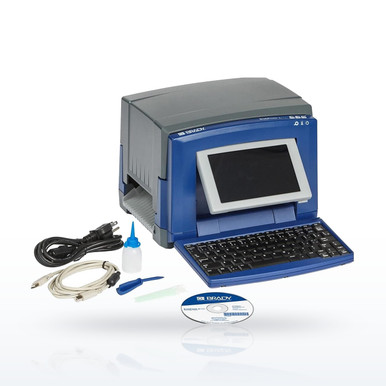 Brady S3100 sign and label printerPrints arc flash, safety and 5S labels up to 4 in wide on site, as described by Brady
Why is the label the thing that matters? An electrician opening a panel cannot see incident energy. The only way to know whether the job needs an 8 cal shirt or a 40 cal suit, and how far back everyone else has to stand, is the number an engineer calculated for that piece of equipment and printed on the door. The label is where the arc flash study meets the worker. Without it the PPE choice is a guess, and the study might as well not exist.
What has to be on an arc flash label?
NFPA 70E 130.5(H) sets the minimum content. Most labels on the market carry more.
What does the National Electrical Code require?
NEC 110.16(A) requires a general warning on switchboards, switchgear, enclosed panelboards, industrial control panels, meter socket enclosures and motor control centers in other than dwelling units that are likely to require examination, adjustment, servicing or maintenance while energized. The label warns qualified persons of potential arc flash and shock hazards; it does not carry the calculated numbers. NEC 110.16(B) goes further for service and feeder equipment rated 1,000 amps or more: the label must show the nominal system voltage, the available fault current, the clearing time of the upstream overcurrent device, and the date the label was applied. The NEC is the installation code the electrical inspector enforces; NFPA 70E is the work-practice standard the employer follows.
NEC (NFPA 70) 2023, 110.16(A) and (B), as summarized by Schneider Electric and label manufacturers; cited at section level. Confirm the NEC edition adopted by your jurisdiction.What does OSHA require?
- Entrances to rooms and other guarded locations containing exposed live parts must be marked with conspicuous warning signs forbidding unqualified persons to enter.
- Entrances to buildings, rooms or enclosures with exposed live parts or conductors over 600 volts must be kept locked unless under observation by a qualified person, and must have permanent, conspicuous warning signs reading substantially DANGER, HIGH VOLTAGE, KEEP OUT.
- Indoor installations over 600 volts that are accessible to other than qualified persons: metal-enclosed switchgear, unit substations, transformers, pull boxes and connection boxes must be marked with appropriate caution signs.
- Safety signs, safety symbols or accident prevention tags must be used where necessary to warn employees about electrical hazards that may endanger them, as required by 1910.145. That means Danger for an immediate threat of death or serious injury, Caution for a lesser hazard, and tags with a signal word and major message such as High Voltage.
- Barricades must be used with safety signs where needed to prevent or limit access to work areas with uninsulated energized conductors or circuit parts; conductive barricades may not be used where they could create a contact hazard. If signs and barricades are not enough, an attendant is stationed.
- Each disconnecting means for a service, feeder, branch circuit, motor or appliance must be legibly marked to indicate its purpose, with marking durable enough for the environment. Equipment must carry the manufacturer’s name and ratings.
How do you read the label to choose PPE?
Find the PPE statement. If it gives incident energy, the arc rating of everything worn over the chest and face must be at or above that number: 6.2 cal/cm² at 18 inches calls for clothing with an arc rating of at least 6.2, and the face protection the same. If it gives a PPE category, the category table sets the minimum arc rating: category 1 is 4 cal/cm², category 2 is 8, category 3 is 25, category 4 is 40, each with its listed face, head, hand and foot protection. Then find the arc flash boundary: everyone inside that distance while the equipment is being worked on energized wears the PPE, not just the person at the panel. The label gives the exposure; the garment label gives the rating; the rating must meet or exceed the exposure.
NFPA 70E-2024 130.5(H); Table 130.7(C)(15)(c) PPE categories and minimum arc ratings; 130.5(E) and 130.7(C)(1): arc-rated PPE for everyone within the arc flash boundary. Garment ratings as published by the manufacturers.What does a label have to be printed on?
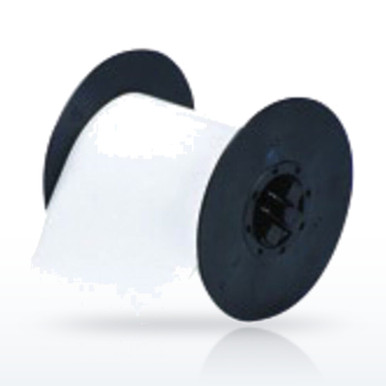
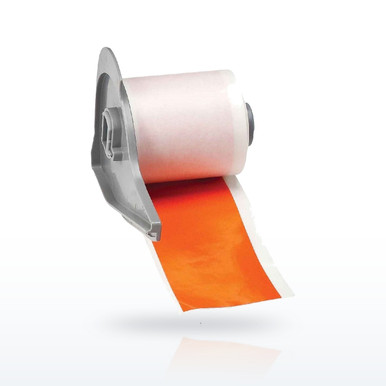
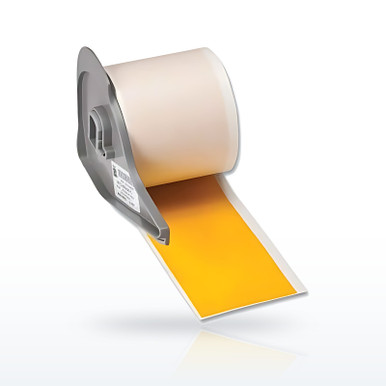
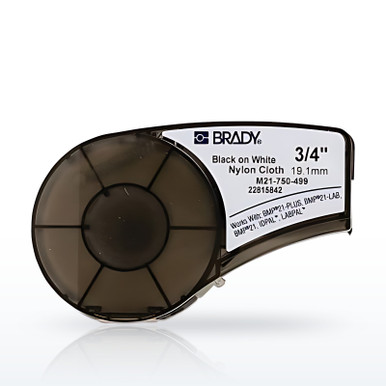
Neither standard names a material. The NEC requires its markings to be of sufficient durability to withstand the environment, and OSHA says the same of equipment markings. In practice an arc flash label lives on a painted steel door in a plant for 5 years, so the label stock is a vinyl or polyester with an aggressive adhesive, printed by thermal transfer so the numbers do not fade or smear. Label printers built for this take a template with the standard fields and print one label per piece of equipment from the study data; a facility printer does arc flash labels, pipe markers and safety signs on the same machine. Hand-written labels are allowed by the standards but rarely survive the review interval.
NEC 110.21(B) field-applied hazard markings, durability, cited at section level; 1910.303(e)(2) and (f)(3) durability of markings. Printer and label stock characteristics as published by Brady.Label printers and tapes, and arc-rated clothing by category
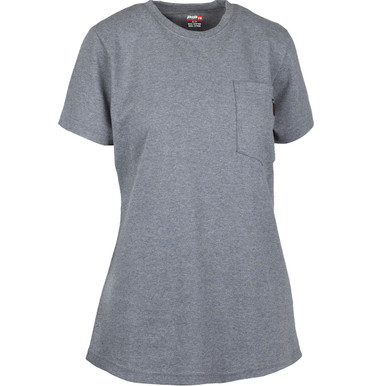
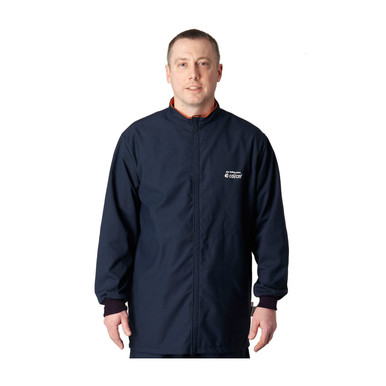
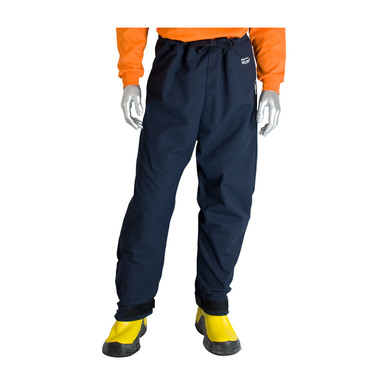
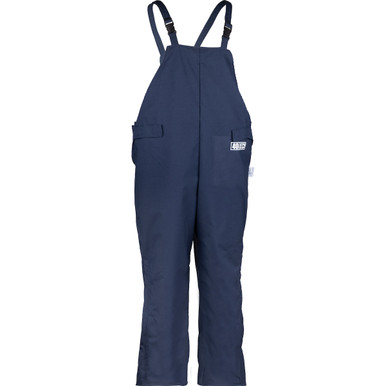
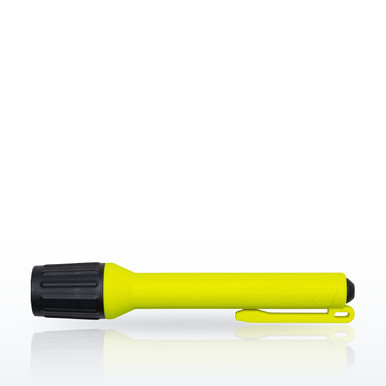
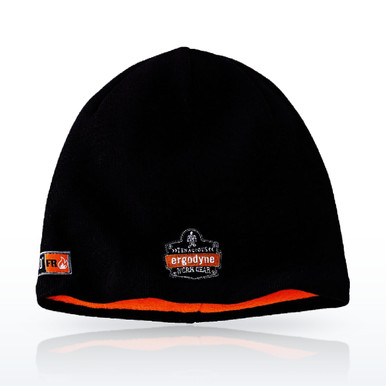
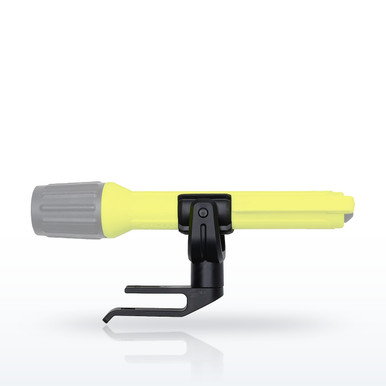
24 items · prices livePrinters and tapes are listed as described by their manufacturer, including which prints arc flash labels. Garments are listed at the arc rating (cal/cm²) their manufacturer publishes, grouped by the NFPA 70E category that rating meets; the required rating comes from the equipment label, not from this page. Free shipping on orders over $199.
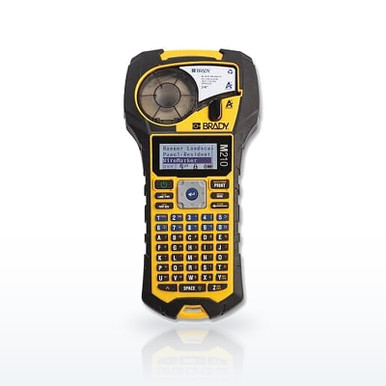
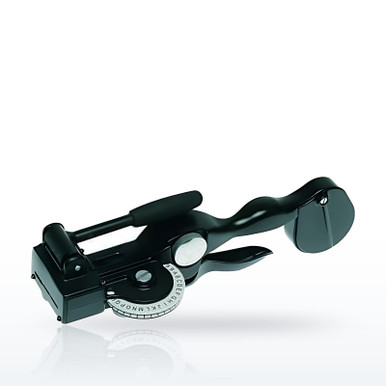
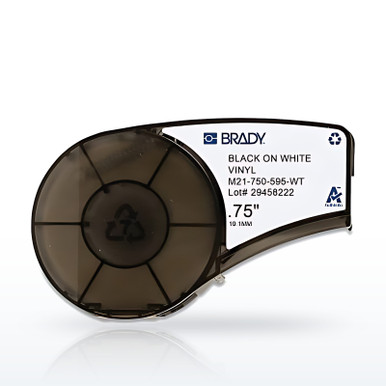
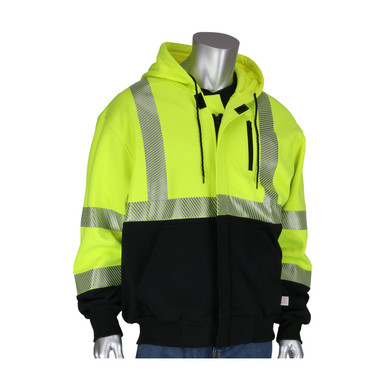
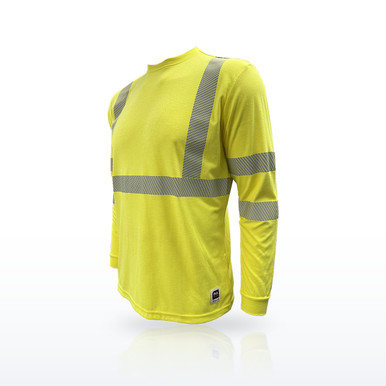
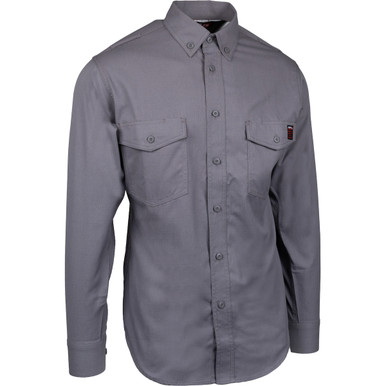
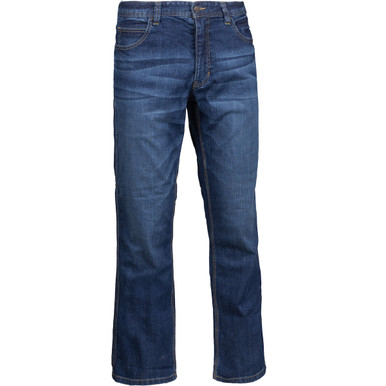



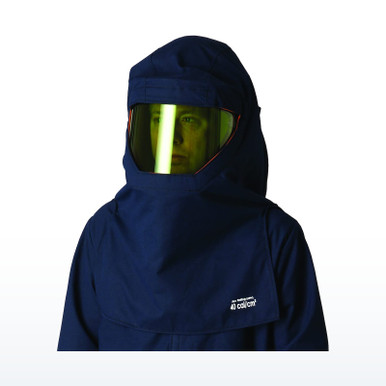
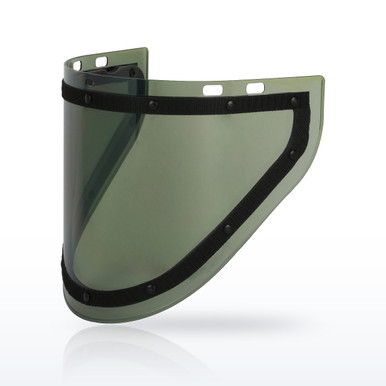
Face shields, hoods and gloves by category, and the full garment range, are in the arc flash finder.
Questions people ask
What is required on an arc flash label?
Under NFPA 70E 130.5(H): the nominal system voltage, the arc flash boundary, and at least one of the available incident energy with working distance, the minimum arc rating of clothing, or the site-specific PPE level.
Does OSHA require arc flash labels?
OSHA does not name the arc flash label. It requires signs and tags where necessary to warn of electrical hazards (1910.335(b)(1)), warning signs at entrances to rooms with exposed live parts (1910.303(g)(2)(iii)) and high-voltage entrance signs (1910.303(h)(5)(iii)). The NFPA 70E label is the industry’s way of meeting the hazard-warning and PPE-selection duties.
Who is responsible for the arc flash label?
The owner of the electrical equipment, for its documentation, installation and maintenance, under NFPA 70E 130.5(H).
How often must arc flash labels be updated?
When the arc flash risk assessment changes. NFPA 70E requires the assessment to be reviewed at intervals not exceeding 5 years and whenever a major modification or renovation changes the result. (NFPA 70E 130.5(G).)
What is the difference between the NEC 110.16 label and the NFPA 70E label?
The NEC label is a general warning applied at installation; for service and feeder equipment of 1,000 amps or more it also lists voltage, available fault current, clearing time and date. The NFPA 70E label carries the calculated arc flash boundary and the PPE statement from the study.
What sign goes on a high-voltage room?
Permanent, conspicuous signs reading substantially DANGER, HIGH VOLTAGE, KEEP OUT at every entrance to a building, room or enclosure with exposed parts over 600 volts, and the entrance kept locked unless a qualified person is watching it. (1910.303(h)(5)(iii).)
Can I print my own arc flash labels?
Yes. The standards set content and durability, not a supplier. Facility label printers print them from the study data on vinyl or polyester stock.
Standards and ratings on this page are as published in the documents named and by the manufacturers named. The employer’s hazard assessment and written program decide what applies at a given workplace. Verify a rating on the product and its spec sheet before use.