
Arc flash labels: what NFPA 70E and the NEC require on equipment
Two documents put labels on electrical equipment. The National Electrical Code (NEC 110.16) is the installation code: it requires a warning that an arc flash hazard exists on equipment likely to be worked on while energized, and, on service and feeder equipment rated 1,000 amperes or more, a label with the arc flash data and the date. NFPA 70E 130.5(H) is the workplace standard: once the employer has done an arc flash risk assessment, each piece of equipment likely to be worked on energized gets a label showing the nominal system voltage, the arc flash boundary, and either the incident energy at a working distance or the arc flash PPE category, the minimum arc rating of clothing, or a site-specific PPE level. The owner of the equipment is responsible for the label, and it is updated whenever the assessment changes.
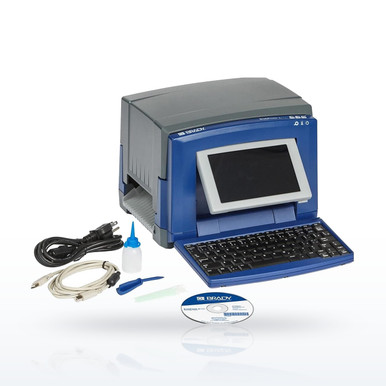 Brady S3100 sign and label printerPrints arc flash and electrical warning labels up to 4 inches wide, as described by Brady
Why are there two label rules? The NEC is written for the people who install equipment and the inspectors who approve it. Its label is a warning that the hazard exists, so that no one opens the door without knowing to look further. NFPA 70E is written for the employer whose people will open that door. Its label carries the numbers a qualified person needs on the spot: how far back the boundary is and how much heat an arc would deliver at the working distance, so the right arc-rated PPE can be chosen without going back to the study. A label that meets 130.5(H) satisfies the NEC warning as well; the reverse is not true.
What has to be on an NFPA 70E arc flash label?
The minimum content in 130.5(H), and the rules around it.
What does the NEC require in 110.16?
110.16(A), general. In other than dwelling units, electrical equipment likely to require examination, adjustment, servicing or maintenance while energized is field or factory marked to warn qualified persons of potential electric arc flash hazards. The marking goes where it is clearly visible before the equipment is examined or serviced. This is the generic "Warning: Arc Flash and Shock Hazard" label most manufacturers ship on new panels. It does not have to carry numbers.
NFPA 70 (NEC) 2023, 110.16(A); equipment list from the same paragraph.110.16(B), service and feeder equipment. In other than dwelling units, service equipment and feeder-supplied equipment rated 1,000 amperes or more gets a field- or factory-applied arc flash label that follows industry practice, carries the date it was applied, and complies with 110.21(B). The 2023 code lowered the threshold from 1,200 to 1,000 amperes, extended it from service equipment to feeder-supplied equipment, and replaced the earlier list (nominal voltage, available fault current, clearing time) with a label built on NFPA 70E 130.5(H). The informational note points to 70E for the content.
NFPA 70 (NEC) 2023, 110.16(B) and its informational note; change history from the 2017 and 2020 editions as published by the code commentary.110.21(B), field-applied hazard markings. A field-applied label must warn of the hazard with words or symbols, be permanently affixed and durable for the environment, and may not be handwritten unless the content is subject to change. In practice that means a printed vinyl or polyester label with an ANSI Z535 signal word, not a marker on tape.
NFPA 70 (NEC) 2023, 110.21(B)(1) through (3); ANSI Z535.4, Product Safety Signs and Labels.How do you read an arc flash label to choose PPE?
- Find the method. If the label shows incident energy in cal/cm² at a working distance, the clothing is selected from NFPA 70E Table 130.5(G). If it shows a PPE category, the clothing is selected from Table 130.7(C)(15)(c). A label is not allowed to show both.
- Match the rating. Every arc-rated layer that counts must have an arc rating at or above the incident energy, or at or above the category minimum: 4, 8, 25 or 40 cal/cm².
- Respect the working distance. The incident energy on the label is at the stated distance, usually 18 inches for low-voltage equipment. Hands and arms closer than that see more energy; the study may list a second figure.
- Check the boundary. Everyone inside the arc flash boundary distance wears the PPE, including a helper standing by.
- Then the shock side. The label may also carry the shock hazard: voltage, limited and restricted approach boundaries, and the rubber insulating glove class. That part comes from Table 130.4(E), not from the arc flash study.
- Check the date. A label dated more than 5 years back, or older than the last transformer or breaker change, needs the study reviewed before it is trusted.
Does OSHA require arc flash labels?
OSHA has no rule that says the words "arc flash label." Its general industry electrical rules require the employer to assess the workplace for electrical hazards, to provide electrical protective equipment appropriate to the hazard and the body part, and to provide eye or face protection where there is danger from electric arcs or flashes. For electric utilities, 1910.269(l)(8) requires an estimate of the incident heat energy each exposed employee faces and arc-rated clothing above 2.0 cal/cm². The NFPA 70E label is the way that estimate reaches the worker, and OSHA inspectors treat 70E as the recognized method. The NEC label is enforced by the electrical inspector, not OSHA.
29 CFR 1910.132(d)(1); 1910.335(a)(1)(i) and (a)(1)(v); 1910.269(l)(8)(ii) and (l)(8)(v); 1910.303(f) on marking disconnects.Label printers, tapes and arc-rated clothing
24 items · prices livePrinters and tapes are listed as the manufacturer describes them. Clothing shows the arc rating the manufacturer publishes, in cal/cm². Free shipping on orders over $199.
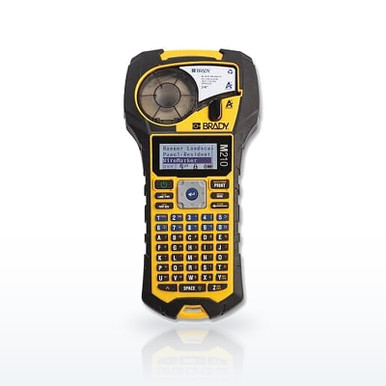
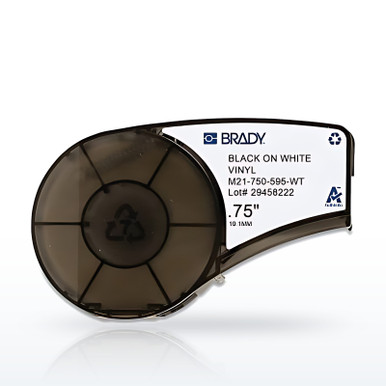
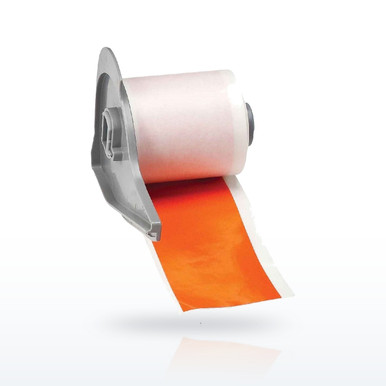
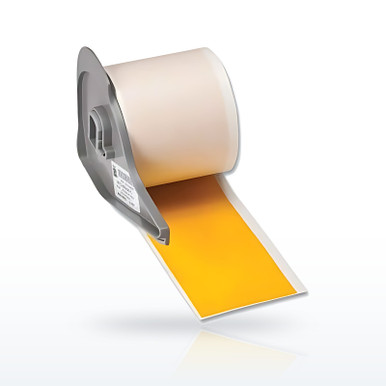
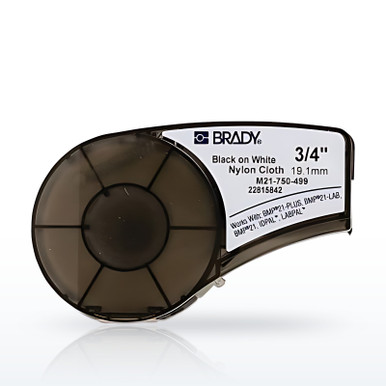
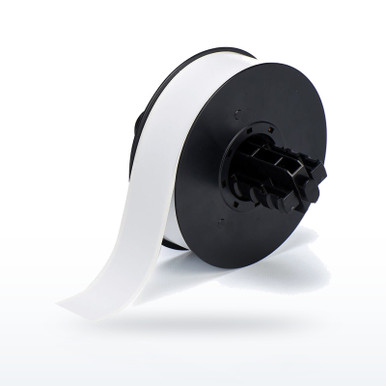
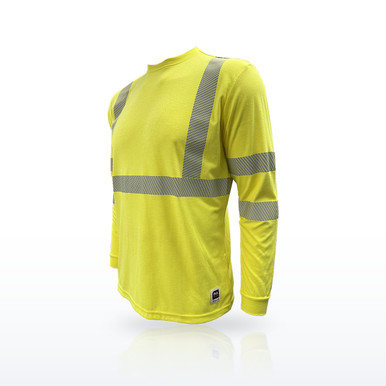
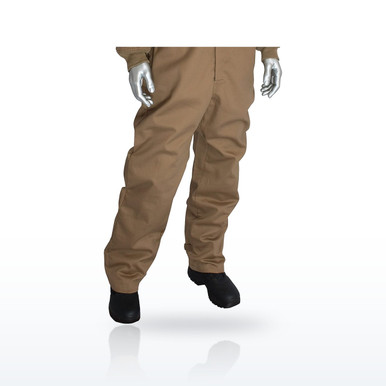
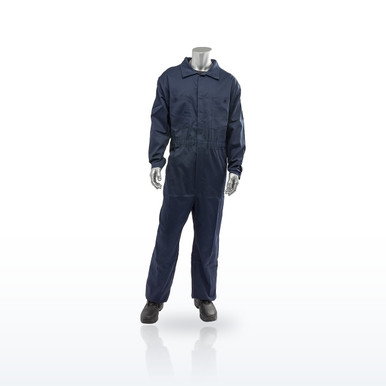
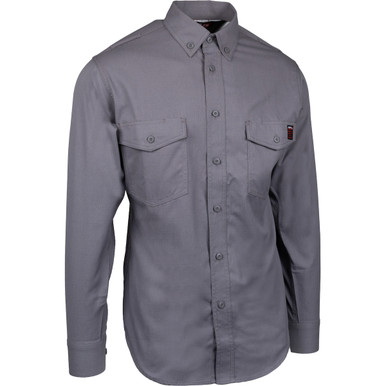
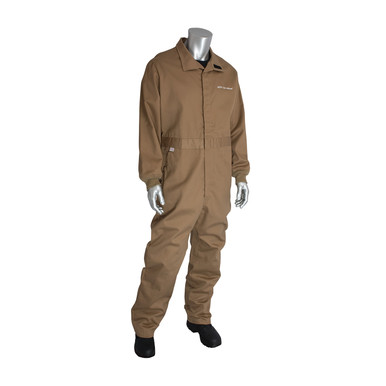
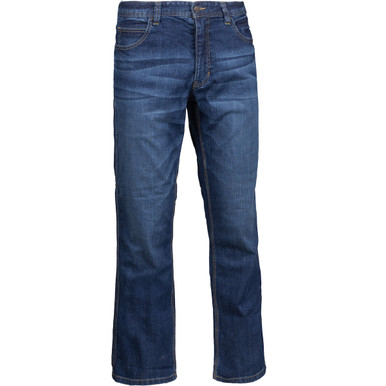
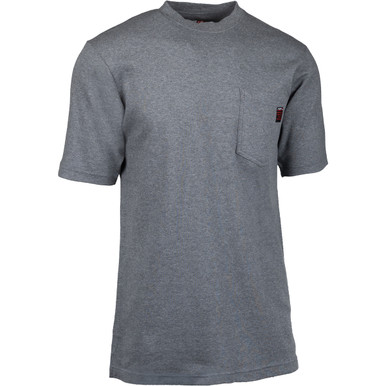
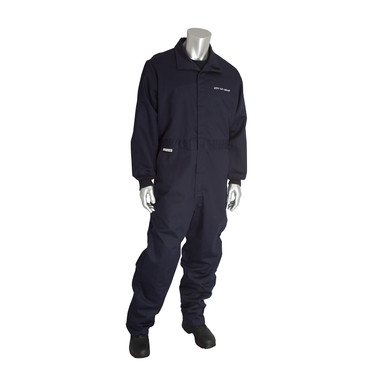
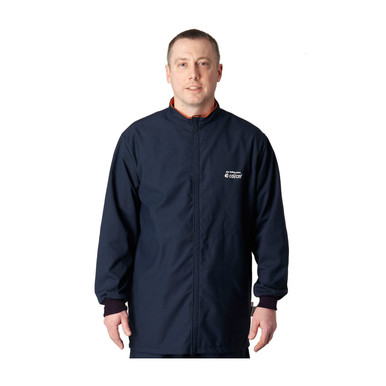
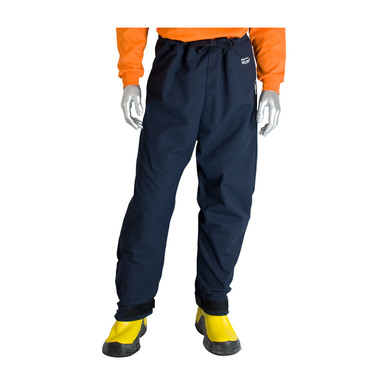
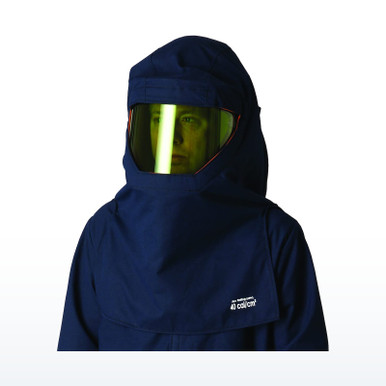
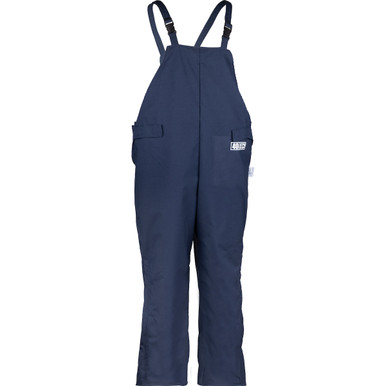
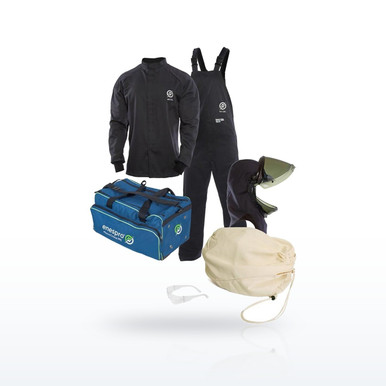
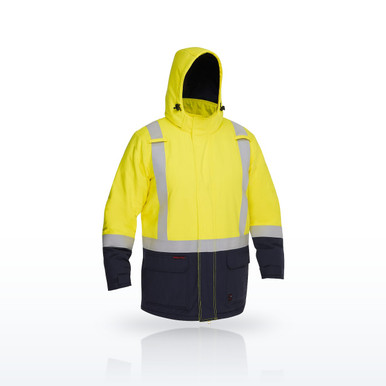
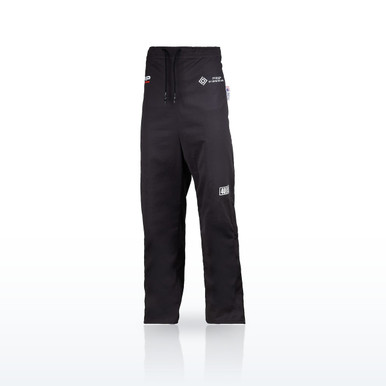
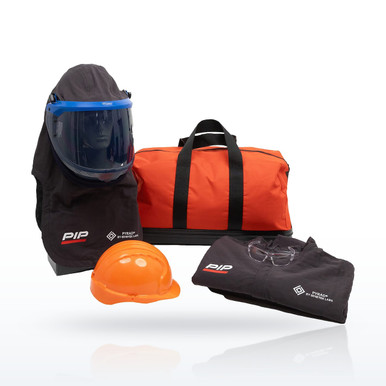
Arc flash and electrical hazard signs for rooms and doors are in the safety signs category.
Questions people ask
What information is required on an arc flash label?
Under NFPA 70E 130.5(H): nominal system voltage, the arc flash boundary, and one of incident energy with working distance, PPE category, minimum arc rating of clothing, or a site-specific PPE level. Under NEC 110.16(B), the label on 1,000-ampere service and feeder equipment must also carry the date.
Does every panel need an arc flash label?
Under 70E, every piece of equipment likely to be examined, adjusted, serviced or maintained while energized, which covers most panelboards, switchboards and motor control centers outside dwellings. Equipment that is never worked on energized is not required to carry one.
Who is responsible for the arc flash label?
The owner of the electrical equipment, for documenting, installing and maintaining it. (NFPA 70E 130.5(H).) In a leased building that duty is usually assigned by contract.
How often do arc flash labels need to be updated?
Whenever the arc flash risk assessment review finds a change that makes the label wrong. The review happens at intervals not exceeding 5 years and after any major modification or renovation.
Can a label show both incident energy and a PPE category?
No. 130.5(H)(3) allows the incident energy and working distance or the PPE category, not both, because the two methods are not mixed on one piece of equipment.
What is the difference between the NEC label and the NFPA 70E label?
The NEC 110.16(A) marking only warns that an arc flash hazard exists. The 70E label carries the voltage, boundary and energy or category from the risk assessment. NEC 110.16(B) borrows the 70E content for 1,000-ampere service and feeder equipment and adds a date.
Can I handwrite an arc flash label?
Not for the 110.16 label. NEC 110.21(B) requires field-applied hazard markings to be permanent and durable and not handwritten unless the content is subject to change. Printed vinyl or polyester labels are the norm.
Should the label say Warning or Danger?
NFPA 70E does not assign the signal word. Common practice follows ANSI Z535.4: Warning (orange) for most equipment and Danger (red) where the incident energy is above the 40 cal/cm² upper limit of the PPE tables. The site’s electrical safety program should pick one convention.
Related guides
What is the arc flash boundary?The 1.2 cal/cm² line and the arc flash study behind the labelNFPA 70E PPE categories 1 to 4What each category on the label requiresWhat is an arc flash?Causes, temperatures and the difference from arc blastWhat is a GHS label?The other label OSHA requires on the floorStandards and ratings on this page are as published in the documents named and by the manufacturers named. The employer’s hazard assessment and written program decide what applies at a given workplace. Verify a rating on the product and its spec sheet before use.