
Bump test vs calibration: what each does and how often
A bump test proves the monitor still works: you hit the sensors with a known gas and watch for the alarms. It takes under a minute and does not measure accuracy. A calibration check does the same thing but compares the reading to the number on the cylinder; it must land inside the manufacturer’s tolerance, usually 10 to 20 percent. A full calibration adjusts the sensor so its reading matches the cylinder exactly. OSHA’s bulletin and the ISEA statement say to bump test or calibration check before each day’s use. A full calibration is done on the interval in the manufacturer’s manual and immediately whenever a bump test or check fails. A monitor that fails calibration comes out of service.
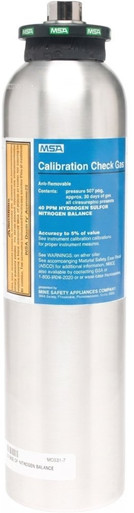
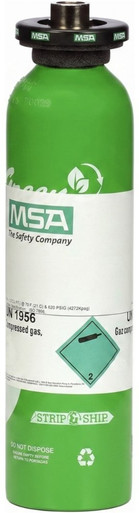
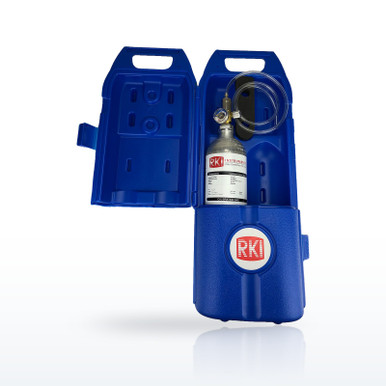
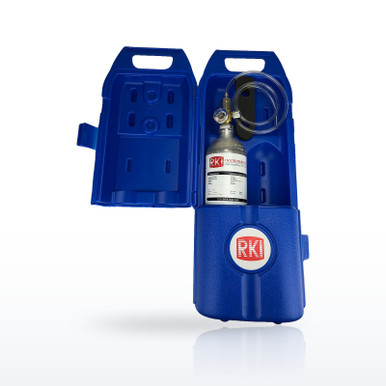
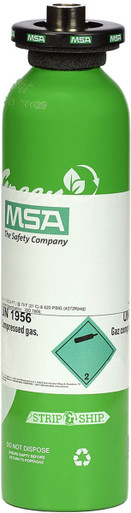 MSA 10045035 Calibration Gas & Kits, 20PPM Hydrogen Sulfide 60PPMFour-gas calibration mix for LEL, O2, H2S and CO monitors
Why test a monitor that has not been touched since yesterday? Because a gas sensor fails quietly. An electrochemical cell dries out, a catalytic LEL bead is poisoned by a whiff of silicone or a sulfide gas, a sensor opening is blocked by dirt or water, and the display still reads zero. Zero is what a dead sensor reads too. OSHA’s bulletin lists the ways sensors lose accuracy: normal chemical degradation and electronic drift, extreme temperature and humidity, exposure to high concentrations of the target gas, silicones, hydrides, halogenated hydrocarbons and sulfides on LEL sensors, solvent vapors and corrosive gases on toxic sensors, and the shock of being dropped or jostled. The only way to know the monitor will alarm is to make it alarm.
Bump test, calibration check, full calibration: what is the difference?
Three different procedures that people lump together as calibration. OSHA’s bulletin defines each.
How often should a gas detector be bump tested?
Before each day’s use. That is the ISEA position, which OSHA quotes in its bulletin: a bump test or calibration check of portable gas monitors should be conducted before each day’s use in accordance with the manufacturer’s instructions. OSHA adds that operators should do it daily or more often if needed, and should re-verify the monitor any time it has been dropped, exposed to a high concentration, or used in conditions that can knock a sensor off. A monitor used on two shifts gets tested before each.
OSHA SHIB, Calibrating and Testing Direct-Reading Portable Gas Monitors (ISEA statement quoted; daily or more frequently; validate operability after exposures); Draeger, bump testing guidance: visual inspection and function testing on each working day or prior to each shift.The bump test is not written into a numbered OSHA regulation. It comes in through the confined-space rule, which requires a calibrated direct-reading instrument, and through the general duty to provide working equipment. The bulletin is OSHA’s statement of how to meet that. In a citation or after an incident, the question is whether the monitor was shown to work that day, and the bump test record is the answer.
29 CFR 1910.146(c)(5)(ii)(C) and (d)(5) (calibrated direct-reading instrument); OSHA SHIB (advisory, employers should keep calibration records for the life of each instrument).How often should a gas detector be calibrated?
On the interval in the manual for that model. OSHA’s bulletin sets no number for full calibration; it says to follow the manufacturer’s guidelines, and to calibrate at once when a bump test or calibration check fails. Manufacturers publish intervals for each instrument, and they differ by brand, by model and by sensor; the manual, not a rule of thumb, is the authority. The daily bump test is what catches a sensor that drifts between calibrations.
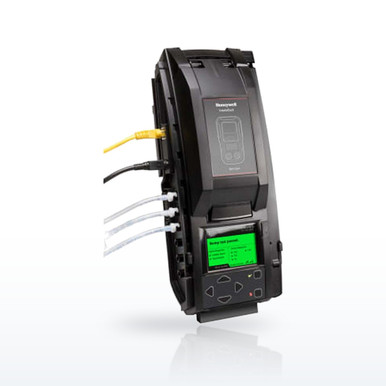
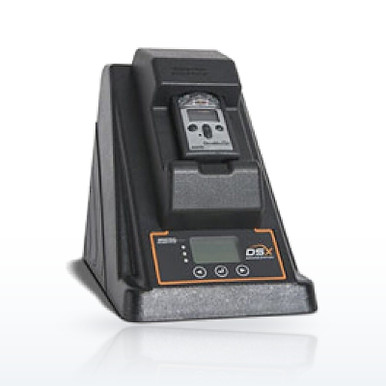
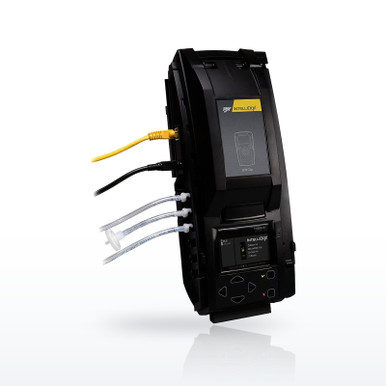
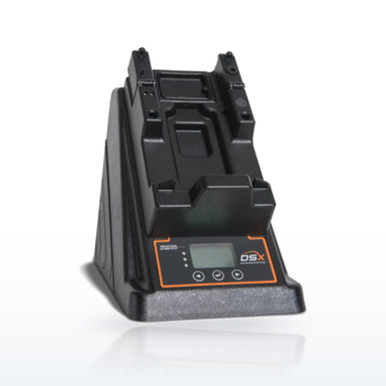
OSHA SHIB, Calibrating and Testing Direct-Reading Portable Gas Monitors (follow the manufacturer’s guidelines for proper calibration; full calibration after a failed check); manufacturer manuals for the model in use.Maintenance-free single-gas clips are the exception. Models such as the Honeywell BW Clip are sold for a fixed life of 2 or 3 years with no calibration, no sensor change and no charging; they are still bump tested before each day’s use, and the dock logs it. A monitor that logs its own bump tests, or a docking station that runs them automatically and keeps the record, is how most crews make the daily test happen.
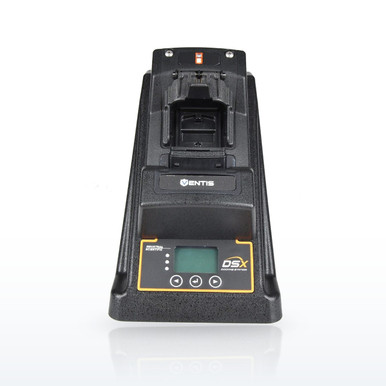
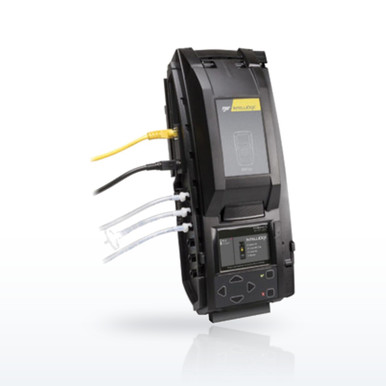
Honeywell BW Clip published product data (2-year and 3-year maintenance-free operation; logs recent gas events and bump tests); docking station product data (MSA GALAXY GX2, Honeywell IntelliDoX, Industrial Scientific DSX).What calibration gas do you use?
- Certified, traceable gas, before its expiration date. OSHA’s bulletin: only use a certified traceable test gas, certified against a standard traceable to the National Institute of Standards and Technology, and never after its expiration date. Check the certificate of analysis for the cylinder.
- The mix the manual names. A four-gas monitor is tested with a four-gas mix (a combustible gas for LEL, a reduced oxygen level, H2S and CO in a nitrogen balance); a single-gas H2S monitor with H2S in nitrogen. The LEL gas matters: a monitor calibrated on methane reads other gases differently.
- Reactive gases have short lives. H2S, chlorine and ammonia cylinders lose concentration over time, so their shelf life is shorter than inert mixes; the expiration date on the cylinder is the limit.
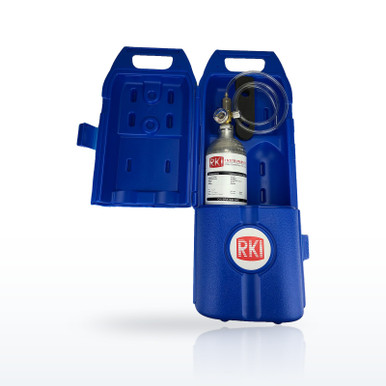
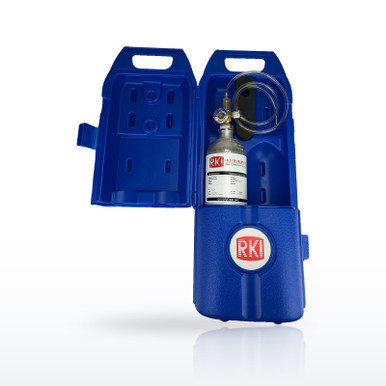
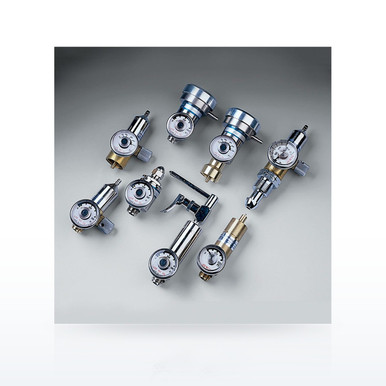
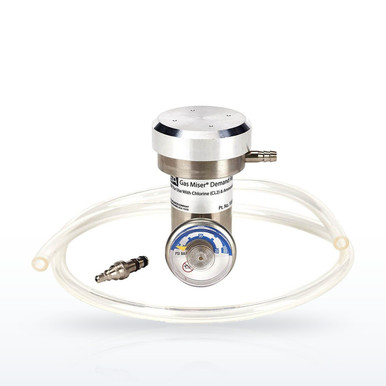
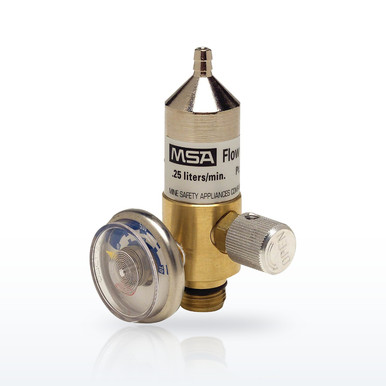
- The right regulator. Fixed-flow regulators (0.25, 0.5 and 1.0 liters per minute are the common ratings) feed a calibration cap on a diffusion monitor; demand-flow regulators are for pumped monitors, which draw what they need.
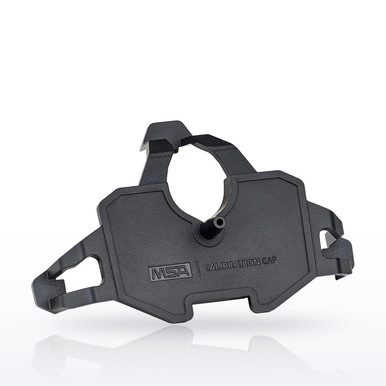
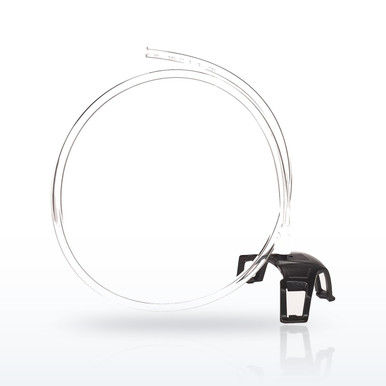
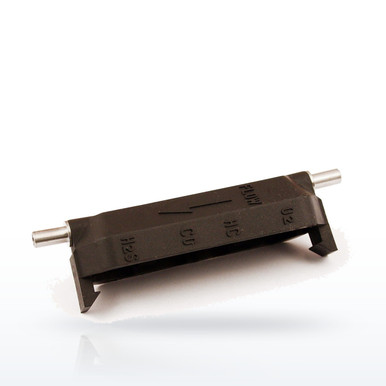
- The right adapter. Gas is applied through the calibration cap or tubing the manufacturer specifies, so the sensors see the full concentration rather than a leak-diluted one.
What does a bump test look like in practice?
- Turn the monitor on in clean air and let it zero. If it does not read zero (20.9 percent on oxygen) in clean air, that is the first fail.
- Fit the calibration cap and connect the regulator and gas. Use the cylinder and flow rate the manual names.
- Open the gas and watch each channel. Every sensor should rise and every alarm should fire: lights, horn and vibration. For a bump test, that is a pass. For a calibration check, each reading must also settle inside the tolerance.
- Close the gas, remove the cap, let the readings return to zero. A sensor that is slow to recover is a sensor to watch.
- Record it. Date, instrument serial number, gas lot, result. A dock does this automatically. OSHA’s bulletin says to keep calibration records for the life of each instrument.
- On any fail, full calibration before use. Two failed calibrations means the sensor is done: replace it or send the unit for service.
Calibration gas, regulators and docking stations
36 items · prices liveGas mixes and concentrations are as published by the manufacturer on each product page; match the cylinder to the monitor’s manual. Free shipping on orders over $199.
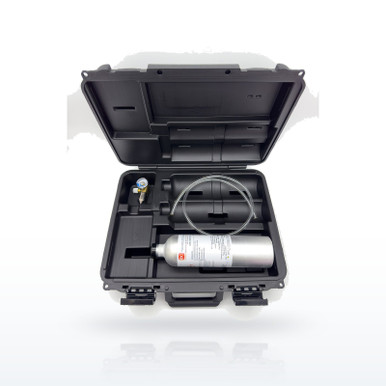
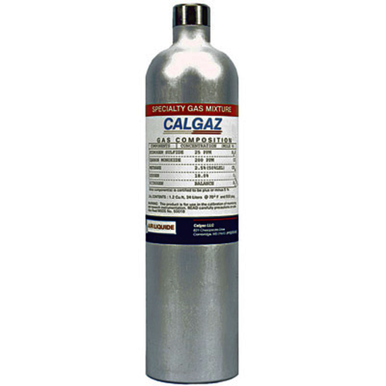
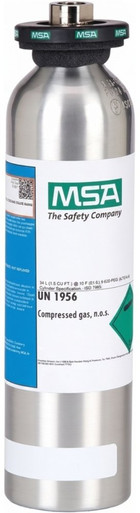
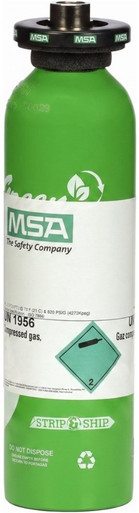
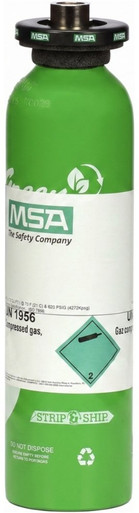
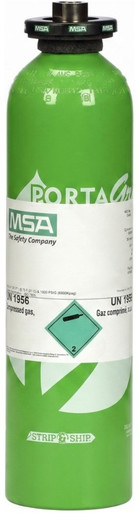
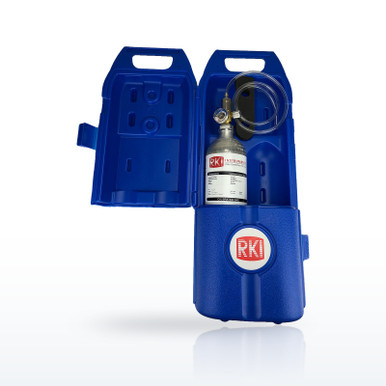
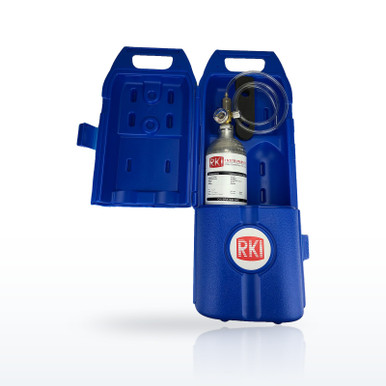
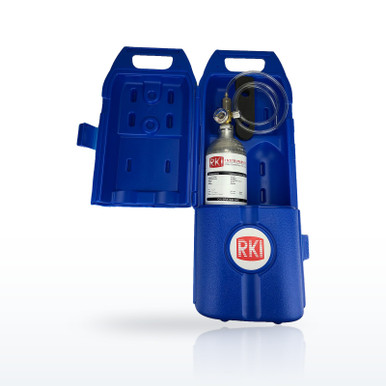
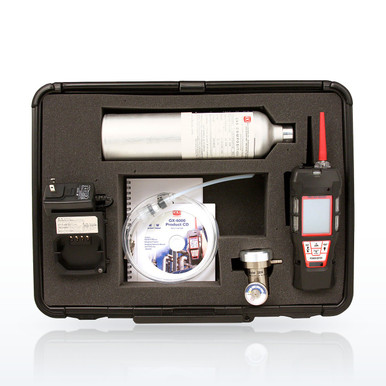
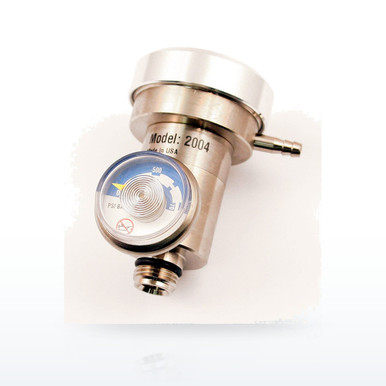

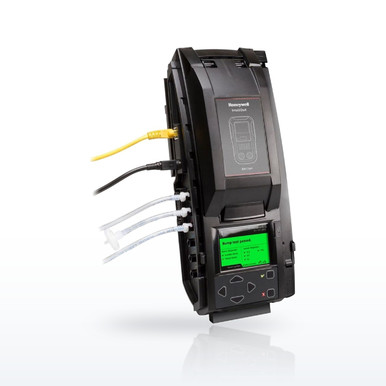
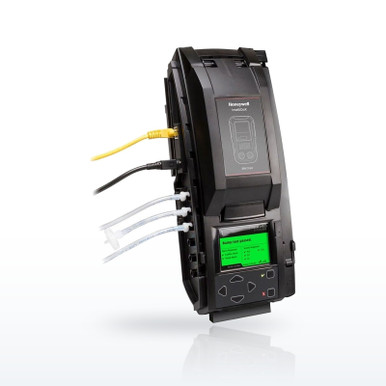
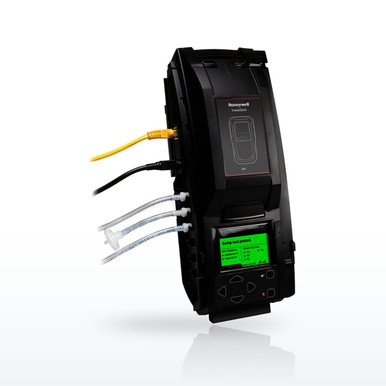

Calibration caps, hoses and replacement sensors for each monitor are in the gas detection finder.
Questions people ask
What is the difference between a bump test and calibration?
A bump test proves the sensors respond and the alarms fire; it does not measure accuracy. A calibration check compares the reading to the cylinder value. A full calibration adjusts the reading to match the cylinder.
How often should a gas detector be bump tested?
Before each day’s use, per the ISEA statement that OSHA’s bulletin adopts, and again after a drop or an exposure that could have damaged a sensor.
How often should a gas detector be calibrated?
On the interval in the manufacturer’s manual for that model, and immediately whenever a bump test or calibration check fails. OSHA sets no fixed number.
Does OSHA require bump testing?
Not by a numbered rule. The confined-space standard requires a calibrated direct-reading instrument, and OSHA’s bulletin says the way to know it is working is a bump test or calibration check before each day’s use.
What if my monitor fails a bump test?
Full calibration before it is used. If it fails calibration, take it out of service and replace the sensor or have it serviced.
Can I use expired calibration gas?
No. OSHA’s bulletin says never to use a test gas after its expiration date; reactive gases like H2S lose concentration and will calibrate the monitor low.
What gas do I use to bump test a 4-gas monitor?
The four-gas mix named in the manual, a combustible gas at a stated percent LEL with oxygen, H2S and CO in nitrogen, through the calibration cap at the stated flow.
Do maintenance-free monitors need bump testing?
Yes. A 2-year or 3-year clip needs no calibration or sensor change, but it is bump tested before each day’s use like any other monitor.
Standards and ratings on this page are as published in the documents named and by the manufacturers named. The employer’s hazard assessment and written program decide what applies at a given workplace. Verify a rating on the product and its spec sheet before use.