
What does a 4-gas monitor measure, and why those four?
A 4-gas monitor measures oxygen (as a percentage of air), combustible gas (as a percentage of the lower explosive limit), hydrogen sulfide (ppm) and carbon monoxide (ppm). Those four are the atmosphere OSHA’s confined-space standard tells you to test for, in that order: oxygen first, then flammables, then toxics, and H2S and CO are the two toxic gases met most often in tanks, sewers, pits and vaults. A reading outside 19.5 to 23.5 percent oxygen, above 10 percent LEL, or above the exposure limit for either toxic gas makes the atmosphere hazardous under the rule, and the monitor’s alarms are set at those lines.
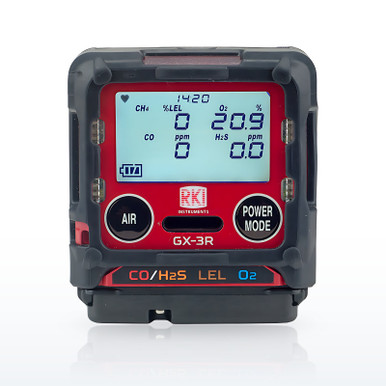
Why not more gases, or fewer? Four is the set that covers the standard’s definition of a hazardous atmosphere with the two toxics that are actually common. Monitors with five or six sensors exist for a fifth hazard the site knows about: sulfur dioxide at a refinery, ammonia in a cold-storage plant, carbon dioxide in a brewery, a PID for solvent vapors. A single-gas monitor is for a worker whose only hazard is one gas, a CO clip for a forklift driver. The 4-gas is the general-purpose instrument because the first three hazards are present in any enclosed space, and the fourth is in most of them.
What does each sensor measure, and what are the lines?
The four readings and where the alarms sit.
Why does the standard say to test in that order?
Oxygen first because the combustible sensor needs oxygen to work: a catalytic LEL sensor burns the gas on a hot bead, and in an oxygen-poor space it reads low or not at all, so a flammable reading is only trustworthy once the oxygen reading is known. Flammables second because an explosive atmosphere is the hazard that kills everyone in and around the space at once. Toxics third. The instrument reads all four at the same time; the order is about which number you believe first and which decides entry.
29 CFR 1910.146(d)(5)(iii) (test order: oxygen, combustible gases and vapors, toxic gases and vapors); manufacturer sensor documentation on catalytic-bead oxygen dependence.Diffusion or pump?
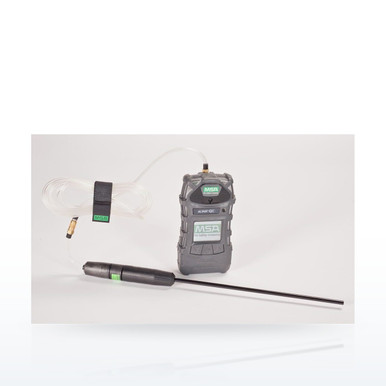
A diffusion monitor reads the air that reaches it: worn on the chest or collar, it protects the wearer. A pumped (sample-draw) monitor pulls air through a hose, so the space can be tested from outside before anyone enters, at the top, middle and bottom, because the standard requires testing before entry and gases layer by weight. Most sites need both: a pump unit for the entry test and the attendant, diffusion units on the entrants. Several models accept a slip-on pump that converts a diffusion unit for the pre-entry check.
29 CFR 1910.146(d)(5)(i) and (c)(5)(ii)(C) (test before entry with a calibrated direct-reading instrument); manufacturer product data.What is a bump test, and when do you calibrate?
- Bump test: expose the monitor to a known gas before each day’s use and confirm every sensor responds and alarms. It proves the sensors are alive and the alarms work; it does not adjust anything.
- Calibration: expose it to a certified gas of known concentration and adjust the reading to match. On the manufacturer’s schedule, typically every 30 to 180 days, and whenever a bump test fails.
- Zero in clean air before each use; a monitor zeroed in a contaminated area will read low all day.
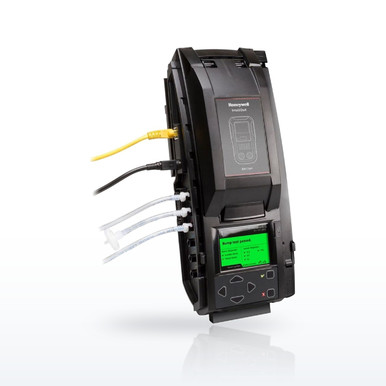
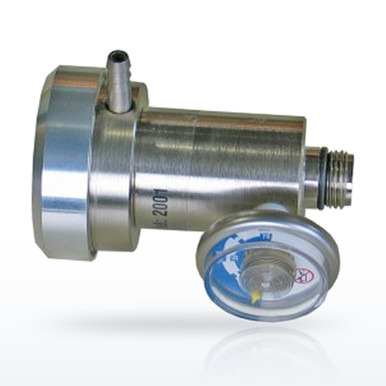
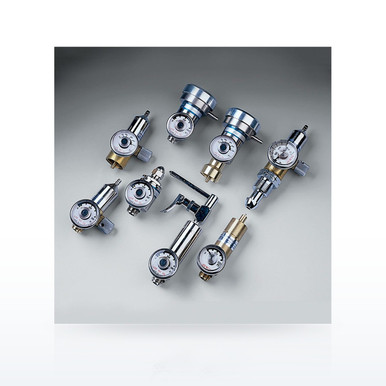
- The gas cylinder is a 4-gas mix matched to the sensors (for example 50 percent LEL methane, 18 percent O2, 25 ppm H2S, 100 ppm CO, the balance nitrogen); a docking station automates both tests and keeps the record.
- ISEA’s position, adopted in most programs: bump or calibrate before each day’s use.
4-gas detectors, pumps, docks and calibration gas
20 items · prices liveSensor set, sample method and battery are as published by the manufacturer on each product page. Free shipping on orders over $199.
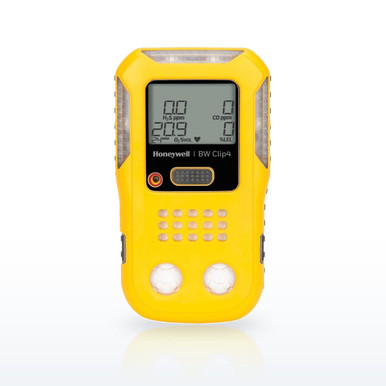
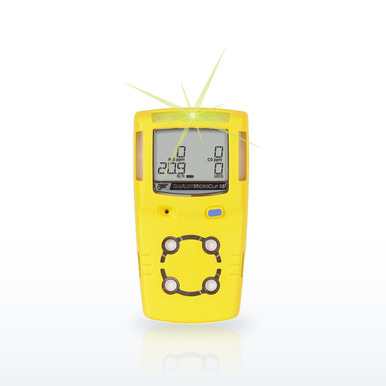
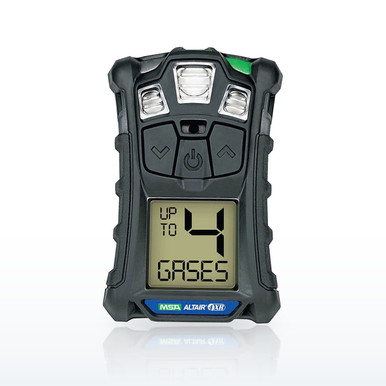
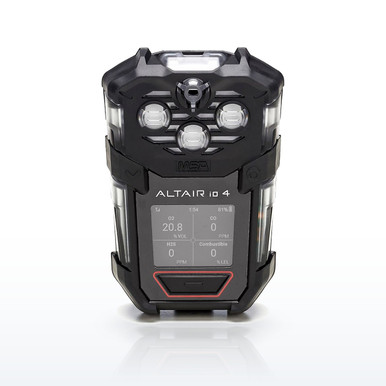
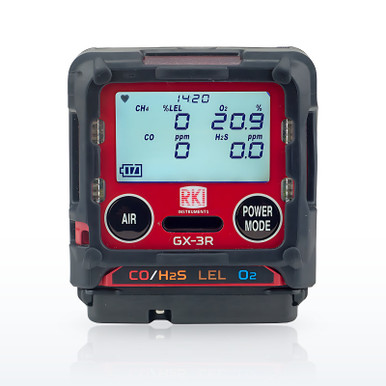
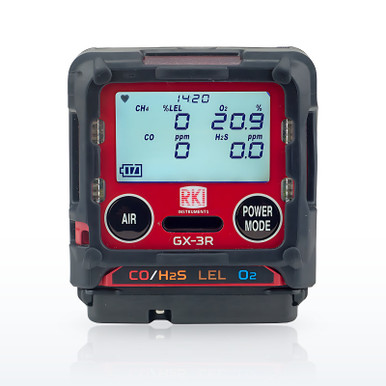

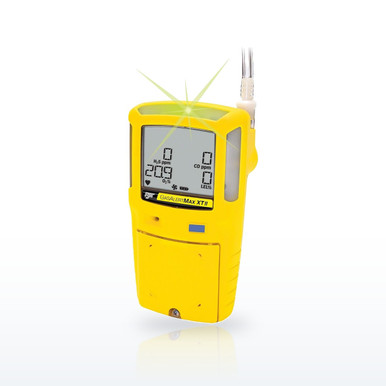
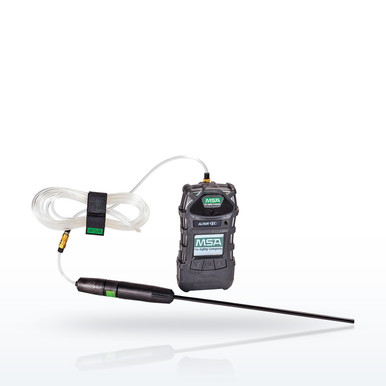
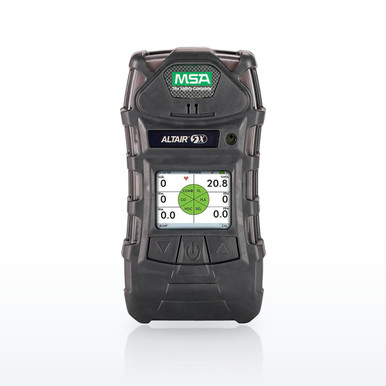
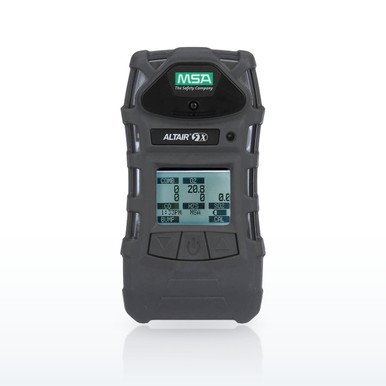
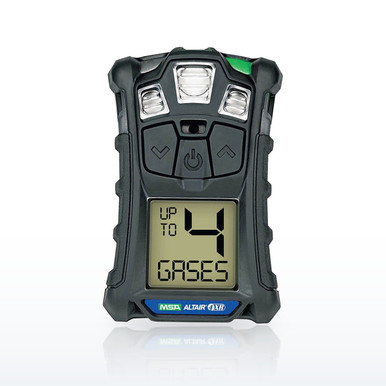
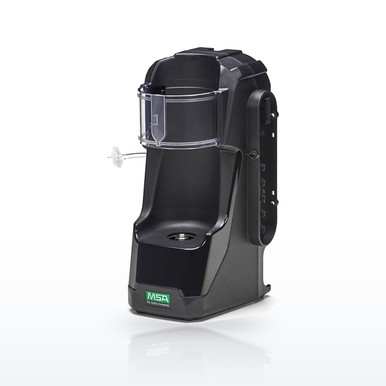
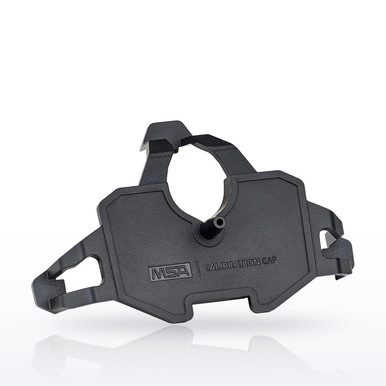
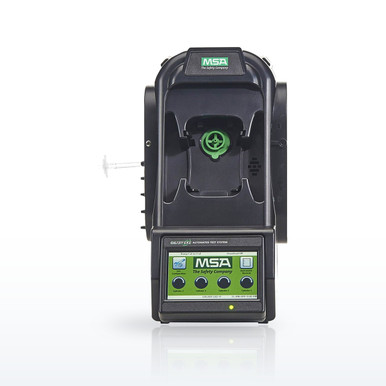
Five and six-gas units, single-gas clips and replacement sensors are in the gas detection finder.
Questions people ask
What are the 4 gases in a 4-gas monitor?
Oxygen, combustible gas (percent LEL), hydrogen sulfide and carbon monoxide.
Why those four gases?
They are the OSHA confined-space definition of a hazardous atmosphere: oxygen outside 19.5 to 23.5 percent, flammables above 10 percent LEL, and toxics above their limits, with H2S and CO the two toxics most often found.
What oxygen level is safe to enter?
19.5 to 23.5 percent under 1910.146. Normal air is 20.9.
What does 10 percent LEL mean?
The combustible gas is at one tenth of the concentration that could ignite. The standard treats that as hazardous; the alarm sits there to give margin.
What are the alarm set points on a 4-gas monitor?
Manufacturer defaults are commonly O2 19.5 and 23.5 percent, LEL 10 and 20 percent, H2S 10 and 15 ppm, CO 35 and 200 ppm; the employer sets them to its program.
How often does a 4-gas monitor need calibration?
On the manufacturer’s schedule, typically 30 to 180 days, and whenever a bump test fails. Bump test before each day’s use.
Do I need a pump?
To test a space from outside before entry, yes: the standard requires testing before entry at each level. Diffusion units protect the people inside.
How long do the sensors last?
Electrochemical H2S and CO sensors and catalytic LEL sensors run about two to three years; oxygen sensors one to two years on older designs, longer on lead-free types. The monitor reports a failed sensor.
Standards and ratings on this page are as published in the documents named and by the manufacturers named. The employer’s hazard assessment and written program decide what applies at a given workplace. Verify a rating on the product and its spec sheet before use.