
What is a confined space? The OSHA definition, and what makes one permit-required
OSHA’s definition has three parts, and a space has to meet all three: it is large enough for a worker to enter and do work, it has limited or restricted ways in and out, and it is not designed for someone to stay in. A manhole, a tank, a pit, a silo, a crawl space, a large duct. It becomes a permit-required confined space when it also has, or could have, one of four hazards: a dangerous atmosphere, material that could engulf the worker, walls or a floor that slope inward and could trap them, or any other serious safety hazard. Permit spaces need testing, a permit, an attendant and a rescue plan before anyone goes in.
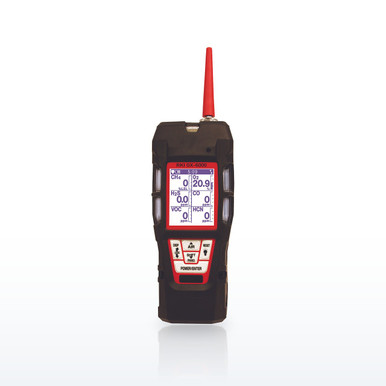
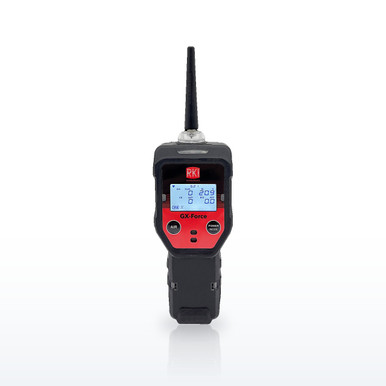
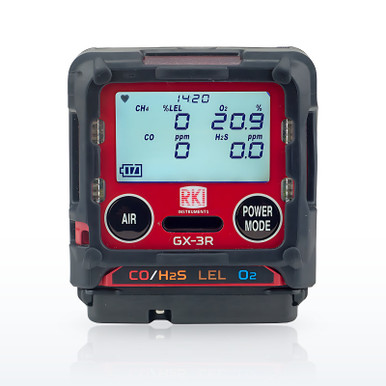 RKI Instruments 72-RA-C-56 Multi-Gas Detectors, GX-3R 4-Gas Monitor LEL/O2/H2S/COFour-gas monitor: oxygen, combustibles, H2S and CO, the confined-space set
Why does the definition matter? Because the word “confined” makes people think of size, and size is not the test. A 40-foot tank is a confined space; a closet is not. What kills in confined spaces is air you cannot see and a way out you cannot use in a hurry: low oxygen, hydrogen sulfide, carbon monoxide, grain that flows like water. OSHA attributes most confined-space deaths to the atmosphere, and about 60 percent of the people who die are rescuers who went in without testing or air.
What makes a space a confined space?
All three must be true. Miss one and it is not a confined space, whatever it looks like.
What makes it a permit-required confined space?
- A hazardous atmosphere, or the potential for one: oxygen below 19.5 or above 23.5 percent, a flammable gas above 10 percent of its lower explosive limit, a toxic gas above its exposure limit, or combustible dust at a concentration that obscures vision at 5 feet.
- Material that could engulf the entrant: grain, sand, sawdust, liquid, anything that flows.
- An internal configuration that could trap or asphyxiate: inward-sloping walls, a floor that tapers to a smaller cross-section.
- Any other recognized serious safety or health hazard: unguarded machinery, exposed live parts, extreme heat, a fall hazard inside.
What does the employer have to do first?
Evaluate the workplace to find out whether any spaces are permit-required. If there are, either keep employees out of them entirely, with signs at each one that say danger, permit-required confined space, do not enter, or set up a written permit space program before anyone enters. The program covers the permit, testing, ventilation, equipment, the attendant, rescue and training.
29 CFR 1910.146(c)(1) through (c)(4); (d) permit-required confined space program.What happens before and during a permit entry?
- Isolate the space. Lock out equipment, blank or blind lines, disconnect what could move or flow in.
- Test the atmosphere from outside. With a calibrated monitor, in this order: oxygen first, then combustibles, then toxics. Test at the top, middle and bottom, because gases stratify. Readings go on the permit.
- Ventilate. Force fresh air in until readings are acceptable, and keep ventilating during entry if the hazard can return.
- Write the permit. The entry supervisor fills it out: the space, the purpose, the date and duration, the entrants, the attendant, the hazards, the test results, the rescue service and how to reach it, the equipment. The supervisor signs it and it is posted at the entry.
- Station the attendant. One person outside the space whose only job is to track the entrants, monitor conditions, keep unauthorized people out, and call for rescue. The attendant never enters.
- Monitor continuously. A monitor stays on the entrant, or the attendant samples the space continuously, with an alarm set at the limits. Any alarm means everyone out.
- Have rescue ready. Non-entry retrieval (harness and line to a winch outside) unless it would add risk; a rescue service that can respond in time, with the equipment to do it.
- Close the permit. When the work is done or a hazard appears, entrants exit, the supervisor cancels the permit, and it is kept for a year for the annual review.
What equipment does 1910.146 require?
- Testing and monitoring equipment: a calibrated multi-gas monitor for oxygen, combustibles and the toxics expected.
- Ventilating equipment: a blower and duct.
- Communications equipment between the attendant and the entrants.
- Personal protective equipment where other controls do not eliminate the hazard, including respirators.
- Lighting, barriers and shields to keep others out and to protect the entrants.
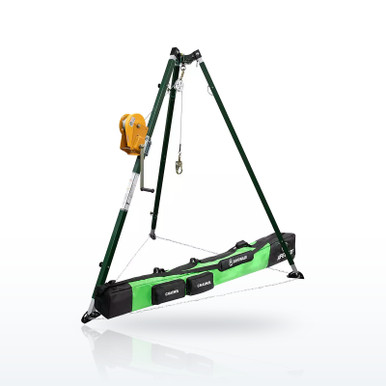
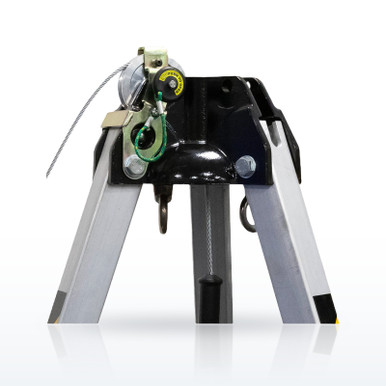
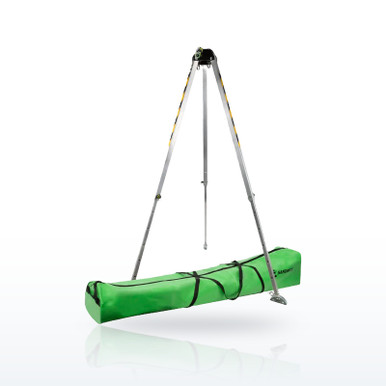
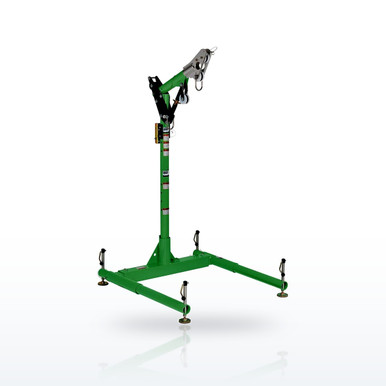
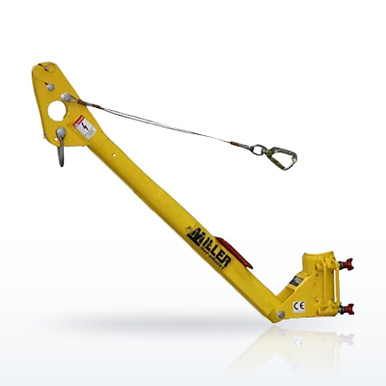
- Equipment for safe entry and exit: a ladder, and for vertical entries over 5 feet a tripod or davit with a winch.
- Rescue and emergency equipment, including a retrieval system and the harness to connect to it.
What about construction?
Construction has its own standard, 1926 Subpart AA, with the same definitions and the same basic program, plus duties for the controlling contractor and the host employer to share what they know about the spaces, and a requirement for continuous atmospheric monitoring where the monitor allows it. A sewer line on a street job is a permit space for the contractor just as it is for the utility.
29 CFR 1926.1201 through 1926.1213; 1926.1203(h) (information exchange); 1926.1204(e) (continuous monitoring).When can a permit space be entered under alternate procedures?
If the only hazard is the atmosphere and the employer can show that continuous forced-air ventilation alone keeps it safe, the space can be entered under the alternate procedures in 1910.146(c)(5): test before entry and periodically during it, ventilate continuously, keep a monitor on, and certify the conditions in writing. No attendant or full permit is required, but if the atmosphere ever fails the test, everyone leaves and the space is re-evaluated. If any hazard can be eliminated entirely, the space can be reclassified as non-permit for as long as the hazard stays eliminated.
29 CFR 1910.146(c)(5) alternate procedures; (c)(7) reclassification.Gas monitors and retrieval equipment for confined space entry
21 items · prices liveMonitors are listed with the gases their manufacturer specifies; retrieval equipment is rated by its manufacturer for confined-space use. Free shipping on orders over $199.
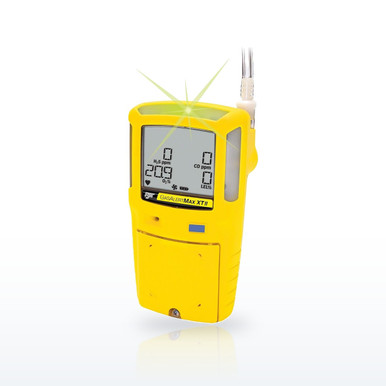
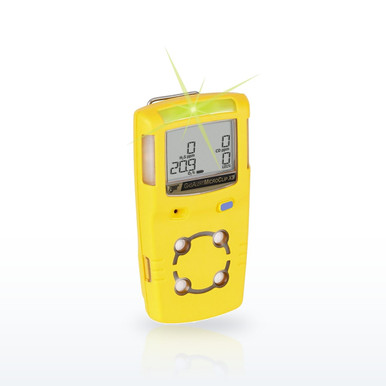
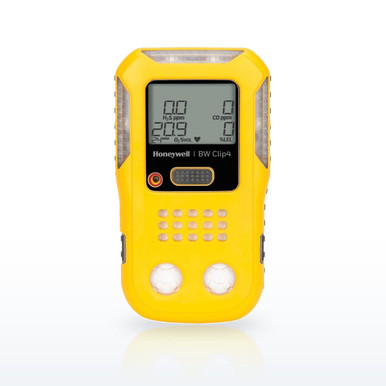
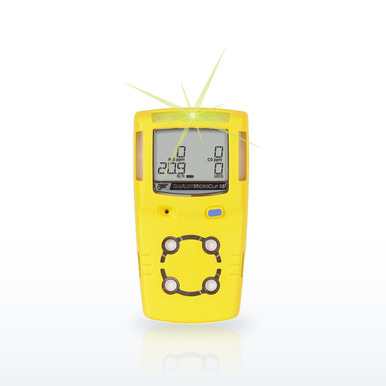
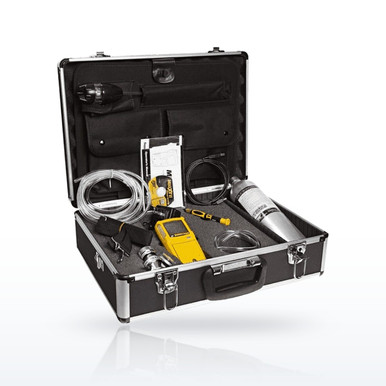
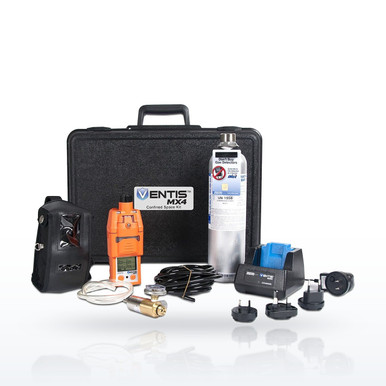
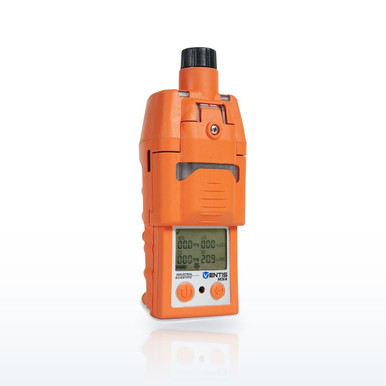
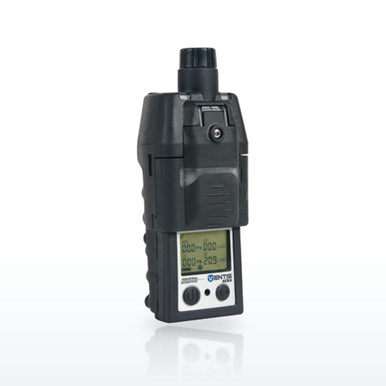
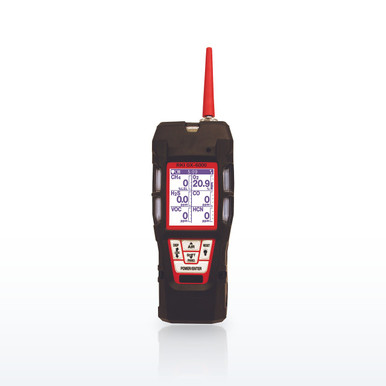
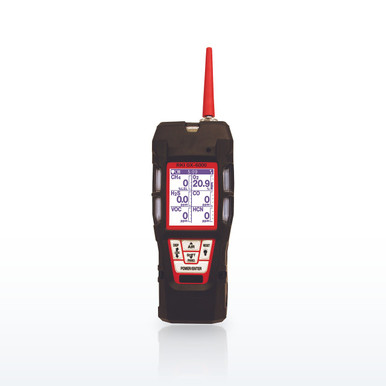
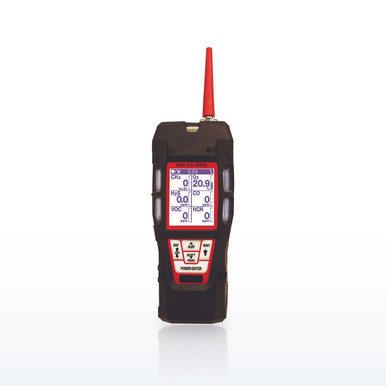
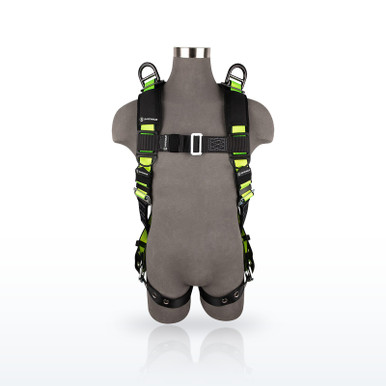
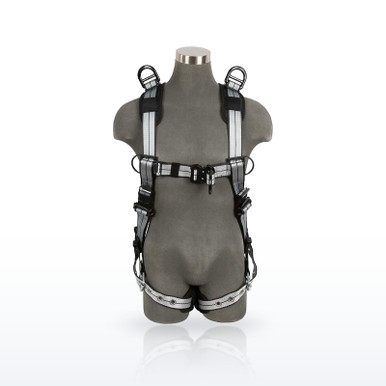
Blowers, ventilation duct, harnesses with retrieval D-rings and every monitor we carry are on the gas detection and fall protection finders.
Questions people ask
What is considered a confined space?
A space big enough to enter and work in, with limited ways in or out, not designed for people to occupy. All three must be true. (1910.146(b).)
What is the difference between a confined space and a permit-required confined space?
A permit space is a confined space that also has, or could have, a hazardous atmosphere, an engulfment hazard, an inward-sloping or tapering shape that could trap someone, or another serious hazard. Permit spaces need the full program before entry.
What are the four characteristics of a permit-required confined space?
Hazardous atmosphere; engulfment; internal configuration that could trap or asphyxiate; any other recognized serious hazard. Any one of them makes it a permit space.
What is a safe oxygen level in a confined space?
Between 19.5 and 23.5 percent. Below 19.5 is oxygen-deficient; above 23.5 is oxygen-enriched and a fire hazard. (1910.146(b).)
Who must sign a confined space entry permit?
The entry supervisor, who verifies the tests and preparations and authorizes the entry. (1910.146(e)(2) and (j).)
Do you need a permit for every confined space?
No. A confined space with none of the four hazards is a non-permit space and can be entered without the permit program, though the employer must still have evaluated it to know that.
What kills people in confined spaces?
Mostly the atmosphere: low oxygen, hydrogen sulfide and carbon monoxide; then engulfment. About 60 percent of the dead are would-be rescuers, which is why the standard requires non-entry retrieval and a trained rescue service.
Is a trench a confined space?
Usually not; open trenches are covered by the excavation standard. A deep trench with a cover, or one with a hazardous atmosphere, can meet the definition and is treated as a confined space.
Standards and ratings on this page are as published in the documents named and by the manufacturers named. The employer’s hazard assessment and written program decide what applies at a given workplace. Verify a rating on the product and its spec sheet before use.