
Cal/OSHA heat illness prevention: what section 3395 requires for outdoor work
Section 3395 is California’s outdoor heat illness standard, and it is specific where federal OSHA is not. Every outdoor employer must provide fresh, cool drinking water free of charge, close to the work, in enough quantity for 1 quart per employee per hour for the whole shift. When the temperature passes 80°F, shade must be up and open to the air, big enough for everyone on break to sit without touching, and as close to the work as practical. Any employee may take a cool-down rest in the shade whenever they feel the need, for at least 5 minutes. At 95°F, high-heat procedures start: observation, communication, water reminders and a pre-shift meeting. New workers are watched closely for 14 days, everyone is trained before the hot work starts, and it is all written into a heat illness prevention plan.
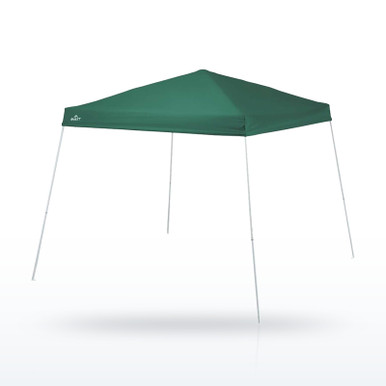 Quest Q64 10 ft x 10 ft pop-up canopyShade that moves with the crew. Open to the air on four sides.
Why does California have its own heat standard? Section 3395 is named for Maria Isabel Vasquez Jimenez, a 17-year-old farmworker who died of heat stroke in 2008 after working a vineyard without adequate shade or water. California had adopted the first version of the rule as an emergency regulation in 2005 after a string of farmworker deaths; her death led to the enforcement and amendments that produced the standard in force today. It applies to every outdoor place of employment in the state, not only agriculture.
What does section 3395 require?
The subsections, in the order the standard lists them.
Who does section 3395 cover?
All outdoor places of employment in California. The high-heat procedures in subsection (e) apply only to the five listed industries: agriculture, construction, landscaping, oil and gas extraction, and transportation or delivery of agricultural products, construction materials or other heavy materials, except driving an air-conditioned vehicle with no loading or unloading. Everything else in the standard, water, shade, cool-down rests, emergency response, acclimatization, training and the written plan, applies to every outdoor employer regardless of industry.
Cal/OSHA Title 8 section 3395(a)(1) and (a)(2).Indoor workplaces are covered by a separate standard, section 3396, adopted in 2024, which starts at an indoor temperature of 82°F. A warehouse, a kitchen or a shop with a bay door open is indoor work under 3396, not outdoor work under 3395.
Cal/OSHA Title 8 section 3396 (indoor places of employment), cited at the section level.How is the temperature measured, and what counts as shade?
Temperature in this standard is the dry bulb air temperature in degrees Fahrenheit, read with a thermometer in an area with no shade, with the sensor shielded from direct sun by a hand or another object. It is not the heat index and not a wet bulb reading. Shade is blockage of direct sunlight; one test the standard gives is that objects in the shaded area do not cast a shadow. Shade is not adequate if the heat inside it defeats the purpose, which is to let the body cool. Any natural or artificial source is acceptable as long as it does not expose workers to unsafe conditions or discourage use: a tree line, a building, a canopy, an umbrella, a trailer with the doors open. For non-agricultural employers, other cooling measures such as misting may replace shade if the employer can show they cool workers at least as well.
Cal/OSHA Title 8 section 3395(b), definitions of temperature and shade; exceptions to (d)(1) and (d)(2).How much water is 1 quart per hour?
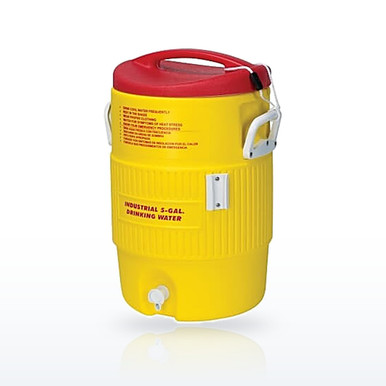
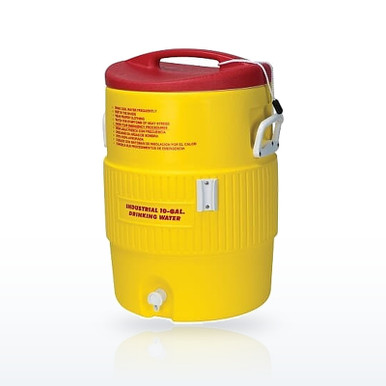
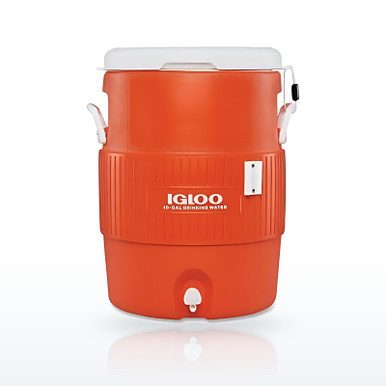
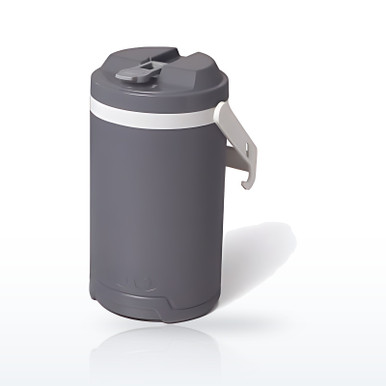
For a crew of 10 on a 10-hour shift, 100 quarts, which is 25 gallons: five 5-gallon coolers, or two 10-gallon coolers and a 5. The standard allows starting with less if the employer has an effective way to replenish during the shift, but the test an inspector applies is whether every worker could drink a quart an hour all day without running out. The water must be suitably cool, which in practice means ice in the cooler, and close enough that no one has to choose between a drink and the work. The training requirement adds the other half: workers are taught to drink small amounts often, up to 4 cups an hour, rather than a lot at once.
Cal/OSHA Title 8 section 3395(c) and (h)(1)(C).What goes in the written heat illness prevention plan?
- Procedures for providing water and access to shade, including who checks the coolers and who sets up the shade.
- The high-heat procedures from subsection (e), if the employer is in a listed industry.
- Emergency response procedures from subsection (f): communication, first aid, calling EMS, directions to the site.
- Acclimatization methods and procedures from subsection (g): heat wave observation and the 14-day watch on new workers.
- Written in English and in the language understood by the majority of the employees, kept at the worksite, and shown to employees and to Cal/OSHA on request. It may be part of the Injury and Illness Prevention Program under section 3203.
Shade, water and cooling gear for outdoor crews
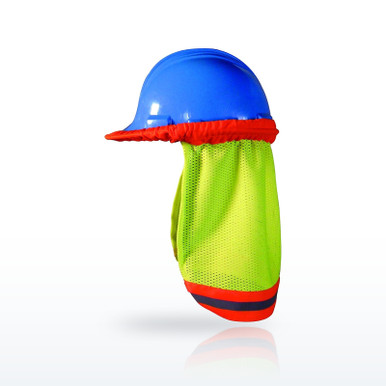
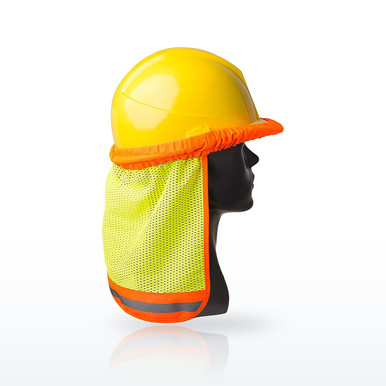
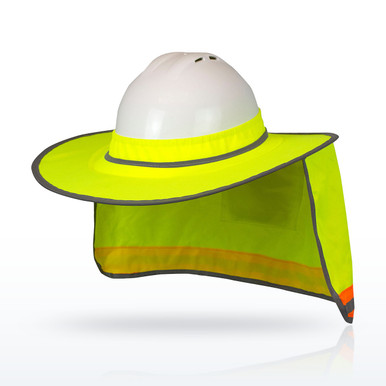
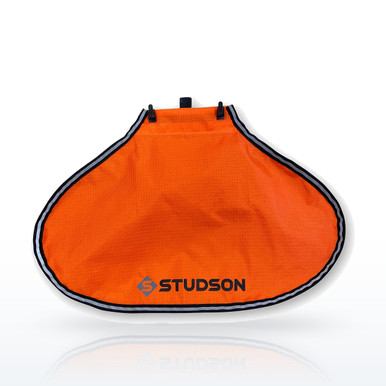
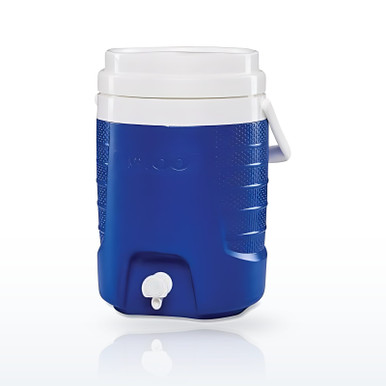
26 items · prices liveProducts are described as the manufacturer labels them. Shade size and water cooler capacity are on each product page; the standard decides how much of each a given crew needs. Contractor Direct orders ship free.
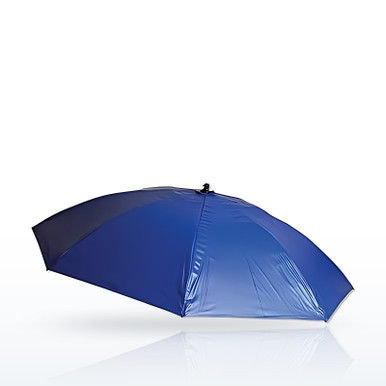
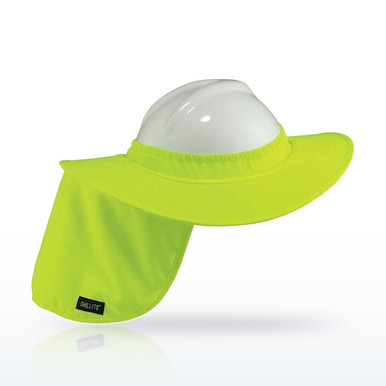
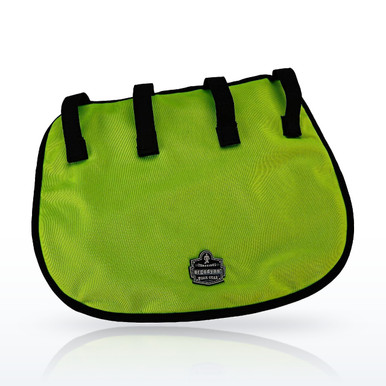
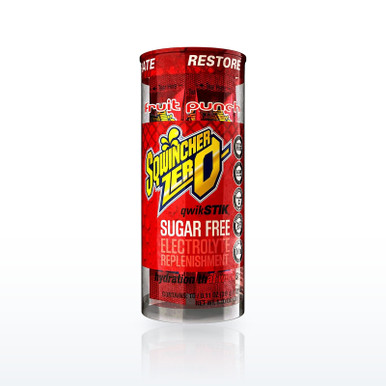
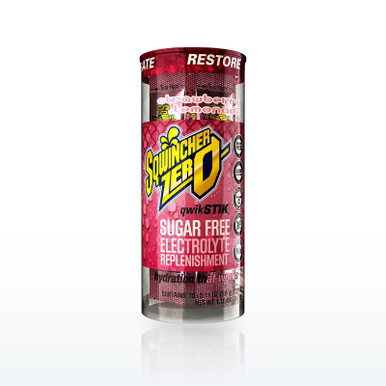
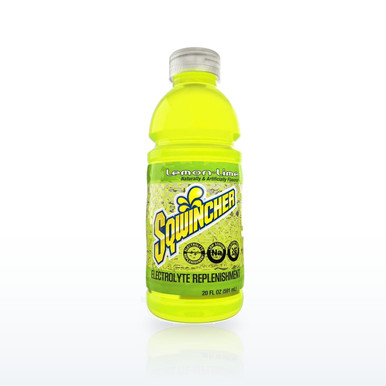
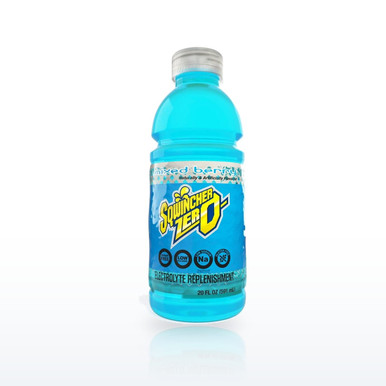
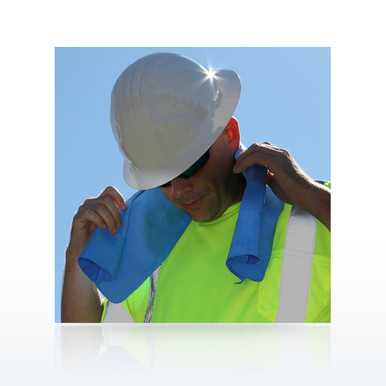
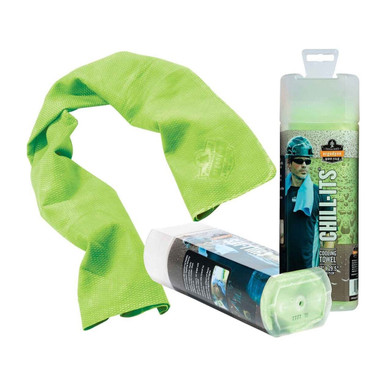
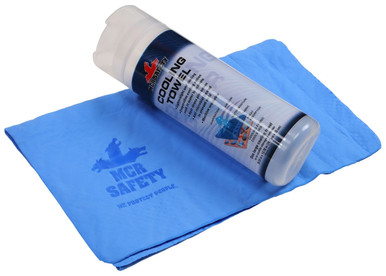
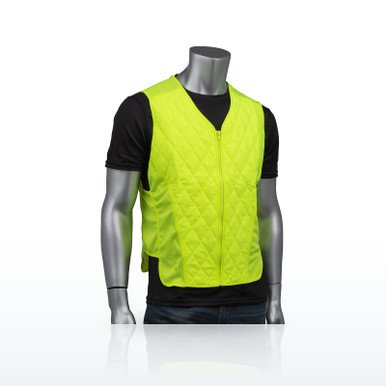
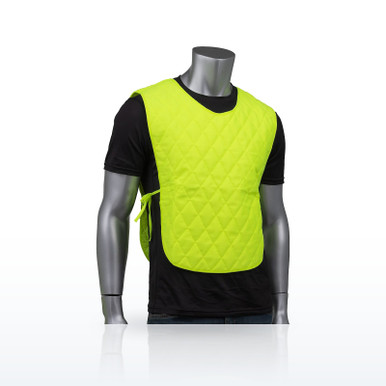
Cooling vests and towels, and the full electrolyte range, are on the cooling products page.
Questions people ask
At what temperature does Cal/OSHA require shade?
Shade must be up at all times when the outdoor temperature exceeds 80°F. At or below 80°F, the employer provides shade or timely access to shade when an employee asks. (3395(d)(1) and (d)(2).)
How much water does Cal/OSHA require?
Enough for 1 quart per employee per hour for the entire shift, fresh, pure, suitably cool, free, and as close as practicable to the work. (3395(c).)
What are the high-heat procedures?
At 95°F or above in the listed industries: communication with a supervisor, observation for heat illness, a designated person to call EMS, water reminders, and a pre-shift meeting. Agriculture adds a 10-minute cool-down rest every 2 hours. (3395(e).)
How long is a cool-down rest?
As long as it takes for symptoms to abate, and never less than 5 minutes plus the time needed to reach the shade. The worker is monitored during it. (3395(d)(3).)
What is a heat wave under 3395?
A day with a predicted high of at least 80°F that is at least 10°F above the average high of the previous 5 days. All employees are closely observed during one. (3395(g)(1).)
How long must new workers be observed?
An employee newly assigned to a high-heat area is closely observed by a supervisor or designee for the first 14 days. (3395(g)(2).)
Does 3395 apply to construction?
Yes, to all of it, including the high-heat procedures; construction is one of the five industries listed in 3395(a)(2).
Does a truck cab count as shade?
Only if the truck is running with the air conditioning on. The standard says a car sitting in the sun is not acceptable shade otherwise. (3395(b), definition of shade.)
Does the plan have to be in writing?
Yes, in English and the language of the majority of the crew, available at the worksite to employees and to Cal/OSHA on request. (3395(i).)
Standards and ratings on this page are as published in the documents named and by the manufacturers named. The employer’s hazard assessment and written program decide what applies at a given workplace. Verify a rating on the product and its spec sheet before use.