
What do chemical splash goggles protect against? The D3 rating explained
A chemical splash goggle seals to the face so liquid cannot reach the eye from any direction: from the front, from above, running down the brow, or bouncing off a surface. D3 is the mark Z87.1 puts on a goggle that has passed its splash and droplet test: the goggle is sprayed on a headform and blotting paper over the eyes must stay dry. D3 says splash and droplets only. It is not a dust rating (that is D4 and D5), it is not a gas or vapor rating (no goggle in the standard is), and it says nothing about impact unless the goggle also carries the Z87+ mark. Most splash goggles are indirect-vented: air gets in through baffled vents, liquid does not.
Why is splash a different problem from impact? A flying chip travels in a straight line, and side shields on a pair of glasses are in its way. A liquid does not. A splash from a bucket fans out, hits the forehead and runs down, or hits the cheek and wicks up under the lens. Acids and caustics do their damage in seconds, which is why ANSI/ISEA Z358.1 calls for 15 minutes of flushing (OSHA’s rule, 1910.151(c), requires suitable facilities for quick drenching or flushing of the eyes) and why the protector has to keep the liquid out in the first place. Only a seal does that. Z87.1 separates the two hazards with two marks, Z87+ for impact and D3 for splash, so a buyer can see which test the goggle passed.
What do D3, D4 and D5 mean?
The three hazard-use marks in Z87.1-2020, and the test behind each.
What does a chemical splash goggle protect against?
Liquid: acids, caustics, solvents, cleaning chemicals, pesticides, anything that can splash, drip or spray. That is what D3 was tested for. OSHA lists liquid chemicals and acids or caustic liquids among the hazards that require eye protection, and its selection chart answers them with goggles, eyecup or cover type, with a face shield added for severe exposure. The chart also says the protector must be sealed to the face for splash and dust, which is why glasses, even wraparound Z87+ glasses, are not the answer to a splash hazard.
29 CFR 1910.133(a)(1); 1910 Subpart I Appendix B, Section 8 (chemical splash row) and Section 6 (fit: devices for dust and chemical splash sealed to the face).What it does not protect against: gases and vapors. Z87.1 has no mark for them and makes no claim; a goggle that passes D3 can still let vapor in through its vents or around its seal. OSHA lists chemical gases or vapors as a separate eye hazard, and the answer there is an unvented goggle at minimum and, for anything that irritates the eyes at working concentrations, a full facepiece respirator, which protects the eyes and the lungs together. Fine dust is D5, not D3. And impact is Z87+, a separate test.
29 CFR 1910.133(a)(1) (chemical gases or vapors listed as a hazard); ANSI/ISEA Z87.1-2020 Section 1 (scope) and Table 3 (no gas or vapor mark); 29 CFR 1910.134 (respirators) for full facepiece eye protection.Direct vent, indirect vent or no vent?
- Direct vent: open holes through the frame. Air moves freely, so fogging is lowest, but liquid and dust come straight through. A direct-vent goggle is an impact goggle; it will not carry D3.
- Indirect vent: baffled or capped vents that let air through a bend liquid cannot follow. This is the standard chemical splash goggle and the design that passes D3 and usually D4.
- No vent: a fully sealed goggle. Passes D3, D4 and D5 and is the choice for fine dust and for vapors that irritate the eye. Fogs fastest, so these are sold with anti-fog lenses and are worn where the hazard justifies it.
- The vent style is on the product page; the D mark is on the goggle. Both come from the manufacturer.
What else goes with a splash goggle?
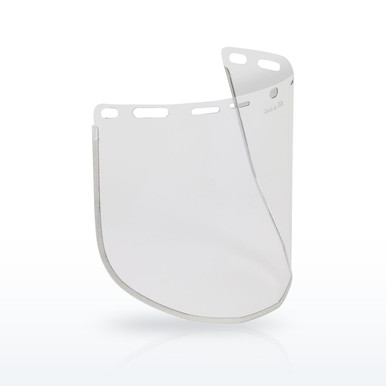
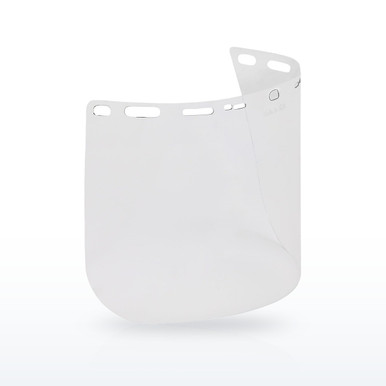
An eyewash. Wherever the eyes may be exposed to injurious corrosive materials, OSHA requires suitable facilities for quick drenching or flushing of the eyes within the work area for immediate use. The goggle keeps the splash out; the eyewash is for when it gets in anyway, and it must be there before the work starts. For severe splash exposure, a face shield over the goggle covers the rest of the face. Chemical-resistant gloves and an apron are the hand and body side of the same assessment, and the Safety Data Sheet for each chemical lists the PPE its maker calls for.
29 CFR 1910.151(c) (eyewash and quick-drench facilities); 1910 Subpart I Appendix B, Section 8 (face shield for severe chemical exposure); 29 CFR 1910.1200(g)(2)(viii) (SDS section 8, exposure controls and personal protection).Chemical splash goggles by ANSI mark
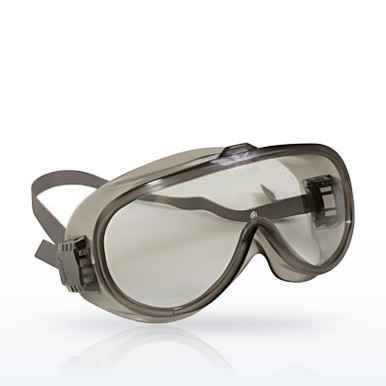
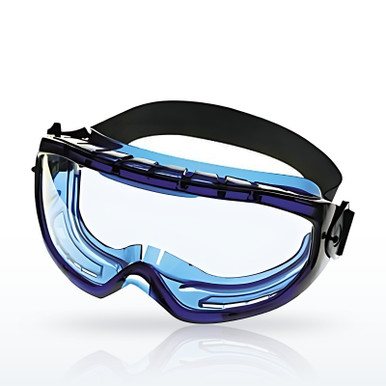
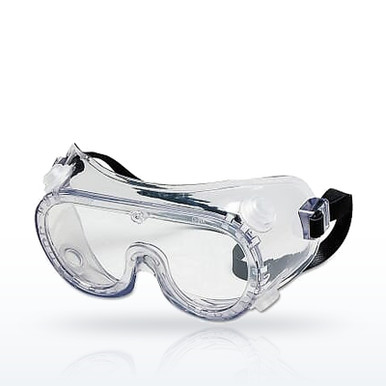
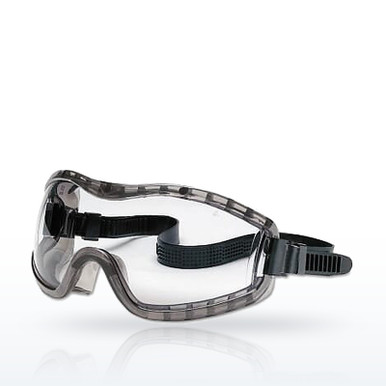
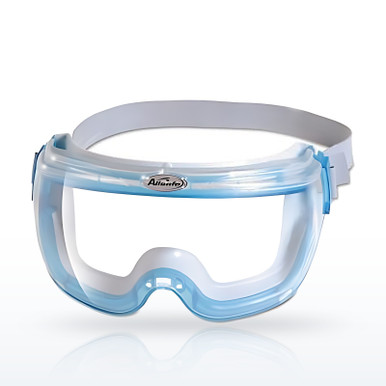
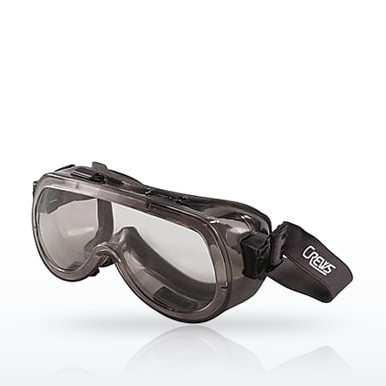
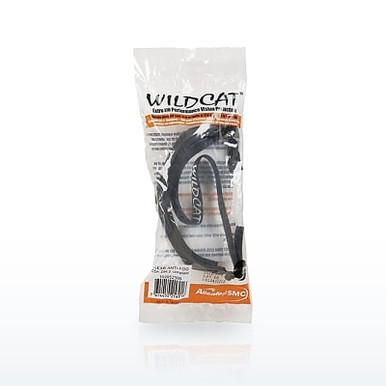
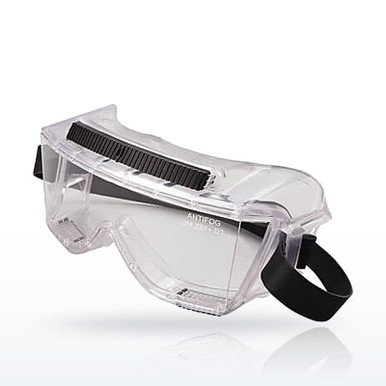
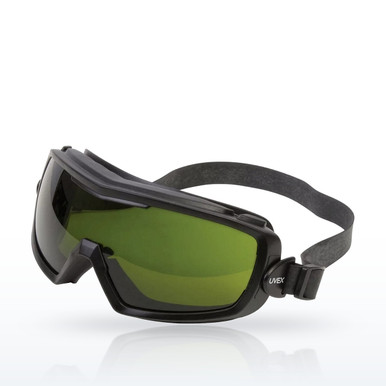
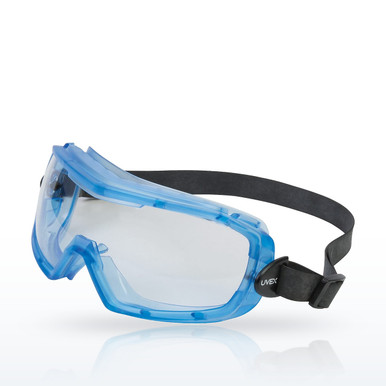
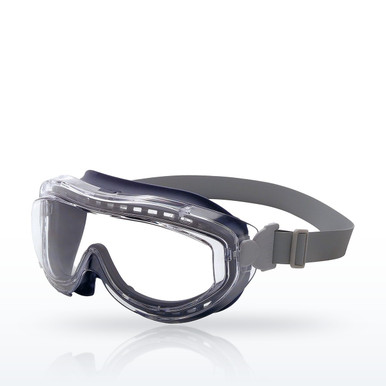
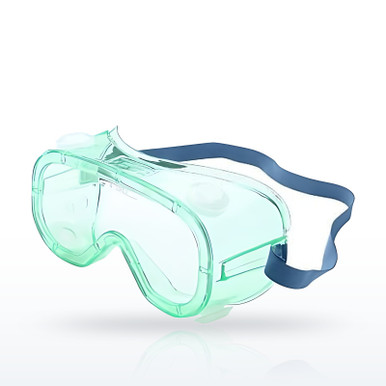
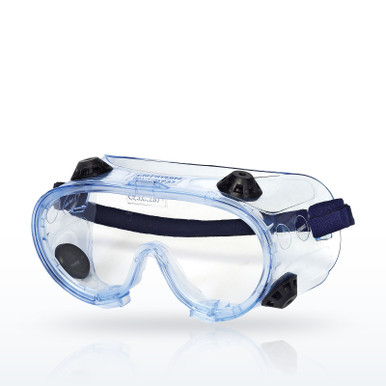
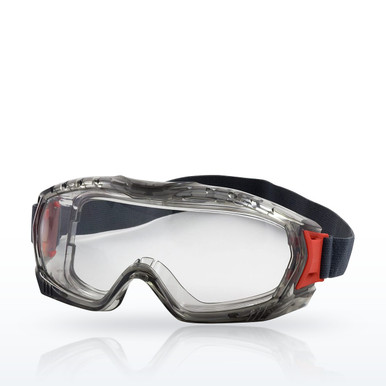
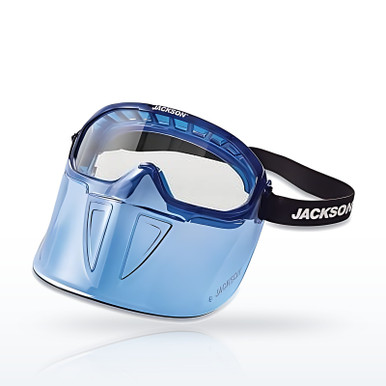
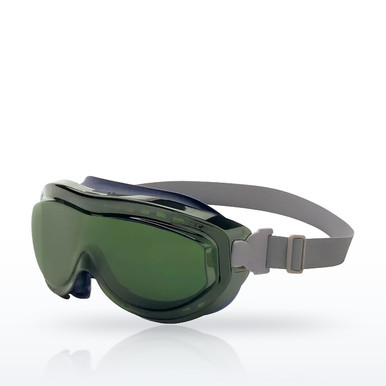
19 items · prices liveMarks shown are as published by each manufacturer. D3 means the manufacturer states the goggle passed the Z87.1 splash and droplet test; where the manufacturer lists only Z87.1 or Z87.1+ and calls the goggle a splash or indirect-vent goggle, that is the manufacturer’s description. Vent style and anti-fog are on the product page. Contractor Direct orders ship free.

Eyewash stations and bottles are in the first aid finder; chemical-resistant gloves in the glove selector.
Questions people ask
What does D3 mean on safety goggles?
The goggle passed the Z87.1 splash and droplet test: sprayed on a headform, no liquid reached the 40 mm circles over the eyes. It is a splash rating only. (Z87.1-2020 Section 7.3.1 and 9.17.1.)
What do chemical splash goggles protect against?
Liquid splash, drips and spray from any direction: acids, caustics, solvents, cleaning chemicals. They seal to the face, which open safety glasses do not.
Do splash goggles protect against fumes and vapors?
Not by any Z87.1 rating; there is no mark for gas or vapor. An unvented goggle helps; a vapor that irritates the eyes at working concentrations calls for a full facepiece respirator. (1910.133(a)(1); 1910.134.)
What is the difference between D3, D4 and D5?
D3 is splash and droplets, D4 is dust, D5 is fine dust. Each is a separate test; a goggle carries the marks it passed. (Z87.1-2020 Sections 7.3, 7.4 and 7.5.)
Are chemical splash goggles impact rated?
Only if they also carry Z87+. The D3 test is a spray test; the impact tests are separate, and goggles that pass them were hit with a quarter-inch steel ball at 250 ft/s. (Z87.1-2020 Section 7.1 and Table 6.)
Can I wear safety glasses instead of goggles for chemicals?
Not for a splash hazard. OSHA’s guidance says protectors for chemical splash must be sealed to the face; glasses are not. (Appendix B to Subpart I, Section 6 and Section 8.)
Do I need a face shield with splash goggles?
For severe exposure, OSHA’s selection chart says yes, over the goggles. The goggle protects the eyes; the shield covers the rest of the face. (Appendix B Section 8 and Note 3.)
Do splash goggles fit over prescription glasses?
Most indirect-vent cover goggles are deep enough to go over everyday glasses; the product page says whether a model is OTG. OSHA allows eye protection worn over prescription lenses as long as it does not disturb them. (1910.133(a)(3).)
Standards and ratings on this page are as published in the documents named and by the manufacturers named. The employer’s hazard assessment and written program decide what applies at a given workplace. Verify a rating on the product and its spec sheet before use.