
Respiratory protection in confined spaces: what 1910.146 and 1910.134 require together
Two OSHA rules apply at the same time. 1910.146 decides whether the space is a permit space and requires the employer to test the air (oxygen first, then flammables, then toxics), control the hazards, and provide the equipment on the permit. 1910.134 decides which respirator is used once the test results are known. If the air inside is oxygen-deficient, over an exposure limit with no reliable estimate, or otherwise IDLH, the only respirators allowed are a pressure-demand SCBA or a pressure-demand supplied-air respirator with its own escape cylinder. Air-purifying respirators are not allowed in those atmospheres. Rescuers standing by outside an IDLH space must carry the same class of respirator.
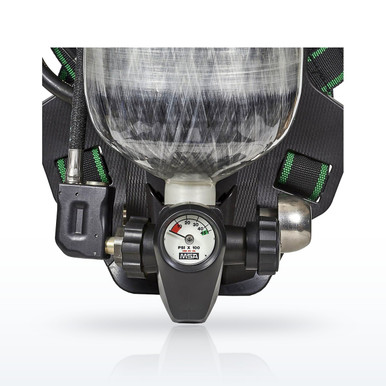
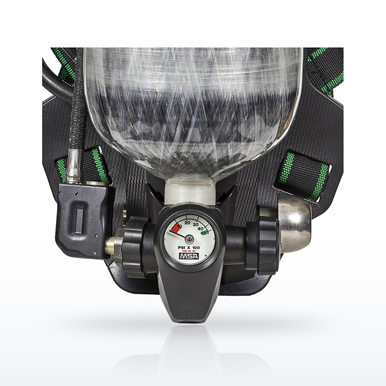 MSA G1 industrial SCBAPressure-demand SCBA, the respirator 1910.134(d)(2) names for IDLH entry
Why do two standards apply to one entry? 1910.146 is about the space: what makes it dangerous, how to test it, who goes in, who watches, and who gets them out. It requires personal protective equipment where ventilation and other controls do not make the air safe, but it does not say which respirator. That is the job of 1910.134, which selects the respirator from the hazard and the test results and sets the rules for IDLH work, including the standby crew. A confined-space program that reads only one of the two usually gets the respirator wrong, most often by sending a half mask with cartridges into air that nobody has measured.
What does each standard require?
The pieces that touch respirators, in the order they come up on a real entry.
When is a confined space an IDLH atmosphere?
IDLH means an atmosphere that poses an immediate threat to life, would cause irreversible health effects, or would keep a person from escaping. In a confined space that is reached 3 ways. First, oxygen below 19.5 percent: 1910.134 says every oxygen-deficient atmosphere is IDLH unless the employer demonstrates the oxygen will stay inside the Table II range under all foreseeable conditions. Second, a contaminant at or above its IDLH concentration, which NIOSH publishes for each substance. Third, an atmosphere the employer cannot identify or reasonably estimate, which is the normal state of a tank, vault or sewer before it has been tested. All 3 lead to the same respirator choice.
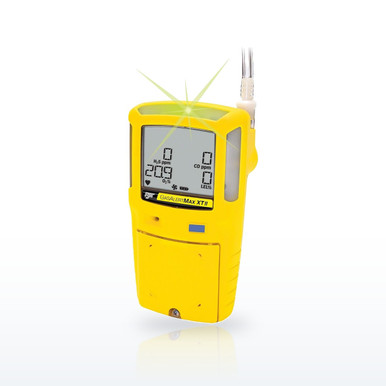
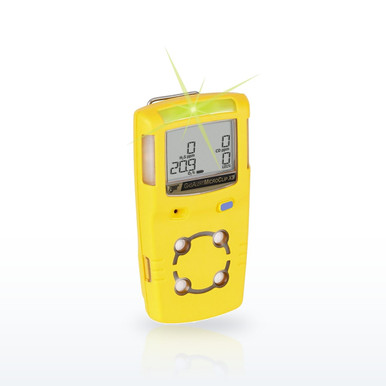
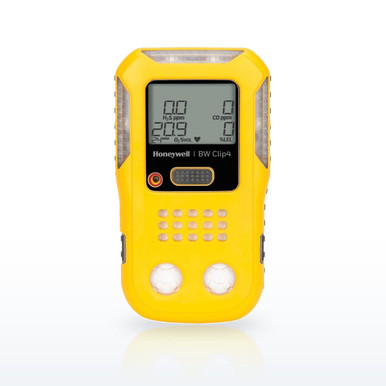
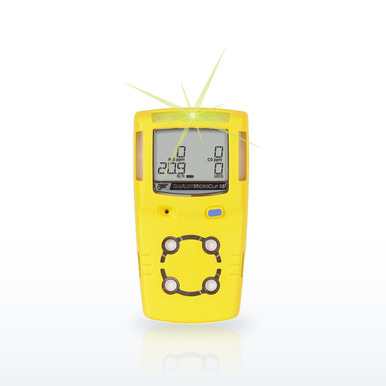
1910.134(b) definitions of IDLH and oxygen deficient atmosphere; 1910.134(d)(2)(iii) and Table II; 1910.134(d)(1)(iii).The 4-gas reading is what moves a space from unknown to known. Once the oxygen, LEL, H2S and CO readings are in hand and any other contaminant has been measured, the employer can decide whether the atmosphere is IDLH, above an exposure limit but below IDLH, or acceptable for entry. 1910.146 requires that testing before entry; 1910.134 tells you what the numbers mean for the respirator.
1910.146(d)(5)(i); 1910.146(d)(3)(i) acceptable entry conditions; 1910.134(d)(1)(iii).Which respirator goes into the space?
- IDLH, or untested: full facepiece pressure-demand SCBA (30-minute minimum rated service life), or a full facepiece pressure-demand supplied-air respirator with an auxiliary self-contained air supply. Nothing else.
- Tested, above an exposure limit but below IDLH, oxygen normal: a respirator selected by assigned protection factor and maximum use concentration under 1910.134(d)(3). A half mask (APF 10) or full facepiece (APF 50) with the right cartridge or filter can be used only if the contaminant is known, the concentration is measured, and a change schedule or end-of-service-life indicator covers the cartridge.
- Tested, below every limit, oxygen 19.5 to 23.5 percent, and kept that way by continuous forced-air ventilation: no respirator is required by the standard, and the entry may qualify for the alternate procedures in 1910.146(c)(5), with the air monitored for the whole entry.
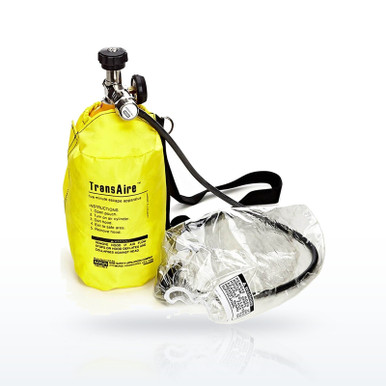
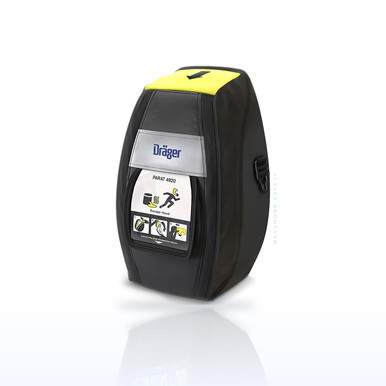
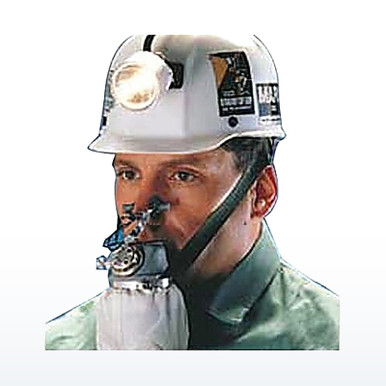
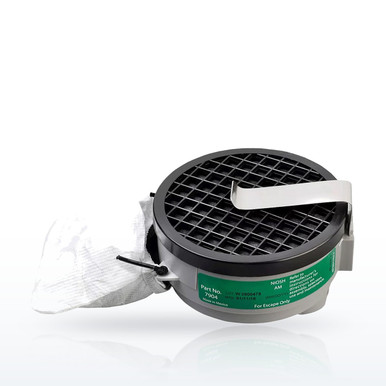
- Escape: a respirator provided only for escape from an IDLH atmosphere must be NIOSH-certified for escape from that atmosphere. An escape respirator is not an entry respirator.
What must the attendant and the rescue team have?
1910.146 requires an attendant outside every permit space and a rescue service the employer has evaluated for response time and ability. 1910.134 adds the respirator detail for IDLH work: the people outside must be trained and equipped for rescue, must carry a pressure-demand SCBA or pressure-demand supplied air with auxiliary SCBA, and must notify the employer before going in to rescue. The note under 1910.146(k)(1)(i) points to this requirement as the measure of a timely rescue in IDLH air. Retrieval systems are required whenever an entrant goes in, unless they would add risk or would not help: a chest or full-body harness with the line attached at the upper back, and a mechanical retrieval device for vertical spaces deeper than 5 feet.
1910.146(d)(6) and (d)(9); 1910.146(k)(1)(i) through (iii) and the note to (k)(1)(i); 1910.134(g)(3)(iii) through (vi); 1910.146(k)(3)(i) and (ii).Appendix F to 1910.146 adds a practical point for rescuers: where rescue from a space with serious atmospheric hazards may take more than 15 to 20 minutes, airline respirators with escape bottles let the rescuer work longer than an SCBA cylinder allows and can also supply air to the patient. The appendix is non-mandatory, but it is OSHA’s own guidance on choosing between the 2 allowed respirator types for rescue.
1910.146 Appendix F, item 7 (non-mandatory).What goes on the permit?
The entry permit must list the equipment to be provided, including personal protective equipment, testing equipment, communications, alarms and rescue equipment, and must record the results of the initial and periodic air tests with the tester’s initials and the time. Writing the respirator type on the permit is the simplest way to show that the 1910.134 selection was made for that entry. The written respiratory protection program, fit testing for any tight-fitting facepiece including the SCBA mask, and the medical evaluation all apply as they would for any required respirator use.
1910.146(f)(10) and (f)(13); 1910.134(c), (e) and (f).SCBA, supplied-air and escape respirators, and 4-gas monitors
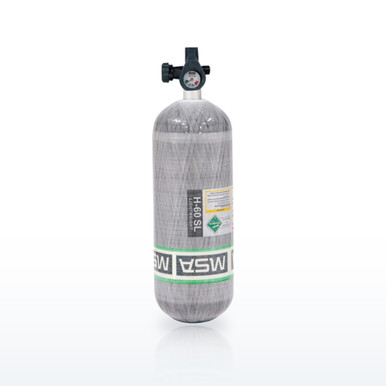
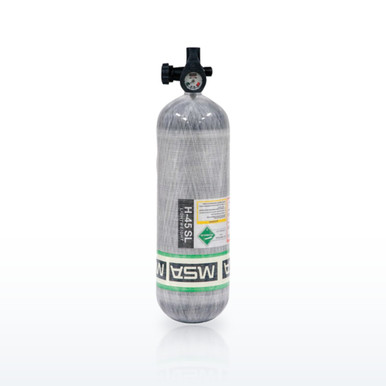
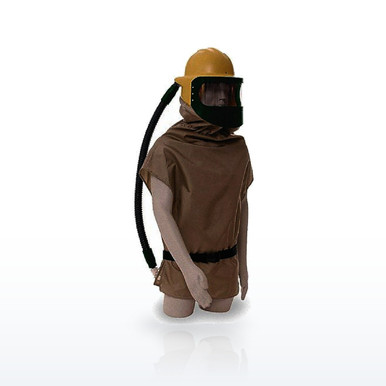
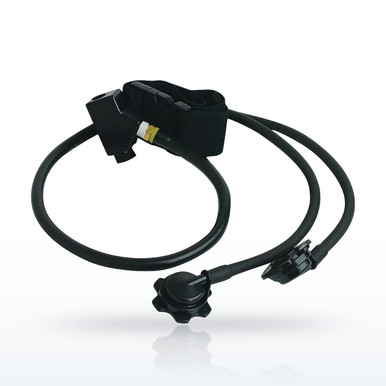
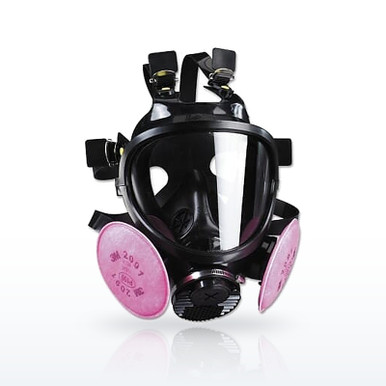
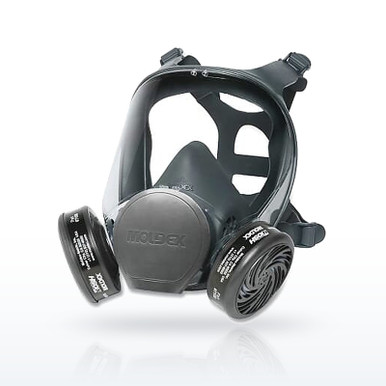
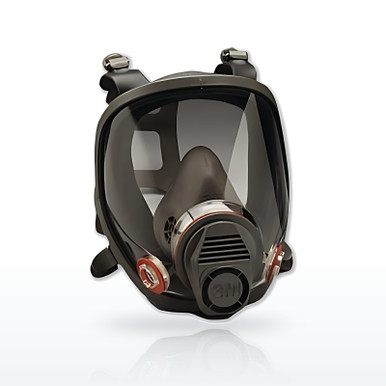
26 items · prices liveRespirator type and NIOSH approval are as published by the manufacturer; the approval label on each unit states its mode of operation. Gases read are as published for each monitor. Cylinders ship hazmat. Free shipping on orders over $199 (hazmat and freight items excepted).
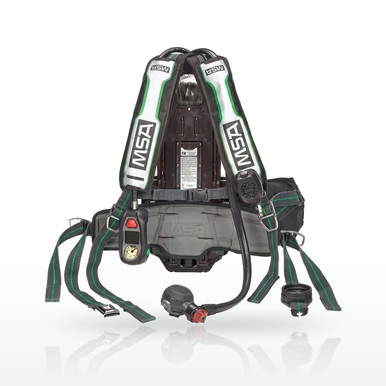
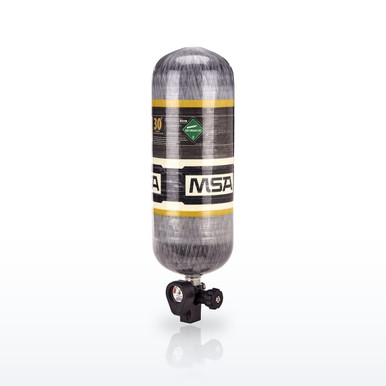


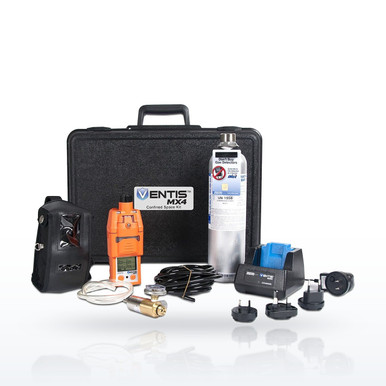
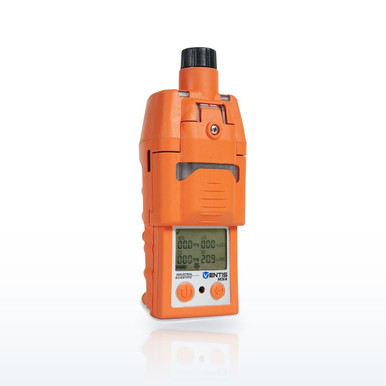
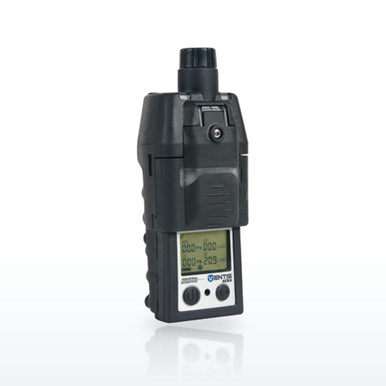
Tripods, winches, retrieval harnesses and ventilation blowers are in the fall protection finder and the confined space entry equipment guide. Supplied-air hose and couplings are in the respirator finder.
Questions people ask
Can I wear a half mask with cartridges in a confined space?
Only after the air has been tested, the contaminant is known and measured, oxygen is normal, and the concentration is below IDLH and within the respirator’s maximum use concentration. Before testing, or in any IDLH atmosphere, 1910.134(d)(2) allows only pressure-demand SCBA or pressure-demand supplied air with an escape cylinder.
Is a confined space automatically IDLH?
No. It is IDLH when oxygen is below 19.5 percent, when a contaminant is at or above its IDLH level, or when the employer cannot identify or reasonably estimate the exposure. Testing under 1910.146(d)(5) is how the employer gets out of that last category.
What order do I test the air in?
Oxygen first, then combustible gases and vapors, then toxic gases and vapors. 1910.146(d)(5)(iii).
Does the attendant need an SCBA?
For an IDLH entry, the people outside must be equipped with a pressure-demand SCBA or pressure-demand supplied air with auxiliary SCBA, and trained to use it for rescue. 1910.134(g)(3)(vi). The attendant may only enter to rescue if trained, equipped and relieved under 1910.146(i)(4).
Can an escape respirator be used to enter?
No. A respirator provided only for escape must be certified for escape from that atmosphere and is used only to get out. 1910.134(d)(2)(ii).
What if ventilation keeps the air clean?
If forced-air ventilation alone keeps the atmosphere acceptable and monitoring confirms it for the whole entry, the employer may use the alternate procedures in 1910.146(c)(5), and no respirator is required by the standard. Ventilation controls the hazard; it does not eliminate it, so the monitoring continues.
Does the construction industry follow the same rules?
Construction has its own confined-space standard, 29 CFR 1926 Subpart AA, with the same testing order and the same reliance on 1910.134 for respirator selection.
Standards and ratings on this page are as published in the documents named and by the manufacturers named. The employer’s hazard assessment and written program decide what applies at a given workplace. Verify a rating on the product and its spec sheet before use.