
Do hard hats expire? Service life, the date stamp, and when to replace one
Hard hats do not carry an expiration date, and neither OSHA nor ANSI Z89.1 sets one. What they have is a manufacture date molded into the shell and a manufacturer’s service-life guideline, which for nearly every maker is: replace the suspension every 12 months and the shell every 5 years from the date it was put into service, sooner if it has been struck, shows cracks, chalking, fading or brittleness, or has been exposed to chemicals or heat. A hat that has taken a hit is replaced that day, even if it looks fine.
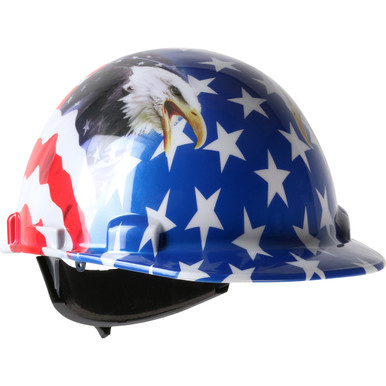 PIP Dom 280-HP341R-USA Cap Style Smooth Dome Hard Hat, HDPE ShellType I, Class E hard hat; the date is molded under the brim
Why does a plastic hat wear out? The shell is high-density polyethylene or a similar plastic, and plastic ages: ultraviolet light breaks the polymer chains, heat and cold cycles stiffen it, solvents and fuels attack it, and every impact, even one that left no mark, uses up some of its ability to absorb the next one. The suspension straps stretch and the plastic fatigues faster still. A hat that is five years old and sun-faded will crack where a new one would flex, and the impact test the hat passed when it was made says nothing about the hat it has become.
When should a hard hat be replaced?
Any one of these, not all of them.
What does the date on the hard hat mean?
Under the brim or inside the shell there is a molded clock or a set of numbers: a two-digit year in the center with an arrow or a dot pointing at the month, or a stamp like “03/24.” That is the date the shell was molded, not an expiration date and not the start of the service life. Z89.1 requires the manufacturer’s name, the standard designation, the Type and Class, the size range and the date of manufacture on the hat. The service-life clock on most guidance starts on the day the hat is issued, so a hat that sat in a warehouse for a year did not lose that year; a few makers measure from the molding date instead, and their instructions say so.
ANSI/ISEA Z89.1-2014 section 9 (marking: manufacturer, Z89.1 designation, Type and Class, head size range, date of manufacture); manufacturer instructions on service life (MSA, 3M, PIP).What do OSHA and ANSI actually require?
OSHA requires a protective helmet where there is a potential for head injury from falling objects, and one rated for electrical shock where there is contact with exposed electrical conductors, and it requires the helmet to meet Z89.1. It does not set a replacement interval. Z89.1 requires the manufacturer to provide instructions on use, inspection and replacement and requires the user to follow them, which is where the 5-year and 12-month figures get their force: an employer who ignores the manufacturer’s instructions is outside the standard. Z89.1 also states that a hat that has sustained an impact must be replaced even if damage is not visible.
29 CFR 1910.135(a)(1), (a)(2), (b)(1); 29 CFR 1926.100; ANSI/ISEA Z89.1-2014 Appendix (user instructions); manufacturer instructions.How do you inspect a hard hat?
- Shell, every day. Look for cracks, dents, gouges, holes, chalking or fading, and anything embedded. Run your thumb along the brim edge for nicks.
- Squeeze test, monthly. Press the sides of the shell together a couple of inches and release. It should flex and come back without creaking or sticking. Brittleness means UV or heat damage; retire it.
- Suspension, every day. Straps unfrayed and uncut, keys seated in all slots, headband adjustment holds, crown straps not stretched, sweatband present. Replace the suspension on any defect and at 12 months regardless.
- Fit. Clearance of about 1 to 1¼ inches between the top of the head and the shell; a suspension bottomed out on the head transmits the impact. The hat should sit level and not shift when you nod.
- Record the dates. Write the in-service date inside the shell with a marker (not paint, not a solvent pen) and the suspension replacement date on the suspension.
- After an impact or a drop from height. Replace shell and suspension that day. No inspection clears an impacted hat.
What shortens a hard hat’s life?
- Sunlight: UV is the main enemy of polyethylene. A hat stored on the rear deck of a truck ages in months.
- Heat: a dashboard, a boiler room, a welding bay. Most shells are rated to about 120°F in service; hot storage counts.
- Chemicals and fuels: solvents, degreasers, some paints and adhesives attack the shell. So do many stickers’ adhesives and spray paint.
- Cold: HDPE gets brittle below freezing; winter impacts do more damage.
- Modification: drilling vent holes, cutting the brim, painting, carrying things in the crown between the suspension and the shell, which takes up the clearance that absorbs the impact.
Are there differences by shell material?
High-density polyethylene (most cap and full-brim hats) is light, cheap, and the most UV-sensitive; it is the 5-year shell. Polycarbonate and ABS (many Type II safety helmets) resist heat and UV better and some makers allow longer service life. Fiberglass and resin shells (older full-brim and high-heat hats) resist heat and chemicals, do not chalk the same way, and are inspected for cracks and fiber bloom instead. In every case the manufacturer’s instruction for that model governs.
Manufacturer product and care data (MSA, PIP, Honeywell Fibre-Metal, Studson, WaveCel).Hard hats and replacement suspensions
28 items · prices liveType, Class and shell material are as published by the manufacturer; service-life guidance is on each manufacturer’s instructions linked from the product page. Contractor Direct orders ship free.
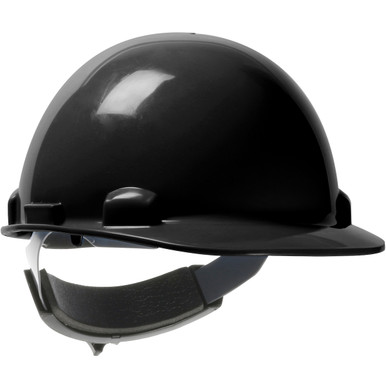
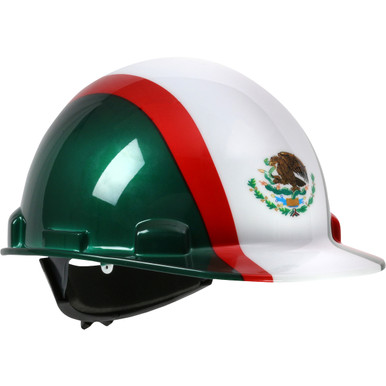
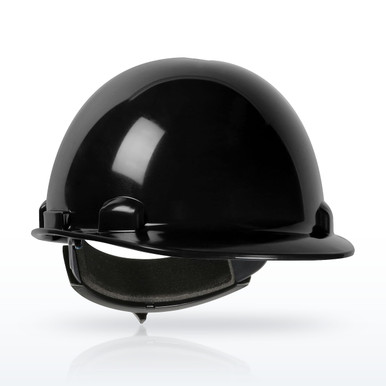
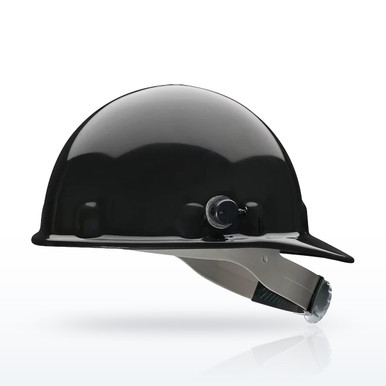
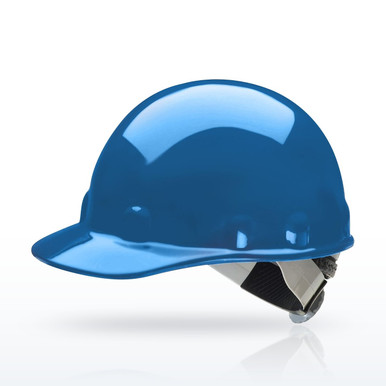
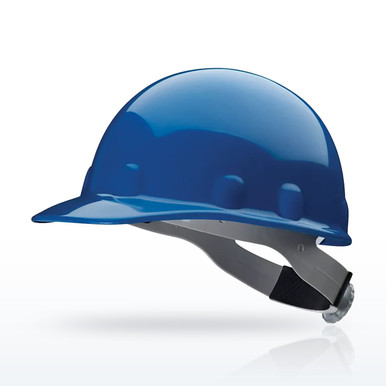
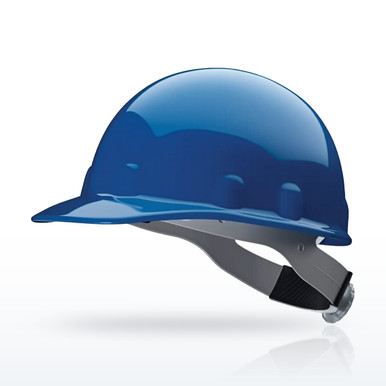
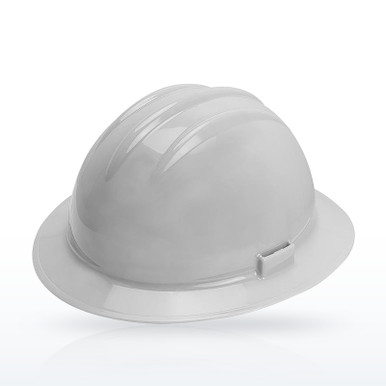
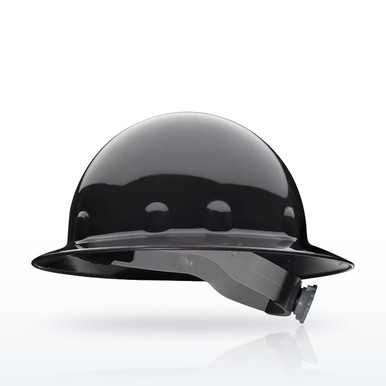
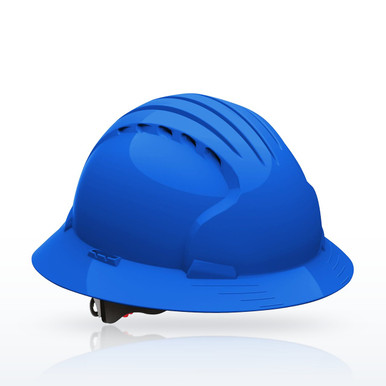
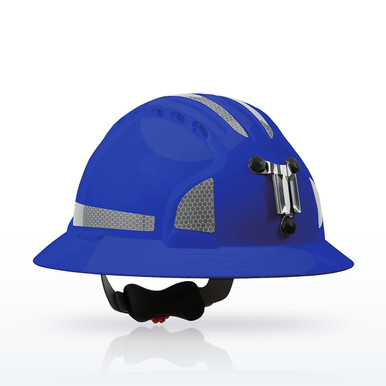
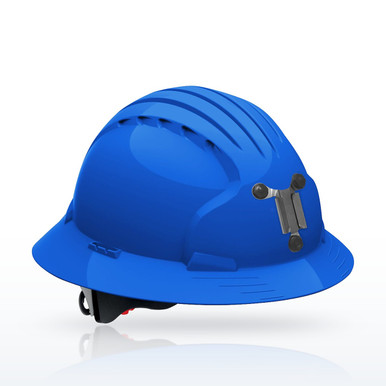
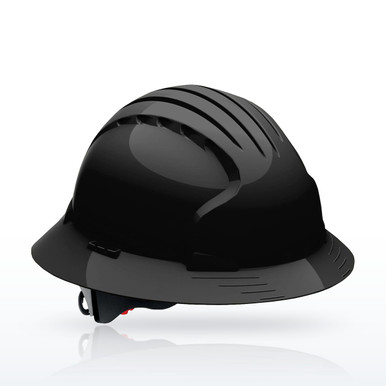
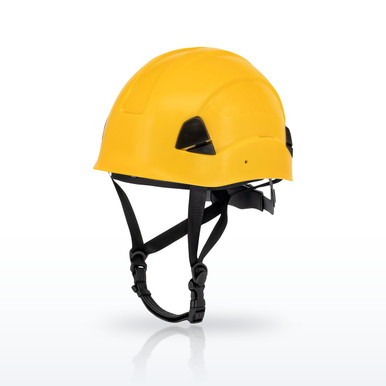
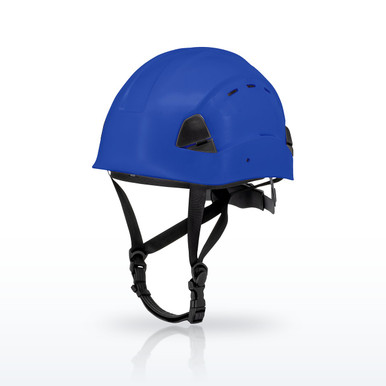
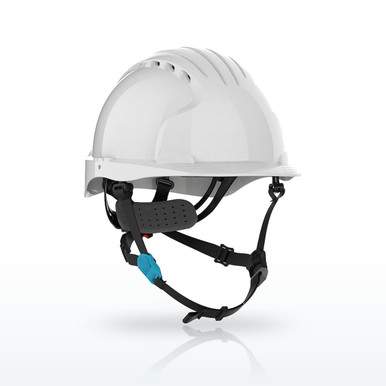
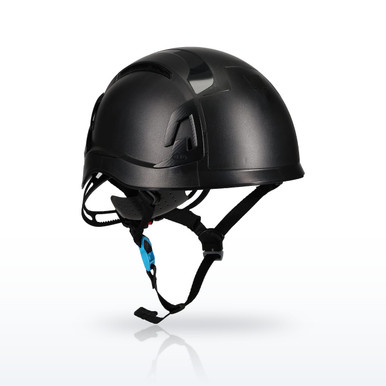
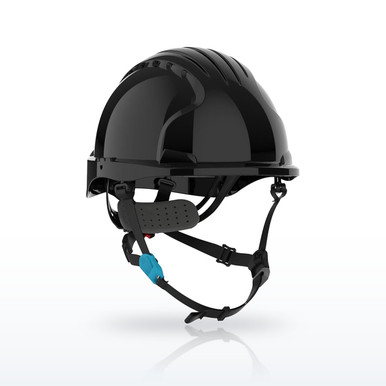
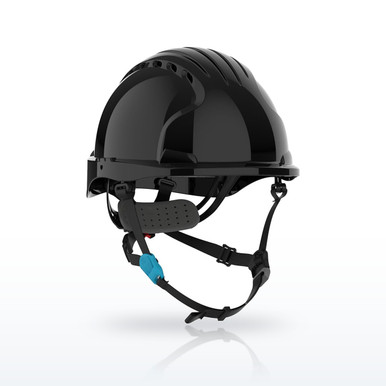
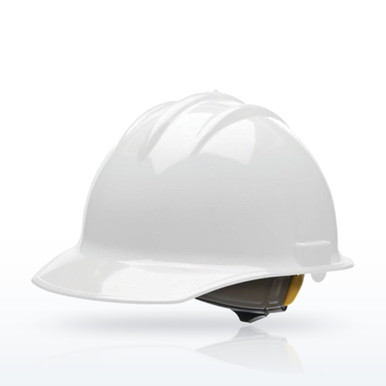
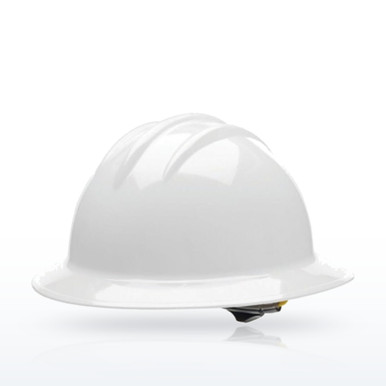
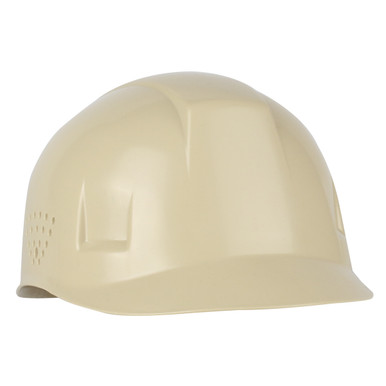
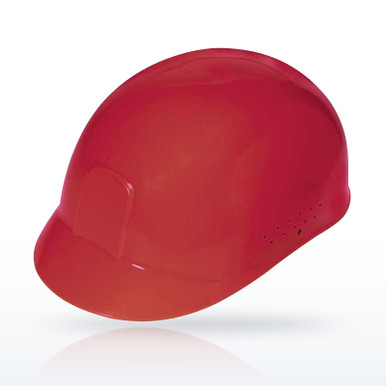
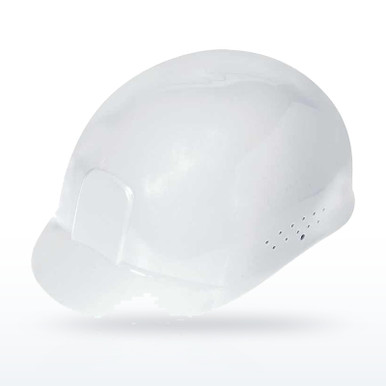
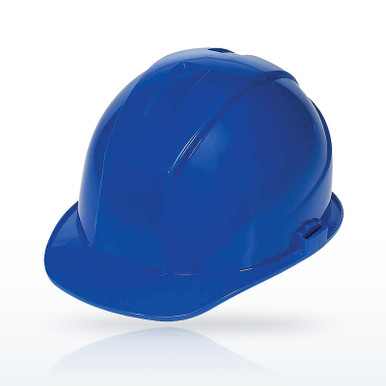
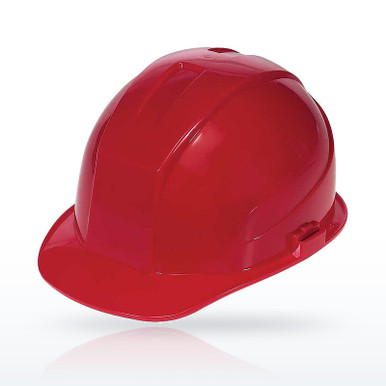
Every hard hat and safety helmet we carry, filtered by Type, Class, brim and suspension, is on the hard hat finder.
Questions people ask
Do hard hats have an expiration date?
No. They have a manufacture date molded in and a manufacturer service-life guideline, typically 5 years for the shell and 12 months for the suspension from the date of first use, with earlier replacement for damage or impact.
How long are hard hats good for?
Most makers: shell up to 5 years from first use, suspension 12 months, and less in heavy sun, heat or chemical exposure. Any impact ends it immediately.
How do you read the date on a hard hat?
The molded clock under the brim: the number in the center is the year, the arrow or dot points to the month. It is the molding date, not an expiration.
Does OSHA say when to replace a hard hat?
OSHA requires a Z89.1 helmet where head hazards exist and that damaged PPE not be used; the replacement interval comes from the manufacturer’s instructions, which Z89.1 requires you to follow.
Should I replace my hard hat after it falls off?
A fall from head height onto a hard surface is an impact; most manufacturers say replace it. A fall onto soft ground from waist height is usually not, but inspect it.
Why do you have to replace the suspension every year?
The straps stretch and fatigue, and the suspension is what actually absorbs the blow; the shell just spreads it. A worn suspension lets the shell reach the skull.
Can you wear a hard hat backwards?
Only if the manufacturer says the hat is tested for reverse wear; those carry a reverse-donning arrow symbol. Turn the suspension around, not just the shell.
Can you put stickers on a hard hat?
Most manufacturers allow small stickers away from the edge that do not hide damage, using a non-aggressive adhesive. Check the maker’s instructions; paint and solvent markers are generally not allowed.
Standards and ratings on this page are as published in the documents named and by the manufacturers named. The employer’s hazard assessment and written program decide what applies at a given workplace. Verify a rating on the product and its spec sheet before use.