
Type I vs Type II hard hats: what the types mean
The Type on a hard hat label says where the hat is tested to take a blow. Type I is tested for impact and penetration on the top of the head only: the classic falling-object hat. Type II is tested on the top and also on the front, sides and back, with an off-center penetration test and a chin strap retention test added. A Type II hat has a foam liner inside the shell to absorb those side blows, which is why it is heavier and warmer. Both come in Class G, E or C. OSHA accepts either; the hazard assessment decides. Sites with side-impact hazards, work at height, and most utilities and general contractors now specify Type II.
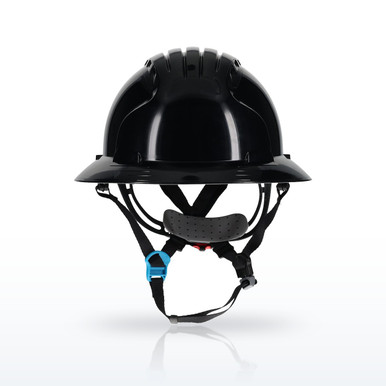
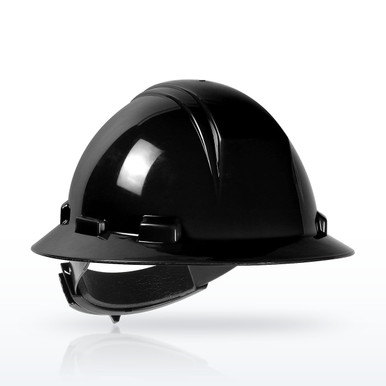
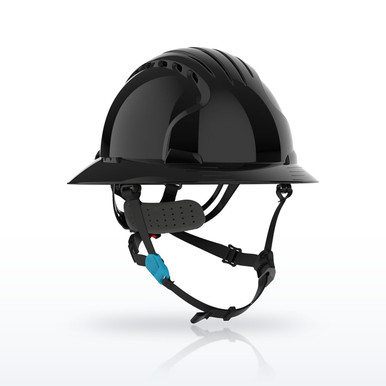
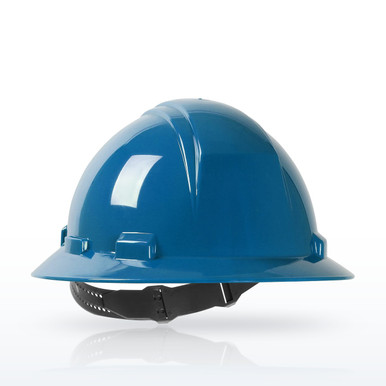
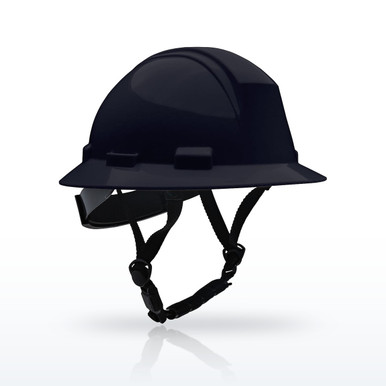 PIP Kilimanjaro 280-HP642RM-CH ANSI Type II Full Brim Safety HelmetType II, Class E: tested top, front, sides and back
Why are there two types? The original hard hat was built for the mine and the steel mill: something falls, it lands on the crown. Z89.1 tested that one blow for decades. But most head injuries on a modern site are not a brick on the crown. They are a fall against a column, a swinging load to the side of the head, a backward fall from a ladder, a strike from a pipe at eye level. A Type I shell does nothing for those; the suspension only works for a blow from above. The Type II requirement, added in the 1997 edition, tests the hat the way those injuries happen.
What does each type have to pass?
The Z89.1 tests, in plain terms. Both types pass the first two; Type II adds the rest.
How can you tell a Type II hat from a Type I?
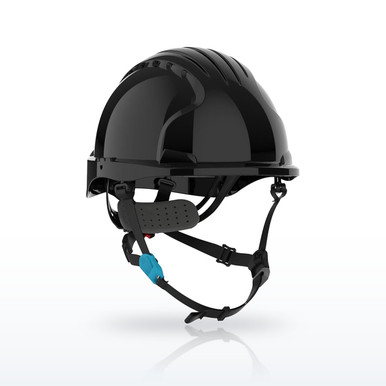
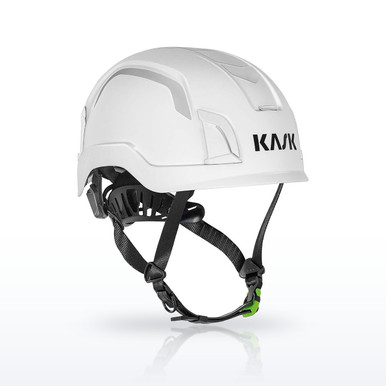
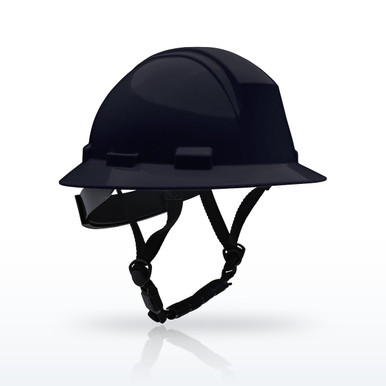
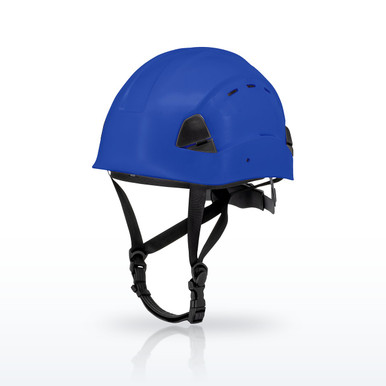
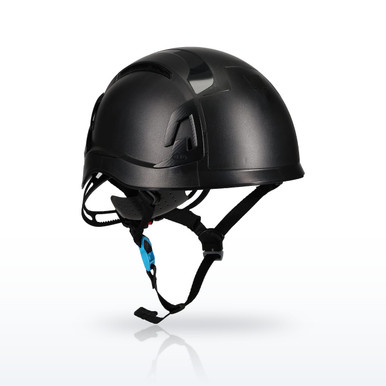
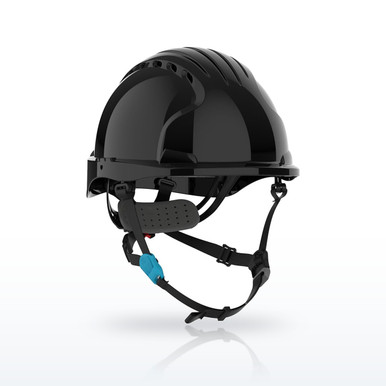
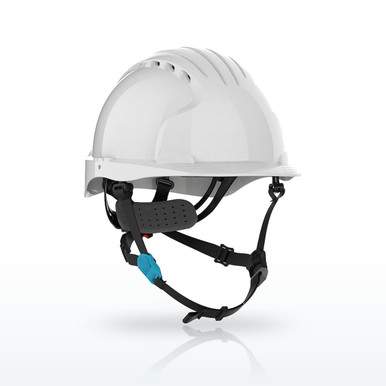
Read the label inside the shell; Z89.1 requires the Type to be marked with the Class. From the outside, a Type II hat has a foam liner (expanded polystyrene or polypropylene, or an engineered structure such as Koroyd) bonded or fitted inside the shell, so the inside is not an empty bowl with straps. Most Type II hats are the climbing-style safety helmet with a chin strap and little or no brim, but Type II also comes in cap style and full brim with a conventional look, and a chin strap is only required to be tested, not to be worn, unless the site says so. Weight is the other tell: the Type II helmets below run about 1.1 to 1.2 pounds on their makers’ spec sheets, noticeably more in the hand than a Type I HDPE cap.
ANSI/ISEA Z89.1-2014 section 6 (instructions and markings), as summarized by MSA; manufacturer spec sheets for the Type II models listed below (JSP MK8 Evolution, EPS liner; JSP EVO ALTA, EPP liner, about 1.1 pounds; PIP Kilimanjaro Type II; Studson SHK-1, Koroyd core).When do you need a Type II hard hat?
- When the hazard assessment finds blows from the side or the back: swinging loads, pipe and rebar at head height, tight mechanical spaces, working beside moving equipment.
- For work at height with a fall hazard: a fall against a structure or a wall is a side impact, and the chin strap keeps the hat on through it. Many general contractors and utilities now specify Type II with chin strap for everyone on site.
- Where the site, the owner or the general contractor specifies it. The specification governs even where OSHA would accept Type I.
- Not required by OSHA by name. Both OSHA rules require a Z89.1 helmet; the type is chosen through the hazard assessment under 1910.132(d).
Does Type II change the electrical class?
No. Type and Class are independent. A Type II helmet is Class E if it is non-vented and passed the 20,000-volt proof test, Class C if it is vented. The vented Type II helmets that keep a crew cool are Class C and belong only where there is no electrical hazard; the non-vented version of the same model is usually Class E. Check both ratings on the label, not one.
ANSI/ISEA Z89.1-2014 Type and Class definitions as published by ISEA and JSP; manufacturer spec sheets for vented and non-vented pairs listed below.Is a climbing helmet a Type II hard hat?
Only if its label says so. Many climbing-style helmets sold for work are certified to the European mountaineering standard EN 12492 or the industrial EN 397, and some are also certified Z89.1 Type I; that is not Type II. A helmet has to be tested to the Type II requirements and marked Type II to be one, and the makers who have done it say so on the shell. The shape tells you nothing; the marking does.
3M head protection reference (climbing-style helmets must be specifically rated Type I or Type II; most do not meet Type II); ANSI/ISEA Z89.1-2014 section 6 marking.Type I and Type II hard hats and helmets
34 items · prices liveType and Class are as published by the manufacturer for each model; the marking inside the shell governs. Contractor Direct orders ship free.
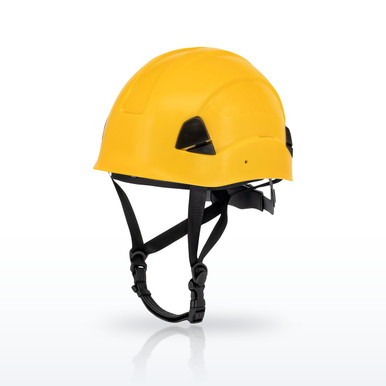
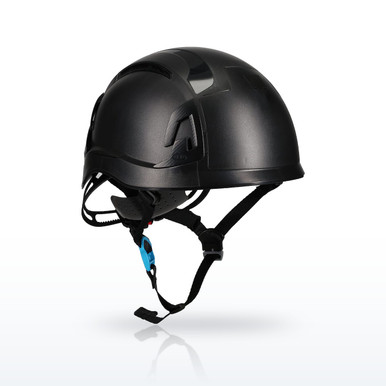
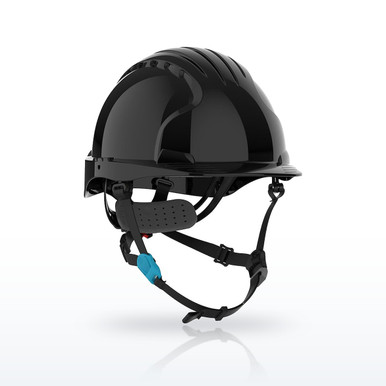
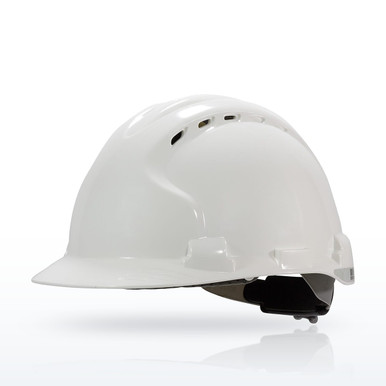
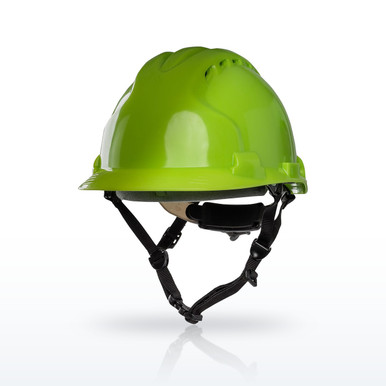
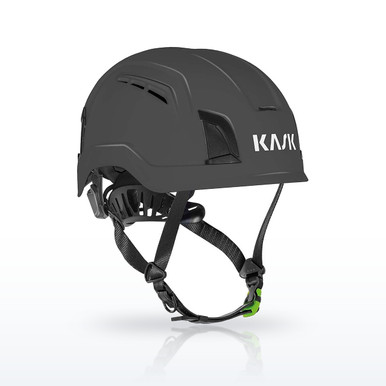
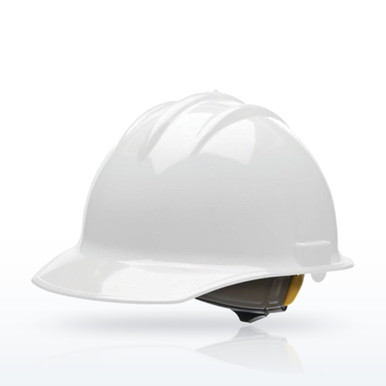
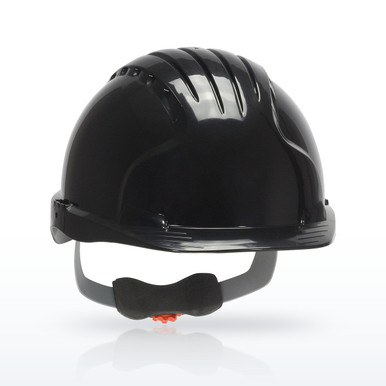
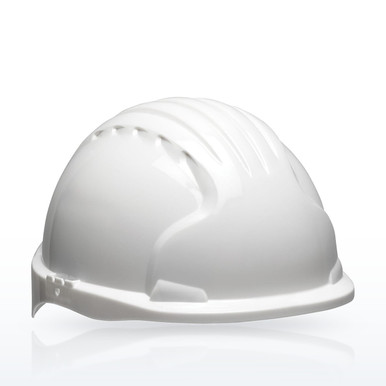
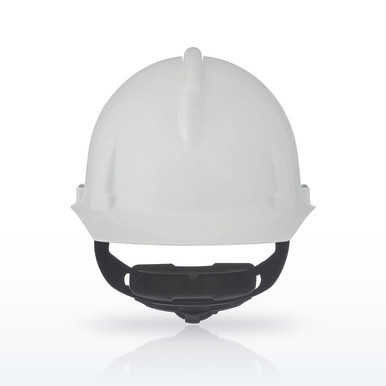
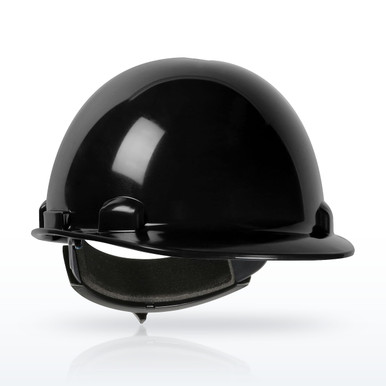
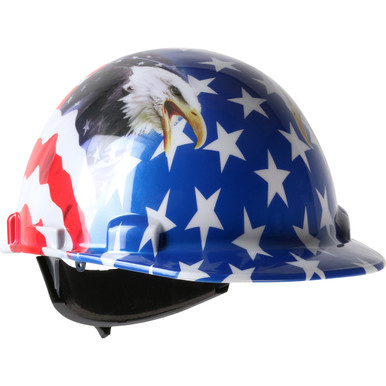
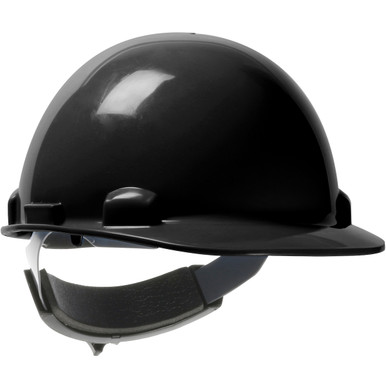
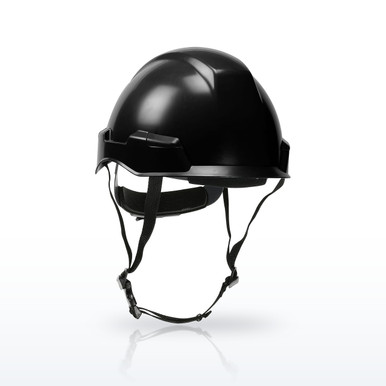
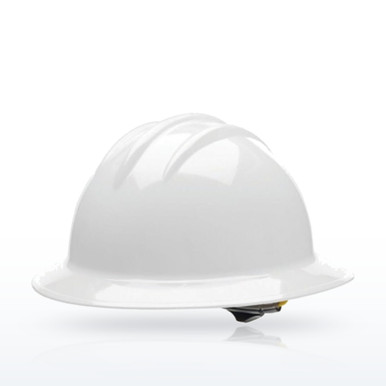
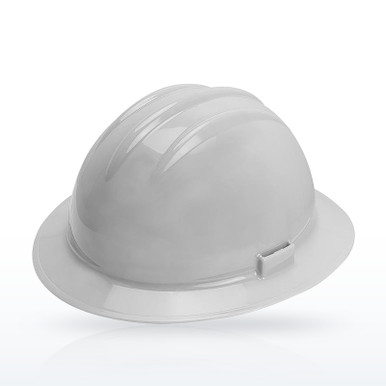
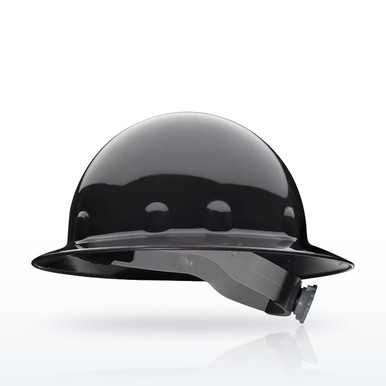
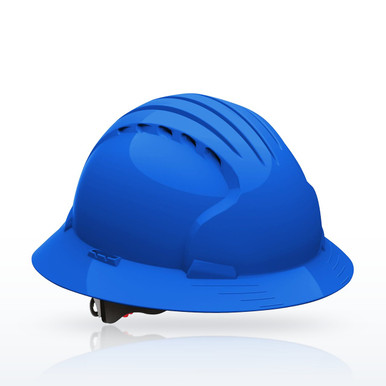
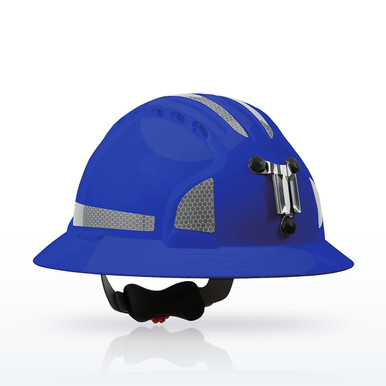
Every hat we carry, filtered by Type, Class, brim and vent, is on the hard hat finder.
Questions people ask
What is the difference between Type 1 and Type 2 hard hats?
Type I is tested for a blow to the top of the head. Type II is also tested for blows to the front, sides and back, plus off-center penetration and chin strap retention.
Does OSHA require Type II hard hats?
No. OSHA requires a Z89.1 helmet; the type is chosen in the employer’s hazard assessment. Many sites and owners specify Type II on their own.
Is Type II better than Type I?
It protects against more directions of impact. For a pure falling-object hazard with no side-impact risk, Type I meets the standard; where side blows or falls are possible, Type II is the hat built for them.
Are Type II hard hats Class E?
They can be. Type and Class are separate ratings; a non-vented Type II helmet is usually Class E and a vented one is Class C.
Do Type II hard hats need a chin strap?
The Type II test includes chin strap retention, so the helmet is designed with one. Whether it must be worn fastened is a site rule; for work at height, most sites require it.
Why are Type II hard hats heavier?
The foam liner that absorbs side impacts. The Type II helmets we list run about 1.1 to 1.2 pounds on their spec sheets; a Type I cap has no liner and weighs less.
What is Type I Class E?
Top-impact tested, 20,000-volt proof-tested, non-vented: the standard construction hard hat.
Standards and ratings on this page are as published in the documents named and by the manufacturers named. The employer’s hazard assessment and written program decide what applies at a given workplace. Verify a rating on the product and its spec sheet before use.