
Class G, Class E and Class C hard hats: the electrical ratings
The letter on a hard hat label is its electrical rating under ANSI Z89.1. Class G (general) shells are proof-tested at 2,200 volts; Class E (electrical) shells at 20,000 volts; Class C (conductive) shells are not tested for electricity at all and may conduct it, which is the rating every vented hard hat carries. The class is about the shell keeping a live conductor from reaching the head in an accidental brush, not about working on energized lines. OSHA requires a shock-rated helmet wherever exposed conductors could contact the head, and in construction requires the Z89.1 electrical insulation section, the Class E test, for high-voltage exposure.
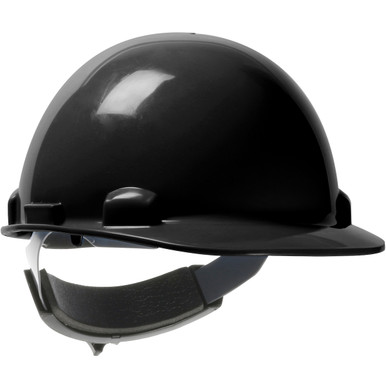 PIP Dom 280-HP341SR Cap Style Smooth Dome Hard Hat, HDPE ShellNon-vented Class E, 20,000-volt proof test
Why is the class a separate rating from the type? Impact and electricity are different hazards and Z89.1 tests them separately. Type I or Type II says where the shell is tested for a blow. Class G, E or C says what voltage the shell was proof-tested at. Every hat carries one of each, so a label reads Type I Class E, Type II Class C, and so on. The pairing matters on a jobsite: the vented helmet that keeps a crew cool is Class C, and it is the wrong hat next to an open panel or under a service drop.
What does each class mean?
The three classes in Z89.1 since the 1997 edition. The old Class A and Class B labels (pre-1997) map to G and E.
Class G vs Class E vs Class C
| Class G | Class E | Class C | |
|---|---|---|---|
| Name | General | Electrical | Conductive |
| Proof-test voltage | 2,200 volts | 20,000 volts | None |
| Vented shells | No | No | Yes, vented hats are Class C |
| Typical use | General construction and industry | Any site with electrical hazards; utility and electrical trades | Hot work where there is no electrical hazard; climbing-style vented helmets |
| Meets OSHA shock paragraph | Yes | Yes, including 1926.100(b)(2) high voltage | No |
Proof-test voltages are the Z89.1 figures. Class is printed inside the shell with the Type; the two ratings are independent, so a hat can be Type I Class E, Type II Class C, or any other pairing.
ANSI/ISEA Z89.1-2014 as published by ISEA, JSP and 3M; 29 CFR 1910.135(a)(2); 29 CFR 1926.100(b)(2).
What does OSHA require for electrical hazards?
In general industry, the employer must ensure a helmet designed to reduce electrical shock hazard is worn when the employee could contact exposed electrical conductors with the head. In construction, head protection for employees exposed to high-voltage electric shock and burns must also meet the electrical insulation section of Z89.1, which is the 20,000-volt Class E test. Neither rule defines high voltage in the hard hat section; the practical reading on most sites is Class E anywhere energized equipment above the low-voltage threshold is exposed, and Class G or E everywhere else a hat is required.
29 CFR 1910.135(a)(2); 29 CFR 1926.100(b)(2) (section 9.7, electrical insulation, of the listed Z89.1 editions).The class does not make a hard hat electrical PPE for energized work. Insulating gloves, sleeves and the arc-flash rules govern that. The hat’s job is the accidental brush: backing into a live bus, lifting the head into a service drop, a dropped tool bridging a conductor to the shell. That is why the test is a proof test at a stated voltage and not a working-voltage rating.
29 CFR 1910.137 (electrical protective equipment) and 1910.269 for energized work; ANSI/ISEA Z89.1-2014 scope as published by ISEA.Why are vented hard hats Class C?
The electrical test is run wet, with the shell in water. A vent hole lets water and current straight through, so a vented shell cannot pass a proof test and is marked Class C whatever it is made of. Makers sell the same model vented and non-vented: the non-vented version is Class E and the vented version is Class C. The same applies to climbing-style helmets with vents, and to any hat with a metal part through the shell. A few solid shells are also Class C because the material conducts: check the label on carbon-fiber and some composite hats rather than assuming.
ANSI/ISEA Z89.1-2014 class definitions; manufacturer spec sheets for vented and non-vented pairs listed below (JSP Evolution, PIP Kilimanjaro, DEWALT, Studson); PIP Wolfjaw carbon fiber (Class C) and fiberglass (Class G) spec data.How do you read the class on the hat?
- The marking is molded or labeled inside the shell: manufacturer, the Z89.1 edition, Type I or II, Class G, E or C, and the date of manufacture.
- Old hats may read Class A or Class B. Those are the pre-1997 labels for what are now Class G and Class E; a hat that old is past any maker’s service life regardless.
- A chin strap, face shield bracket, ear muff adapter or lamp bracket is not part of the class test. Metal accessories can carry current around the shell; use the maker’s accessories and check the instructions.
- Painting or drilling the shell voids the rating; paint can conduct, and a hole is a vent.
Hard hats and helmets by electrical class
32 items · prices liveClass is as published by the manufacturer for each model; the marking inside the shell governs. Type is shown with the class. Contractor Direct orders ship free.
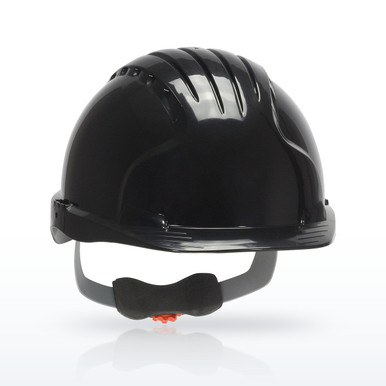
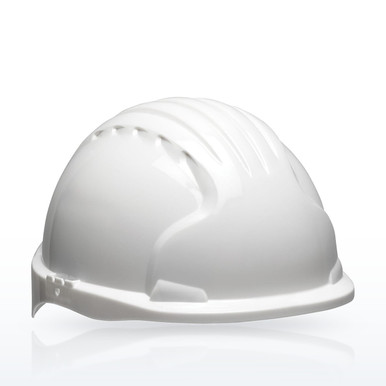
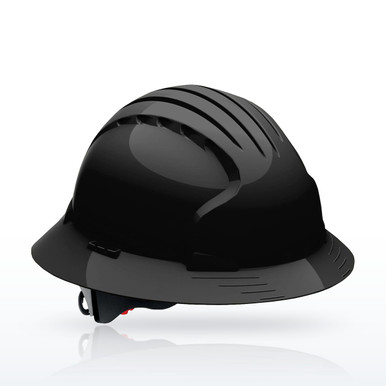
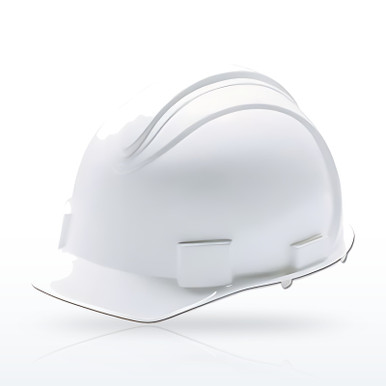
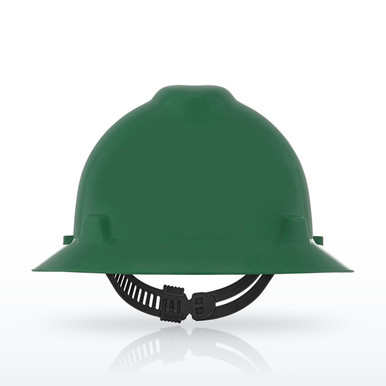
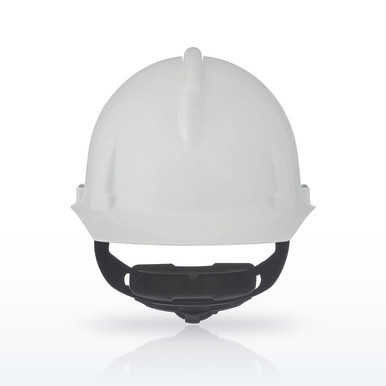
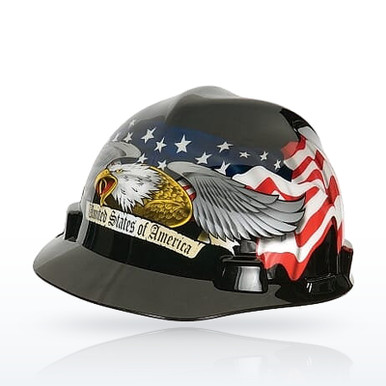
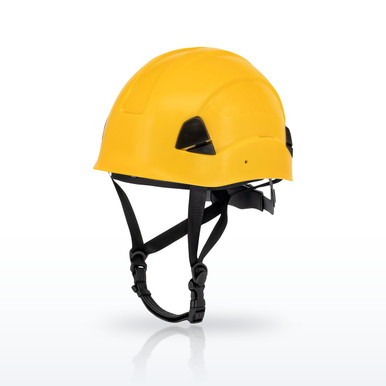
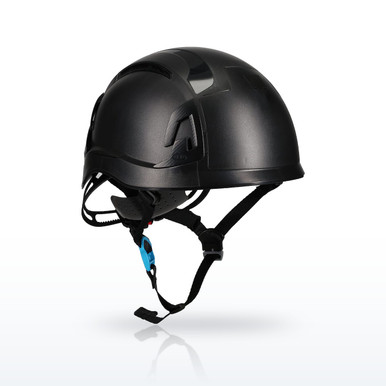
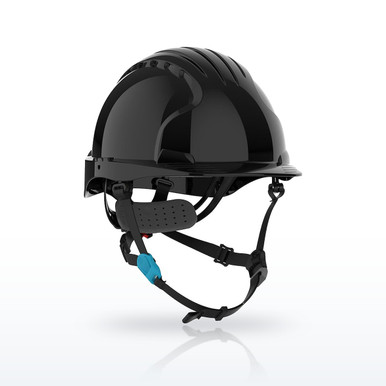
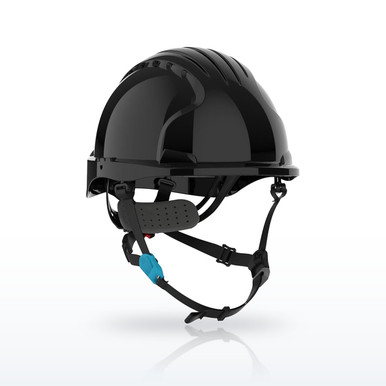
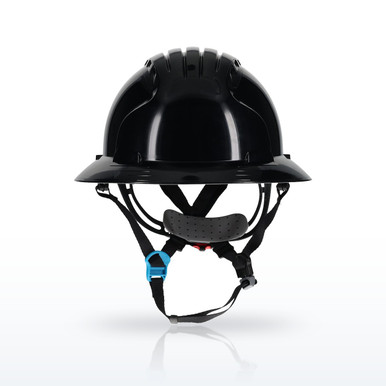
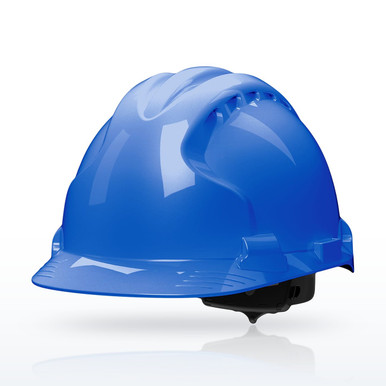
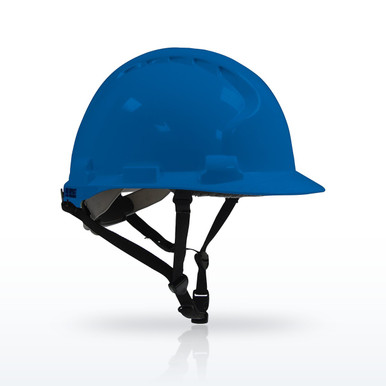
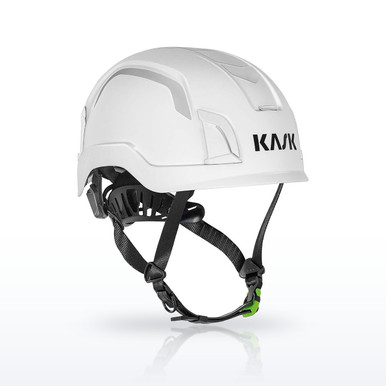
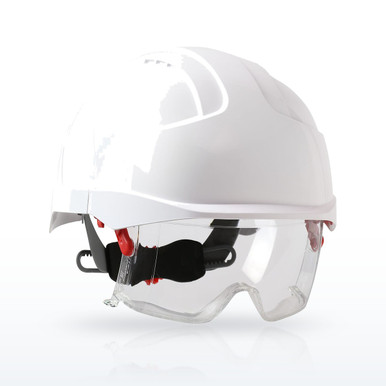
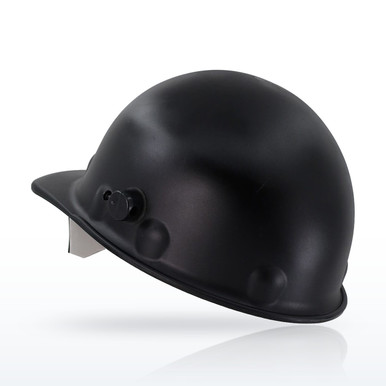
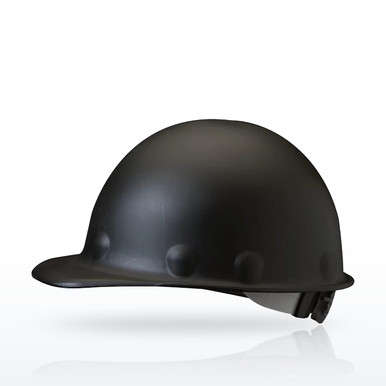
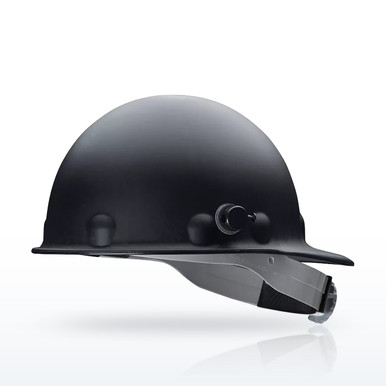
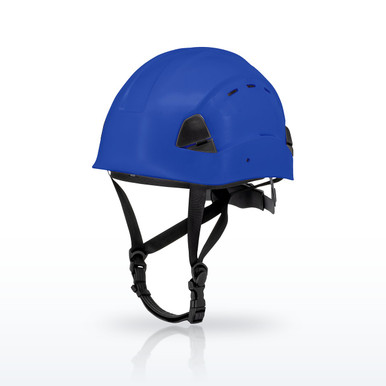
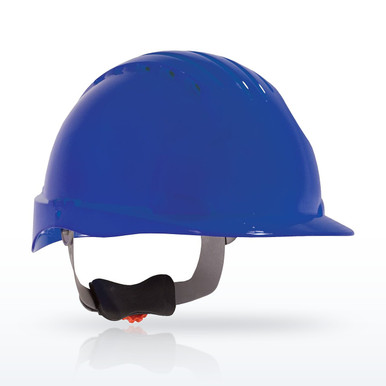
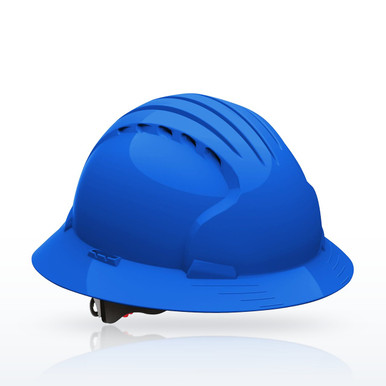
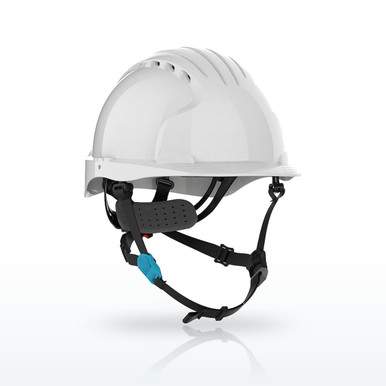
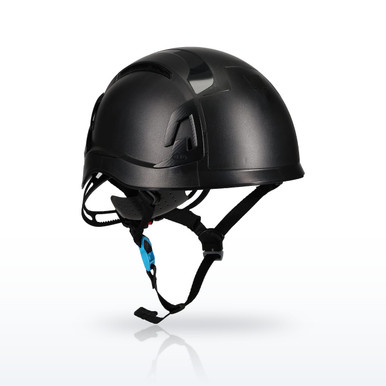
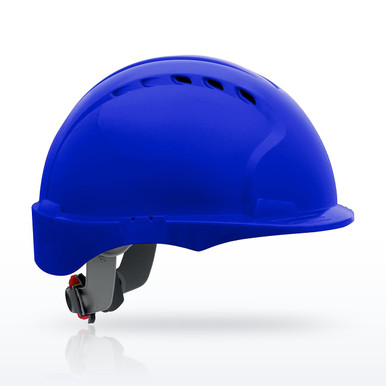
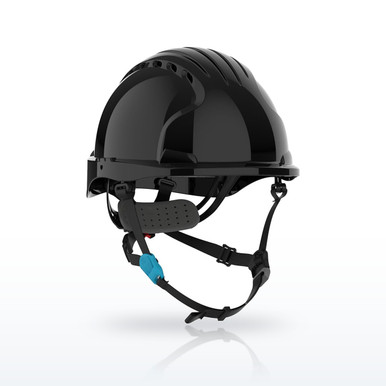
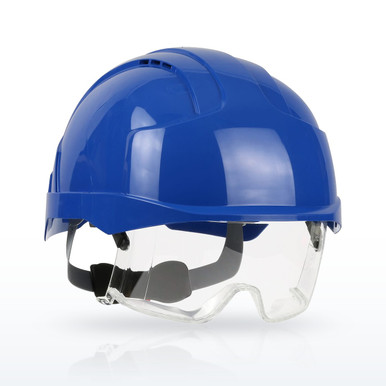
Every hat we carry, filtered by Class, Type, vent and brim, is on the hard hat finder.
Questions people ask
What is the difference between Class E and Class G hard hats?
The proof-test voltage. Class G is tested at 2,200 volts, Class E at 20,000 volts. Both are non-vented; most non-vented hats on the market are certified Class E.
What does Class C mean on a hard hat?
Conductive: no electrical protection. Every vented hard hat is Class C, and so are shells made of conductive material.
Can electricians wear vented hard hats?
Not where exposed conductors could contact the head. A vented hat is Class C and does not meet the OSHA shock paragraphs (1910.135(a)(2); 1926.100(b)(2)).
Is Class E better than Class G?
It is tested at a higher voltage. For general work either meets OSHA; for high-voltage exposure in construction the rule requires the electrical insulation section, which is the Class E test.
What happened to Class A and Class B?
Z89.1-1997 renamed them: Class A became Class G and Class B became Class E. Class C kept its name.
Does the class rating cover arc flash?
No. Z89.1 is a shock proof test on the shell. Arc-flash head protection is governed by the arc-flash rules and arc-rated hoods and face shields.
Does a chin strap change the class?
The class is tested on the shell. Metal in a strap or accessory can carry current around it, so use the maker’s accessories and follow its instructions.
Standards and ratings on this page are as published in the documents named and by the manufacturers named. The employer’s hazard assessment and written program decide what applies at a given workplace. Verify a rating on the product and its spec sheet before use.